✨Safety & Compliance Solutions for Your Fleet & Drivers✨
In the ever evolving and fast-paced fleet industry, ensuring safety and regulatory compliance is more critical than ever. Businesses must navigate a complex web of U.S. Department of Transportation (DOT) regulations, Hours of Service (HOS) standards, and ever-changing safety requirements. Safety Track’s fleet safety and compliance solutions offer cutting-edge tools to protect your fleet, safeguard your drivers, and streamline operations. By reducing violations and improving safety performance, our solutions not only keep you compliant but also enhance operational efficiency and save costs.
Fleet managers and business owners face the dual challenge of ensuring driver safety while avoiding regulatory penalties. Safety Track bridges this gap by providing innovative tools that keep your fleet operating smoothly and within the bounds of the law. With our comprehensive offerings, maintaining compliance and achieving operational excellence has never been easier.
Why Safety and Compliance Is Crucial for Fleet Operations
Fleet managers face significant challenges in maintaining safety and adhering to regulations. From managing driver behavior to tracking compliance with DOT and HOS standards, the stakes are high. Non-compliance can lead to costly penalties, accidents, and damage to your business’s reputation.
Adhering to safety standards is more than a regulatory requirement—it’s a vital aspect of protecting your drivers and fleet. Maintaining compliance helps reduce liability, instills confidence among clients and stakeholders, and ensures the longevity of your operations. With fleet safety and compliance solutions, you can overcome these challenges while fostering a culture of safety and accountability within your organization.
Neglecting compliance and safety not only endangers your drivers but also impacts your bottom line. Accidents and violations can result in increased insurance premiums, legal fees, and lost business opportunities. By investing in robust fleet safety and compliancesolutions, you can prevent these risks and focus on growing your business.
Tools for Fleet Safety and Compliance Management
Our GPS solutions are packed with features to give you complete control and visibility
AI Fleet Dash Cameras
Safety Track’s AI powered dash cameras are at the forefront of driver safety monitoring. These cameras identify unsafe behaviors like speeding, harsh braking, and distracted driving in real time, enabling you to address risks before they escalate. By providing actionable insights, they help drivers improve their habits while ensuring the safety of your fleet.
Dash cameras also serve as invaluable tools for incident review. In the event of an accident or dispute, video footage can provide clear evidence, protecting your business from unwarranted claims. These cameras not only enhance safety but also give you peace of mind knowing your fleet is always under watchful eyes.
Electronic Logging Devices (ELDs) simplify HOS compliance by automating the tracking of drivers’ work hours. These devices ensure drivers stay within legal limits, reducing the risk of penalties and keeping your fleet compliant with DOT regulations.
ELDs also reduce the administrative burden on your team. By automating data collection and reporting, they free up valuable time that can be better spent on strategic initiatives. Safety Track’s ELDs are designed to integrate seamlessly with your fleet operations, providing a hassle-free solution for compliance.
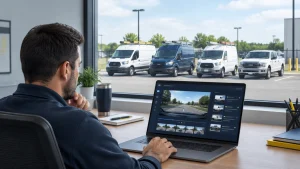
Our Video Surveillance Suite (VSS) Dashboard is a powerful fleet compliance tool that provides a comprehensive view of your fleet’s performance. With the ability to track metrics like speeding incidents and idle times, the dashboard enables fleet managers to identify trends and implement targeted safety improvements.
The VSS Dashboard offers customizable reporting options, allowing you to focus on the data most relevant to your operations. Whether you need insights for daily management or detailed reports for audits, our dashboard provides the information you need at your fingertips.
Stay ahead of safety risks with real-time alerts for protocol breaches or compliance violations. Customizable notifications help you respond quickly to potential issues, ensuring a proactive approach to fleet safety management.
Alerts can be tailored to your specific needs, whether it’s monitoring speed limits, HOS compliance, or maintenance schedules. This flexibility ensures you’re always informed and prepared to act when needed.
Why Choose Safety Track for Safety and Compliance?
For over 20 years Safety Track has been a trusted provider within the industry, offering fleet safety and compliance solutions that are reliable, user-friendly, and scalable. Our technology is designed to grow with your business, providing long-term value and flexibility. Fleet operators nationwide rely on Safety Track’s innovative tools to maintain safety and adhere to regulations.
Whether you need driver safety monitoring, DOT compliance systems, or tools to enhance operational efficiency, Safety Track has you covered. Partner with us to protect your fleet, reduce risks, and achieve peace of mind.
Key Benefits of Safety Track’s Safety and Compliance Solutions
Accident Reduction
Our fleet dash cameras enable you to monitor and correct unsafe driving behaviors before they lead to accidents. This proactive approach not only reduces costs but also ensures the safety of your drivers and other road users.
Regulatory Compliance
Meeting DOT and HOS standards can be complex, but Safety Track simplifies the process with automated tracking and reporting. Our DOT compliance systems take the guesswork out of staying compliant.
Operational Efficiency
Time is a valuable resource in fleet management. With easy-to-use fleet compliance tools, you can reduce administrative burdens, minimize errors, and streamline operations, saving both time and money.
Enhanced Reporting
Generate detailed reports for audits and performance reviews with our advanced compliance tools. These reports provide valuable insights to help you make informed decisions and ensure transparency during inspections.
The implementation offleet safety and compliance solutions ensures your fleet remains safe, efficient, and prepared for any regulatory requirements.
How Fleet Safety Solutions Improve Driver Performance
Fleet safety solutions empower drivers with actionable feedback. Using scorecards and video evidence, drivers can see where improvements are needed and track their progress over time. Real-time monitoring allows fleet managers to address issues as they occur, fostering a culture of continuous improvement. Incentivizing safe driving behaviors through recognition or rewards further enhances driver performance while reducing risks.
Fleet safety and compliance solutions also create a collaborative environment where drivers feel supported and motivated to prioritize safety. This approach leads to better performance and fewer safety-related incidents.
Driver safety monitoring isn’t just about identifying issues—it’s about creating opportunities for growth. By providing drivers with the tools and feedback they need to succeed, you’re investing in the long-term success of your fleet.
Recommended Products for Safety and Compliance
These products, combined with Safety Track’s comprehensive fleet safety and compliance solutions, offer unmatched support for fleet operators looking to enhance safety and compliance.
Electronic Logging Device (ELD)
Ensure HOS compliance with ELDs that provide automated, error-free logging of drivers’ work hours. These devices are essential for avoiding penalties and maintaining efficient operations.
Driver Scorecards
Rate and compare driver performance to identify areas for improvement. Scorecards provide a clear picture of each driver’s habits and help managers implement targeted coaching.
Live Viewing Cameras
Monitor driver behavior in real time with live viewing cameras equipped with remote playback capabilities. Capture video evidence to address violations, improve coaching, and reduce liability.
GPS Tracking Solutions
Track fleet locations and ensure compliance with geofencing and real-time notifications. GPS tracking enhances fleet safety management by keeping you informed about your vehicles’ movements at all times.
Getting Started with Safety and Compliance Solutions
Implementing Safety Track’s tools is simple and straightforward. Here’s how to get started:
Schedule a Consultation: Our team will assess your unique needs and recommend the best solutions.
Deploy Our Tools: From ELDs to fleet dash cameras, we’ll ensure a seamless integration process.
Monitor and Optimize: Use our dashboards and alerts to continuously improve safety and compliance.
With Safety Track’s fleet safety and compliance solutions, achieving operational excellence is within your reach. Ensure fleet safety and compliance—Contact Us Today!
What are the benefits of implementing a fleet safety program?
The benefits of implementing a fleet safety program include enhanced driver safety, reduced accident rates, improved compliance with regulatory requirements, and overall cost savings through lower insurance premiums and minimized vehicle damage.
What is the role of drivers in maintaining fleet safety compliance?
The role of drivers in maintaining fleet safety compliance is crucial. They are responsible for adhering to safety protocols, conducting pre-trip inspections, and accurately logging driving hours, ensuring that the fleet operates within regulatory guidelines and promotes overall safety.
What are the key elements of a fleet safety compliance program?
The key elements of a fleet safety compliance program include regulatory adherence, driver training, effective monitoring systems, maintenance protocols, and incident reporting procedures. These components work together to enhance safety and ensure compliance with applicable regulations.
What is the importance of fleet safety compliance in transportation industry?
The importance of fleet safety compliance in the transportation industry lies in its role in ensuring regulatory adherence, reducing accidents, and promoting a culture of safety that protects drivers, vehicles, and the public while enhancing operational efficiency.
What are the key benefits of implementing a fleet safety solution?
The key benefits of implementing a fleet safety solution include enhanced compliance with regulations, improved driver safety through advanced monitoring technology, reduced incident rates, and streamlined fleet operations, ultimately leading to cost savings and increased efficiency.
How can fleet operators identify and address safety hazards?
Fleet operators can identify and address safety hazards by implementing advanced monitoring tools, such as AI-powered dash cameras and telematics systems. These technologies help detect risky behaviors, analyze driving patterns, and proactively manage safety protocols to enhance fleet safety.
How does a fleet safety program reduce risks?
A fleet safety program reduces risks by implementing proactive measures such as training, monitoring, and compliance with regulations, which collectively enhance driver behavior, minimize accidents, and ensure adherence to safety standards.
What training is needed for drivers safety compliance?
Training for driver safety compliance includes understanding DOT regulations, safe driving practices, accident prevention strategies, and the use of compliance technologies such as electronic logging devices (ELDs) to enhance operational safety and regulatory adherence.
How can technology enhance fleet safety compliance?
Technology enhances fleet safety compliance by providing tools like AI-powered dash cameras and electronic logging devices (ELDs) that ensure adherence to regulations, monitor driver behavior, and enable timely safety alerts, ultimately reducing risks and maintaining legal standards.
What metrics measure fleet safety program effectiveness?
Metrics that measure fleet safety program effectiveness include accident rates, driver performance scores, compliance with regulations, incident frequency, and feedback from safety training programs. These indicators help evaluate the impact of safety initiatives on fleet operations.
How often should safety programs be reviewed?
Safety programs should be reviewed regularly, ideally on an annual basis, to ensure they remain effective and compliant with current regulations and best practices. This frequent evaluation helps identify areas for improvement and adapt to any changes in the fleet or regulatory environment.
What are common challenges in fleet safety compliance?
Common challenges in fleet safety compliance include keeping up with constantly changing regulations, ensuring consistent training for drivers, effectively monitoring driver behavior, and maintaining accurate documentation to avoid penalties.
How to involve drivers in safety programs?
Involving drivers in safety programs requires clear communication, regular training sessions, and fostering a culture of safety. Encourage feedback, provide incentives for safe driving, and actively include them in safety discussions to enhance their commitment and accountability.
What elements strengthen a fleet safety compliance program?
The elements that strengthen a fleet safety compliance program include regular training for drivers, robust tracking and reporting systems, adherence to DOT regulations, proactive risk management strategies, and the integration of advanced technologies like AI-powered dash cameras and electronic logging devices.
How can communication improve fleet safety adherence?
Effective communication enhances fleet safety adherence by ensuring that all drivers are well-informed about safety protocols, regulatory updates, and performance expectations. This fosters a culture of accountability and allows for timely feedback, ultimately reducing risks and improving compliance.
What role do audits play in safety compliance?
Audits play a critical role in safety compliance by systematically evaluating fleet operations and ensuring adherence to regulatory standards. They help identify risks, improve safety protocols, and maintain accountability, ultimately enhancing overall driver safety and operational efficiency.
How to prioritize safety in fleet management?
Prioritizing safety in fleet management involves implementing comprehensive training programs, utilizing advanced safety technologies like AI-powered dash cameras, and regularly reviewing compliance with regulations to ensure safe driving practices and reduce incidents.
What best practices ensure ongoing compliance?
Best practices to ensure ongoing compliance include regularly updating training for drivers on regulations, implementing real-time monitoring tools, conducting frequent audits, and maintaining open communication channels with safety stakeholders. These measures help mitigate risks and ensure adherence to regulatory standards.
How can feedback improve fleet safety initiatives?
Feedback can significantly enhance fleet safety initiatives by identifying areas for improvement, fostering a culture of accountability, and providing actionable insights that inform training and policy adjustments, ultimately leading to safer driving practices and compliance adherence.
What are the costs of non-compliance?
The costs of non-compliance can be significant, including hefty fines, increased insurance premiums, operational disruptions, and potential liability in accidents. Ensuring regulatory adherence helps protect businesses financially and enhances overall fleet safety.
How can fleet managers promote a safety culture?
Fleet managers can promote a safety culture by actively prioritizing safety initiatives, providing ongoing driver training, implementing technology for real-time monitoring, and encouraging open communication about safety concerns within the team.
What incidents highlight the need for safety programs?
Incidents that highlight the need for safety programs include high rates of accidents, regulatory violations, and near-misses within a fleet. These events significantly impact driver safety and operational costs, underlining the necessity for proactive safety measures.
How can incentives improve driver compliance?
Incentives can significantly enhance driver compliance by motivating drivers to adhere to safety protocols and regulatory standards. By offering rewards for safe driving behaviors, companies can foster a culture of accountability and encourage consistent adherence to safety measures.
What technologies aid in monitoring fleet safety?
Technologies that aid in monitoring fleet safety include AI-powered dash cameras, electronic logging devices (ELDs), GPS tracking systems, and customizable safety alert mechanisms. These tools enhance driver accountability, ensure compliance, and facilitate incident reduction through real-time data analysis.
How to develop a comprehensive safety strategy?
Developing a comprehensive safety strategy involves assessing risks, establishing clear safety goals, implementing effective training programs, and utilizing technology for monitoring and compliance. Regular reviews and updates ensure the strategy remains relevant and effective.
What resources support fleet safety training?
Resources that support fleet safety training include online training modules, instructional videos, safety manuals, industry webinars, and hands-on workshops. These tools enhance driver knowledge and ensure compliance with safety regulations.
How does fleet safety impact insurance rates?
Fleet safety significantly impacts insurance rates. Insurance companies often offer lower premiums to fleets with strong safety records and proactive safety measures, as these reduce the likelihood of accidents and claims, ultimately leading to cost savings for businesses.
What legislation governs fleet safety compliance?
The legislation that governs fleet safety compliance primarily includes the Federal Motor Carrier Safety Administration (FMCSA) regulations, which enforce standards for vehicle operation, driver qualifications, and safety management within the transportation sector.
How can partnerships enhance fleet safety initiatives?
Partnerships can significantly enhance fleet safety initiatives by leveraging shared resources, expertise, and technology. Collaborations with safety organizations and technology providers enable fleets to adopt advanced safety solutions, improve training programs, and ensure compliance with regulatory standards, ultimately reducing incidents and enhancing overall safety.
What case studies demonstrate successful safety programs?
Successful safety programs can be illustrated by case studies from various industries, showcasing significant reductions in incidents and enhanced compliance through technology integration, such as AI-driven monitoring systems and comprehensive training programs implemented by leading fleet operators.
fleet safety solution, driver compliance tracking, fleet safety solutions, fleet safety monitoring, fleet safety compliance, fleet compliance solutions, fleet safety tracking, safety track system, fleet compliance tracking, courier fleet safety and compliance tools, Comprehensive Fleet Safety & Compliance Solutions, Ensure Regulatory Compliance & Enhance Fleet Safety, Safety & Compliance Solutions for Your Fleet & Drivers, Why Safety and Compliance Is Crucial for Fleet Operations, Tools for Fleet Safety and Compliance Management, Fleet Safety Dashboards, Customizable Alerts, HOS Compliance Tools, AI Fleet Dash Cameras, fleet safety compliance software, fleet compliance management, fleet safety technology
Transform Your Fleet Operations with Safety Track
Safety Track provides innovative solutions designed to transform fleet operations by enhancing safety and ensuring compliance with regulatory standards. By integrating advanced technology, businesses can streamline their processes, reduce risks, and improve overall efficiency in fleet management.
Our comprehensive approach includes tools like AI-powered dash cameras and electronic logging devices, which not only help in monitoring driver behavior but also ensure that all operations align with U.S. Department of Transportation regulations. This transformation leads to better decision-making and a more proactive approach to fleet safety.
Real-Time Data Analytics for Fleet Safety
Leveraging real-time data analytics is crucial for maintaining fleet safety and compliance. Safety Track’s solutions provide fleet managers with actionable insights that can help identify trends and potential risks before they escalate into serious issues.
With features like dash cam analytics and live streaming capabilities, fleet operators can monitor driver behavior and vehicle performance continuously. This data-driven approach allows for quick interventions and enhances the overall safety culture within the organization.
Customizable Alerts for Enhanced Compliance
Customizable alerts are an essential feature of Safety Track’s offerings, allowing fleet managers to tailor notifications based on specific compliance needs. Whether it’s monitoring hours of service or vehicle maintenance schedules, these alerts ensure that critical compliance measures are not overlooked.
By setting up personalized alerts, businesses can proactively address potential compliance violations, thus avoiding costly fines and enhancing operational efficiency. This flexibility empowers fleet managers to maintain control over their compliance processes while adapting to changing regulations.
Investing in Driver Training and Safety Programs
Investing in driver training and safety programs is vital for reducing incidents and ensuring compliance. Safety Track not only provides the tools necessary for monitoring but also emphasizes the importance of training drivers to utilize these tools effectively.
By implementing comprehensive training programs that leverage the insights gained from Safety Track’s technology, fleets can create a safer driving environment. This investment leads to improved driver performance, reduced accidents, and ultimately, a more reliable fleet operation.