"Thanks to Safety Track we recovered our $10,000 trailer that was stolen from us within a few hours. That paid for all of our systems with Safety Track by itself!"
Elvira-Owner

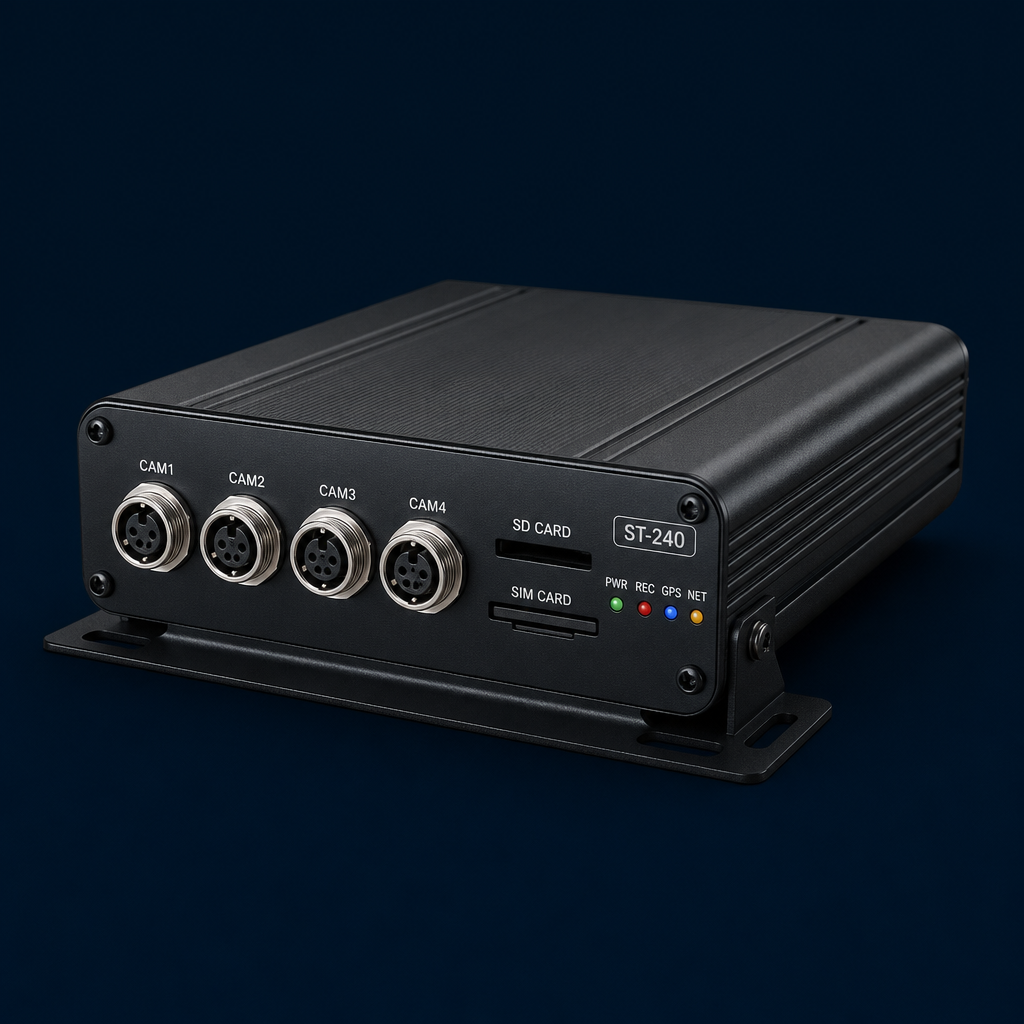
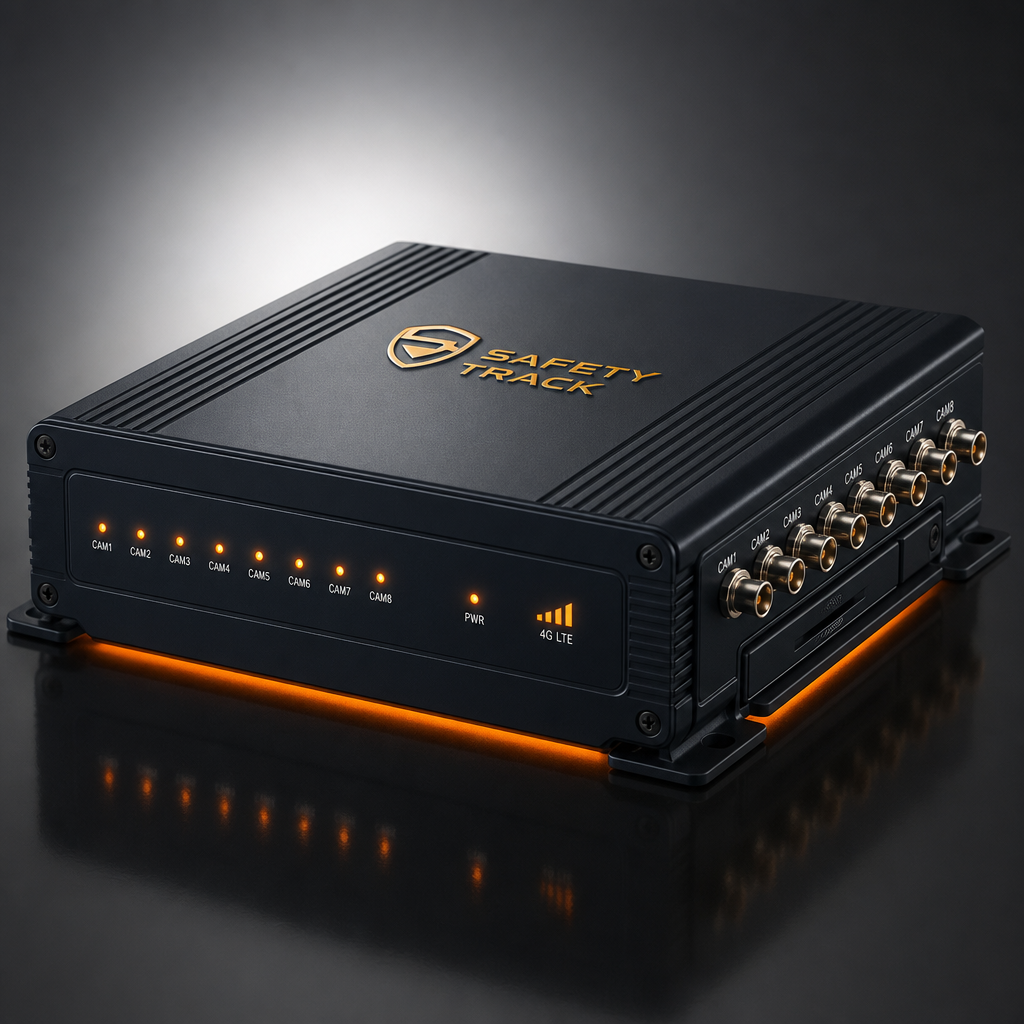
Fleet cameras improve safety and efficiency in the fast-paced and hazardous construction industry. With the ST-220 AI Fleet Dash Camera and the live-streaming ST-240 and ST-280, construction companies can watch driver behavior in real time, catch unsafe habits before they cause accidents, and pull up footage after an incident to see exactly what happened. This helps prevent accidents and streamline operations, leading to improved safety and a better bottom line for construction companies.

Keep an eye on construction vehicles with AI powered dash cameras, giving you a clearer picture of how equipment is being used.

Improve driver behavior and safety with use of a live streaming camera system.

Review accidents with the remote playback feature of our Live Camera System.

Provides employee training tool. Capture operators habits for improve processes and procedures.

Customer Story Construction
A construction company partnered with Safety Track to address challenges related to driver accountability and on-site safety. They needed a reliable way to see what was happening with their vehicles in real time and review footage whenever an incident occurred.
Safety Track outfitted the fleet with live-streaming cameras that let the company monitor driver behavior and job site activity as it happened. The remote playback feature gave the team the ability to review incidents quickly, improving accountability and providing greater peace of mind.
A Look at our Recommended Setup
Pair any of these cameras with mounting hardware and accessories from our in-vehicle camera and camera accessories lineups to build the right setup for your fleet.

"Thanks to Safety Track we recovered our $10,000 trailer that was stolen from us within a few hours. That paid for all of our systems with Safety Track by itself!"
Elvira-Owner
Fleet cameras give construction companies a direct way to enhance operational safety and efficiency on job sites. With cameras like the ST-220, ST-240, and ST-280, these tools effectively mitigate risks, keep drivers accountable, and elevate overall fleet management standards.
One paramount advantage lies in the real-time visibility offered by live-streaming cameras like the ST-240 and ST-280. By harnessing live video feeds, companies gain comprehensive insight into what’s happening in and around each vehicle, facilitating faster decisions and swift response to issues on site. Such capabilities translate into substantial time and resource savings, bolstering financial performance.
Moreover, the ST-220’s AI-powered detection flags risky driving behavior as it happens, preempting costly accidents and downtime while keeping crews and equipment safer on the road and on site.
Fleet cameras assume a critical role in monitoring driver conduct, fostering accountability, and curbing unsafe practices that could lead to on-site accidents. Through remote playback and post-incident review on the ST-240 and ST-280, businesses glean valuable insights, enabling targeted interventions and the formulation of preventive measures to enhance overall safety.
Rounding out a construction fleet camera setup with the right mounting hardware and accessories ensures every camera performs reliably in demanding job site conditions. With a holistic camera-based view of the fleet, companies can streamline operations, enhance compliance, and fortify safety protocols to meet industry standards effectively.
Jump to our full Frequently Asked Questions section below for answers on durability, battery life, weather resistance, and video retention.
In the realm of the construction industry, effective fleet camera solutions are paramount to achieving success. Safety Track presents an encompassing lineup of fleet cameras tailored for construction, from the AI-powered ST-220 to the live-streaming ST-240 and ST-280. This lineup ensures real-time monitoring and visibility of vehicles, enhancing fleet safety and security.
Investing in Safety Track guarantees peace of mind and safeguards your business interests. Backed by an adept team and reliable camera technology, plus the mounting hardware and accessories to

Key Features of Safety Track's Construction Fleet Cameras
Safety Track’s fleet cameras for construction offer a range of essential features that enhance operational safety and accountability. The ST-220 uses in-cab AI to detect unsafe driving behavior in real time, while the ST-240 and ST-280 provide live video streaming and remote playback, all designed to meet the unique demands of construction projects.
For instance, the ST-220’s AI-driven alerts help managers catch unsafe practices as they happen, enabling timely interventions, while the ST-240 and ST-280’s live streaming lets you check in on vehicles and job sites in real time. Pairing any of these cameras with the right mounting hardware and accessories keeps them performing reliably even in tough job site conditions.
Benefits of Live Video in Construction Fleet Management
Live video is a cornerstone of effective fleet camera use in the construction sector, providing immediate visibility into what’s happening in and around each vehicle. With the ST-240 and ST-280, this capability enhances safety by allowing managers to respond swiftly to emergencies and confirm that drivers and equipment are where they need to be at any given time.
Moreover, live video and remote playback facilitate better decision-making and faster incident review, which can lead to significant cost savings. By watching driver behavior and job site activity as it unfolds, construction companies can reduce unsafe practices and improve overall productivity, ultimately leading to a more efficient operation.
Challenges in Construction Fleet Camera Adoption
Outfitting a construction fleet with cameras comes with its own set of challenges, including choosing the right camera for each vehicle, ensuring reliable footage in rugged job site conditions, and getting drivers on board with in cab monitoring. These challenges are critical to address if a fleet camera program is going to reduce accidents and improve accountability.
Common issues include selecting between AI-powered detection like the ST-220 versus live-streaming options like the ST-240 and ST-280, protecting cameras and wiring from dust, vibration, and weather, and making sure footage is easy to retrieve when it’s needed most. By addressing these challenges with the right cameras and accessories, companies can enhance safety outcomes across their projects
Future Trends in Construction Fleet Cameras
The future of construction fleet cameras is poised for significant transformation, driven by advancements in AI and live video technology. Innovations like the ST-220’s AI-driven behavior detection and the ST-240 and ST-280’s live streaming and remote playback are shaping the way construction companies keep an eye on their vehicles and drivers.
As these technologies evolve, they promise to deliver even greater insight into what’s happening on the road and on site, enabling faster response and more proactive safety management. Construction firms that embrace these camera-first strategies will likely see improved safety, accountability, and cost-effectiveness in their operations.
Frequently Asked Questions
Are the products suitable for use in the construction industry?
Absolutely! Many of our products are designed specifically for the construction industry and have been rigorously tested to withstand its demanding conditions. Our systems are proven to endure harsh environments, and we offer additional protection options such as our secure lockbox accessory for Fleet
Cameras.
What is the battery life of your products commonly used in this industry?
The battery life varies depending on the specific unit and update interval. However, our most popular Asset Tracking Systems boast battery life that meets the requirements of our customers.
Are your products weather resistant?
Yes, all of our Asset Tracking Systems are weather resistant, ranging from IP65 to IP68 ratings. Our cameras are also weatherproof rated. However, it’s important to note that our Fleet Cameras are not weather resistant and should not be exposed to moisture.
How far back can I access video information?
The ability to access historical video footage depends on your local storage capacity. You can review stored video by removing the memory device from the unit or using our Remote Playback feature on our Fleet Management Software – CMS Interface.
In the realm of the construction industry, effective fleet camera solutions are paramount to achieving success. Safety Track presents an encompassing lineup of fleet cameras tailored for construction, from the AI-powered ST-220 to the live-streaming ST-240 and ST-280. This lineup ensures real-time monitoring and visibility of vehicles, enhancing fleet safety and security. With these cameras, companies can maintain constant vigilance over their vehicles and drivers, preempting and strategizing for potential challenges. Investing in Safety Track guarantees peace of mind and safeguards your business interests. Backed by an adept team and reliable camera technology, plus the mounting hardware and accessories to outfit any vehicle, Safety Track equips you with the essential tools to streamline your construction fleet operations. Don’t gamble with the safety and management of your fleet; opt for Safety Track, the pinnacle of construction fleet camera solutions in the industry. With real-time monitoring and cutting-edge fleet cameras, you can make informed decisions and steer your construction fleet towards success
Can You See the Benefits Adding Up?