
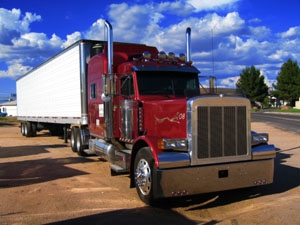
Choosing a Commercial Dash Cam System: 10 Critical Considerations
The commercial transportation landscape has changed. In 2026, a “simple” camera is no longer enough to protect a fleet from the rising costs of insurance, nuclear verdicts, and operational inefficiencies. Fleet managers are increasingly turning to a commercial dash cam system to provide the visibility needed to manage drivers and assets effectively.
However, the market is saturated with options ranging from basic consumer-grade hardware to advanced AI platforms. Signing a multi-year contract for the wrong system can be a costly mistake that tethers a company to outdated technology or hidden fees. Before committing to a provider, fleet owners must look beyond the sales pitch and evaluate how a system integrates into their daily operations.
Here are 10 critical things to know before signing a contract for your next fleet camera systems.
1. AI-Powered Proactivity vs. Passive Recording
Standard DVR systems are reactive; they record video to an SD card that must be manually retrieved after an incident. In contrast, modern AI-enhanced systems actively monitor for risky behaviors like tailgating, phone usage, and distracted driving.
At Safety Track, we emphasize that our systems don’t just record accidents: they help prevent them. By utilizing AI to identify risks in real-time, fleets can see up to a 40% reduction in accidents. When reviewing a contract, ensure the hardware supports edge-processing AI rather than just cloud-based analysis, which can be delayed.
2. The Power of a Truck Camera System with GPS
A camera without location context is only half of the story. A true truck camera system with gps allows managers to see exactly where an event occurred, how fast the vehicle was traveling, and the surrounding traffic conditions.
Integrating video with GPS tracking allows for “breadcrumb” trails that sync with video clips. This is invaluable when defending against false claims where a third party alleges a “hit and run” or aggressive driving at a specific mile marker. If the GPS data proves your truck was elsewhere, the case is closed instantly.

3. High-Definition Clarity and Night Vision
Video evidence is only as good as its clarity. If a system cannot capture a license plate in low-light conditions or through the glare of a sunset, it fails its primary purpose. Seek systems that offer:
- 1080p Resolution: The industry standard for identifying small details.
- Wide Dynamic Range (WDR): Essential for handling high-contrast lighting, such as driving out of a dark tunnel into bright sunlight.
- Infrared (IR) LEDs: For driver-facing cameras, IR ensures that even in a pitch-black cab, driver behavior (like fatigue or distraction) is clearly visible.
4. Instant Cloud Access and LTE Connectivity
Waiting for a truck to return to the yard to pull an SD card is a liability. In the event of a serious collision, fleet managers need video within minutes, not days.
Top-tier fleet camera systems utilize 4G or 5G LTE connectivity to upload “event clips” automatically to the cloud. Before signing, ask about data overage charges. A transparent contract should include the cellular data costs required for standard video uploads and live-view features so there are no surprises on your monthly bill.
5. Driver Privacy and Coaching Workflows
Implementing cameras often meets resistance from drivers who fear “Big Brother.” The most successful implementations focus on a “Safety Culture” rather than “Gotcha” moments.
Look for a provider that offers automated coaching workflows. These systems use AI to score drivers and identify those who need training, while also allowing you to recognize and reward your safest drivers. Ensure the contract and software allow for privacy settings, such as blurring or disabling the driver-facing lens when the vehicle is off-duty.

6. Maintenance and Diagnostic Integration
A fleet’s performance is tied to the health of its vehicles. Advanced camera systems do not exist in a vacuum; they should connect to the vehicle’s OBD-II or J1939 port.
This integration allows the system to pull engine diagnostics and fault codes. When a “harsh braking” event is triggered, the system can also check if the vehicle’s brake pads were nearing the end of their life or if an engine light was active. Combining maintenance tracking with video telematics provides a holistic view of fleet health and safety.
7. Verifiable Insurance ROI
One of the strongest arguments for a commercial dash cam system is the impact on insurance premiums. Many providers claim their systems save money, but you should look for one that has a proven track record.
At Safety Track, our clients often see up to a 25% reduction in insurance costs. This is achieved through two avenues:
- Exoneration: Video evidence quickly proves your driver was not at fault, preventing costly payouts.
- Risk Reduction: Improved driver behavior leads to fewer claims over time.
Ask your provider if they can help provide the data your insurance carrier needs to justify a rate reduction.
8. Hardware Durability and Professional Installation
Commercial vehicles endure extreme vibrations, temperature fluctuations, and long hours of operation. Consumer-grade “suction cup” cameras will fail in a heavy-duty environment.
Ensure the cameras are hard-wired into the vehicle’s power system and use tamper-resistant mounts. Professional installation prevents drivers from accidentally (or intentionally) unplugging the device. Check the warranty terms in your contract: a robust system should be backed by a long-term hardware guarantee.

9. Hidden Fees and Contract Flexibility
This is where many fleet managers get caught off guard. When reviewing a contract, look for:
- Activation Fees: Is there a per-device charge just to turn the service on?
- Hardware Ownership: Do you own the cameras at the end of the term, or do you have to return them?
- Early Termination: What is the penalty if you need to downsize your fleet?
- API/Integration Fees: If you want to link your camera data to your existing TMS (Transportation Management System), will the provider charge you extra for that access?
At Safety Track, we pride ourselves on custom-tailored solutions that fit your specific operation, ensuring you only pay for what you need.
10. Long-Term Support and Scalability
The relationship with your provider shouldn’t end once the cameras are installed. As your fleet grows, you may need to track non-powered assets like trailers or construction equipment.
A provider that offers asset tracking alongside their dash cam systems allows you to manage everything from a single dashboard. This “single pane of glass” approach reduces the time managers spend switching between different apps and improves overall fleet visibility.
Conclusion
Choosing a commercial dash cam system is a significant investment in your company’s future safety and profitability. By focusing on AI capabilities, GPS integration, and transparent contract terms, you can ensure that your fleet is protected against the uncertainties of the road.
Time and accuracy matter more than ever in today’s logistics environment. Don’t settle for a one-size-fits-all solution that doesn’t account for the unique challenges of your operation. At Safety Track, we specialize in custom-tailored fleet management that prioritizes security, efficiency, and cost reduction.
Ready to see how AI-enhanced cameras can transform your fleet? Contact Safety Track today for a consultation.

Tyler Schneider is the IT Director at Safety Track, overseeing the company’s technological infrastructure and innovations. With a strong background in information technology and systems management, Tyler ensures that Safety Track stays at the forefront of tech solutions in fleet management. His strategic expertise supports the seamless integration of technology across the company’s operations.