
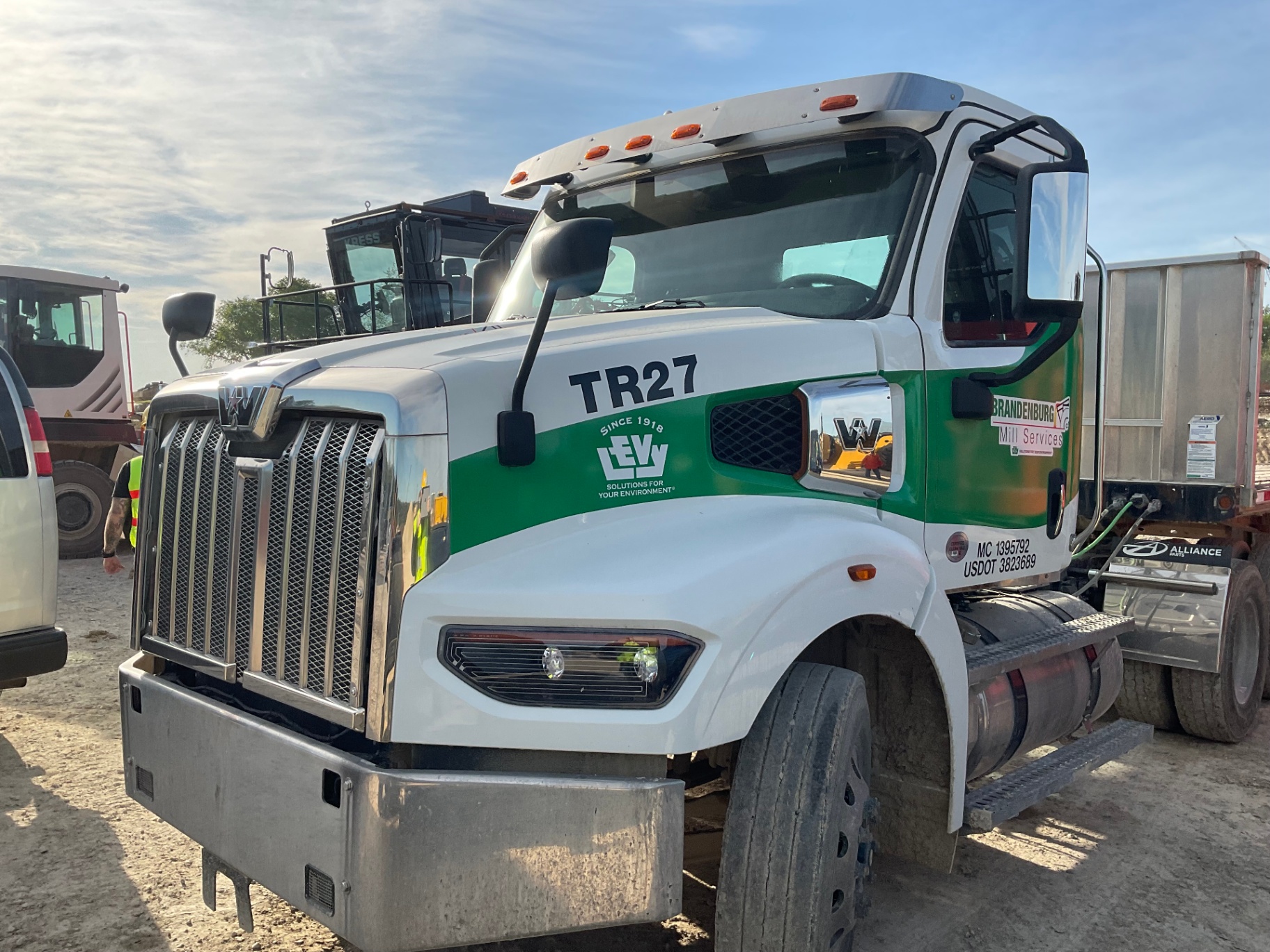
Combatting Driver Fatigue: How Real-Time Monitoring Saves Lives This Summer
As we enter June and celebrate National Safety Month, the transportation industry faces its most challenging season. While winter weather often gets the blame for road hazards, statistics tell a different story. The period between Memorial Day and Labor Day is frequently referred to as the “100 Deadliest Days” on American roads. For fleet managers, the primary antagonist of this season isn’t just traffic: it’s driver fatigue.
Recent data suggests that driver fatigue is a contributing factor in roughly 13% to 40% of all heavy-truck collisions. During the summer, fatal collisions actually increase by nearly 30% compared to winter months. The combination of high temperatures, increased holiday traffic, and longer daylight hours creates a perfect storm for “highway hypnosis” and exhaustion.
At Safety Track, we understand that traditional logging and hours-of-service (HOS) compliance are only the baseline. To truly protect your drivers and your bottom line, you need proactive technology. Modern AI fleet safety cameras and real-time monitoring are no longer optional “extras”; they are the front line of defense in a modern safety culture.
The Economic and Human Toll of Tired Driving
The financial impact of a single fatigue-related incident is staggering. The FMCSA estimates the total cost of trucking accidents involving driver fatigue at approximately $20 billion per year. On an individual level, a single fatigue-related crash averages $91,000 in costs: and that’s before considering the devastating human cost of the 800 lives lost annually to drowsy driving.
For a fleet manager, these aren’t just numbers; they represent insurance premiums, legal liabilities, and the reputation of the company. A driver who has been awake for 17 hours operates with a level of impairment similar to a 0.05% blood alcohol concentration. At 24 hours, that impairment jumps to 0.10%: higher than the legal limit in all 50 states.
This is why a dash cam for commercial trucks has evolved from a simple recording device into an intelligent co-pilot. By using AI to detect the physical signs of exhaustion before a crash occurs, fleets can intervene in the seconds that matter most.

How AI Detection Actually Works: The Science of the “Yawn”
Traditional dash cams look out the windshield. AI-enhanced systems, however, utilize driver-facing sensors to monitor the operator’s physiological state. This isn’t about “spying”; it’s about biometric safety.
1. Eyelid Tracking and Blink Rate
AI fleet safety cameras analyze the frequency and duration of eye blinks. When a driver’s eyelids remain closed for a fraction of a second too long: indicating a “micro-sleep”: the system triggers an immediate in-cab alert. Micro-sleeps are the leading cause of lane departures on straight stretches of highway.
2. Yawn Detection
Yawning is a late-stage indicator of fatigue. Our AI systems are trained to recognize the specific facial muscle movements associated with repeated yawning. By the time a driver is yawning frequently, their reaction times have already slowed significantly. The system flags these events so managers can suggest a rest stop before the situation turns critical.
3. Head Position and Gaze Direction
“Microsleeps” often result in a slight “nod” of the head or a fixed, glassed-over stare. AI algorithms monitor the 3D position of the driver’s head. If the system detects the head dipping or the eyes wandering away from the road for an extended period, it identifies a high-risk distraction or fatigue event.
Real-Time Alerts: Turning Detection into Prevention
Detection is only half the battle. The true power of real-time monitoring lies in the immediate feedback loop. When the AI detects a fatigue event, several things happen simultaneously:
- In-Cab Audio Alerts: A high-frequency alert sounds inside the cabin. This is designed to startle a drowsy driver back into full alertness and prompt them to pull over.
- Haptic Feedback: Some systems integrate with the seat or steering wheel to provide a physical vibration, ensuring the driver “feels” the warning even if they are momentarily tuned out.
- Instant Manager Notification: The event is uploaded to the cloud and a notification is sent to the fleet manager. This allows for immediate communication with the driver to assess their fitness for duty.
By addressing the behavior in the moment, you move from “investigating what happened” to “preventing what might happen.” This proactive approach is a cornerstone of how Safety Track helps fleets achieve up to 40% fewer accidents.

The “Summer Surge”: Why Your Fleet is More At Risk Now
Summer brings unique fatigue challenges that don’t exist in December.
The Heat Factor: High temperatures inside the cab (or even the strain of a hard-working AC system) can induce lethargy. Dehydration, common in the summer months, is a major contributor to cognitive decline and physical tiredness.
Longer Daylight: Drivers often feel they can “push further” because the sun is still up at 8:30 PM. However, the body’s circadian rhythm doesn’t always align with the sun’s position, leading to “twilight fatigue” where the brain begins to shut down even though visibility remains high.
Increased Traffic Complexity: With more families on the road for summer vacations, truck drivers must maintain a higher level of vigilance. This “cognitive load” is exhausting. A fatigued driver has a diminished “functional field of view,” meaning they stop seeing things in their periphery: like a passenger car merging into their blind spot.
Using GPS tracking and real-time monitoring allows managers to see if a driver is stuck in heavy summer traffic and adjust schedules accordingly to prevent the “push” that leads to accidents.
Beyond the Alert: Using Data for Safety Coaching
The most successful fleets use AI fleet safety cameras as a coaching tool rather than a disciplinary hammer. National Safety Month is the perfect time to roll out a “Safety First” coaching initiative.
When the system captures a fatigue event, it provides a “teachable moment.” Managers can sit down with drivers and review the footage. Often, drivers don’t even realize they were nodding off or yawning excessively. Seeing the footage provides an undeniable reality check.
Key areas for coaching include:
- Identifying Patterns: Does a specific driver show signs of fatigue every Tuesday afternoon? This might indicate a scheduling issue or a personal sleep health problem like sleep apnea.
- Pre-Trip Preparation: Use data to emphasize the importance of sleep hygiene.
- Route Optimization: Sometimes, the route itself is the problem. Our asset tracking and routing solutions can help you design paths that minimize the monotony that leads to fatigue.
Building a Culture of Trust
We often hear concerns about “Big Brother” when discussing driver-facing cameras. However, the narrative changes when drivers realize the technology is there to save their lives and protect their livelihoods.
In the event of an accident where the truck driver was not at fault, having AI-enhanced video evidence can be the difference between a ruined career and total exoneration. When drivers see that the system also detects other drivers’ erratic behavior and proves their own professionalism, the “buy-in” increases significantly.
Furthermore, we emphasize that these systems are designed to detect behaviors, not just record footage. Most of the time, the camera is simply a silent observer that only “wakes up” when a safety threshold is crossed.

National Safety Month Action Plan for Fleet Managers
To make the most of this month, we recommend taking three concrete steps:
- Audit Your Current Tech: Are your dash cams for commercial trucks simply recording “dumb” video, or are they proactively protecting your drivers with AI? If you aren’t getting real-time alerts for yawning or distraction, you’re missing the most critical safety feature available today.
- Review Fatigue Policies: Ensure your drivers know that it is always better to pull over than to “push through.” Create a non-punitive environment for fatigue reporting.
- Schedule a Safety Stand-Down: Spend 15 minutes this week talking specifically about the “100 Deadliest Days.” Show your team the statistics and explain how the AI technology you’ve invested in is there to act as their “guardian angel” on long summer hauls.
Conclusion: Safety is a Choice, Not an Accident
Driver fatigue is a silent threat, but it doesn’t have to be an invisible one. With the right AI-enhanced tools, fleet managers can see the signs of exhaustion before they turn into tragedies. This National Safety Month, commit to a higher standard of protection for your team.
At Safety Track, we specialize in custom-tailored solutions that fit your specific operations. Whether you manage five trucks or five hundred, our AI fleet safety cameras and real-time monitoring systems are designed to reduce accidents by 40% and lower your insurance costs by providing the evidence you need.
Don’t wait for a “near-miss” to become a direct hit. Contact Safety Track today to learn how we can help you combat driver fatigue and keep your fleet moving safely all summer long.

Tyler Schneider is the IT Director at Safety Track, overseeing the company’s technological infrastructure and innovations. With a strong background in information technology and systems management, Tyler ensures that Safety Track stays at the forefront of tech solutions in fleet management. His strategic expertise supports the seamless integration of technology across the company’s operations.