20-Series
Fleet Camera Lineup
Complete Safety Track Fleet Camera Lineup
Eight purpose-built
in-vehicle cameras for every angle of your fleet — from AI-powered forward and driver monitoring to rear, side,
interior, and discreet in-cab coverage. 1080P recording, IR night vision, and seamless integration with the ST-220, ST-240,
and ST-280.
Choose the Right Camera for Every Angle
The 20-series lineup is organized into three categories so you can build the exact camera configuration your fleet needs — from a single windshield dash cam to a full multi-channel 360° system.

AI-Powered Cameras
2 cameras
Forward-facing ADAS and driver-monitoring DMS cameras with built-in AI for lane departure, collision warnings, fatigue, and distraction detection.

Dash Cams
3 cameras
Windshield-mounted and in-cab recording cameras for front-view and cabin coverage. Dual-lens, single-lens, and compact mini options.

Standard Expansion
3 cameras
Rear, side, and interior expansion cameras with weather-sealed housings and IR night vision. Add to any ST-220, ST-240, or ST-280 system.
AI-Powered Fleet Cameras
Forward-facing and driver-monitoring cameras with built-in artificial intelligence for proactive safety alerts.
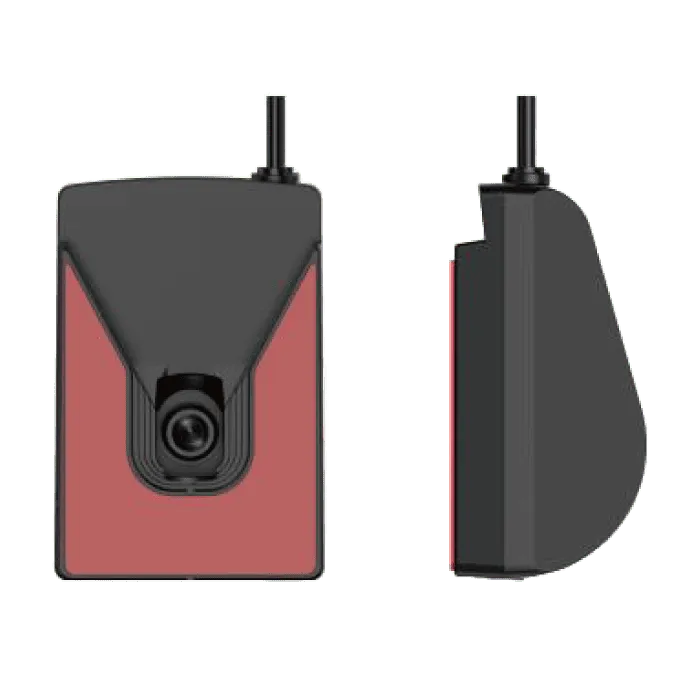
ST-25 ADAS Forward AI Camera
ADAS Forward AI Camera
A forward-facing 1080P WDR camera with advanced driver-assistance systems (ADAS). Provides real-time lane departure warnings and forward collision warnings to coach drivers before incidents occur. Ideal for highway and long-haul fleets.
Specs: 1080P WDR · ADAS · Lane Departure · Forward Collision Warning
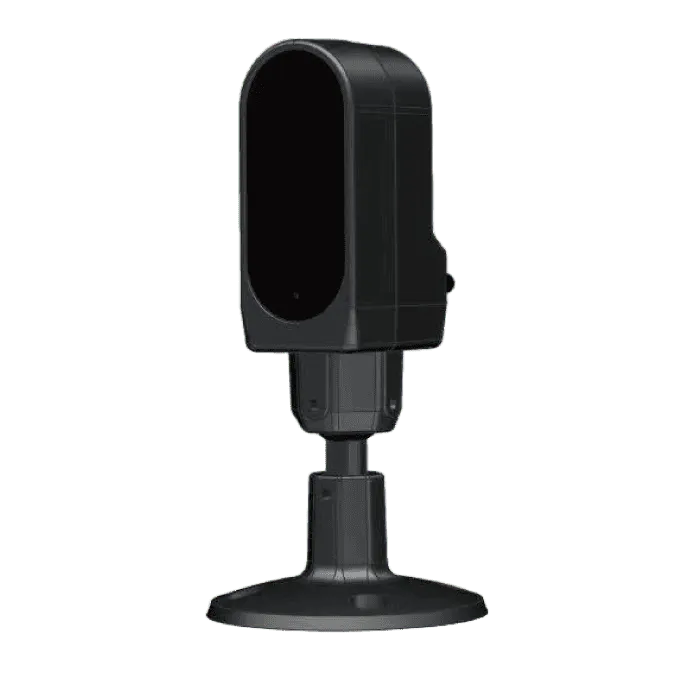
ST-26 DMS Driver-Monitoring AI Camera
DMS Driver-Monitoring AI Camera
A 720P in-cab camera with AI driver-monitoring (DMS). Detects fatigue, distraction, phone use, and smoking in real time, triggering in-cab audio alerts to keep drivers focused. Pairs with the ST-25 for full ADAS + DMS coverage.
Specs: 720P · IR Night Vision · Fatigue · Distraction · Phone · Smoking Detection
Windshield & In-Cab Dash Cameras
Reliable recording cameras for front-view and cabin coverage — from a dual-lens all-in-one to a compact discreet mini cam.
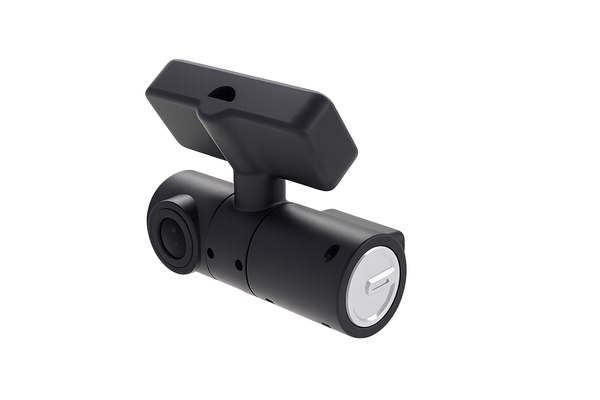
ST-20 Dual-Lens Windshield Cam
Dual-Lens Windshield Dash Cam
A windshield-mounted dual-lens dash camera recording both the road ahead and the cabin interior simultaneously. 720P/1080P AHD with 5 IR LEDs and a built-in microphone for audio recording. The all-in-one choice for fleets that need front and cabin coverage from a single mount.
Specs: 720P/1080P AHD · Dual Lens · 5 IR LEDs · Built-in Mic
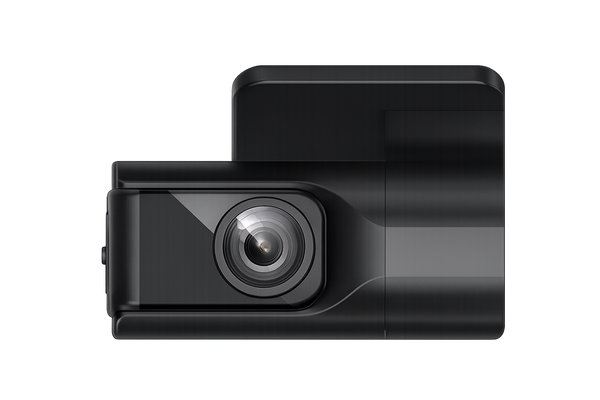
ST-27 Mini In-Cab Camera
Mini In-Cab Camera
A compact 1080P in-cab camera with a discreet mount for unobtrusive cabin recording. Ideal for passenger vehicles, taxis, and rideshare fleets where a low-profile camera is preferred without sacrificing full HD clarity.
Specs: 1080P · Compact · Discreet Mount
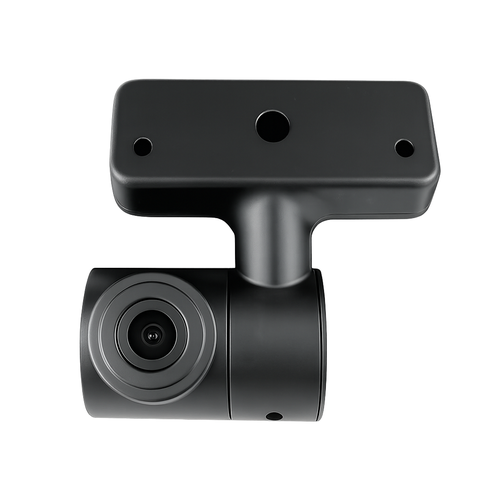
ST-21 Front-View Windshield Camera
Front-View Windshield Camera
A single-lens front-view windshield camera with a tilt-adjustable mount and 3.6mm lens for a clear, focused view of the road. 720P/1080P AHD recording. A straightforward, cost-effective forward recording solution for any fleet vehicle.
Specs: 720P/1080P AHD · Tilt-Adjustable · 3.6mm Lens
Standard Expansion Cameras
Rear, side, and interior expansion cameras with weather-sealed housings and IR night vision. Add to any ST-220, ST-240, or ST-280 system for full 360° coverage.
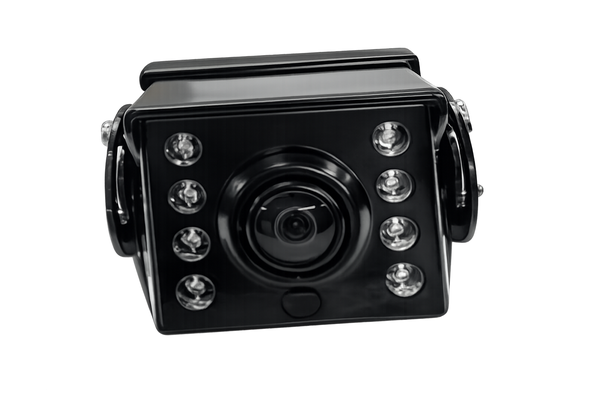
ST-22 Rear/Side Bracket Camera
Rear/Side Bracket Camera
A weather-sealed 1080P bracket-mounted camera for rear or side exterior coverage. 8 IR LEDs deliver clear night-vision recording. The go-to expansion camera for trucks, vans, and box trucks that need a rear or blind-side view.
Specs: 1080P · 8 IR LEDs · Weather-Sealed · Bracket Mount
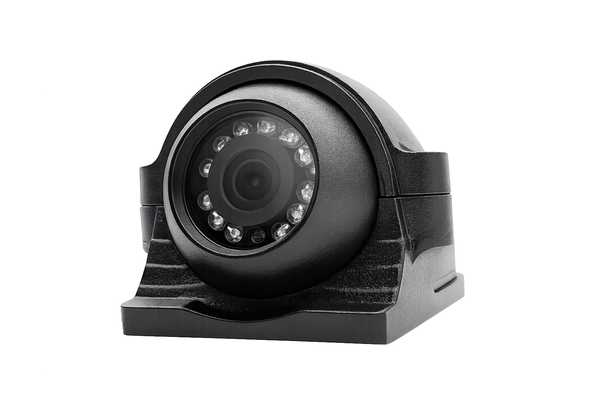
ST-23 Side View Dome Camera
Side View Dome Camera
A dome-style side view camera with 12 IR LEDs for blind-spot monitoring. Wide-angle coverage makes it ideal for lane-change safety on buses, box trucks, and wide vehicles. Weather-sealed for exterior mounting.
Specs: 12 IR LEDs · Blind-Spot Monitoring · Dome · Weather-Sealed
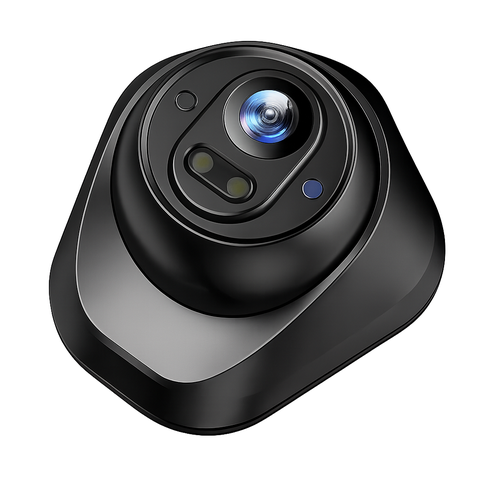
ST-24 Interior Dome Camera
Interior Dome Camera
An IR interior dome camera for full cabin visibility. The preferred choice for buses, transit, and paratransit vehicles that need complete passenger-area coverage. Discreet dome design with wide-angle IR recording.
Specs: IR Night Vision · Full Cabin Visibility · Dome · Buses/Transit
Compare All 8 Safety Track Cameras
|
|
|
|
|
|
|
|
|
|
|
|
|
|
|
|
|
|
|
|
|
|
|
|
|
|
|
|
|
|
|
|
|
|
|
|
|
|
|
|
✓ DMS, Fatigue, Distraction
|
|
|
|
|
|
|
|
|
|
|
|
|
|
|
|
|
|
|
|
|
|
|
|
|
|
|
|
|
|
|
|
|
|
|
|
|
|
|
|
|
|
|
|
-
Camera
-
ST-25
-
ST-26
-
ST-20
-
ST-21
-
ST-27
-
ST-22
-
ST-23
-
ST-24
-
Category
-
AI-Powered
-
AI-Powered
-
Dash Cam
-
Dash Cam
-
Dash Cam
-
Expansion
-
Expansion
-
Expansion
-
Resolution
-
1080P WDR
-
720P
-
720P/1080P AHD
-
720P/1080P AHD
-
1080P
-
1080P
-
1080P
-
1080P
-
Mount / Position
-
Windshield / Forward
-
In-Cab / Driver-Facing
-
Windshield / Dual Lens
-
Windshield / Forward
-
In-Cab / Discreet
-
Rear/Side / Bracket
-
Side / Dome
-
Interior / Dome
Works With Every Safety Track AI System
The 20-series cameras connect to Safety Track’s AI dash cameras and mobile DVRs. Choose the recording device that matches your fleet size and channel needs

ST-220
AI Dash Camera
Windshield-mounted dual-lens AI dash cam. Supports up to 2 expansion cameras from the 20-series lineup. Ideal for smaller vehicles and simple installs.
View ST-220 →
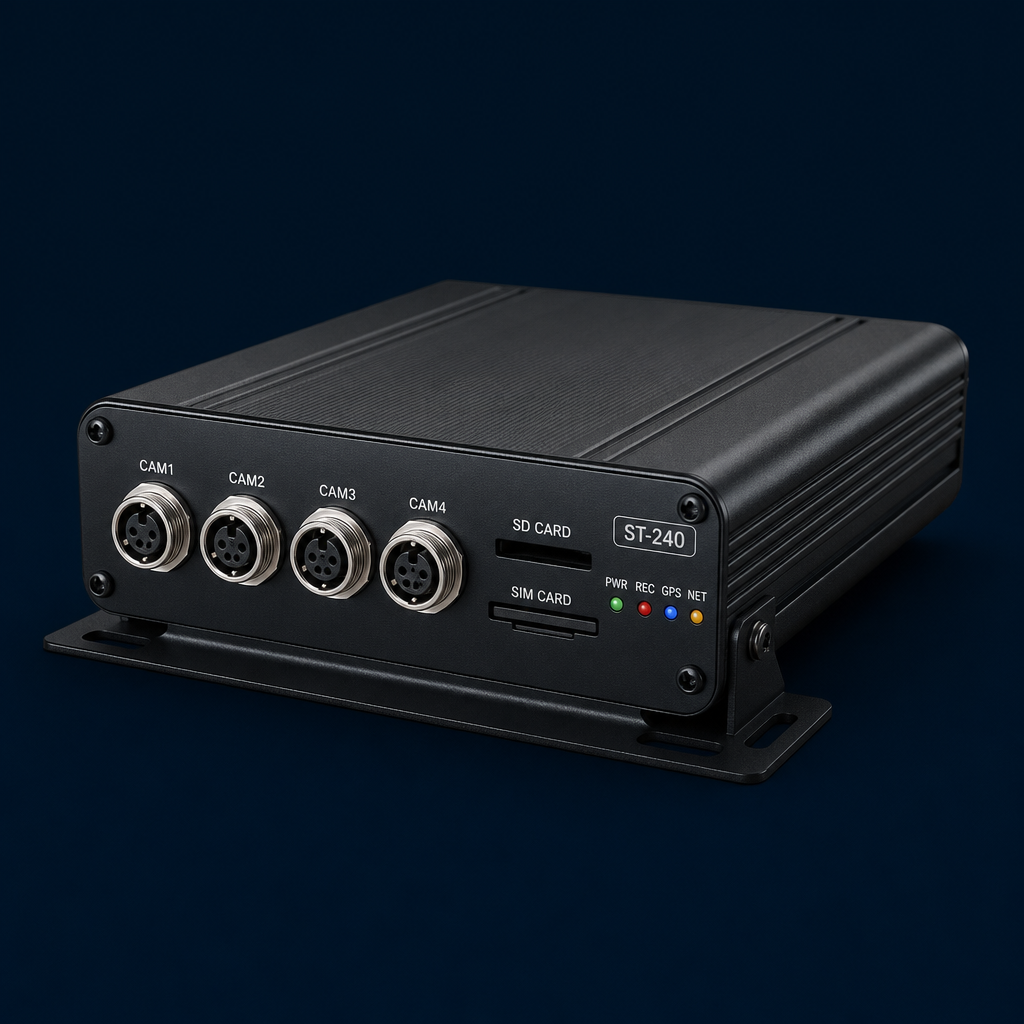
ST-240
4-Channel AI Mobile DVR
4-channel AI mobile DVR with 1TB SD storage. Connects up to 4 cameras from the 20-series lineup for mid-size fleet vehicles.
View ST-240 →
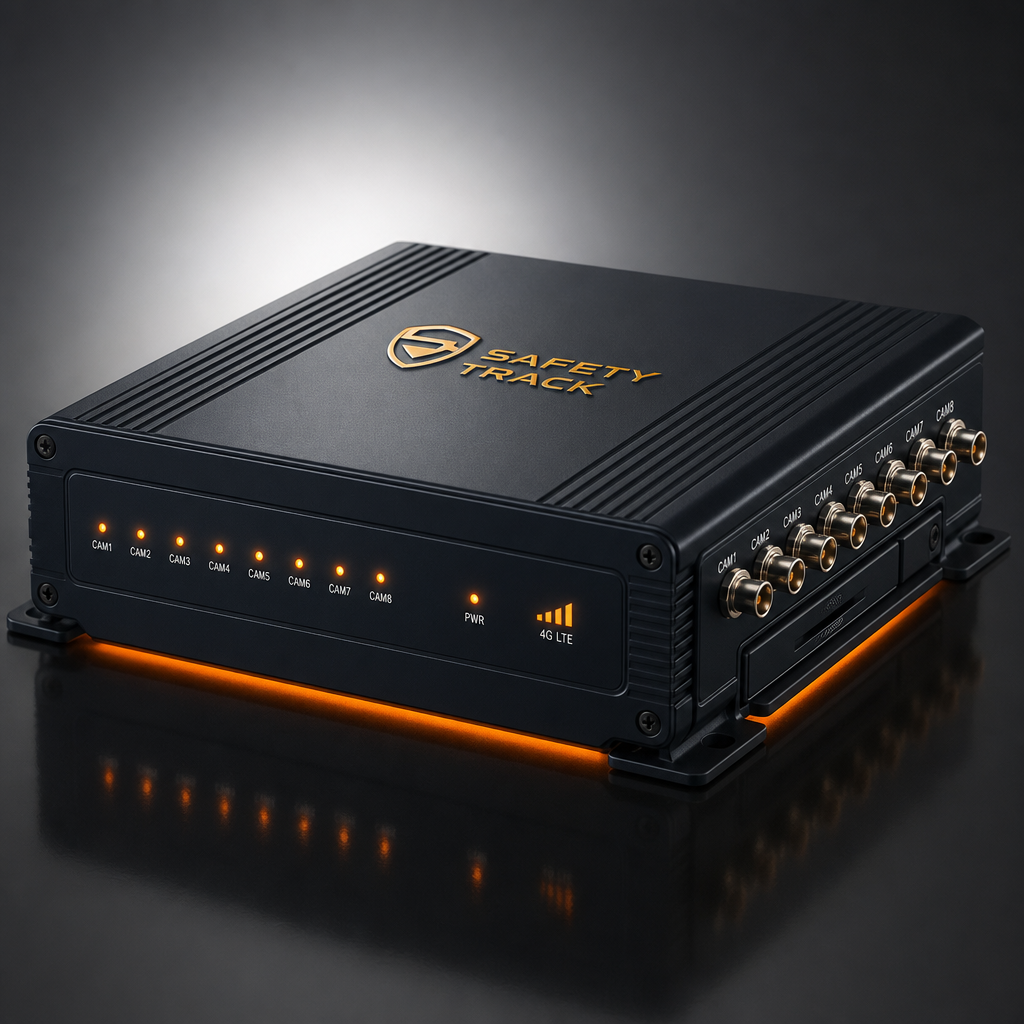
ST-280
8-Channel AI Mobile DVR
8-channel AI mobile DVR with 4TB HDD/SSD storage, dual-band Wi-Fi, and AES256 encryption. Supports the full 8-camera lineup for complete 360° coverage.
View ST-280 →
Camera Lineup Questions, Answered
The Safety Track 20-series lineup includes 8 in-vehicle cameras: ST-20 dual-lens dash cam, ST-21 front view cam, ST-22 rear/side bracket cam, ST-23 side view dome cam, ST-24 interior dome cam, ST-25 ADAS forward AI cam, ST-26 DMS driver-monitoring AI cam, and ST-27 mini in-cab cam. They span three categories: AI-Powered, Dash Cams, and Standard Expansion.
The ST-25 ADAS forward camera and the ST-26 DMS driver-monitoring camera include built-in AI. The ST-25 provides lane departure warnings and forward collision warnings, while the ST-26 detects driver fatigue, distraction, phone use, and smoking in real time. Learn more about Safety Track AI cameras →
Yes. Most cameras in the 20-series lineup include infrared (IR) LED night vision. The ST-20 has 5 IR LEDs, ST-22 has 8, ST-23 has 12, ST-24 has IR for cabin visibility, and ST-26 has IR for low-light driver monitoring.
For rear and side coverage use the ST-22 rear/side bracket camera (weather-sealed, 8 IR LEDs) or the ST-23 side view dome camera (12 IR LEDs, blind-spot monitoring). Both are designed for exterior mounting and work well on trucks, vans, and buses.
The ST-25 ADAS camera faces forward and monitors the road, providing lane departure warnings and forward collision warnings. The ST-26 DMS camera faces the driver and monitors behavior, detecting fatigue, distraction, phone use, and smoking. They are complementary and often deployed together for full ADAS + DMS protection.
The 20-series cameras are compatible with the ST-220 AI dash camera , ST-240 4- channel AI mobile DVR , and ST-280 8-channel AI mobile DVR . The number of cameras each device supports varies by channel capacity.
The ST-22 rear/side bracket camera and ST-23 side view dome camera are weather-sealed for exterior mounting. Interior cameras such as the ST-24 and ST-27 are designed for in-cabin use only.
Build Your Fleet Camera System
Talk to a Safety Track specialist about configuring the
right combination of 20-series cameras for your vehicles.
Request a Demo
data, information, fleet management, construction, manufacturing, train, global positioning system, vehicle, dashcam, fleet, fleet tracking, safetrack, insights, vehicle tracking, enable, devices, osha injury tracking application, chemical inventory tracking, injury tracking application osha, silicon carbide, adhesive, customer, sustainability, asset, javascript, pdf, safety data sheet, navigation, management, 4g, customer service, software, analytics, asset tracking, silicon, login, marketing, traffic, lte, visibility, cart, fuel, camera, newsletter, behavior, mobile app, education, technology, live streaming, cargo, insurance, communication, signs, data sheet safety, developers, company, app, protection, gps tracking, track safe, safety track, carbide, risk management, safety, password, cost, geofence, internet, android, smartphone, ios, bluetooth, airtag, sos, smartwatch, app store, button, device, cloudflare ray, geo fencing, speed, backpack, credit card, fee, panic button, transport, law, encryption, satellite, speed limit, law enforcement, laptop, safety tracking, tracker safe, gps tracker for safe, gps tracking device for safe, gun safe tracker, surveillance, access control, artificial intelligence, road, truck, mobile security, accident, crime, night vision, traffic light, police, infrared, enabled, display, fleet dash cam, remote video monitoring, driver monitoring, monitoring system, traffic monitoring cameras, camera systems, license, collision avoidance system, 1080p, theft, productivity, risk, intelligence, shoplifting, solar power, field of view, unit price, traffic flow, retail, sensor, tool, logistics, mobile phone, motion, solar panel, loitering, sd card, image, emergency, cctv camera for truck
Frequently Asked Questions
Can truck monitoring cameras reduce insurance claims?
Truck monitoring cameras can indeed reduce insurance claims by providing clear evidence during accidents, which helps verify liability and deter fraudulent claims. This can lead to lower premiums and increased overall safety for fleet operations.
How do truck monitoring cameras improve safety?
Truck monitoring cameras improve safety by providing real-time visibility into driver behavior and road conditions, enabling immediate responses to potentially dangerous situations and helping to deter unsafe practices through constant monitoring.
Can truck monitoring cameras be integrated with GPS?
Truck monitoring cameras can be integrated with GPS systems. This integration allows for real-time tracking and monitoring of fleet vehicles, enhancing safety and efficiency by providing valuable data on location and driver behavior.
Do truck monitoring cameras provide real-time video feeds?
Truck monitoring cameras offer real-time video feeds, allowing fleet managers to view live footage and monitor their vehicles effectively for enhanced safety and security.
Can truck monitoring cameras be installed on any vehicle?
Truck monitoring cameras can be installed on a variety of vehicles, not just trucks. Their design allows for flexible installation on different fleet vehicles, ensuring effective monitoring across your entire fleet.
How does real-time safety tracking enhance response time?
Real-time safety tracking enhances response time by providing immediate access to critical data, enabling fleet managers to monitor incidents as they occur. This instant insight facilitates quicker decision-making, leading to faster emergency response and improved overall safety.
What are the key features of a safety tracking system?
The key features of a safety tracking system include real-time GPS tracking, video surveillance integration, incident reporting capabilities, vehicle diagnostics, and robust data analytics, all designed to enhance fleet safety and efficiency.
What types of truck monitoring cameras are available?
The types of truck monitoring cameras available include dash cameras, rearview cameras, and 360-degree surround view cameras. These options provide enhanced visibility and safety, allowing fleet managers to monitor vehicle conditions and driver behavior effectively.
What features enhance truck monitoring camera effectiveness?
The features that enhance truck monitoring camera effectiveness include high-definition imaging for clear visuals, wide-angle lenses for extensive viewing, and advanced night vision capabilities for optimal monitoring in low-light conditions.
How do cameras improve driver accountability?
Cameras improve driver accountability by providing real-time visual evidence of driving behavior, allowing for better monitoring and evaluation. This visibility fosters responsible driving practices and helps identify areas for training and improvement.
What is the cost-benefit ratio of truck cameras?
The cost-benefit ratio of truck cameras indicates the value gained from investing in these systems relative to their cost. These cameras enhance safety, reduce liability, and can lead to lower insurance premiums, making them a wise investment for fleet management.
How do monitoring cameras detect unsafe driving?
Monitoring cameras detect unsafe driving by using advanced features such as real-time video analysis, G-sensors for sudden braking or acceleration, and alerts for risky behaviors like lane departures or distracted driving, ensuring fleet safety and accountability.
Are truck monitoring cameras easy to install?
Truck monitoring cameras are designed for easy installation, often featuring straightforward wiring and mounting systems that can typically be accomplished without professional help. Most users find the process quick and manageable, promoting efficient setup for fleet management.
What regulations apply to truck monitoring cameras?
The regulations that apply to truck monitoring cameras primarily involve compliance with privacy laws, data protection standards, and specific transportation safety regulations. Ensure that any footage captured adheres to local and federal guidelines regarding surveillance and data usage.
How often should truck cameras be maintained?
Truck cameras should be maintained regularly, ideally every three to six months, to ensure optimal performance and longevity. Routine checks help identify any issues, clean lenses, and confirm that cameras are functioning correctly for effective fleet monitoring.
Can truck cameras capture driver behavior analysis?
Truck cameras can effectively capture driver behavior analysis by recording actions such as acceleration, braking, and lane changes. This data helps fleet managers identify driving patterns and enhance safety measures.
What installation options are available for cameras?
The installation options available for in-vehicle cameras include professional installation services for optimal setup or DIY installation kits designed for easy mounting and configuration, allowing flexibility to meet your fleet’s specific needs.
How do cameras assist in accident investigations?
Cameras assist in accident investigations by providing crucial video evidence that captures the events leading up to and during the incident. This visual documentation helps in accurately reconstructing the accident scenario, clarifying liability, and supporting insurance claims.
What is required for optimal camera performance?
Optimal camera performance requires proper installation, regular maintenance, adequate lighting conditions, and compatible hardware to ensure clear imaging and effective monitoring in fleet management applications.
How do truck cameras integrate with fleet software?
Truck cameras integrate with fleet software by transferring video footage and data in real-time, allowing for seamless monitoring and analysis of driver behavior and vehicle performance, ultimately enhancing safety and operational efficiency.
What data do monitoring cameras collect?
Monitoring cameras collect various types of data, including real-time video footage, audio recordings, vehicle location, and environmental conditions. This information is essential for enhancing fleet safety and management efficiency.
How do monitoring cameras improve fleet efficiency?
Monitoring cameras significantly enhance fleet efficiency by providing real-time visibility into vehicle activities, improving driver accountability, reducing unauthorized use, and enabling proactive incident management, ultimately leading to optimized routing and reduced operational costs.
What advancements are there in truck camera technology?
Advancements in truck camera technology include high-definition imaging for clearer visuals, enhanced low-light performance, integrated AI for real-time alerts, and advanced connectivity options for live streaming and remote monitoring, significantly improving safety and operational efficiency.
How do cameras support compliance with regulations?
Cameras support compliance with regulations by providing clear documentation and evidence of driver behavior and vehicle operations. This visual data helps businesses adhere to safety guidelines, reduce liability, and meet industry standards effectively.
What resolution is ideal for truck monitoring cameras?
The ideal resolution for truck monitoring cameras typically ranges from 720p to 1080p. Higher resolutions provide clearer images, which are crucial for accurate monitoring and analysis during fleet operations.
Are truck monitoring cameras weatherproof?
Truck monitoring cameras are designed to be weatherproof, ensuring reliable performance in various environmental conditions. This feature allows for effective monitoring regardless of rain, snow, or extreme temperatures, making them ideal for fleet management.
How can truck cameras enhance route planning?
Truck cameras enhance route planning by providing real-time visibility of traffic conditions, road hazards, and driver behavior, enabling more informed decision-making and optimizing routes for safety and efficiency.
What types of incidents can cameras record?
Cameras can record a variety of incidents, including accidents, harsh driving behavior, vehicle theft, and unauthorized access, as well as serving as evidence in disputes and providing real-time monitoring for enhanced fleet safety.
What user interface features are essential for cameras?
Essential user interface features for cameras include intuitive navigation, clear display settings, customizable controls, easy access to live monitoring, and quick response buttons for recording and playback, enhancing usability for effective fleet management.
How do cameras facilitate driver training programs?
Cameras facilitate driver training programs by providing real-time feedback and recorded footage that enhance learning. They allow trainers to identify areas of improvement, improve driving behaviors, and ensure adherence to safety protocols in a practical, visual manner.
safety tracking, dvr for truck cameras, mobile dvr camera, truck monitoring cameras, safety track, fleet surveillance camera, vehicle cctv, mobile dvr for vehicles, safety track system, safety tracker, vehicle mounted industrial cctv systems, safety track login, fleet backup cams amarillo tx, Essential Guide to Selecting In-Vehicle Cameras for Fleet Management, In-Vehicle cameras are essential in fleet management and monitoring, fleet dash cams amarillo tx, fleet security cameras, vehicle tracking camera, fleet video monitoring, in vehicle monitoring system, vehicle fleet cameras, vehicle camera solutions, fleet camera systems
Key Features of In-Vehicle Cameras
In-vehicle cameras are equipped with advanced features that enhance their functionality and usability for fleet management. These features include high-definition imaging, wide-angle lenses, and night vision capabilities, ensuring clear visibility in various driving conditions.
For instance, models like the ST-10C and ST-11C provide 1080P resolution and a wide view angle, allowing fleet managers to monitor driver behavior and road conditions effectively. Additionally, the inclusion of infrared lenses in certain models enables nighttime recording, which is crucial for safety and incident verification.
Comparative Analysis of Camera Models
When selecting an in-vehicle camera, it is essential to compare different models based on their specifications and intended use. Safety Track offers several models, each designed to meet specific needs, such as interior monitoring or external visibility.
The ST-12C, for example, is designed for rear-view monitoring with an external weatherproof camera, while the ST-13C is ideal for flush mounting in larger vehicles like buses or trailers. Understanding these differences helps customers choose the right camera for their fleet's unique requirements.
Benefits of Using In-Vehicle Cameras for Fleet Management
In-vehicle cameras provide numerous benefits that significantly impact fleet management efficiency and safety. They aid in monitoring driver behavior, reducing incidents of distracted driving, and improving overall road safety.
For example, the implementation of cameras has been shown to protect companies against false claims and liability issues. Fleet Manager Pedro Alves noted that the cameras help track down responsible parties in hit-and-run incidents, thus safeguarding the company’s interests and assets.
Installation and Maintenance of In-Vehicle Cameras
Proper installation and maintenance of in-vehicle cameras are crucial for optimal performance and longevity. Fleet managers should ensure that cameras are installed in appropriate locations to maximize visibility and effectiveness.
Regular maintenance checks, including cleaning lenses and ensuring that the camera is securely mounted, can prevent issues that might affect recording quality. Additionally, software updates may be necessary to enhance features and security, ensuring that the fleet remains well-monitored at all times.


