
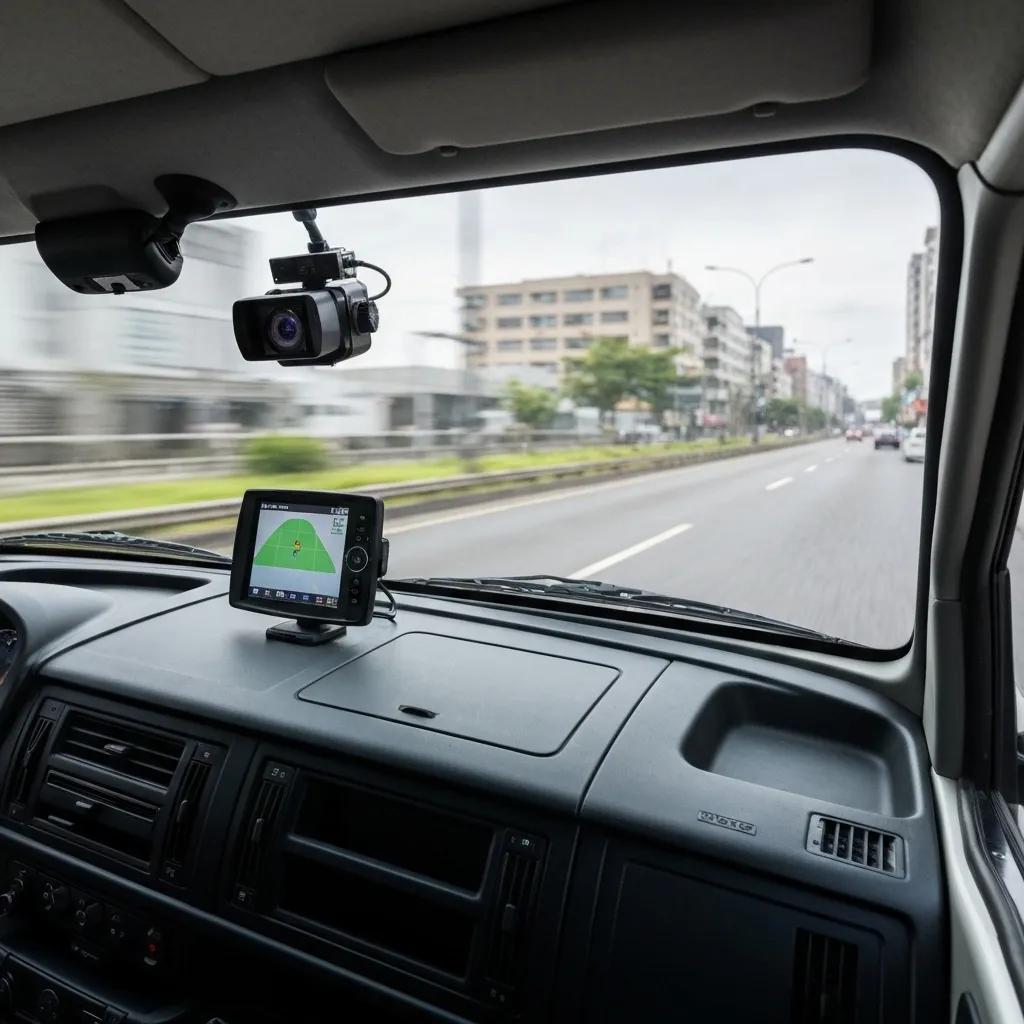
Elevate Driver Training with GPS & Camera Solutions
Improving Fleet Safety Through Advanced Driver Training Programs
Over 90% of commercial vehicle accidents stem from human error, exposing fleets to skyrocketing costs and safety risks.
Why Human Error Causes 90% of Car Accidents
Studies consistently show that human error is a predominant factor in motor vehicle accidents. Research, including data from the National Highway Traffic Safety Administration (NHTSA), indicates that approximately 94% of all car accidents are attributable to driver error, encompassing issues like inattention, distraction, and excessive speed.
This research directly supports the article’s assertion that a vast majority of commercial vehicle accidents stem from human error, underscoring the critical need for advanced driver training.
A data-driven Fleet Driver Training Platform that combines real-time GPS tracking and AI-powered in-cab cameras transforms passive monitoring into proactive coaching. In this guide, you’ll discover why advanced driver training is essential, how GPS tracking and video telematics forge safer driving habits, the mechanics of integrated coaching workflows, measurable ROI improvements, implementation best practices, and emerging technology trends in AR/VR and AI.
Why Is Advanced Driver Training Essential for Modern Fleets?
Advanced driver training delivers targeted skill enhancement by leveraging telematics and video analytics instead of generic classroom lessons. It reduces preventable collisions, slashes liability exposure, and fosters a culture of continuous improvement. For example, fleets using integrated platforms report up to 40% fewer speeding incidents in one year, illustrating how precision coaching eclipses broad, one-size-fits-all approaches and sets the stage for GPS-camera synergy.
What Are the Costs of Poor Driver Behavior and Accidents?
Poor driving behavior generates direct costs—vehicle damage, legal fees, higher insurance premiums—and indirect losses such as downtime and reputational harm. A single at-fault accident can add tens of thousands of dollars in repair bills and regulatory fines. These financial impacts underscore the need for precise interventions that address root causes, not just symptoms, leading into a deeper look at road safety training shortfalls.
How Do Traditional Driver Training Methods Fall Short?
Conventional methods rely on periodic seminars and anecdotal feedback, which often fail to capture real-world patterns like fatigue or distraction. Without objective telematics data or video evidence, coaching remains reactive and generalized. This gap creates a false sense of safety and highlights why modern fleets must adopt technologies that record, analyze, and coach continuously.
How Can Integrated GPS and Camera Solutions Transform Driver Training?
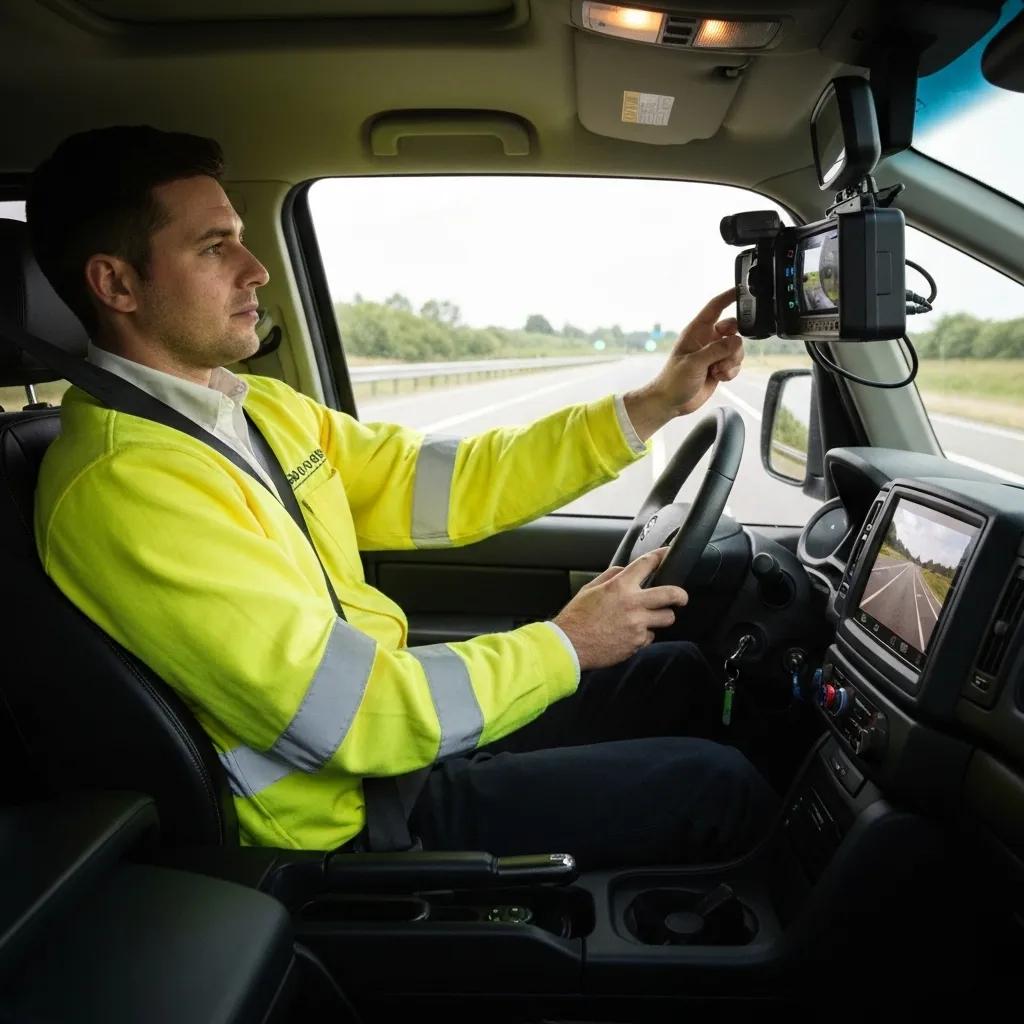
Integrated GPS and camera solutions merge location, speed, and behavior footage into a unified driver profile, enabling precise, personalized coaching. GPS data pinpoints harsh braking zones while in-cab cameras capture driver reactions, creating a feedback loop that promotes self-correction. This holistic approach elevates training effectiveness by aligning real-time performance with actionable insights.
How Do GPS Tracking Systems Improve Driver Performance and Compliance?
GPS tracking systems enhance visibility into every trip, ensuring drivers adhere to optimized routes and compliance standards. By continuously monitoring position, speed, and idle time, these platforms identify risky patterns requiring focused coaching. Fleets leveraging route optimization and geofencing achieve tangible efficiency gains, proving that telematics data is foundational for driver performance management.
What Is Real-Time GPS Monitoring and Route Optimization?
Real-time GPS monitoring provides minute-by-minute location updates, allowing dispatchers to reroute vehicles around traffic or hazards instantly. Route optimization algorithms analyze historical trip data to suggest fuel-efficient paths and avoid risky areas. This capability not only improves on-time delivery rates but also reduces stress on drivers by minimizing congestion and deviation.
How Does Geofencing Support Driver Compliance and Safety?
Geofencing establishes virtual boundaries tied to speed limits, restricted zones, and customer sites. When a vehicle enters or exits a geofenced area, the system generates alerts that prompt drivers to adjust behavior or document approvals. This mechanism enforces compliance with safety policies and regulatory mandates, creating clear accountability and reducing unauthorized detours.
How Can Speed Monitoring and Alerts Prevent Risky Driving?
Speed monitoring tracks velocity against preset thresholds and issues in-cab warnings or follow-up notifications to fleet managers. Immediate feedback encourages self-correction and discourages habitual speeding. Over time, consistent alerts reinforce safer habits, driving measurable reductions in speeding events and related collision claims.
How Does Telematics Data Analyze Driving Patterns for Training Needs?
Telematics collates data on acceleration, braking, cornering, and idle times to reveal high-risk patterns such as harsh maneuvers or excessive idling. Advanced analytics group these events by driver and route, highlighting individual training needs. This data-driven approach targets specific behaviors, ensuring coaching sessions address the most critical safety gaps.
By understanding how GPS feeds actionable data into training cycles, fleets prepare to integrate camera insights for a complete safety picture.
What Are the Benefits of In-Cab Camera Solutions and Video Telematics?
In-cab cameras capture driver behavior, road conditions, and incident context, supplying the evidence needed for objective coaching and liability defense. Video telematics bridges the gap between raw GPS data and human factors by visually validating risky actions. Together, these insights drive a proactive safety culture that goes beyond reactive reviews of collision footage.
How Do AI-Powered Dash Cams Detect Distracted and Risky Driving?
AI-powered dash cams analyze facial landmarks, hand positions, and gaze direction to detect distractions such as phone use, smoking, or reaching away from the wheel. When risky behaviors are identified, the system issues real-time audio warnings, promoting immediate self-correction. This combination of machine vision and in-cab alerts boosts driver awareness and cuts distraction-related incidents.
Advanced AI dash cameras are highly effective in mitigating risky driving behaviors through proactive in-cab alerts. A recent pilot study demonstrated that the voice coaching feature of an AI dash cam led to a 90% reduction in tailgating and a 95% reduction in phone use among drivers.
This research validates the article’s discussion on how AI-powered dash cams detect and help correct distracted and risky driving, contributing to immediate self-correction and improved safety.
How Do Driver-Facing Cameras Monitor Fatigue and Distraction?
Driver-facing cameras track eyelid closure rates, yawning frequency, and head nods to assess fatigue levels. Advanced models combine these metrics with drowsiness detection algorithms that adapt to individual driver baselines. By alerting drivers and managers, the system prevents microsleeps and maintains vigilance on long hauls.
How Does Incident Video Recording Support Liability and Compliance?
Incident recording stores pre- and post-event video, offering irrefutable proof of accident context. This footage supports insurance claims, legal disputes, and regulatory audits by contextualizing driver actions against environmental factors. Objective video evidence enhances compliance documentation and protects fleets from unwarranted liability.
What Is Event-Triggered Video and How Does It Enhance Coaching?
Event-triggered video automatically captures short clips when sensors detect harsh braking, sharp turns, or collision forces. Coaches review these precise moments to illustrate specific behaviors and provide targeted feedback. This focused approach accelerates driver learning by linking corrective guidance to real incidents.
Video telematics completes the data-driven feedback loop, enabling seamless transition into integrated coaching workflows.
How Does Integrated Driver Coaching Improve Behavior and Safety?
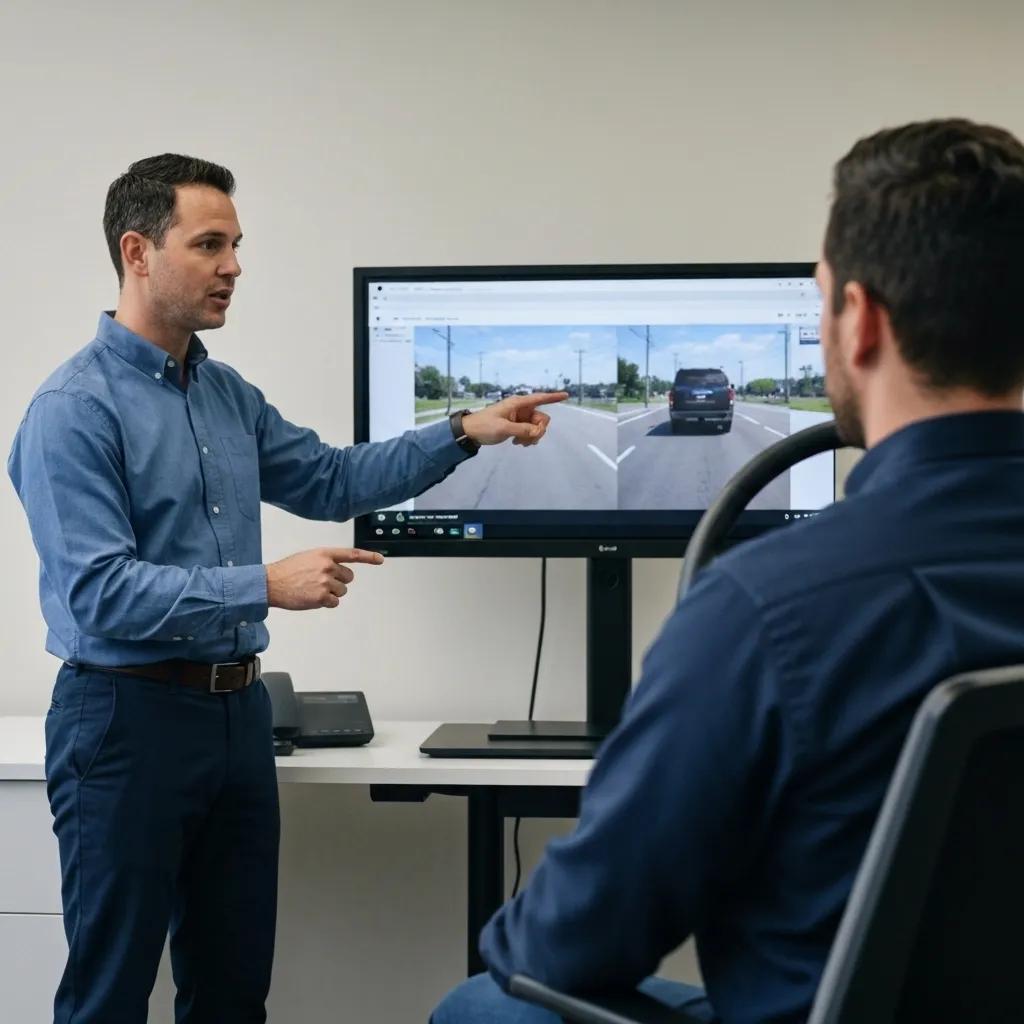
Integrated driver coaching transforms raw GPS and camera data into structured training sessions, leveraging real-time alerts, scorecards, and manager-led reviews. By synthesizing telematics and video, a Fleet Driver Training Platform delivers personalized development plans and continuous performance tracking, promoting consistent skill improvement.
What Are Real-Time In-Cab Alerts and Self-Correction Benefits?
Real-time alerts notify drivers of behaviors such as speeding, harsh braking, or lane departure as they occur. This immediate feedback encourages self-correction, reinforcing safer habits without waiting for post-trip reviews. Over time, drivers internalize best practices, reducing the frequency of alerts and cultivating proactive risk awareness.
How Do Manager-Led Video Coaching Workflows Enhance Training?
Manager-led workflows assign recorded video clips to safety coaches, who annotate incidents and schedule one-on-one feedback sessions. This personalized approach addresses each driver’s unique improvement areas and fosters accountability. Collective insights from these sessions shape broader training programs, aligning individual performance with fleet safety goals.
How Are Driver Scorecards and Performance Analytics Used?
Driver scorecards aggregate telematics and video-based event counts into quantifiable metrics like safe-driving percentage and incident rates. Performance analytics track trends over time, highlighting improvement or regression. Public leaderboards and targeted coaching interventions motivate drivers to meet defined safety benchmarks.
How Can Gamification Boost Driver Engagement and Safety Culture?
Gamification introduces competitive elements—points, badges, and milestone rewards—to driver coaching programs. Structured challenges around metrics such as fuel-efficient driving or zero-incident weeks drive engagement. This behavioral incentive framework strengthens safety culture by rewarding positive outcomes and peer recognition.
Integrated coaching bridges data insights with human interaction, setting the stage for measurable benefits that span safety and cost metrics.
What Are the Tangible Benefits of GPS & Camera Driver Training Solutions?
Integrated GPS and camera platforms deliver clear operational and financial returns through accident reduction, cost savings, and cultural improvements. By tackling the root causes of risky behavior, fleets experience sustained safety gains and streamlined processes that improve both the bottom line and driver satisfaction.
How Do These Solutions Reduce Accident Rates and Insurance Premiums?
By detecting and correcting risky behaviors before incidents occur, fleets reduce collision frequency and severity. Lower claim volumes translate to better insurance premiums and predictable budgeting. Many organizations report premium decreases of 10–20% within the first year of adopting continuous monitoring and coaching.
How Is Fuel Efficiency and Maintenance Cost Improved?
Optimized routing reduces unnecessary mileage while encouraging smoother driving habits cuts fuel consumption. Fewer harsh maneuvers also decrease brake and tire wear, extending service intervals. Combined telematics insights can yield up to 15% fuel savings and a 20% reduction in maintenance expenses.
ROI of Fleet Telematics: Calculating Long-Term Value Beyond Fuel Savings
Implementing fleet telematics solutions can lead to significant financial and operational benefits. Optimized routing and reduced idling can decrease fuel expenses by 10-15%, while predictive maintenance capabilities can reduce maintenance costs by 20-30%. Additionally, fleets utilizing telematics and dash cameras may see insurance premium reductions of up to 25%.
How Do These Technologies Enhance Driver Accountability and Morale?
Objective data and video evidence create transparent performance evaluations, ensuring fair coaching and recognition. When drivers see concrete metrics that reflect improvements, morale rises and turnover declines. A balanced approach of accountability and reward builds trust and long-term engagement.
How Can Fleets Successfully Implement GPS & Camera Driver Training Programs?
Effective implementation requires choosing solutions that integrate seamlessly with existing operations, securing driver buy-in, and demonstrating quick wins. A phased rollout—starting with pilot routes and focused coaching—lays a strong foundation for broader adoption and continuous improvement.
What Should You Consider When Choosing an Integrated Solution?
Assess interoperability with current fleet management software, scalability to your vehicle count, and customization options for coaching workflows. Prioritize solutions offering unified dashboards that synthesize GPS, telematics, and video data. Ease of installation and driver interface simplicity ensure minimal disruption.
How Can You Address Driver Buy-In and Privacy Concerns?
Communicate the benefits—safer roads, fair evaluations, and potential incentive rewards—to drivers from day one. Establish clear data-use policies and permit drivers to review footage before coaching sessions. Transparency builds trust and reduces resistance to monitoring technologies.
How Do You Integrate GPS and Camera Systems with Existing Fleet Software?
Select platforms offering open APIs and pre-built connectors for your telematics provider and dispatch system. Coordinate with IT teams to map data schemas and configure single sign-on for seamless access. Well-documented integration accelerates deployment and ensures data consistency across applications.
What Are Examples of Successful Case Studies and ROI Metrics?
In a regional delivery fleet, deploying an integrated system led to a 35% drop in harsh braking events and a 12% reduction in fuel costs within six months. A construction transport operator achieved a 25% decrease in preventable collisions and a 15% insurance premium cut by combining AI dash cams and targeted coaching.
What Are the Future Trends in Driver Training Technology?
Emerging technologies promise to further personalize training, anticipate risks, and immerse drivers in simulated environments. Fleets that stay ahead of these innovations will unlock deeper safety gains and operational efficiencies, maintaining a competitive edge in a rapidly evolving market.
How Will AI and Machine Learning Advance Driver Safety?
AI models will predict accident risk by correlating real-time sensor feeds with historical incident data, enabling preemptive alerts. Personalized learning algorithms will tailor coaching content based on each driver’s performance profile. These capabilities shift training from reactive to predictive safety management.
What Role Will Augmented Reality (AR) and Virtual Reality (VR) Play in Training?
AR overlays will guide drivers through real-world routes with visual cues for speed, following distance, and hazard zones, enhancing situational awareness. VR simulators will recreate complex traffic scenarios in a safe environment, allowing novice drivers to practice defensive techniques before hitting the road. These immersive tools deepen understanding and retention of safe-driving practices.
Driving towards a safer, more efficient future depends on integrating GPS precision with AI-driven video insights. By adopting a comprehensive Fleet Driver Training Platform, organizations not only reduce accidents and costs but also foster a culture of continuous improvement and accountability. The next leap in driver training will leverage predictive analytics and immersive experiences, ensuring fleets remain at the forefront of safety and performance.
Frequently Asked Questions
1. What specific metrics can GPS and camera solutions provide for driver training?
GPS and camera solutions can provide a range of metrics that enhance driver training, including speed adherence, harsh braking instances, lane departures, and idling times. These insights are collected through real-time monitoring and analyzed to generate actionable reports. By synthesizing this data, fleet managers can identify specific training needs and customize coaching strategies, ultimately leading to improved safety performance and reduced accident rates.
2. How do in-cab coaching alerts differ from traditional driver training feedback?
In-cab coaching alerts deliver immediate feedback to drivers about their behaviors while they’re on the road, such as speeding or harsh braking. This real-time intervention contrasts sharply with traditional training methods, which often rely on periodic reviews and post-trip discussions. The immediacy of in-cab alerts helps drivers correct unsafe behaviors instantly, reinforcing safe driving habits and significantly reducing the likelihood of accidents.
3. How can fleets ensure that drivers are receptive to GPS and camera technologies?
Fleets can enhance driver receptiveness to GPS and camera technologies by clearly communicating the intended benefits, such as improved safety, fairer evaluations, and potential reward systems. Providing demonstrations, addressing privacy concerns transparently, and allowing drivers to review footage fosters an environment of trust. Engaging drivers in the implementation process can also help mitigate resistance and encourage buy-in for these technologies.
4. What role does data analytics play in enhancing driver performance?
Data analytics plays a crucial role in enhancing driver performance by translating raw data into meaningful insights. By analyzing driving patterns—such as speed, braking, and acceleration—analytics helps identify areas for improvement tailored to individual drivers. This targeted approach ensures that training is relevant and effective, ultimately leading to safer driving practices and post-trip reviews that are better informed.
5. Can integrated driver training programs influence company culture?
Yes, integrated driver training programs can significantly influence company culture by promoting safety, accountability, and continuous improvement. By implementing a comprehensive system that emphasizes the importance of safe driving behaviors and recognizes improvements through performance metrics, fleets cultivate a culture where safety is valued, leading to higher morale among drivers and potentially reducing turnover rates.
6. What are some challenges fleets may face during implementation?
Fleets may encounter various challenges during implementation, such as resistance from drivers due to privacy concerns or reluctance to adopt new technologies. Additionally, integrating new GPS and camera solutions with existing fleet management systems can be technically complex. Ensuring adequate training, effective communication regarding the benefits, and providing technical support are vital to overcoming these hurdles and achieving successful implementation.
7. How does ongoing support enhance the effectiveness of driver training programs?
Ongoing support enhances the effectiveness of driver training programs by providing continuous access to resources, coaching, and performance evaluations. Regular feedback sessions help maintain engagement and accountability among drivers. Additionally, continuous analysis of data allows for the adaptation of training programs based on evolving needs, ensuring that drivers remain informed and skilled in safe driving practices, adapting to new challenges as they arise.
Conclusion
Integrating GPS and camera solutions significantly enhances driver training, leading to fewer accidents and lower operational costs. These technologies not only improve safety but also foster a culture of accountability and continuous improvement among drivers. By adopting an integrated approach, fleets can experience measurable improvements in performance and compliance. Discover how our comprehensive solutions can transform your fleet’s safety culture today.

Tyler Schneider is the IT Director at Safety Track, overseeing the company’s technological infrastructure and innovations. With a strong background in information technology and systems management, Tyler ensures that Safety Track stays at the forefront of tech solutions in fleet management. His strategic expertise supports the seamless integration of technology across the company’s operations.