
Protecting Your Fleet After Hours with Remote Video Access
Fleet operations do not stop when the workday ends. After hours, your vehicles and equipment remain vulnerable to theft, vandalism, and unauthorized use. With remote fleet video access, fleet managers can maintain security and oversight no matter the time. This technology offers 24/7 visibility, enabling immediate response to suspicious activity. In today’s competitive market, securing your fleet after hours is just as important as managing it during the day.
This guide explains how remote fleet video access works, its benefits, and how it integrates with live monitoring and fleet video alerts. We will also discuss how to choose the right system for your business.
Understanding Remote Fleet Video Access
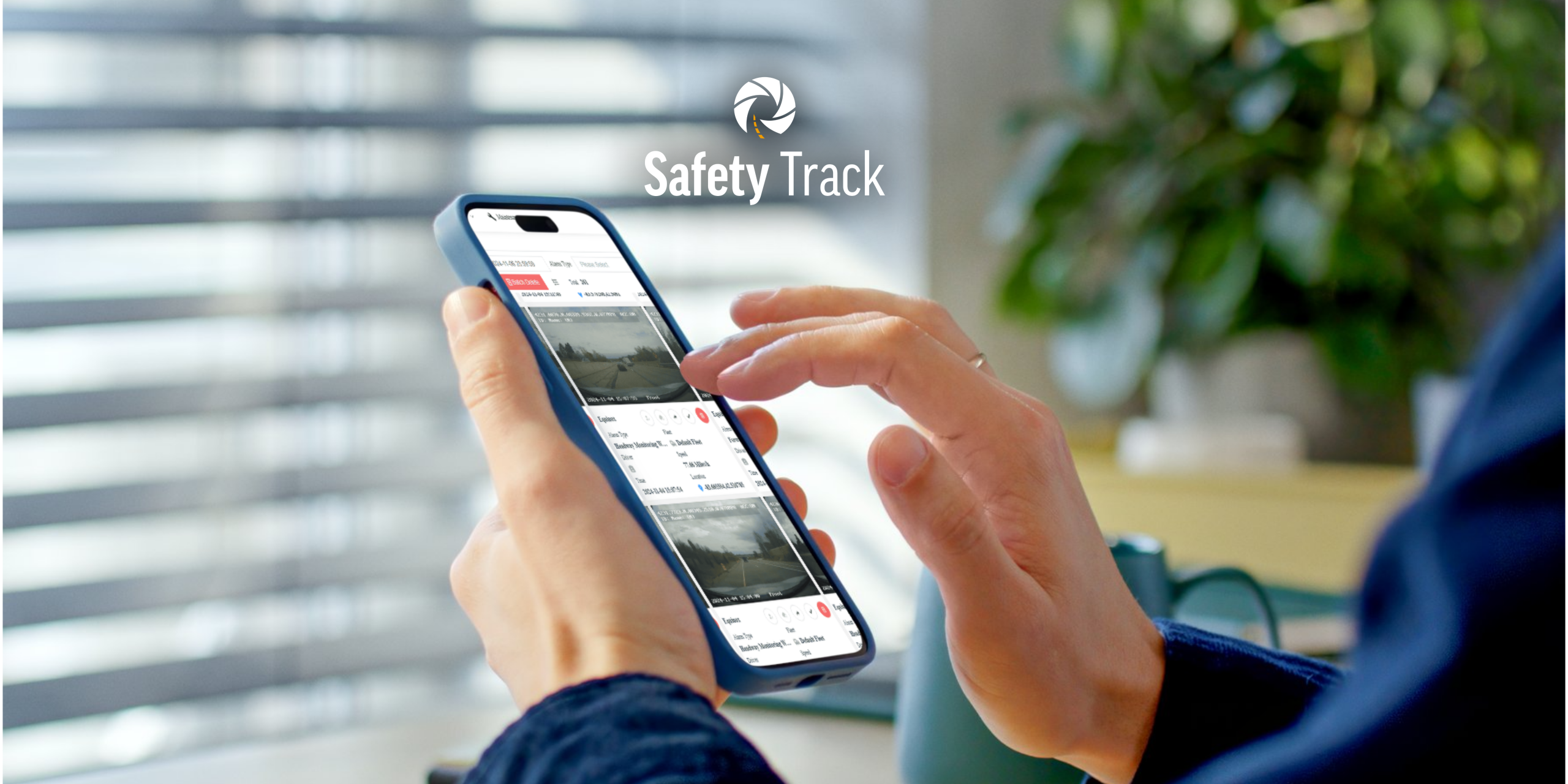
Remote fleet video access allows you to view live and recorded video from your fleet vehicles using a secure online platform. You can access camera footage through a computer, tablet, or smartphone. This capability ensures you can monitor vehicles even when they are parked off-site or left in remote areas.
Unlike basic dash cams, these systems connect through cellular or Wi-Fi networks. This connectivity enables real-time streaming, video downloads, and incident alerts. The technology is designed for both fleet safety and asset protection, providing continuous visibility.
Why After-Hours Protection is Essential
Fleet security challenges do not end when your drivers clock out. Many incidents happen at night or during weekends when vehicles sit unattended. These risks include theft of the vehicle itself, stolen parts, and fuel siphoning.
Vandalism is another growing concern. Graffiti, broken windows, and damaged equipment can lead to costly repairs and downtime. With remote fleet video access, you can catch incidents as they happen, not hours later.
Early detection prevents small issues from becoming major problems. When paired with live monitoring, suspicious movements trigger instant fleet video alerts, prompting rapid intervention.
The Role of Live Monitoring in Fleet Security
Live monitoring is the backbone of after-hours fleet protection. By streaming real-time footage from your vehicles, you gain the ability to verify threats instantly. You do not need to rely on outdated or incomplete reports.
With the right system, you can see multiple vehicles on one screen. This makes it easier to track the status of your entire fleet. If an unauthorized person approaches a vehicle, you can confirm the situation within seconds.
When live monitoring is combined with fleet video alerts, your response time improves dramatically. This pairing gives you the tools to notify law enforcement quickly or dispatch security personnel to the scene.
How Fleet Video Alerts Enhance Response Time
Fleet video alerts notify you immediately when the system detects unusual activity. These alerts can be triggered by motion sensors, door access attempts, or engine starts outside approved hours.
The alert includes a time-stamped video clip or live link. This lets you review the footage instantly without searching through hours of recordings. You can then decide the best course of action based on the evidence.
When alerts and remote fleet video access work together, you minimize the time between detection and response. This rapid decision-making is essential for preventing theft and damage.
Reducing Theft and Unauthorized Use
One of the main reasons companies invest in remote fleet video access is to prevent vehicle theft. Stolen fleet vehicles can cost thousands in recovery efforts and lost productivity. In some cases, they are never recovered.
The system also helps prevent unauthorized use by employees or outsiders. For example, if a vehicle moves during off-hours, the system records and transmits the activity immediately. You can review the footage and take necessary action.
The knowledge that vehicles are under constant surveillance acts as a strong deterrent. Criminals are less likely to target a fleet with visible cameras and advanced monitoring systems.
Protecting Cargo and Equipment
Many fleets carry valuable cargo or attach expensive equipment to their vehicles. Construction tools, generators, and trailers are prime targets for theft. With remote fleet video access, you can ensure this equipment stays secure even when no one is around.
If cargo doors are opened after hours, the system can send a fleet video alert. You can then review the footage to confirm if it is an authorized delivery or a theft attempt. This level of control helps reduce loss and insurance claims.
Cost Savings Through Prevention
While the initial cost of remote fleet video access systems can be significant, the long-term savings often outweigh the expense. Preventing a single theft or major vandalism incident can cover the cost of installation.
Insurance premiums may also be reduced for fleets with advanced monitoring systems. Many providers offer discounts for proven security measures.
Downtime is another major cost factor. With fewer incidents, vehicles spend more time in service and less time in repair shops. This leads to higher productivity and profitability.
Integration with Existing Fleet Management Systems
Modern remote fleet video access solutions can integrate with other fleet management tools. This means you can access video alongside GPS tracking, driver behavior reports, and maintenance logs.
When paired with telematics, the system can trigger video recordings based on location, speed, or driver actions. For instance, sudden braking or rapid acceleration could automatically save video clips for review.
Integrations improve workflow by keeping all your fleet data in one platform. This reduces the need to switch between multiple systems and makes decision-making faster.
Choosing the Right Remote Fleet Video Access System
Not all systems offer the same features, so careful selection is important. Key factors to consider include:
-
Video quality – Clear footage is essential for identifying people and events.
-
Connectivity – Look for systems with reliable cellular or Wi-Fi access.
-
Storage options – Choose between cloud storage, onboard recording, or a combination.
-
Scalability – Ensure the system can grow with your fleet.
-
User interface – A simple, intuitive dashboard saves time during emergencies.
It is also important to choose a provider with strong technical support. A system is only effective if it is working properly at all times.
Best Practices for Maximizing Security
Even with remote fleet video access, certain practices can strengthen after-hours protection. Start by ensuring all vehicles are parked in well-lit areas. Good lighting complements video footage and discourages intruders.
Consider combining video access with physical barriers such as gates and locks. Layered security makes it harder for criminals to succeed.
Regularly review system footage and settings. This ensures cameras are positioned correctly and recording in optimal conditions. Test alerts to confirm they are delivered promptly.
Using Video Evidence for Investigations
When incidents occur, remote fleet video access provides clear, time-stamped evidence. This footage can be shared with law enforcement to aid investigations.
Video evidence also helps resolve disputes with customers or third parties. For example, if damage occurs during a delivery, footage can confirm whether it happened on your watch.
In legal situations, high-quality video can prevent costly claims or protect your company’s reputation.
Improving Driver Accountability
While the main focus is after-hours security, remote fleet video access also improves driver accountability. Knowing that actions are recorded encourages safe and responsible behavior.
If a vehicle is used after hours, you can verify whether it was an authorized trip or a policy violation. This oversight reduces risk and ensures compliance with company rules.
Future Trends in Fleet Video Technology
The future of remote fleet video access includes advanced analytics and AI-powered alerts. These technologies can detect unusual patterns and predict potential threats.
For example, systems could learn normal activity patterns for each vehicle. When deviations occur, they could send more precise fleet video alerts.
Integration with mobile apps will also improve, making it easier to access footage on the go. Cloud storage will continue to expand, allowing for longer video retention without large hardware investments.
Final Thoughts on After-Hours Protection
Protecting your fleet after hours requires more than locked doors and security lights. With remote fleet video access, you maintain control and visibility no matter the time or location.
Pairing this technology with live monitoring and fleet video alerts ensures rapid response to any incident. The combination deters criminals, reduces losses, and keeps operations running smoothly.
By investing in the right system, you safeguard not just your vehicles but also your cargo, reputation, and bottom line.

Hannah Lang is a Social Media Marketing Specialist at Safety Track. She has her bachelor’s degree in Advertising and Public Relations from Grand Valley State University. With her passion for research, Hannah possesses a wealth of knowledge expanding across multiple industries and disciplines. Her efforts won her a Scholastic Art and Writing regional Gold Key award.