

How Fleet Telematics Helps Monitor and Protect Heavy Equipment
Heavy equipment plays a critical role in construction, utilities, mining, agriculture, and infrastructure projects. These machines drive productivity, yet they also represent some of the most expensive and vulnerable assets in any operation. As fleets grow and job sites spread across multiple locations, companies need better visibility and stronger protection. That is exactly where heavy equipment telematics delivers value.
Heavy equipment telematics gives fleet managers real-time insight into machine location, usage, performance, and security. Instead of guessing where assets sit or how operators use them, companies rely on accurate data to make faster decisions. Moreover, telematics strengthens equipment theft prevention, improves asset monitoring, supports off-road telematics applications, and delivers reliable equipment GPS solutions.
In this blog, we explain how heavy equipment telematics helps monitor and protect valuable machinery. We also explore how Safety Track solutions support operational efficiency, reduce risk, and protect investments across demanding environments.
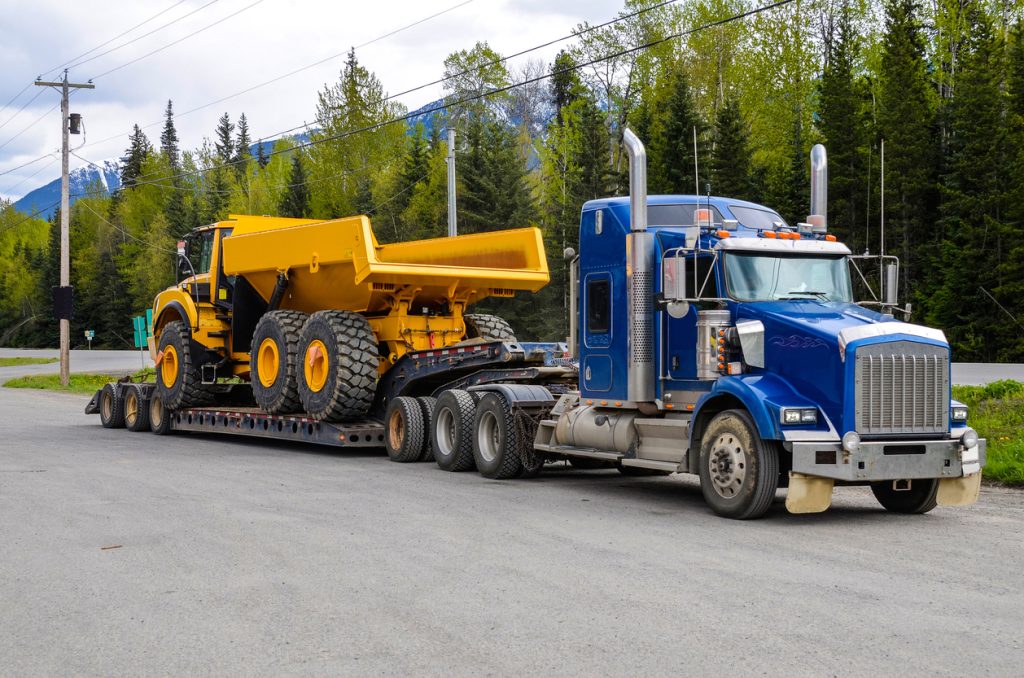 What Is Heavy Equipment Telematics?
Heavy equipment telematics refers to the use of GPS technology, sensors, and wireless connectivity to collect and transmit data from machines in the field. These systems track location, engine activity, movement, and operating conditions. Fleet managers then view this data through a centralized software platform.
Unlike traditional fleet tracking, heavy equipment telematics focuses on non-road assets and specialized machinery. Excavators, loaders, bulldozers, cranes, generators, and other equipment operate in rugged environments. Because of this, telematics solutions must support off-road telematics use cases while delivering accurate, reliable data.
Heavy equipment telematics helps organizations move from reactive management to proactive control. Instead of responding to breakdowns, theft, or misuse after the fact, companies monitor assets continuously and act before problems escalate.
Why Monitoring Heavy Equipment Matters More Than Ever
Heavy equipment fleets face increasing pressure from rising costs, tighter project timelines, and ongoing labor shortages. At the same time, theft and misuse continue to threaten profitability. Without proper visibility, organizations struggle to control expenses and protect assets.
Heavy equipment telematics addresses these challenges by delivering actionable insights. When managers know where machines operate and how teams use them, they reduce waste and improve accountability. Furthermore, real-time data supports smarter planning and stronger security strategies.
As projects expand into remote areas, companies need dependable equipment GPS solutions that perform beyond paved roads. Heavy equipment telematics ensures operators and managers stay connected, even in challenging conditions.
Real-Time Location Tracking Improves Asset Monitoring
One of the most valuable features of heavy equipment telematics involves real-time location tracking. GPS-enabled devices report asset locations continuously, which allows managers to see where equipment sits at any moment.
This level of asset monitoring eliminates guesswork. Instead of calling job sites or dispatchers, fleet managers check a live map and verify equipment placement instantly. As a result, teams deploy assets more efficiently and reduce downtime.
Moreover, accurate location data prevents unnecessary rentals or purchases. When managers know which machines remain idle, they reassign equipment instead of acquiring more assets. This strategy reduces capital expenses and improves utilization rates.
Heavy equipment telematics also helps organizations manage large job sites. Managers track equipment movement throughout the day, which supports better coordination and faster response times.
Heavy Equipment Telematics Strengthens Equipment Theft Prevention
Equipment theft remains a major concern across construction and industrial sectors. Stolen machinery often disappears quickly, especially when thieves transport equipment across state lines or remote areas. However, heavy equipment telematics provides a powerful defense against theft.
GPS tracking enables immediate alerts when unauthorized movement occurs. For example, managers receive notifications if equipment moves outside approved hours or leaves a defined job site. These alerts allow teams to respond quickly and notify authorities.
Additionally, historical location data supports recovery efforts. When theft occurs, detailed tracking records help law enforcement trace movement patterns and recover assets faster.
Heavy equipment telematics also deters theft. Visible tracking devices and signage discourage opportunistic criminals. When thieves know that companies monitor assets in real time, they often move on to easier targets.
Geofencing Adds Another Layer of Protection
Geofencing plays a critical role in equipment theft prevention and asset control. Heavy equipment telematics platforms allow managers to create virtual boundaries around job sites, storage yards, or restricted areas.
When equipment crosses a geofence unexpectedly, the system triggers alerts immediately. These alerts notify managers of potential theft or unauthorized use. As a result, teams act before equipment disappears.
Geofencing also supports operational oversight. Managers monitor whether machines remain within approved work zones. This capability helps prevent misuse and improves accountability across teams.
By combining geofencing with GPS tracking, heavy equipment telematics delivers comprehensive security without adding manual processes.
Off-Road Telematics Supports Rugged Work Environments
Unlike standard fleet vehicles, heavy equipment often operates far from paved roads. Construction sites, mining operations, forests, and agricultural fields present unique challenges. Because of this, off-road telematics capabilities matter.
Heavy equipment telematics systems from Safety Track support reliable tracking in remote locations. These systems leverage advanced GPS technology and cellular connectivity designed for rugged environments.
Off-road telematics ensures continuous visibility, even when equipment operates in harsh conditions. Fleet managers maintain oversight without compromising data accuracy or reliability.
Additionally, off-road telematics supports specialized reporting. Managers analyze equipment movement patterns across uneven terrain, which improves planning and site coordination.
Monitoring Engine Hours Improves Preventive Maintenance
Heavy equipment telematics does more than track location. It also monitors engine hours and usage patterns. This data helps organizations schedule maintenance based on actual use rather than fixed intervals.
When managers track engine hours accurately, they perform maintenance at the right time. This approach reduces breakdowns, extends equipment lifespan, and lowers repair costs.
Moreover, preventive maintenance improves safety. Machines that receive timely service operate more reliably, which reduces accidents and downtime.
Heavy equipment telematics simplifies maintenance tracking across large fleets. Instead of relying on manual logs, managers access automated reports and alerts.
Usage Data Reduces Wear and Tear
In addition to maintenance scheduling, heavy equipment telematics reveals how operators use machines. This insight helps identify inefficient or abusive usage patterns.
For example, managers detect excessive idling, harsh operation, or unauthorized use. By addressing these behaviors, companies reduce wear and tear on equipment.
Training programs benefit from this data as well. Managers use telematics insights to coach operators and promote best practices. Over time, improved behavior leads to lower fuel consumption and longer equipment life.
Heavy equipment telematics supports smarter asset management through data-driven decision-making.
Equipment GPS Solutions Improve Job Site Efficiency
Modern equipment GPS solutions improve efficiency across job sites. When managers track equipment locations, they reduce time wasted searching for machines. Crews find the right equipment quickly and keep projects moving.
GPS tracking also supports better scheduling. Managers assign equipment based on availability and proximity. This approach reduces transportation costs and delays.
Furthermore, GPS solutions help prevent bottlenecks. When teams monitor equipment movement, they anticipate conflicts and adjust plans proactively.
Heavy equipment telematics transforms GPS data into operational intelligence that supports faster workflows.
Asset Monitoring Supports Multi-Site Operations
Many organizations operate across multiple job sites simultaneously. Without centralized oversight, managing assets becomes complex and inefficient.
Heavy equipment telematics simplifies asset monitoring across dispersed locations. Managers view all equipment from a single platform, regardless of site.
This centralized visibility improves coordination and accountability. Managers verify which assets operate at each site and ensure optimal distribution.
Additionally, asset monitoring supports auditing and reporting requirements. Organizations maintain accurate records of equipment usage and location history.
Heavy equipment telematics enables scalable operations without adding administrative burden.
Real-Time Alerts Improve Response Times
Heavy equipment telematics platforms deliver real-time alerts that keep managers informed. These alerts cover unauthorized movement, maintenance thresholds, excessive idling, and unexpected usage.
Because alerts arrive instantly, teams respond faster. Quick action prevents small issues from becoming costly problems.
For example, maintenance alerts help teams service equipment before failures occur. Theft alerts enable rapid response and recovery.
Real-time alerts transform telematics data into immediate action.
Historical Reporting Supports Smarter Decisions
In addition to live data, heavy equipment telematics stores historical records. Managers analyze trends over time and identify opportunities for improvement.
Usage reports reveal which machines deliver the most value. Location history highlights inefficiencies in asset allocation. Maintenance data supports budget forecasting.
With this information, companies make informed decisions about purchasing, renting, or retiring equipment.
Heavy equipment telematics empowers long-term planning with accurate data.
Heavy Equipment Telematics Improves Compliance and Documentation
Many industries require detailed documentation related to equipment usage and maintenance. Heavy equipment telematics simplifies compliance by automating data collection.
Managers generate reports that show operating hours, service history, and location records. This documentation supports audits and contractual requirements.
Because telematics data remains accurate and consistent, organizations reduce administrative errors and disputes.
Heavy equipment telematics strengthens operational transparency.
Integration With Broader Fleet Systems
Heavy equipment telematics works best when integrated with broader fleet management systems. Safety Track solutions support integration with dispatch platforms, reporting tools, and safety technologies.
This integration creates a unified view of operations. Managers see vehicles, equipment, and assets in one system.
As a result, organizations streamline workflows and reduce complexity.
Scalability for Growing Fleets
As businesses grow, their equipment fleets expand. Heavy equipment telematics scales easily to support new assets and locations.
Organizations add devices as needed without redesigning systems. This flexibility supports seasonal demand and long-term growth.
Heavy equipment telematics ensures consistent visibility, regardless of fleet size.
Protecting Investment and Maximizing ROI
Heavy equipment represents a significant investment. Protecting that investment remains a top priority.
Heavy equipment telematics reduces loss through theft prevention, improves utilization, and extends asset life. These benefits deliver measurable returns.
By leveraging real-time data, organizations protect assets and maximize value.
Why Choose Safety Track for Heavy Equipment Telematics
At Safety Track, we design solutions that support demanding environments and real-world challenges. Our heavy equipment telematics solutions deliver reliable tracking, actionable insights, and strong security.
We focus on flexibility, durability, and ease of use. Our systems support equipment theft prevention, advanced asset monitoring, robust off-road telematics, and dependable equipment GPS solutions.
With Safety Track, organizations gain confidence and control over their equipment fleets.
Gain Visibility, Security & Efficiency With Heavy Equipment Telematics
Heavy equipment telematics plays a vital role in modern fleet operations. It improves visibility, strengthens security, and supports smarter decision-making.
As industries continue to evolve, companies that adopt telematics gain a competitive advantage. They protect assets, reduce costs, and operate more efficiently.
By investing in heavy equipment telematics, organizations transform data into protection and performance.

Hannah Lang is a Social Media Marketing Specialist at Safety Track. She has her bachelor’s degree in Advertising and Public Relations from Grand Valley State University. With her passion for research, Hannah possesses a wealth of knowledge expanding across multiple industries and disciplines. Her efforts won her a Scholastic Art and Writing regional Gold Key award.