
National Passenger Safety Week: Protect Everyone with Fleet Technology
National Passenger Safety Week runs from January 19-26, 2026. For fleet managers, this observance serves as a timely reminder that safety extends far beyond the person behind the wheel. Every vehicle on the road carries responsibility: for passengers, for pedestrians, for other motorists, and for the cargo being transported.
Modern fleet camera systems and telematics solutions have evolved to address this broader scope of protection. The question fleet managers should ask themselves this week is simple: Does your current technology protect everyone your vehicles encounter, or just the driver?
The Passenger Safety Problem by the Numbers
The statistics paint a sobering picture. In 2023, approximately 24% of passenger-vehicle occupant fatalities were passengers: roughly 5,858 lives lost. That same year, 10,484 unbuckled passenger vehicle occupants died in crashes, and 13,524 people lost their lives in alcohol-impaired driving incidents nationwide.
Distracted driving claimed an estimated 3,275 lives in 2023 alone. These numbers represent more than statistics. They represent employees, family members, and community members whose safety depends on the decisions made inside commercial vehicles every day.
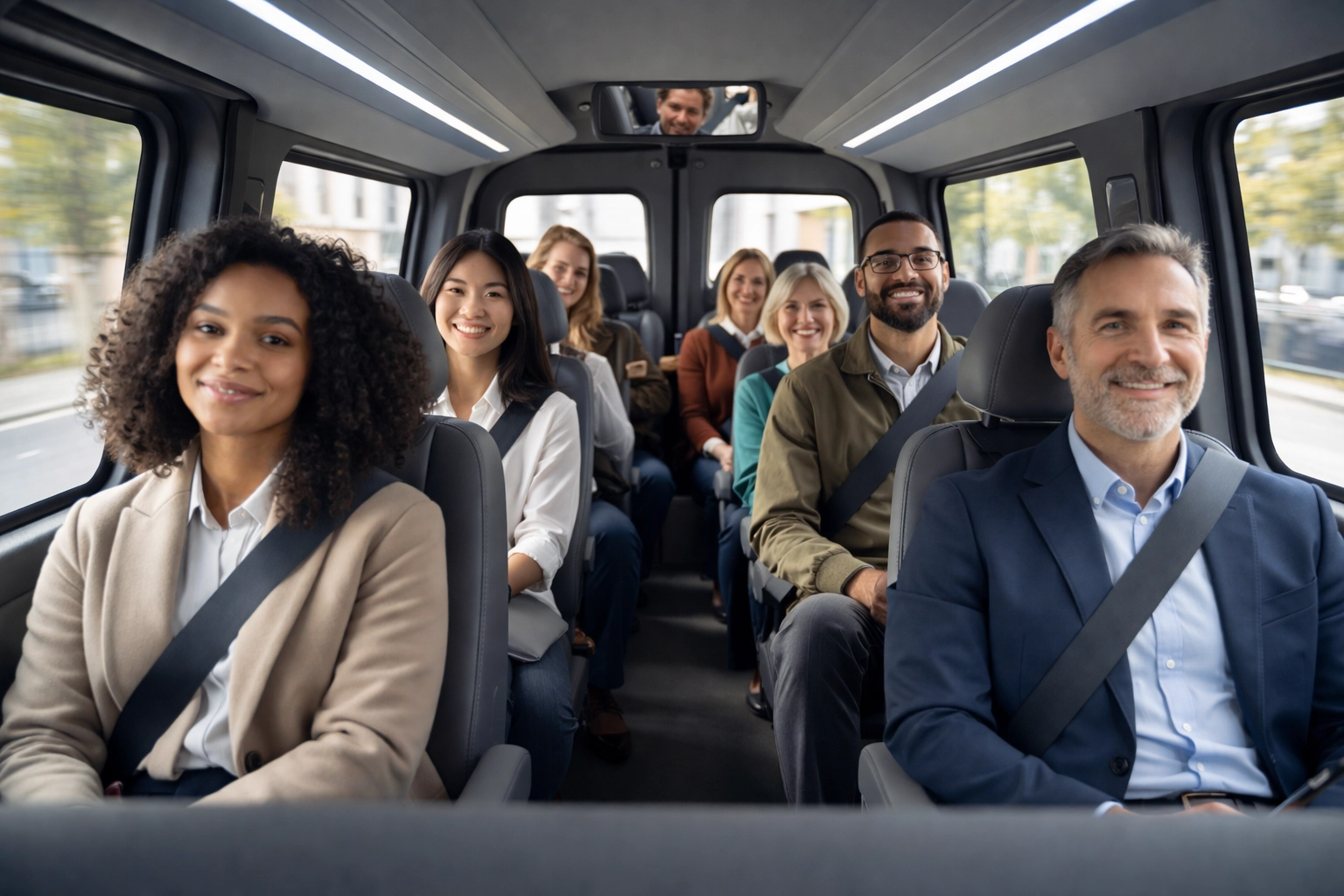
National Passenger Safety Week, led by We Save Lives and The National Road Safety Foundation, emphasizes that passengers are often the first to recognize dangerous behaviors inside a vehicle. The campaign encourages the “Courage to Intervene Promise”: empowering individuals to speak up against impaired driving, distracted driving, and other unsafe behaviors.
For fleet operations, this intervention takes a different form. Technology becomes the vigilant passenger that never hesitates to identify risk.
Fleet Safety Extends Beyond the Driver’s Seat
Traditional fleet management focused primarily on driver behavior. Track the driver. Coach the driver. Hold the driver accountable. While driver-centric safety remains critical, this narrow focus misses the bigger picture.
A delivery van carries more than a driver: it carries the company’s reputation, valuable cargo, and responsibility for everyone sharing the road. A service vehicle transporting technicians protects multiple employees simultaneously. A shuttle service holds the safety of dozens of passengers in its hands every single trip.
AI fleet safety cameras and comprehensive telematics platforms recognize this expanded responsibility. They monitor, record, and analyze every aspect of vehicle operation to protect:
- Drivers from false accusations and coaching gaps
- Passengers from unsafe driving behaviors and collision risks
- The public from accidents caused by distracted or fatigued operators
- Cargo from damage due to harsh driving events
- The company from liability, insurance claims, and reputational harm
This holistic approach transforms fleet safety from a checkbox exercise into genuine risk management.
How AI Dash Cameras for Fleets Protect Everyone
AI dash cameras for fleets represent a significant leap forward from traditional recording devices. Standard cameras capture footage. AI-enhanced systems actively monitor for dangerous behaviors and intervene before incidents occur.
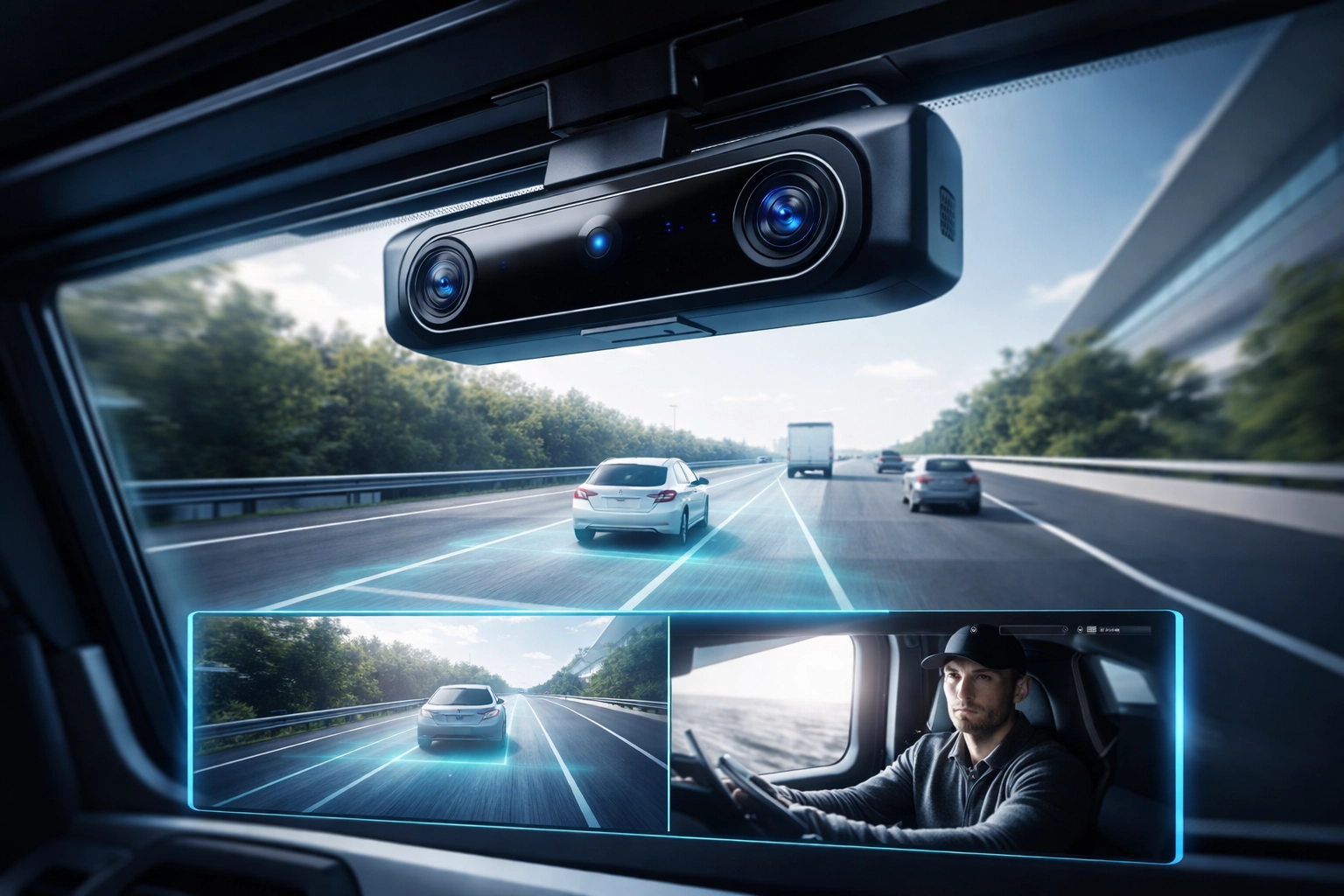
Dual-facing camera configurations provide comprehensive visibility. Road-facing cameras document external conditions, traffic patterns, and the actions of other drivers. Driver-facing cameras identify distraction, fatigue, cell phone use, and seatbelt compliance. Together, they create a complete picture of every moment on the road.
The AI component elevates these cameras from passive recorders to active safety partners. Advanced algorithms detect:
- Distracted driving such as phone use, eating, or looking away from the road
- Drowsy driving through eye closure detection and head position monitoring
- Following distance violations that increase rear-end collision risk
- Lane departure without signaling
- Hard braking and acceleration events that indicate aggressive driving
When these behaviors occur, the system can alert drivers in real-time through in-cab notifications. This immediate feedback creates the intervention moment that National Passenger Safety Week encourages: except the technology never hesitates, never feels awkward, and never misses a single event.
For fleet managers, these AI fleet safety cameras provide documented evidence for coaching conversations, dispute resolution, and continuous improvement initiatives. Learn more about the benefits of real-time fleet video telematics for your operation.
Real-Time Monitoring: The Always-Present Safety Partner
GPS tracking and real-time monitoring extend protection beyond what cameras alone can capture. Location data, speed monitoring, and route tracking create layers of accountability that benefit everyone connected to the fleet.
Real-time monitoring enables:
- Immediate response to accidents or breakdowns, reducing wait times for injured parties
- Speed compliance verification in school zones, construction areas, and residential neighborhoods
- Geofencing alerts when vehicles enter or leave designated areas
- Route optimization that reduces time on the road and exposure to risk
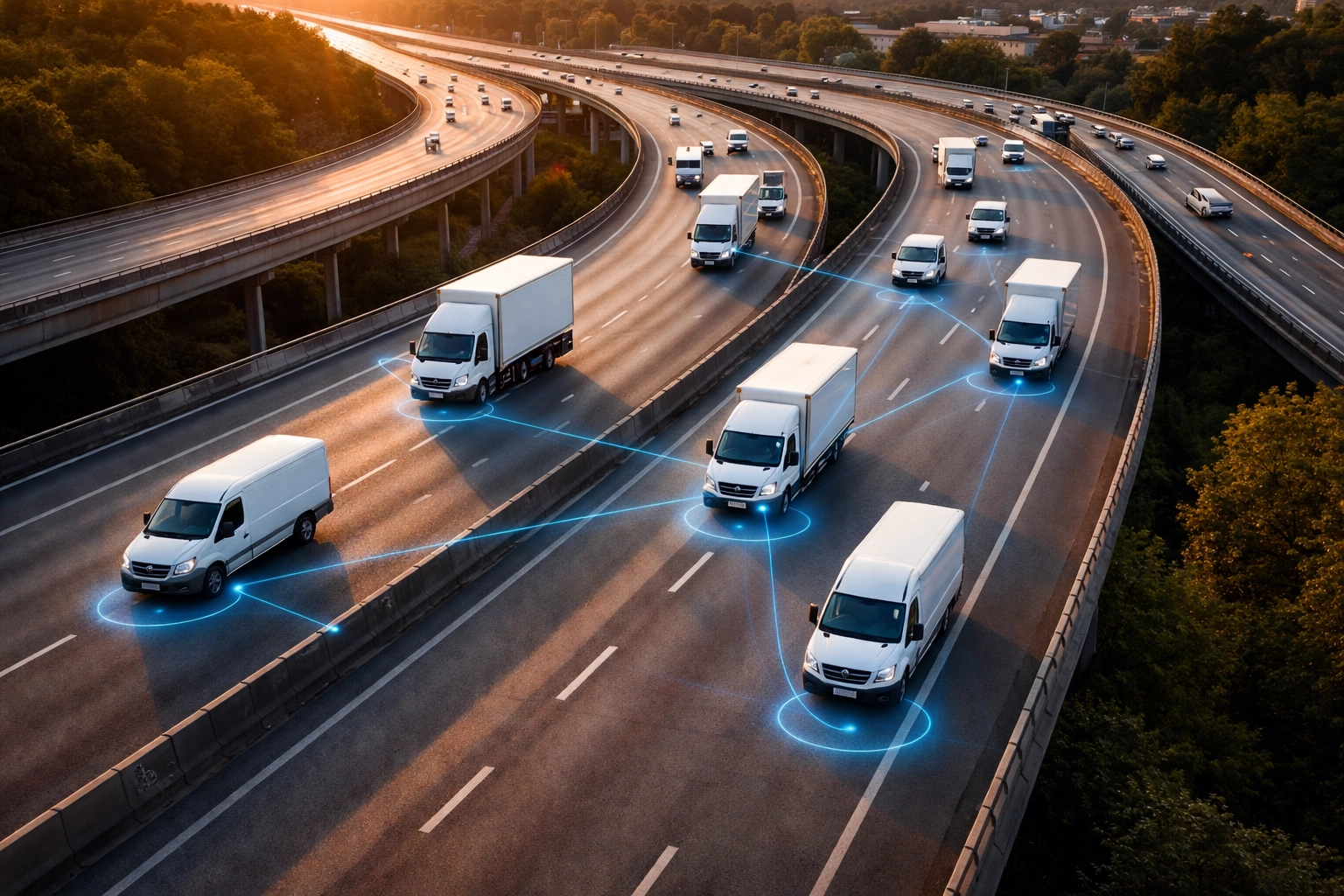
When a vehicle carrying passengers experiences an incident, response time matters. Real-time GPS tracking allows fleet managers to dispatch assistance immediately, notify emergency services with precise location data, and contact passengers or their families with accurate information.
This visibility also deters unsafe behavior. Drivers who know their speed, location, and driving patterns are monitored tend to make safer choices. The result protects not just the driver, but every passenger in the vehicle and every person sharing the road.
Explore how proactive fleet management powered by real-time data transforms safety outcomes.
Reducing Accidents and Insurance Costs
The business case for comprehensive fleet safety technology is compelling. Fleets that implement AI dash cameras and telematics solutions consistently report accident reductions of up to 40%. Fewer accidents mean fewer injuries, fewer claims, and fewer disruptions to operations.
Insurance carriers recognize this reduced risk profile. Many offer premium discounts for fleets equipped with verified camera systems and telematics platforms. The footage captured by fleet safety cameras also accelerates claims resolution by providing clear documentation of fault: protecting companies from fraudulent claims and reducing settlement timelines.
Consider the cost of a single serious accident:
- Vehicle repair or replacement
- Medical expenses and potential litigation
- Workers’ compensation claims
- Increased insurance premiums for years afterward
- Regulatory fines and compliance issues
- Reputational damage with customers and partners
Fleet camera systems pay for themselves by preventing even one significant incident per year. The ROI becomes even clearer when factoring in the ongoing benefits of reduced fuel consumption through better driving habits, lower maintenance costs from reduced harsh driving events, and improved driver retention through fair, data-driven coaching.
One Size Does Not Fit All
Every fleet operates differently. A long-haul trucking company faces different challenges than a local delivery service. A passenger transportation business has different priorities than a construction equipment fleet.
Effective fleet safety technology must be custom-tailored to address specific operational realities. Cookie-cutter solutions leave gaps that create risk.

The right approach starts with understanding:
- Vehicle types and their unique monitoring requirements
- Operational patterns including routes, schedules, and cargo types
- Regulatory requirements specific to your industry
- Existing technology that new systems must integrate with
- Driver culture and how technology will be received
At Safety Track, solutions are designed around these variables. Whether a fleet needs dash cam integration with existing CMS or ELD systems, advanced AI analytics, or comprehensive vehicle health monitoring, the technology adapts to the operation: not the other way around.
Making the Commitment This Week
National Passenger Safety Week asks individuals to take the “Courage to Intervene Promise.” For fleet managers, that courage takes the form of investing in technology that intervenes automatically, consistently, and effectively.
The passengers in your vehicles deserve protection. The families waiting for drivers to return home deserve peace of mind. The communities your vehicles travel through deserve responsible fleet operations.
Modern AI dash cameras for fleets, GPS tracking systems, and real-time monitoring platforms deliver on these responsibilities. They transform fleet safety from reactive incident management into proactive risk prevention.
This week, evaluate your current fleet safety technology. Ask whether it protects more than just the driver. If the answer raises concerns, the solution is within reach.
Contact Safety Track to discuss custom-tailored fleet camera systems designed to protect everyone your vehicles touch: drivers, passengers, the public, and your bottom line.

Tyler Schneider is the IT Director at Safety Track, overseeing the company’s technological infrastructure and innovations. With a strong background in information technology and systems management, Tyler ensures that Safety Track stays at the forefront of tech solutions in fleet management. His strategic expertise supports the seamless integration of technology across the company’s operations.