
Top GPS Features Every Fleet Manager Needs
In the fast-paced world of fleet management, leveraging advanced GPS technology is essential for optimizing operations and enhancing efficiency. This article delves into the top GPS features that every fleet manager should consider to improve their fleet’s performance. Readers will learn about the critical functionalities that can streamline operations, enhance safety, and reduce costs. Understanding these features is vital for fleet managers aiming to stay competitive in a rapidly evolving industry. The challenges of managing a fleet, such as tracking vehicles, monitoring driver behavior, and ensuring timely maintenance, can be effectively addressed through the right GPS solutions. This guide will explore real-time tracking, driver behavior monitoring, route optimization, geofencing, vehicle diagnostics, fuel management, maintenance scheduling, and asset tracking.
What Is Real-Time Fleet Tracking and How Does It Improve Operations?
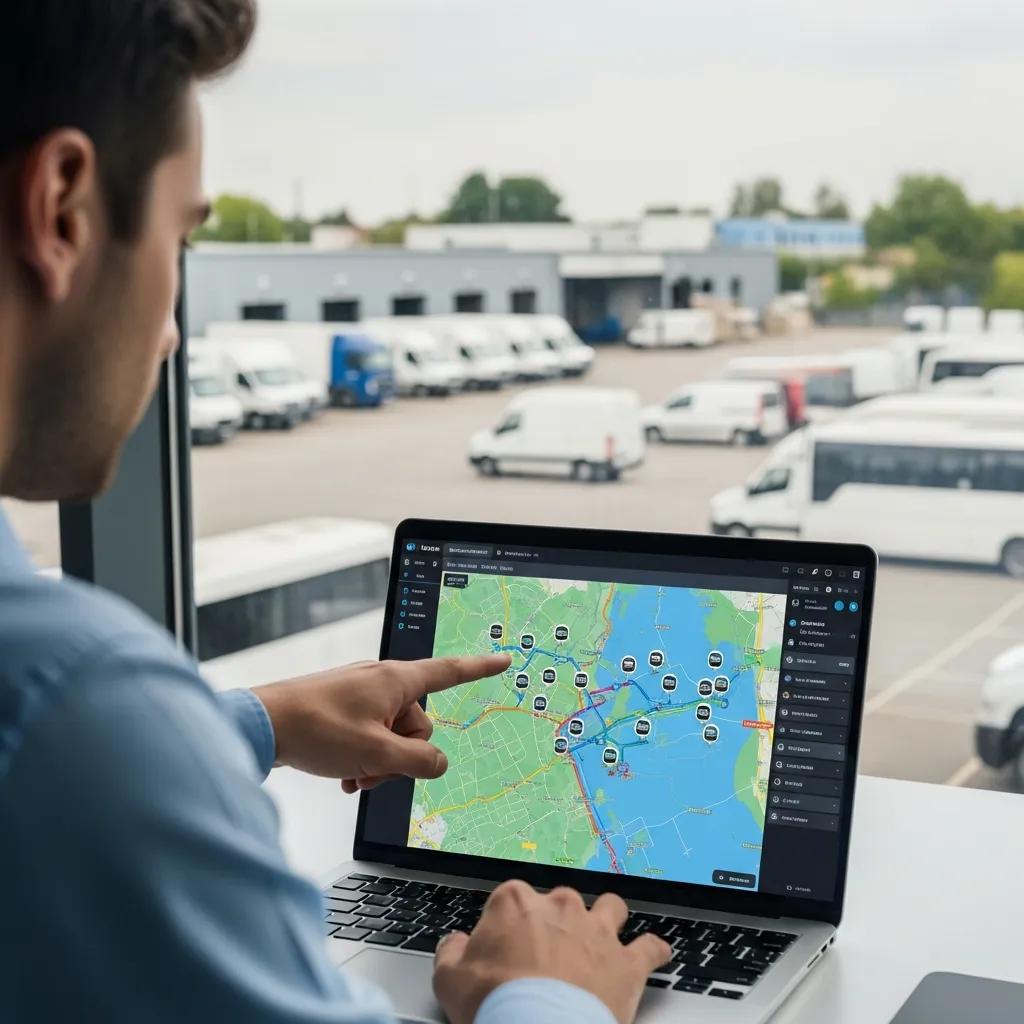
Real-time fleet tracking refers to the ability to monitor the location and status of vehicles in a fleet as they move. This technology utilizes GPS and telematics to provide live updates on vehicle positions, enabling fleet managers to make informed decisions quickly. The primary benefit of real-time tracking is enhanced operational efficiency, as it allows for better route planning, timely deliveries, and improved customer service. By having access to live data, fleet managers can respond to unexpected changes, such as traffic conditions or vehicle breakdowns, ensuring that operations run smoothly.
How Does Real-Time Vehicle Location Monitoring Work?
Real-time vehicle location monitoring works through a combination of GPS technology and telematics systems. GPS devices installed in vehicles transmit location data to a central server, which processes and displays this information on a user-friendly interface. Fleet managers can access this data via software applications, allowing them to track vehicle movements, monitor speed, and analyze routes. This technology not only provides visibility into fleet operations but also helps in identifying inefficiencies and optimizing routes for better performance.
What Are the Benefits of Live Data and Instant Alerts?
The benefits of live data and instant alerts are significant for fleet management. With real-time information, fleet managers can make proactive decisions that enhance safety and efficiency. For instance, instant alerts can notify managers of unauthorized vehicle use, speeding, or maintenance needs, allowing for immediate action. This capability leads to improved driver accountability, reduced operational costs, and enhanced customer satisfaction through timely deliveries. Additionally, having access to live data helps in analyzing trends and making data-driven decisions for future improvements.
How Can Driver Behavior Monitoring Enhance Fleet Safety and Performance?
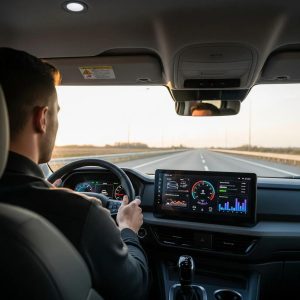
Driver behavior monitoring involves tracking and analyzing various metrics related to how drivers operate their vehicles. This feature is crucial for enhancing fleet safety and performance, as it provides insights into driving habits that can lead to accidents or increased fuel consumption. By understanding driver behavior, fleet managers can implement training programs to improve safety and efficiency, ultimately reducing costs associated with accidents and insurance premiums.
Which Driver Actions Are Tracked and Analyzed?
Common driver actions tracked and analyzed include speeding, harsh braking, rapid acceleration, and idling time. These metrics provide valuable insights into driving habits that may contribute to unsafe conditions or increased fuel consumption. By monitoring these behaviors, fleet managers can identify drivers who may need additional training or support, fostering a culture of safety and efficiency within the fleet.
How Does Monitoring Reduce Fuel Costs and Insurance Premiums?
Monitoring driver behavior can significantly reduce fuel costs and insurance premiums. By encouraging safe driving practices, such as maintaining consistent speeds and avoiding harsh maneuvers, fleets can improve fuel efficiency. Additionally, insurance companies often offer lower premiums for fleets that demonstrate safe driving records, as they are considered lower risk. This dual benefit of cost savings makes driver behavior monitoring an an essential feature for fleet managers looking to optimize their operations.
What Are the Advantages of Fleet Route Optimization for Cost Savings?
Fleet route optimization involves using advanced algorithms and real-time data to determine the most efficient routes for vehicles. This feature is vital for reducing operational costs, improving delivery times, and enhancing customer satisfaction. By optimizing routes, fleet managers can minimize fuel consumption, reduce wear and tear on vehicles, and ensure timely deliveries, all of which contribute to significant cost savings.
How Does AI-Driven Route Planning Consider Traffic and Weather?
AI-driven route planning utilizes real-time data on traffic conditions and weather patterns to determine the best routes for vehicles. By analyzing this data, the system can suggest alternative routes that avoid congestion or hazardous conditions, ensuring that deliveries are made on time. This proactive approach not only enhances efficiency but also improves safety by reducing the likelihood of accidents caused by adverse conditions.
Further research highlights the comprehensive benefits of integrating AI-driven predictive analytics into fleet operations for optimization.
AI Predictive Analytics for Fleet Optimization
This research paper investigates the application of AI-driven predictive analytics for optimizing fleet management, focusing on three critical aspects: route planning, vehicle allocation, and predictive maintenance. The study is driven by the imperative to reduce operational costs, enhance delivery efficiency, and improve vehicle utilization through sophisticated AI models.
AI-Driven Predictive Analytics for Fleet Management Optimization in Logistics and Transportation: Leveraging Machine Learning for Route Planning, Vehicle …, VK Dunka, 2022
What Impact Does Route Optimization Have on Delivery Times and Fuel Efficiency?
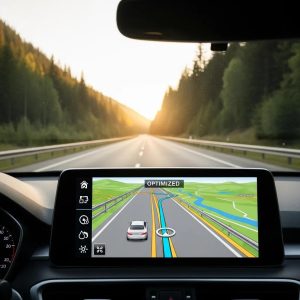
Route optimization has a profound impact on delivery times and fuel efficiency. By selecting the most efficient routes, fleets can reduce travel distances and time spent on the road. This leads to lower fuel consumption and decreased operational costs. Additionally, timely deliveries enhance customer satisfaction, as clients receive their goods as promised. The combination of these benefits makes route optimization a critical feature for any fleet management system.
How Does Geofencing Improve Fleet Security and Operational Control?
Geofencing is a technology that creates virtual boundaries around specific geographic areas. Fleet managers can use geofencing to monitor vehicle movements within these boundaries, enhancing security and operational control. This feature is particularly useful for preventing unauthorized vehicle use and ensuring that drivers adhere to designated routes.
What Are Virtual Boundaries and Location-Based Alerts?
Virtual boundaries are predefined geographic areas that fleet managers can set up using geofencing technology. When a vehicle enters or exits these boundaries, the system triggers location-based alerts, notifying managers of potential unauthorized movements. This capability allows for real-time monitoring and enhances security by preventing theft or misuse of vehicles.
How Does Geofencing Prevent Unauthorized Vehicle Movement?
Geofencing prevents unauthorized vehicle movement by alerting fleet managers when vehicles leave designated areas. This feature is crucial for protecting assets and ensuring that vehicles are used only for their intended purposes. By implementing geofencing, fleet managers can significantly reduce the risk of theft and misuse, ultimately safeguarding their investments.
Why Is Vehicle Diagnostics Essential for Proactive Fleet Maintenance?
Vehicle diagnostics involve the collection and analysis of data related to vehicle performance and health. This feature is essential for proactive fleet maintenance, as it allows fleet managers to identify potential issues before they lead to costly breakdowns. By monitoring diagnostic data, managers can schedule maintenance at optimal times, reducing downtime and repair costs.
What Diagnostic Data Is Collected and Analyzed?
Diagnostic data collected includes engine performance metrics, fuel efficiency statistics, and information on vehicle components such as brakes and tires. This data provides a comprehensive view of vehicle health, enabling fleet managers to make informed decisions about maintenance and repairs. By analyzing this information, managers can identify trends and address issues before they escalate.
How Does Predictive Maintenance Reduce Downtime and Repair Costs?
Predictive maintenance reduces downtime and repair costs by allowing fleet managers to address potential issues before they result in breakdowns. By using diagnostic data to predict when maintenance is needed, managers can schedule repairs during off-peak times, minimizing disruptions to operations. This proactive approach not only saves money but also extends the lifespan of vehicles, contributing to overall fleet efficiency.
How Does Fuel Management Using GPS Reduce Costs and Prevent Theft?
Fuel management using GPS technology involves monitoring fuel consumption and identifying patterns that may indicate inefficiencies or theft. This feature is crucial for reducing operational costs and ensuring that fuel resources are used effectively. By implementing fuel management systems, fleet managers can gain insights into consumption patterns and take action to prevent fuel theft.
What Fuel Consumption Patterns Are Monitored?
Fuel consumption patterns monitored include fuel levels, consumption rates, and idling times. By analyzing this data, fleet managers can identify trends that may indicate excessive fuel use or potential theft. This information is vital for making informed decisions about fuel management and optimizing consumption.
How Do GPS Systems Detect and Prevent Fuel Theft?
GPS systems detect and prevent fuel theft by providing real-time monitoring of fuel levels and consumption patterns. When discrepancies are detected, such as sudden drops in fuel levels without corresponding vehicle activity, alerts can be triggered. This capability allows fleet managers to investigate potential theft incidents promptly, safeguarding their fuel resources.
How Driver Behavior Monitoring Boosts Fleet Safety and Performance?
Maintenance scheduling is a critical aspect of fleet management that ensures vehicles are serviced regularly and efficiently. By implementing effective maintenance scheduling, fleet managers can maximize vehicle uptime and enhance overall operational efficiency. This feature is essential for preventing unexpected breakdowns and ensuring that vehicles are always ready for use.
How Are Automated Alerts Based on Mileage and Engine Data Generated?
Automated alerts based on mileage and engine data are generated through telematics systems that monitor vehicle performance. When a vehicle reaches a predetermined mileage threshold or exhibits specific engine performance metrics, alerts are sent to fleet managers. This proactive approach ensures that maintenance is scheduled at the right time, reducing the risk of breakdowns.
What Are the Benefits of Proactive Maintenance Scheduling?
Proactive maintenance scheduling offers several benefits, including reduced downtime, lower repair costs, and extended vehicle lifespan. By addressing maintenance needs before they become critical, fleet managers can ensure that vehicles remain operational and efficient. This approach not only saves money but also enhances overall fleet performance.
How Can Asset Tracking Extend Visibility Beyond Vehicles?
Asset tracking extends visibility beyond vehicles by allowing fleet managers to monitor non-vehicle assets, such as equipment and inventory. This feature is essential for optimizing resource utilization and preventing loss. By implementing asset tracking systems, fleet managers can gain insights into the location and status of all assets, enhancing operational efficiency.
Which Non-Vehicle Assets Can Be Tracked?
Non-vehicle assets that can be tracked include equipment, tools, and inventory items. By monitoring these assets, fleet managers can ensure that resources are used effectively and that losses are minimized. This capability is particularly valuable in industries where equipment and inventory management are critical to operations.
How Does Asset Tracking Improve Utilization and Loss Prevention?
Asset tracking improves utilization and loss prevention by providing real-time visibility into asset locations and statuses. This information allows fleet managers to optimize resource allocation and identify potential issues, such as misplaced equipment or inventory shortages. By implementing effective asset tracking systems, fleets can enhance operational efficiency and reduce costs associated with lost or underutilized resources.

Hannah Lang is a Social Media Marketing Specialist at Safety Track. She has her bachelor’s degree in Advertising and Public Relations from Grand Valley State University. With her passion for research, Hannah possesses a wealth of knowledge expanding across multiple industries and disciplines. Her efforts won her a Scholastic Art and Writing regional Gold Key award.