
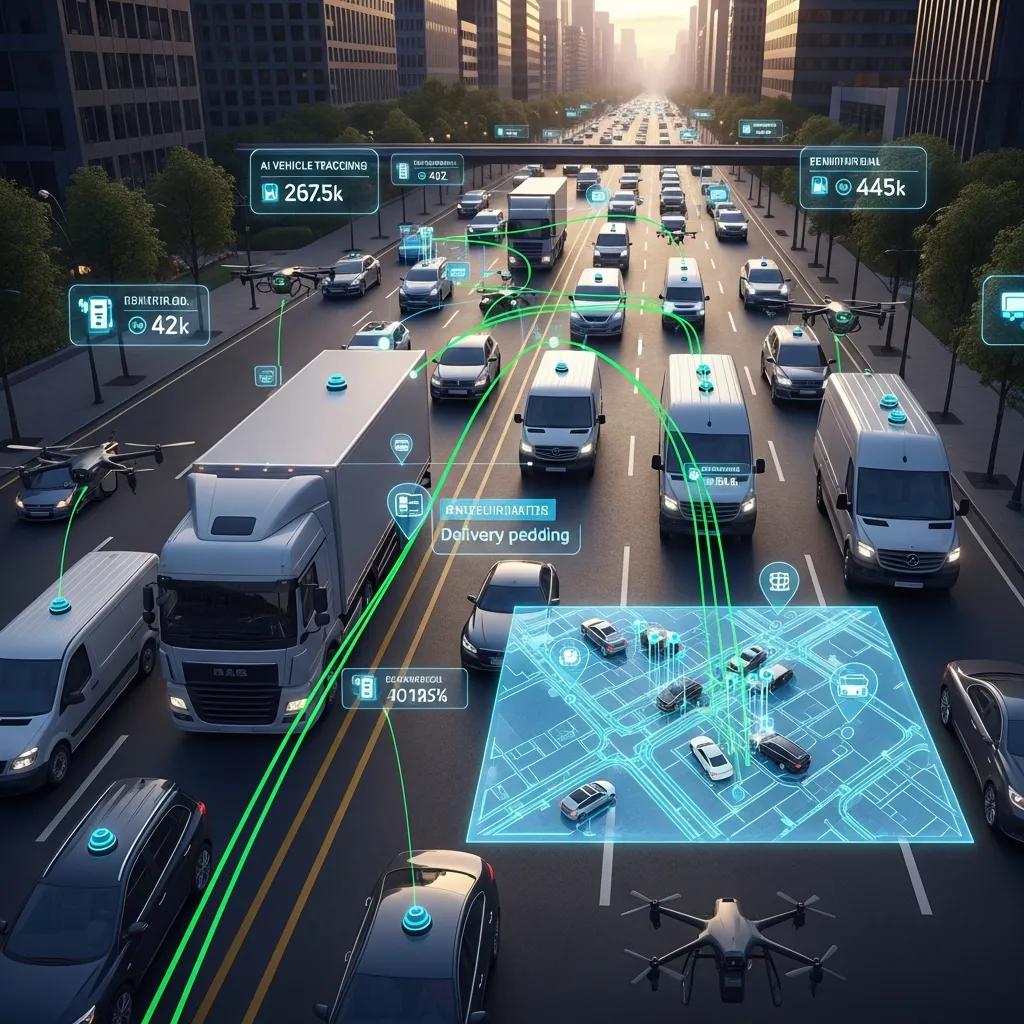
How AI Vehicle Tracking Delivers Significant Cost Savings
In the rapidly evolving landscape of fleet management, AI vehicle tracking emerges as a transformative solution that significantly reduces operational costs. This technology leverages advanced algorithms and real-time data to optimize fleet performance, enhance safety, and improve overall efficiency. In this article, we will explore how AI vehicle tracking not only streamlines operations but also delivers substantial cost savings for businesses. Many fleet managers face challenges such as high fuel expenses, inefficient routing, and increased maintenance costs. AI vehicle tracking addresses these pain points by providing actionable insights and predictive analytics that lead to smarter decision-making. We will delve into the key benefits of AI fleet management savings, the role of predictive maintenance, and how businesses can measure their return on investment (ROI) effectively.
Further research highlights how AI-driven predictive analytics are crucial for comprehensive fleet optimization and cost reduction across various operational aspects.
AI Predictive Analytics for Fleet Optimization & Cost Reduction
This research paper investigates the application of AI-driven predictive analytics for optimizing fleet management, focusing on three critical aspects: route planning, vehicle allocation, and predictive maintenance. The study is driven by the imperative to reduce operational costs, enhance delivery efficiency, and improve vehicle utilization through sophisticated AI models.
… for Fleet Management Optimization in Logistics and Transportation: Leveraging Machine Learning for Route Planning, Vehicle Allocation, and Predictive Maintenance, VK Dunka, 2022
What Are the Key Benefits of AI Fleet Management Savings?
AI vehicle tracking offers numerous benefits that contribute to significant cost savings for fleet management. By utilizing real-time GPS data and advanced analytics, businesses can enhance operational efficiency and reduce unnecessary expenses.
- Improved Operational Efficiency: AI systems analyze data to optimize routes, reducing fuel consumption and travel time. This leads to lower operational costs and improved service delivery.
- Enhanced Safety: AI vehicle tracking monitors driver behavior, helping to reduce accidents and associated costs. Safer driving practices lead to fewer insurance claims and can contribute to lower premiums.
- Predictive Maintenance: By predicting maintenance needs, AI helps prevent costly breakdowns and extends vehicle lifespan, resulting in lower maintenance expenses over time.
For businesses looking to implement these solutions, Safety Track specializes in AI vehicle tracking solutions that optimize fleet management and deliver significant cost savings.
How Does AI GPS Tracking Improve Fleet Optimization?
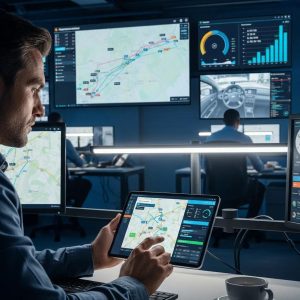
AI GPS tracking enhances fleet optimization by providing real-time insights into vehicle locations and performance. This technology allows fleet managers to monitor routes and adjust them dynamically based on traffic conditions, weather, and other factors.
- Real-Time Tracking Advantages: Fleet managers can track vehicles in real-time, ensuring timely deliveries and efficient resource allocation.
- Route Optimization: AI algorithms analyze historical and real-time data to suggest the most efficient routes, reducing fuel consumption and travel time.
- Fuel Savings: By optimizing routes and reducing idle time, businesses can achieve substantial fuel savings, directly impacting their bottom line.
What Vehicle Tracking Cost Benefits Can Businesses Expect?
Businesses can expect a range of cost benefits from implementing AI vehicle tracking solutions. These benefits often translate into significant savings over time.
- Reduction in Fuel Costs: Efficient routing and reduced idle time lead to lower fuel consumption, which can save businesses thousands of dollars annually.
- Lower Maintenance Expenses: Predictive maintenance alerts help prevent costly repairs and extend vehicle life, reducing overall maintenance costs.
- Improved Asset Utilization: By maximizing the use of each vehicle, businesses can improve their return on investment and reduce the need for additional vehicles.
How Does AI Technology Enhance Driver Behavior Monitoring?
AI technology plays a crucial role in monitoring and improving driver behavior, which is essential for reducing costs associated with accidents and vehicle wear.
- Driver Safety Improvements: AI systems analyze driving patterns to identify risky behaviors, allowing for targeted training and intervention.
- Behavior Analytics: By providing insights into driver performance, businesses can implement strategies to promote safer driving habits.
- Impact on Insurance Costs: Safer driving practices can lead to lower insurance premiums, further contributing to cost savings.
In What Ways Does AI Reduce Unsafe Driving and Improve Safety?
AI reduces unsafe driving by continuously monitoring driver behavior and providing real-time feedback. This proactive approach helps to mitigate risks before they result in accidents.
- Reduction in Accidents: By identifying and addressing risky behaviors, AI can significantly decrease the likelihood of accidents.
- Real-Time Alerts: AI systems can send alerts to drivers when unsafe behaviors are detected, allowing for immediate corrective action.
- Driver Training Improvements: Analytics can highlight areas where drivers need additional training, enhancing overall safety.
How Does Driver Behavior Analytics Contribute to Cost Savings?
Driver behavior analytics directly contributes to cost savings by promoting safer driving practices and reducing accident-related expenses.
- Behavior Modification: By encouraging safer driving habits, businesses can lower the frequency of accidents and associated costs.
- Insurance Savings: Improved safety records can lead to reduced insurance premiums, providing further financial benefits.
- Fuel Efficiency: Safer driving often correlates with better fuel efficiency, leading to additional savings.
How Does AI-Powered Predictive Maintenance Reduce Fleet Expenses?
Predictive maintenance is a key component of AI vehicle tracking that helps businesses minimize fleet expenses by anticipating maintenance needs before they become critical.
- Minimizing Downtime: By predicting when maintenance is needed, businesses can schedule repairs during off-peak times, reducing vehicle downtime.
- Cost Reduction Strategies: Predictive maintenance helps avoid costly emergency repairs and extends the lifespan of vehicles.
- Maintenance Scheduling: AI systems can automate maintenance scheduling, ensuring that vehicles are serviced regularly without disrupting operations.
How Does AI Predict Vehicle Maintenance Needs to Minimize Downtime?
AI predicts vehicle maintenance needs by analyzing data from various sensors and historical maintenance records. This proactive approach allows businesses to address issues before they lead to breakdowns.
- Predictive Analytics: AI algorithms assess vehicle performance data to forecast potential maintenance needs.
- Maintenance Alerts: Fleet managers receive alerts when maintenance is due, allowing for timely interventions.
- Cost Implications: By preventing breakdowns, businesses can save on emergency repair costs and reduce vehicle downtime.
What Are the Cost Savings from Reduced Vehicle Downtime?
Reduced vehicle downtime translates into significant cost savings for businesses. When vehicles are operational, they generate revenue and contribute to overall efficiency.
- Impact on Productivity: Minimizing downtime ensures that vehicles are available for use, enhancing productivity.
- Cost of Downtime: The financial impact of vehicle downtime can be substantial, making predictive maintenance a valuable investment.
- Long-Term Savings: Over time, the cumulative savings from reduced downtime can significantly improve a company’s bottom line.
Which Industries Benefit Most from AI Vehicle Tracking Solutions?
AI vehicle tracking solutions are versatile and can benefit various industries by optimizing fleet management and reducing costs.
- Construction Industry Benefits: Construction companies can track equipment and vehicles, ensuring they are used efficiently and reducing idle time.
- Transportation Sector Advantages: Transportation companies benefit from real-time tracking and route optimization, leading to improved service delivery.
- Public Works Improvements: Municipalities can enhance service efficiency and reduce costs by monitoring public service vehicles.
How Does AI Vehicle Tracking Customize Solutions for Construction and Transportation?
AI vehicle tracking can be tailored to meet the specific needs of different industries, providing customized solutions that enhance efficiency.
- Industry-Specific Features: Construction and transportation sectors require unique tracking capabilities, such as equipment monitoring and load management.
- Case Studies: Successful implementations in these industries demonstrate the effectiveness of AI vehicle tracking in reducing costs and improving operations.
- Cost Implications: Customized solutions can lead to significant savings by addressing industry-specific challenges.
What Are the Advantages for Food Distribution and Public Works Fleets?
Food distribution and public works fleets can leverage AI vehicle tracking to enhance efficiency and reduce costs.
- Efficiency Improvements: Real-time tracking ensures timely deliveries and optimal routing, reducing waste and improving service.
- Cost Savings: By minimizing delays and optimizing routes, businesses can achieve substantial cost savings.
- Safety Enhancements: Monitoring driver behavior contributes to safer operations, reducing the risk of accidents.
How Can Fleet Managers Measure ROI and Cost Savings from AI Vehicle Tracking?
Measuring ROI and cost savings from AI vehicle tracking is essential for fleet managers to justify investments and optimize operations.
- Key Performance Indicators: Metrics such as fuel efficiency, accident reduction, and maintenance costs provide insights into the effectiveness of AI solutions.
- ROI Calculators: Fleet managers can use ROI calculators to assess the financial impact of AI vehicle tracking on their operations.
- Case Studies: Analyzing case studies of successful implementations can provide valuable benchmarks for measuring success.
What Metrics Demonstrate Fuel Efficiency and Accident Reduction?
Fleet managers can track several key metrics to demonstrate the effectiveness of AI vehicle tracking in improving fuel efficiency and reducing accidents.
- Fuel Efficiency Metrics: Monitoring fuel consumption per vehicle can highlight improvements resulting from optimized routing.
- Accident Reduction Statistics: Tracking the frequency of accidents before and after implementing AI solutions can quantify safety improvements.
- Cost Savings Analysis: By correlating these metrics with financial data, businesses can assess the overall impact on their bottom line.
How to Use ROI Calculators and Case Studies for Decision Making?
ROI calculators and case studies are valuable tools for fleet managers to evaluate the effectiveness of AI vehicle tracking solutions.
- ROI Calculation Methods: Fleet managers can input data on fuel savings, maintenance costs, and accident reductions to calculate potential ROI.
- Case Study Examples: Reviewing case studies of similar businesses can provide insights into expected outcomes and best practices.
- Decision-Making Strategies: Armed with this information, fleet managers can make informed decisions about implementing AI vehicle tracking solutions.
What Are the Latest 2026 Trends and Statistics in AI Fleet Management Savings?
As we move through 2026, several trends and statistics are shaping the future of AI fleet management and its cost-saving potential.
- Recent Statistics: Studies indicate that businesses implementing AI vehicle tracking can reduce operational costs by up to 20-30%, depending on the industry and implementation scale.
- Emerging Trends: The integration of AI with IoT devices is enhancing data collection and analysis, leading to greater efficiencies.
- Future Predictions: As technology advances, AI vehicle tracking solutions will become more sophisticated, offering new opportunities for cost savings.
How Has AI Vehicle Tracking Impacted Fleet Costs in Recent Studies?
Recent studies have shown a significant impact of AI vehicle tracking on fleet costs, highlighting the technology’s effectiveness in driving savings.
- Cost Impact Analysis: Research indicates that companies using AI vehicle tracking have seen reductions in fuel costs, maintenance expenses, and accident rates.
- Study Results: Data from various industries demonstrate the financial benefits of adopting AI solutions for fleet management.
- Future Implications: As more businesses adopt these technologies, the overall cost savings across industries are expected to increase.
What Emerging AI Technologies Will Influence Future Cost Savings?
Emerging AI technologies are set to further influence cost savings in fleet management, providing new tools and capabilities.
- Innovative Technologies: Developments in machine learning, edge computing, and enhanced data analytics will improve the predictive capabilities of AI vehicle tracking systems.
- Potential Cost Savings: These advancements are likely to lead to even greater efficiencies and cost reductions for businesses.
- Industry Impact: As AI technologies evolve, their integration into fleet management will become increasingly essential for maintaining competitive advantages.
How to Implement and Monitor AI Vehicle Tracking for Maximum Cost Benefits?
Implementing AI vehicle tracking requires careful planning and monitoring to ensure maximum cost benefits.
- Implementation Best Practices: Fleet managers should establish clear objectives and select the right technology to meet their needs.
- Monitoring Strategies: Regularly reviewing performance metrics and adjusting strategies based on data insights is crucial for success.
- Cost Benefit Analysis: Conducting a thorough cost-benefit analysis can help businesses understand the financial implications of their investment.
Which KPIs and Tools Help Track Fleet Optimization Success?
Tracking fleet optimization success requires the use of key performance indicators (KPIs) and appropriate tools.
- Key Performance Indicators: Metrics such as fuel efficiency, maintenance costs, and driver behavior should be monitored regularly.
- Tracking Tools: Utilizing advanced analytics tools can provide deeper insights into fleet performance and areas for improvement.
- Success Measurement: Regularly assessing these KPIs will help fleet managers make informed decisions and optimize their operations.
What Common Questions Do Fleet Managers Have About AI Vehicle Tracking Cost Benefits?
Fleet managers often have questions regarding the cost benefits of AI vehicle tracking and its implementation.
- How Does AI Improve Fleet Safety and Reduce Fuel Consumption?: AI enhances safety by monitoring driver behavior and optimizing routes, leading to reduced fuel consumption and accident rates.
- Can AI Vehicle Tracking Solutions Be Customized for Different Fleet Sizes?: Yes, AI vehicle tracking solutions can be tailored to meet the specific needs of fleets of all sizes, ensuring optimal performance and cost savings.
How Does AI Improve Fleet Safety and Reduce Fuel Consumption?
AI improves fleet safety by providing real-time monitoring and analytics that help identify and mitigate risks.
- Safety Improvements: Continuous monitoring of driver behavior leads to safer driving practices and fewer accidents.
- Fuel Consumption Reduction: Optimized routing and reduced idle time contribute to lower fuel consumption, enhancing overall efficiency.
- Cost Implications: The combination of improved safety and reduced fuel costs results in significant financial benefits for businesses.
Can AI Vehicle Tracking Solutions Be Customized for Different Fleet Sizes?
AI vehicle tracking solutions are highly customizable, making them suitable for fleets of various sizes.
- Customization Benefits: Tailored solutions ensure that businesses can address their unique challenges and maximize efficiency.
- Scalability: As businesses grow, AI vehicle tracking systems can scale to accommodate increasing fleet sizes and operational demands.
- Cost Considerations: Customization can lead to more effective resource allocation and cost savings, making it a worthwhile investment for any fleet manager.

Hannah Lang is a Social Media Marketing Specialist at Safety Track. She has her bachelor’s degree in Advertising and Public Relations from Grand Valley State University. With her passion for research, Hannah possesses a wealth of knowledge expanding across multiple industries and disciplines. Her efforts won her a Scholastic Art and Writing regional Gold Key award.