

Maximize Profits With GPS Asset Tracking
Maximize Profits With GPS Asset Tracking
In the competitive landscape of fleet management, maximizing profits is a critical goal for businesses. GPS asset tracking emerges as a powerful solution, enabling fleet managers and logistics operations to enhance efficiency and reduce operational costs. This article delves into the various ways GPS tracking can transform fleet operations, focusing on cost reduction strategies, fuel efficiency improvements, and real-time monitoring capabilities. By understanding the mechanisms behind GPS asset tracking, businesses can leverage this technology to not only streamline their operations but also significantly boost their bottom line. We will explore key benefits, metrics for measuring return on investment, and the latest trends in GPS fleet tracking.
Further research highlights the foundational aspects and economic advantages of implementing such real-time tracking systems.
Real-Time GPS Asset Tracking & Economic Benefits
This paper discusses the background to real-time GPS asset tracking in the context of 1) monitoring moving vehicles, 2) the content of the GPS data that is provided as part of the 2 systems that were tested, 3) the theory behind the installation of such tracking systems in terms of GPS, GPRS and internet communications and finally, 4) the assessment of the economic benefits of both systems is also discussed.
Assessing real time GPS asset tracking for timber haulage, GJ Devlin, 2009
How Does GPS Asset Tracking Reduce Operational Costs for Fleets?
GPS asset tracking significantly reduces operational costs for fleets by optimizing various aspects of fleet management. By providing real-time data on vehicle locations, it enables fleet managers to implement route optimization strategies, reduce idle time, and prevent theft. This technology allows for more efficient use of resources, leading to substantial cost savings. For instance, companies can minimize fuel consumption by ensuring that vehicles take the most efficient routes, thereby lowering overall fuel expenses.
Integrating GPS tracking solutions can lead to a more streamlined operation, where fleet managers can monitor vehicle performance and driver behavior. This proactive approach not only enhances operational efficiency but also contributes to a safer driving environment. As a result, businesses can expect a significant reduction in operational costs, making GPS asset tracking an essential tool for maximizing profits.
Indeed, studies have quantified these benefits, showing significant improvements in operational metrics.
GPS Tracking for Fleet Efficiency & Cost Reduction
This study investigates one such reengineering initiative that integrates GPS tracking for monitoring of vehicle fleets in real-time, route optimization by utilizing artificial intelligence, and predictive maintenance. These technologies are aimed at improving delivery efficiency while minimising fuel consumption and maximising operational reliability. It was revealed that these initiatives might be able to reduce fuel consumption by about 15%, vehicle downtime by around 20%, and increase delivery efficiency by roughly 25%.
Reengineering Logistics and Fleet Management: Integration of GPS, AI, and
Predictive Maintenance, SS Nangraj, 2025
What Are the Key Cost Savings From Fuel Efficiency Improvements?

Fuel efficiency improvements are one of the most significant cost-saving benefits of GPS asset tracking. By utilizing real-time data, fleet managers can identify patterns in fuel consumption and implement strategies to enhance efficiency. Key areas of focus include:
- Optimized Route Planning: GPS tracking allows for dynamic routing based on current traffic conditions, which can significantly reduce fuel consumption.
- Driver Training: Educating drivers on fuel-efficient driving practices can lead to substantial savings. Monitoring driving habits through GPS data helps identify areas for improvement.
- Reduced Idle Time: By tracking vehicle usage, fleet managers can minimize idle time, which directly contributes to lower fuel costs.
These strategies not only reduce operational expenses but also promote a more sustainable approach to fleet management.
How Does Real-Time Vehicle Monitoring Optimize Route Planning?
Real-time vehicle monitoring is a cornerstone of effective route planning in fleet management. By leveraging GPS technology, fleet managers can access live data on vehicle locations, traffic conditions, and delivery schedules. This information enables them to make informed decisions that enhance route efficiency.
Dynamic routing capabilities allow for adjustments based on real-time traffic updates, ensuring that drivers avoid congested areas and delays. This not only improves delivery times but also reduces fuel consumption, contributing to overall cost savings. Furthermore, real-time monitoring facilitates better communication between drivers and dispatchers, leading to a more coordinated and efficient operation.
Research further underscores the profound impact of real-time data on optimizing routes and significantly cutting down travel times.
Real-Time Route Optimization for Reduced Travel Time
Sharing real-time traffic information can significantly improve traffic congestion. The central server then analyzes the data to plan a vehicle route to improve traffic conditions, prevent congestion scenarios, and provide the shortest route to vehicles. The result shows that the proposed real-time information sharing algorithm has significantly reduced redundancy and computation complexity in scenarios such as abrupt overcrowding in the road network. In addition, the results show that the average traveling time of the vehicles is reduced by more than 50% compared to the existing approaches.
Real-time data sharing, path planning and route optimization in urban traffic management, R Kumar, 2023
What Are the Primary Benefits of GPS Fleet Tracking for Business Owners?
GPS fleet tracking offers several primary benefits for business owners, including:
- Improved Fleet Management: Enhanced visibility into fleet operations allows for better decision-making and resource allocation.
- Cost Reduction: By optimizing routes and monitoring fuel consumption, businesses can significantly lower operational costs.
- Enhanced Safety: GPS tracking promotes safer driving practices by monitoring driver behavior and providing feedback.
These benefits collectively contribute to a more efficient and profitable fleet operation, making GPS tracking an invaluable asset for business owners.
How Does GPS Tracking Enhance Driver Behavior and Safety?
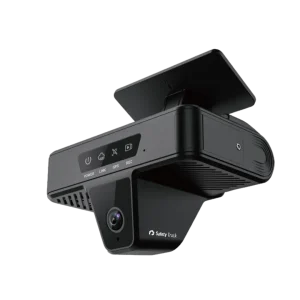
GPS tracking plays a crucial role in enhancing driver behavior and safety. By monitoring driving habits, fleet managers can identify risky behaviors such as harsh braking, rapid acceleration, and excessive speeding. This data can be used to implement targeted training programs aimed at promoting safer driving practices.
Additionally, GPS tracking systems can provide alerts for unsafe driving behaviors, allowing for immediate corrective action. This proactive approach not only reduces the risk of accidents but also lowers insurance costs and enhances overall fleet safety. As a result, businesses can foster a culture of safety while simultaneously improving their operational efficiency.
In What Ways Does GPS Data Improve Asset Utilization?
GPS data significantly improves asset utilization by providing insights into vehicle performance and usage patterns. Fleet managers can analyze data to identify underutilized vehicles and make informed decisions about resource allocation. This leads to more efficient use of assets, reducing unnecessary costs associated with maintenance and fuel management.
Moreover, real-time tracking allows for better scheduling and dispatching, ensuring that vehicles are used optimally. By understanding usage patterns, businesses can also make strategic decisions regarding fleet expansion or reduction, further enhancing asset utilization.
How Can Fleet Managers Leverage GPS Tracking Analytics to Maximize ROI?
Fleet managers can leverage GPS tracking analytics to maximize return on investment (ROI) by focusing on key performance indicators (KPIs) that drive efficiency. Some of the critical metrics to consider include:
- Fuel Savings: Analyzing fuel consumption data helps identify trends and areas for improvement.
- Maintenance Costs: Tracking vehicle performance can lead to proactive maintenance, reducing unexpected breakdowns and repair costs.
- Driver Productivity: Monitoring driver behavior and performance can enhance productivity and reduce operational costs.
By utilizing these analytics, fleet managers can make data-driven decisions that enhance overall fleet management performance and profitability.
What Metrics Demonstrate Return on Investment in GPS Solutions?
To effectively measure the return on investment in GPS solutions, fleet managers should focus on several key metrics:
- Accident Rate: A decrease in accidents can indicate improved driver behavior and safety.
- Fuel Savings: Monitoring fuel consumption before and after implementing GPS tracking can highlight cost reductions.
- Maintenance Costs: Tracking maintenance expenses can reveal savings achieved through proactive vehicle management.
These metrics provide valuable insights into the effectiveness of GPS tracking solutions and their impact on overall fleet performance.
How Do Advanced Analytics Support Predictive Fleet Maintenance?
Advanced analytics play a vital role in supporting predictive fleet maintenance by analyzing data trends and identifying potential issues before they escalate. By leveraging GPS tracking data, fleet managers can monitor vehicle performance and detect anomalies that may indicate maintenance needs.
This proactive approach allows for timely interventions, reducing the risk of unexpected breakdowns and extending the lifespan of vehicles. Additionally, predictive maintenance can lead to significant cost savings by minimizing downtime and optimizing maintenance schedules.
Which Features Define Effective Fleet Management GPS Solutions?
Effective fleet management GPS solutions are characterized by several key features that enhance operational efficiency:
- Real-Time Tracking: Provides live updates on vehicle locations and performance.
- Geofencing: Allows for the creation of virtual boundaries, alerting managers when vehicles enter or exit designated areas.
- Driver Behavior Monitoring: Tracks driving habits to promote safety and efficiency.
These features collectively contribute to a comprehensive fleet management solution that maximizes profits and minimizes operational costs.
What Real-Time Tracking Capabilities Are Essential?
Essential real-time tracking capabilities include:
- Accurate Location Data: Ensures precise tracking of vehicle movements.
- Mobile Accessibility: Allows fleet managers to access data on-the-go through mobile applications.
- Customizable Alerts: Enables managers to set alerts for specific events, such as speeding or unauthorized vehicle use.
These capabilities enhance the effectiveness of GPS tracking systems, providing fleet managers with the tools they need to optimize operations.
How Do Compliance and Regulatory Features Integrate With GPS Systems?
Compliance and regulatory features are integral to GPS systems, ensuring that fleets adhere to industry standards and regulations. These features include: fleet safety and compliance.
- Proactive Compliance Management: Helps fleet managers stay updated on regulatory changes and requirements.
- Tracking Regulations: Monitors compliance with safety and environmental regulations.
- Automated Compliance Tools: Streamlines reporting and documentation processes.
By integrating these features, GPS systems support fleet managers in maintaining compliance while optimizing operational efficiency.
How Does GPS Tracking Contribute to Reducing Fuel Costs and Environmental Impact?
GPS tracking contributes to reducing fuel costs and environmental impact through several mechanisms:
- Route Optimization: Efficient routing minimizes fuel consumption and emissions.
- Monitoring Driver Behavior: Encouraging fuel-efficient driving practices reduces overall fuel usage.
- Preventive Maintenance: Regular maintenance ensures vehicles operate at peak efficiency, further lowering fuel costs.
These strategies not only enhance profitability but also promote a more sustainable approach to fleet management.
What Role Does Route Optimization Play in Fuel Savings?
Route optimization plays a critical role in fuel savings by ensuring that vehicles take the most efficient paths to their destinations. By analyzing traffic patterns and road conditions, GPS tracking systems can suggest optimal routes that minimize travel time and distance. This leads to:
- Reduced Fuel Consumption: Shorter, more efficient routes directly lower fuel usage.
- Improved Delivery Times: Faster routes enhance customer satisfaction through timely deliveries.
- Lower Operational Costs: Overall savings on fuel contribute to reduced operational expenses.
By prioritizing route optimization, businesses can achieve significant cost savings while improving service quality.
How Does Monitoring Driver Behavior Lower Fuel Consumption?
Monitoring driver behavior is essential for lowering fuel consumption. By tracking driving habits, fleet managers can identify inefficient practices such as rapid acceleration and hard braking. Implementing training programs based on this data can lead to: driver training.
- Increased Fuel Efficiency: Educating drivers on fuel-efficient practices can significantly reduce fuel costs.
- Enhanced Safety: Safer driving habits contribute to fewer accidents and lower insurance premiums.
- Improved Vehicle Longevity: Gentle driving reduces wear and tear on vehicles, extending their lifespan.
These benefits highlight the importance of driver behavior monitoring in achieving fuel savings and operational efficiency.
What Are the Advantages of Implementing a Vehicle Tracking System in Logistics Operations?
Implementing a vehicle tracking system in logistics operations offers several advantages, including:
- Enhanced Fleet Management: Improved visibility into fleet operations allows for better decision-making.
- Cost Savings: Optimized routes and reduced fuel consumption lead to lower operational costs.
- Improved Safety: Monitoring driver behavior promotes safer driving practices.
These advantages collectively contribute to a more efficient and profitable logistics operation.
How Does GPS Tracking Improve Delivery Timeliness and Customer Satisfaction?
GPS tracking significantly improves delivery timeliness and customer satisfaction by providing real-time visibility into shipment status. Fleet managers can monitor delivery progress and communicate updates to customers, enhancing transparency. Key benefits include: real-time visibility.
- Real-Time Visibility: Customers can track their shipments, leading to increased trust and satisfaction.
- Optimized Routes: Efficient routing ensures timely deliveries, reducing delays.
- Improved Communication: Enhanced communication between drivers and dispatchers leads to better coordination.
By leveraging GPS tracking, businesses can enhance their service quality and customer satisfaction.
What Impact Does GPS Tracking Have on Fleet Security and Theft Prevention?
GPS tracking has a profound impact on fleet security and theft prevention. By providing real-time location data, fleet managers can quickly respond to unauthorized vehicle use or theft. Key security features include:
- Real-Time Location Monitoring: Enables immediate tracking of stolen vehicles.
- Geofencing Alerts: Notifies managers when vehicles enter or exit designated areas.
- Theft Recovery: Increases the likelihood of recovering stolen assets through prompt action.
These features enhance fleet safety, protecting valuable assets and reducing losses.
How to Choose the Right GPS Asset Tracking Solution for Your Fleet?
Choosing the right GPS asset tracking solution involves several considerations, including:
- Battery Life: Ensure that devices have sufficient battery life for your operational needs.
- Installation Options: Consider whether the solution offers easy installation and integration with existing systems.
- Cost Considerations: Evaluate the total cost of ownership, including subscription fees and maintenance costs.
By carefully assessing these factors, fleet managers can select a GPS tracking solution that meets their specific needs.
What Factors Should Be Considered When Selecting a GPS Tracking Provider?
When selecting a GPS tracking provider, several key factors should be considered:
- Cost: Evaluate pricing structures and ensure they align with your budget.
- Features: Assess the features offered and ensure they meet your operational requirements.
- Customer Support: Consider the level of customer support provided, including training and technical assistance.
These factors play a crucial role in ensuring that the chosen provider can effectively support your fleet management needs.
How Do Cost, Features, and Scalability Influence Decision Making?
Cost, features, and scalability are critical factors influencing decision-making when selecting a GPS tracking solution. Fleet managers must balance the initial investment with the long-term benefits of the system. Key considerations include:
- Evaluating Costs: Analyze both upfront and ongoing costs to determine the total cost of ownership.
- Identifying Essential Features: Prioritize features that align with your operational goals and needs.
- Scalability Considerations: Ensure that the solution can grow with your business, accommodating future needs.
By carefully weighing these factors, fleet managers can make informed decisions that enhance operational efficiency and profitability.
What Are the Latest Industry Trends and Statistics in GPS Fleet Tracking?
As of 2023, several trends are shaping the GPS fleet tracking industry, including:
- Emerging Technologies: Advancements in IoT and AI are enhancing tracking capabilities and data analytics.
- Market Growth: The demand for GPS tracking solutions continues to rise as businesses seek to optimize operations.
- Regulatory Changes: New regulations are driving the adoption of GPS tracking for compliance and safety purposes.
These trends highlight the evolving landscape of GPS fleet tracking and the importance of staying informed about industry developments.
How Are Technological Advancements Shaping Fleet Management?
Technological advancements are significantly shaping fleet management by introducing innovative solutions that enhance efficiency and safety. Key developments include:
- Dash Cam Adoption: Integrating dash cams with GPS tracking provides additional safety and accountability.
- Sustainability Initiatives: Many companies are adopting eco-friendly practices through optimized routing and fuel-efficient vehicles.
- Data-Driven Decision-Making: Advanced analytics enable fleet managers to make informed decisions based on real-time data.
These advancements are transforming fleet management, making it more efficient and responsive to changing market demands.
What Case Studies Demonstrate Proven Profit Maximization Using GPS Tracking?
Several case studies illustrate the effectiveness of GPS tracking in maximizing profits. For instance:
- Company A: Implemented GPS tracking and reduced fuel costs by 20% through optimized routing.
- Company B: Enhanced delivery times by 30% with real-time monitoring, leading to increased customer satisfaction.
- Company C: Achieved a 15% reduction in maintenance costs through proactive vehicle management enabled by GPS data.
These real-world examples demonstrate the tangible benefits of GPS tracking in improving operational efficiency and profitability.
Jeff Stoker is the CEO and founder of Safety Track, a company he established in 2002. With over two decades of leadership in fleet management solutions, Jeff has guided Safety Track from a pioneering vision to a trusted industry leader. His innovative mindset and commitment to excellence continue to drive the company’s growth and impact.