
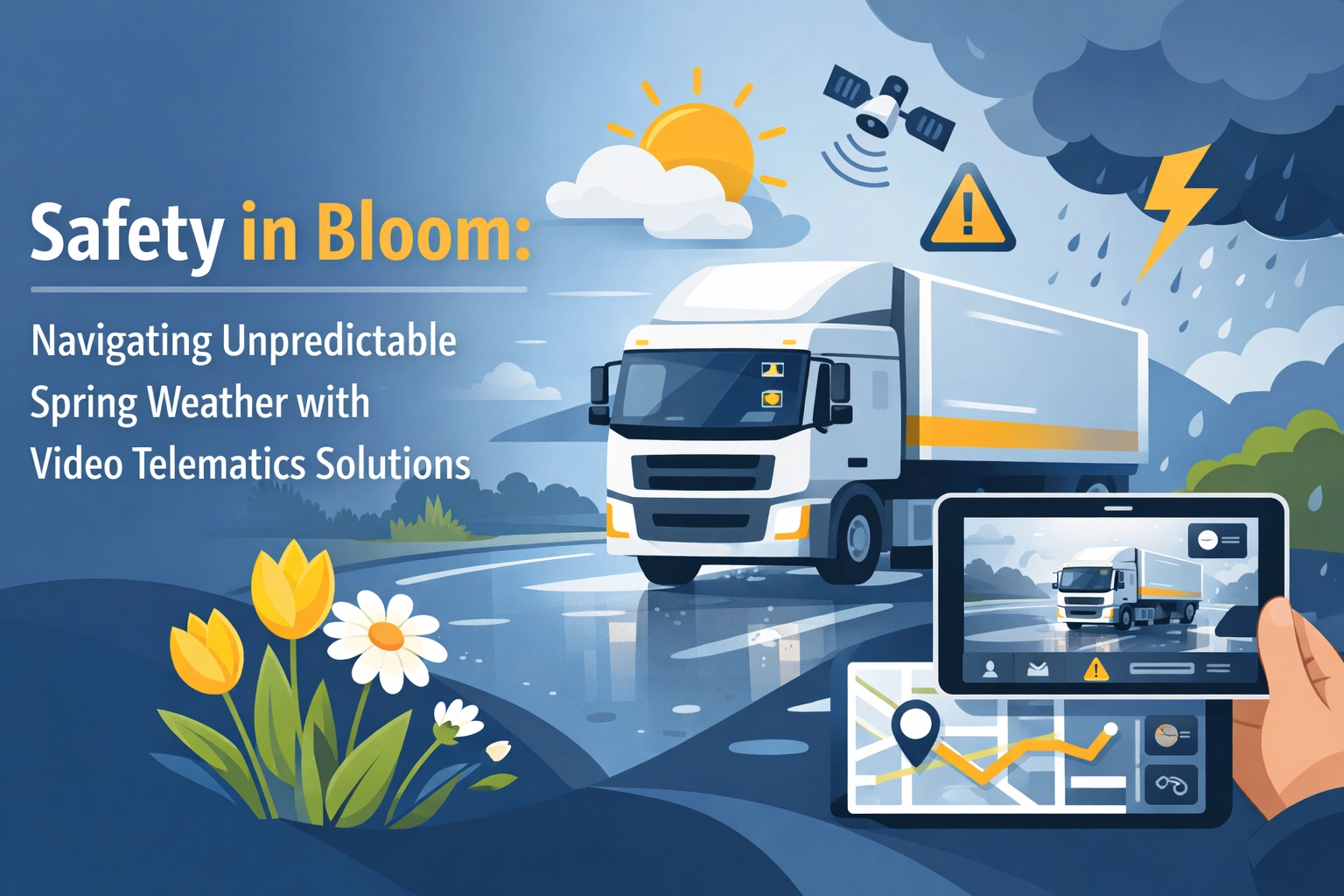
Managing Fleet Safety in Spring: Video Telematics Solutions
As the winter frost recedes, fleet managers often breathe a sigh of relief. However, spring brings its own unique set of atmospheric challenges that can be just as hazardous as black ice. According to the National Weather Service, spring is characterized by some of the most extreme weather variations in the United States. It is not uncommon for certain regions to experience temperature swings of up to 50 degrees in a single 24-hour period, leading to sudden shifts between sunshine, torrential downpours, and dense fog.
For commercial fleets, these transitions represent more than just an inconvenience; they are a significant safety risk. Data from the USDOT indicates that nearly one in five vehicle crashes in the United States are weather-related. With more than 1.23 million weather-related accidents occurring annually, the transition into spring requires a proactive safety strategy. Modern video telematics solutions have evolved to become the primary defense against these seasonal hazards, providing drivers with the real-time insights and automated warnings necessary to navigate the “Safety in Bloom” season safely.
The Physics of Spring: Managing Hydroplaning and Heavy Rain
One of the most immediate threats during spring is the increased frequency of heavy rain. For a heavy-duty commercial vehicle, rain does more than just reduce visibility; it fundamentally changes the relationship between the tires and the road. Hydroplaning occurs when a layer of water builds up between the wheels of the vehicle and the road surface, leading to a loss of traction that prevents the vehicle from responding to control inputs.
AI fleet safety cameras play a critical role here by monitoring road conditions and driver behavior simultaneously. Advanced systems can detect when a driver is maintaining highway speeds during a heavy downpour: a behavior that significantly increases the risk of hydroplaning. By providing in-cab alerts, the system encourages the driver to reduce speed before a loss of traction occurs.
Furthermore, AI-enhanced cameras utilize machine vision to identify standing water or “sheen” on the asphalt that might be invisible to a fatigued driver. When paired with best practices to enhance fleet safety today, these technological interventions create a redundant safety layer that protects both the driver and the asset.
Navigating the “Gray Zone”: AI and Sudden Fog
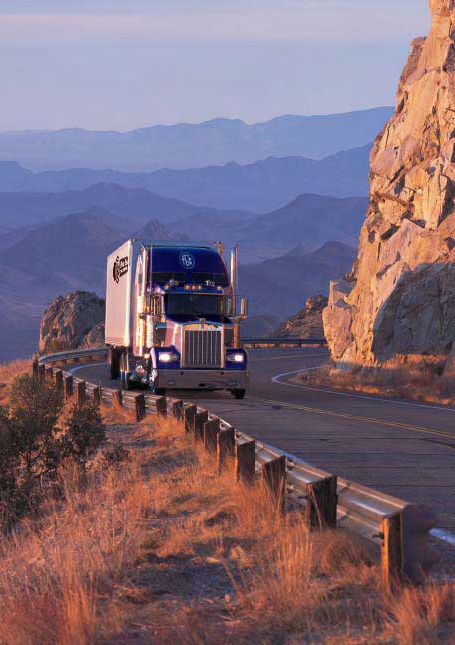
Spring fog is notoriously unpredictable, often rolling in quickly as warm air moves over cooler ground. In these “gray zone” conditions, human visibility can drop from miles to mere feet in a matter of minutes. This is where video telematics solutions equipped with Advanced Driver Assistance Systems (ADAS) prove their value.
Unlike the human eye, AI-powered sensors and cameras can often “see” through low-visibility environments by detecting the heat signatures or the structural outlines of vehicles ahead. If a driver is following another vehicle too closely in foggy conditions, the AI fleet safety cameras will trigger an immediate audible alert. This allows the driver to increase their following distance before a sudden brake event occurs.
By integrating AI driver behavior monitoring, fleet managers can also identify which drivers tend to maintain risky speeds during low-visibility events. This data-driven approach allows for targeted coaching, ensuring that the entire fleet understands the unique protocols required for spring’s unpredictable morning fog.
Real-Time Intelligence: Rerouting and Geofencing
The true power of modern telematics lies in the integration of weather data with GPS positioning. Spring storms can be highly localized; a “microcell” might drop three inches of rain on one highway while a parallel route remains perfectly dry.
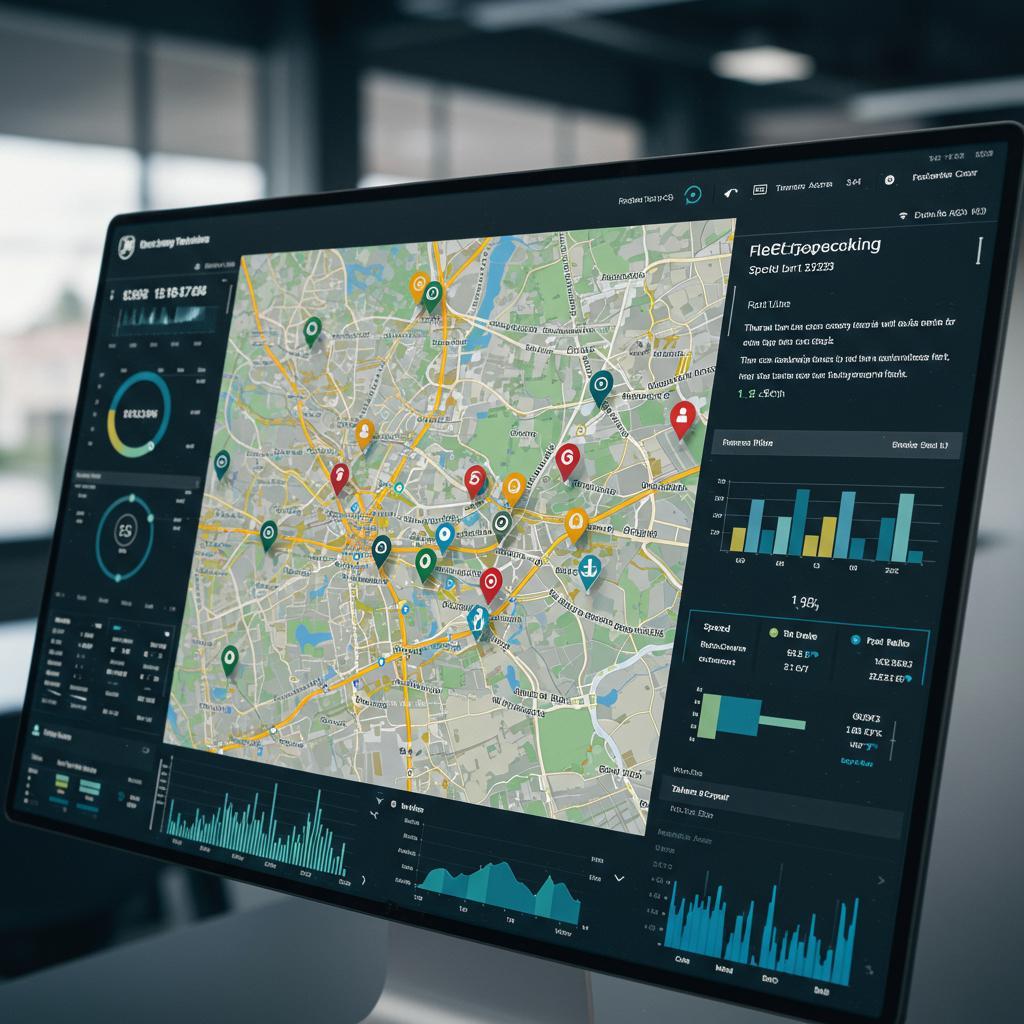
Advanced fleet management platforms now incorporate real-time weather overlays into their dashboards. Fleet managers can use real-time fleet management dashboards to see exactly where their vehicles are in relation to advancing storm fronts or high-wind warnings.
Geofencing for Severe Weather
Using geofencing technology, Safety Track users can set up virtual perimeters around areas under active tornado watches or severe thunderstorm warnings. If a vehicle enters one of these zones, both the driver and the dispatcher receive an automated notification. This level of situational awareness enables:
- Dynamic Rerouting: Moving a driver away from a hail-prone area or a flooded low-pass.
- Proactive Staging: Instructing drivers to find a safe “lay-up” location before a storm hits its peak intensity.
- Asset Protection: Reducing the risk of wind-related rollovers for high-profile trailers.

Transforming Near-Misses into Coaching Opportunities
In the past, fleet managers only knew a driver struggled with spring weather if an accident occurred. Today, AI fleet safety cameras capture the “near-misses” that provide invaluable teaching moments. When a driver is forced to slam on their brakes due to a sudden downpour or a visibility issue, the camera automatically triggers an event recording.
This footage is not used for punishment, but rather for evidence-based coaching. By reviewing these clips, managers can show drivers exactly where their following distance was insufficient or where their speed was too high for the environmental conditions. This shift from reactive enforcement to proactive coaching is one of the most effective ways to enhance safety and efficiency in commercial fleets today.
When drivers know that the video evidence is there to protect them: proving, for example, that a third party hydroplaned into them: they are more likely to embrace the technology. This builds a culture of transparency and continuous improvement that lasts long after the spring rains have subsided.
The Financial Impact: Reducing Downtime and Liability
Beyond the human element of safety, navigating spring weather with advanced technology is a sound financial decision. Weather-related delays cost the trucking industry an estimated $3.5 billion annually. These costs stem from:
- Vehicle Downtime: Repairs from minor “fender benders” caused by wet pavement.
- Increased Insurance Premiums: Each weather-related incident adds to the fleet’s risk profile.
- Cargo Spoilage: Delays in heavy rain or flooding can compromise time-sensitive deliveries.
By utilizing AI dashcam solutions for cost reduction, companies can mitigate these losses. Real-time monitoring ensures that drivers stay on the safest possible routes, while predictive analytics help managers understand the impact of vehicle downtime on their overall productivity.
Preparing Your Fleet for a Safe Spring
As we move deeper into the season, now is the time to audit your fleet’s technological capabilities. Are your current cameras capable of detecting lane departures during heavy rain? Does your telematics provider offer integrated weather alerts?
At Safety Track, we specialize in providing the high-definition visibility and AI-driven insights needed to navigate the most challenging seasons. From affordable GPS tracking solutions to the latest in video telematics solutions, we help you ensure that your fleet is prepared for whatever the clouds may bring.
Spring is a season of growth and renewal, but on the road, it is a season of vigilance. By empowering your drivers with AI fleet safety cameras and real-time data, you aren’t just reacting to the weather: you are staying ahead of it. Ensure your “Safety is in Bloom” this year by investing in the tools that see what the human eye might miss.
To learn more about how to modernize your safety strategy, explore our guide on choosing a fleet management solution or contact us today to see our AI cameras in action.

Tyler Schneider is the IT Director at Safety Track, overseeing the company’s technological infrastructure and innovations. With a strong background in information technology and systems management, Tyler ensures that Safety Track stays at the forefront of tech solutions in fleet management. His strategic expertise supports the seamless integration of technology across the company’s operations.