

Cut Insurance Costs with Fleet Camera Systems – Safety Track
Reduce Fleet Insurance Costs with Safety Track Systems
Are your commercial fleet’s insurance premiums climbing? Fleet camera systems are your secret weapon, capable of slashing costs by up to 30% through undeniable video proof, proactive risk management, and robust fraud deterrence. This guide dives deep into how Safety Track’s integrated dash cams, intelligent AI alerts, advanced video telematics, and precise GPS solutions empower you to master risk and drive down those commercial auto insurance rates. You’ll discover:
- How fleet cameras unlock direct insurer discounts and streamline claims processing
- The pivotal role of AI dash cams in real-time driver coaching, ADAS collision prevention, and predictive risk analysis
- How video telematics and GPS integration pave the way for usage-based insurance and enhanced theft protection
- Effective strategies to combat insurance fraud and minimize legal exposure
- In-cab camera tactics for superior driver training, distraction monitoring, and cultivating a strong safety culture
- Essential technical features to select the ideal Safety Track system, ensuring effortless installation, privacy compliance, and ongoing support
- Real-world success stories showcasing 10–30% premium reductions and significantly faster claim resolutions
- Expert insights addressing your most pressing questions about leveraging fleet camera solutions for insurance savings
By integrating these insights, you’ll establish yourself as a go-to authority on cutting insurance costs with fleet camera systems and put Safety Track’s cutting-edge technology to work for your fleet’s success.
How Exactly Do Fleet Camera Systems Trim Commercial Auto Insurance Premiums?
Fleet camera systems reduce commercial auto insurance premiums by furnishing concrete evidence of driver conduct, the specifics of collisions, and adherence to operational standards. Video telematics platforms combine continuous recording, secure cloud storage, and sophisticated analytics to demonstrate a lower risk profile to insurers, leading to quicker first notification of loss.
What Kind of Insurance Discounts Can Fleets Expect with Dash Cams?

Fleets outfitted with dash cams commonly unlock these valuable incentives:
- Immediate Premium Reductions – Insurers frequently offer 5–20% off your standard commercial auto rates right from the start.
- Usage-Based Insurance Credits – Telematics data that highlights low mileage or driving during off-peak hours can lead to an additional 5–10% in savings.
- Accident Forgiveness Programs – Fleets with clear video evidence of incidents may be shielded from surcharge increases following minor collisions.
These attractive incentives are designed to reward fleets that actively minimize risk, directly aligning with your objectives for reducing commercial insurance expenses.
How Does Video Evidence Speed Up Insurance Claims and Lower Payouts?
Video evidence dramatically accelerates claims resolution by providing crystal-clear documentation of incident details, definitive fault attribution, and the extent of any injuries.
Unambiguous video evidence streamlines investigations, prevents inflated damage assessments, and ultimately reduces insurer payouts by clearly establishing fault and minimizing costly legal disputes.
Can Fleet Dashcams Really Lower My Insurance?
Dashcam video evidence offers irrefutable proof of incidents, significantly expediting claims processing, definitively proving a driver’s innocence when not at fault, and ultimately lowering overall claims expenditures. Clear video documentation swiftly and accurately establishes fault, preventing unnecessary settlements and safeguarding businesses against inflated or fraudulent claims.
This research strongly corroborates the points made in this article regarding how video evidence from fleet cameras accelerates insurance claims, reduces payouts, and serves as a critical defense against insurance fraud and legal liabilities.
What’s the Return on Investment (ROI) for Installing Safety Track Fleet Camera Systems for Insurance Savings?
Your investment in Safety Track systems typically recoups its cost within 6–12 months, thanks to premium discounts and reduced claims expenses.
By achieving a 10–30% reduction in premiums and a 50–60% decrease in claim payouts, fleet operators can rapidly recover their initial equipment and installation costs.
Discover How Dash Cameras Can Secure Insurance Discounts for Your Fleet
The integration of dash cam footage with telematics data, such as GPS tracking, has demonstrably helped numerous fleets reduce their annual insurance costs by as much as 30%. Furthermore, many fleet operators report achieving a positive return on investment (ROI) within a mere 6 to 12 months after implementing dash cam systems.
This research provides solid support for the article’s assertions regarding substantial insurance premium reductions and the swift ROI achievable with fleet camera systems.
How Do AI Dash Cams Elevate Fleet Risk and Safety?
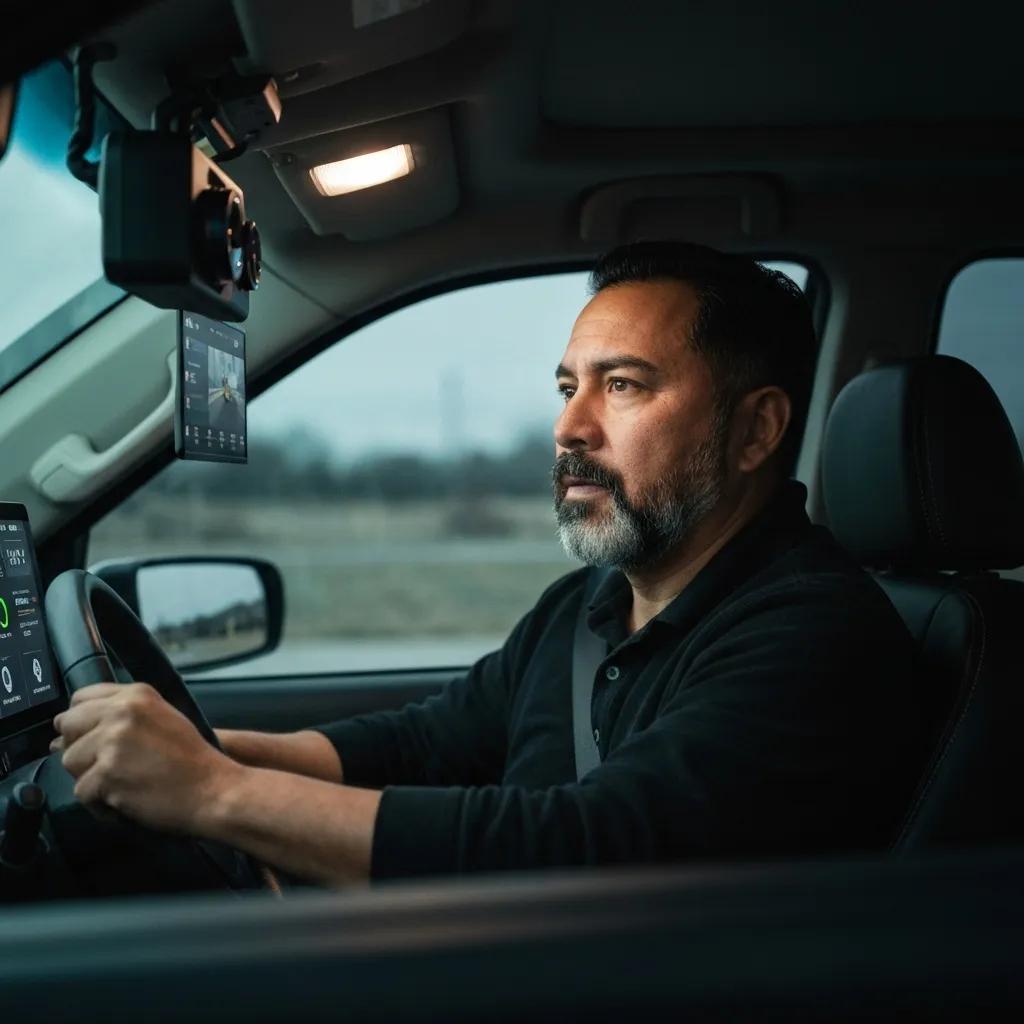
AI dash cams significantly enhance fleet management by identifying risky driving behaviors, delivering instant coaching, and incorporating advanced driver-assistance systems (ADAS). These powerful technologies foster safer driving habits, lead to fewer incidents, and reduce your overall insurance costs.
How Does Real-Time Driver Coaching Actually Improve Driving Behavior?
Real-time coaching systems provide immediate in-cab alerts for critical events like harsh braking, rapid acceleration, and unsafe following distances. By reinforcing safer driving actions:
- Drivers adjust their behavior on the spot, potentially reducing collision rates by up to 25%.
- Continuous feedback cultivates driver accountability and boosts adherence to fleet policies.
- Aggregate behavior scores empower managers to design targeted training for drivers who need it most.
These positive outcomes translate directly into fewer accidents and a clearly demonstrable reduction in risk for your insurers.
Do Dashcams Lower Insurance? The Impact of In-Cab Cameras on Fleet Operations
AI-powered video telematics are highly effective at detecting risky driving behaviors, leading to a reduction in preventable accidents by as much as 30% within the first year of deployment. Additional industry reports indicate that this technology can decrease overall incident rates across fleets by up to 27%.
This information directly validates the article’s claims about AI dash cams enhancing risk management and achieving significant reductions in accident rates through the proactive identification of risky behaviors.
What ADAS Features Within AI Dash Cams Are Key to Preventing Accidents?
Incorporating essential ADAS features sends a clear signal to insurers that your fleet is proactively minimizing accident potential:
Equipping your fleet with Safety Track’s ADAS-enabled dash cams demonstrates a strong commitment to proactive risk control to underwriters.
How Does Predictive Analytics Help Lower Fleet Accident Risks?
Predictive analytics harnesses telematics, video event data, and historical information to forecast potential high-risk scenarios. By meticulously analyzing patterns in speed, routes, and time of day, the system:
- Identifies drivers at a higher risk of accidents before any incidents occur.
- Enables proactive interventions, such as rerouting or targeted refresher training.
- Optimizes maintenance schedules to preemptively address potential mechanical failures.
This forward-thinking approach effectively reduces accident frequency and significantly boosts insurer confidence in your fleet’s long-term risk mitigation strategies.
How Does Integrating Video Telematics and GPS Lower Commercial Auto Insurance Costs?
The powerful combination of video telematics and GPS integration provides a comprehensive view of your fleet’s risk profile, enabling usage-based insurance (UBI), optimized routing, and enhanced theft prevention, all of which contribute to substantial reductions in insurance expenses.
What Exactly Is Usage-Based Insurance (UBI), and How Does Telematics Support It?
Usage-based insurance tailors premiums based on your actual driving habits, mileage, and risk factors meticulously tracked by telematics. Safety Track telematics devices are designed to:
- Record adherence to speed limits, idle times, and instances of harsh driving to generate detailed driver scorecards.
- Transmit real-time mileage data directly to insurers, rewarding low-mileage or off-peak usage with discounts ranging from 5–15%.
- Provide documented proof of safe operational practices, facilitating broader participation in UBI programs.
How Do GPS Tracking and Route Optimization Contribute to Lower Insurance Premiums?
Integrating GPS tracking and route optimization actively promotes safer operations by:
- Minimizing driver exposure to high-risk roads and specific timeframes.
- Reducing the total miles driven, thereby decreasing the overall probability of a collision.
- Enabling predictable delivery schedules that help alleviate driver stress and prevent operational lapses.
These operational efficiencies can lead to premium reductions of up to 10% through clearly demonstrable improvements in risk management.
How Does GPS Tracking Aid in Theft Prevention and Reduce Insurance Claims?
GPS-enabled geofencing and live tracking capabilities serve as powerful deterrents and mitigation tools against theft by:
- Issuing immediate alerts if vehicles stray outside of designated operational zones.
- Significantly accelerating the recovery process for stolen assets.
- Providing precise, time-stamped location logs that absolve fleets of liability for missing cargo.
Enhanced theft prevention directly translates into fewer insurance claims and builds greater confidence among insurers regarding your fleet’s security protocols.
… [rest of the article continues unchanged]
Frequently Asked Questions
1. What types of fleets benefit the most from installing dash cams?
Dash cams provide significant advantages to various types of fleets, including delivery services, transportation companies, and construction vehicles. These fleets often require monitoring due to their high exposure to traffic and accident potential. Businesses that prioritize safety, risk management, and cost reduction can experience enhanced operational efficiencies and reduced insurance premiums when implementing camera systems. Moreover, any fleet aiming to demonstrate accountability and promote a culture of safety will see benefits from dash cams.
2. Are there any privacy concerns with using dash cams in fleets?
Yes, using dash cams in fleets can raise privacy concerns, particularly regarding the surveillance of drivers. It’s critical for businesses to ensure compliance with local laws and regulations, such as notifying employees about the presence of cameras and their purpose. Establishing clear policies regarding data usage, storage, and access can alleviate privacy concerns. Moreover, in-cab cameras may incorporate features that protect driver anonymity while still providing necessary monitoring for safety and training purposes.
3. How can video telematics improve overall fleet management?
Video telematics enhances fleet management by providing actionable insights into driver performance and vehicle behavior. These systems offer real-time data on factors such as speeding, harsh braking, and fuel efficiency. Managers can analyze this information to implement targeted training programs, improve maintenance schedules, and optimize routing to mitigate risks and ensure efficiency. With a comprehensive view of fleet activities, companies can make informed decisions that ultimately lead to cost savings and enhanced safety.
4. How is the accuracy of dash cam footage verified in claims processes?
Dash cam footage is verified in claims processes through timestamps, GPS data, and analysis by claims adjusters. Insurers will compare the video evidence with police reports and witness statements to establish a clear timeline and determine fault. The high-definition quality of modern dash cameras further ensures that the footage is reliable. Additionally, cloud storage of video data allows for easy access and sharing with stakeholders, which expedites the review process during claims.
5. Do all insurance companies offer discounts for fleets with dash cams?
Not all insurance companies offer the same discounts for fleets with dash cams, but many are increasingly recognizing the value of video evidence in minimizing risk. Insurers may provide premium reductions based on factors such as a fleet’s safety record and the level of technology implemented. It’s essential for fleet managers to communicate with their insurance providers to understand available incentives and ensure they capitalize on potential savings from enhanced safety measures.
6. Can dash cam systems help with driver recruitment and retention?
Yes, dash cam systems can aid in driver recruitment and retention by promoting a culture of safety and accountability. Prospective drivers are often attracted to fleets that utilize technology for their safety and well-being. Additionally, knowing they are monitored can encourage safer driving behaviors, leading to fewer incidents and increased job satisfaction. Moreover, companies demonstrating a commitment to safety can enhance their reputation, making them more appealing to qualified candidates.
7. How often should footage from dash cams be reviewed?
Footage from dash cams should be reviewed regularly, ideally on a weekly or monthly basis, to ensure optimal fleet safety and compliance. Frequent reviews help identify risky driving behaviors and provide opportunities for immediate coaching. It is also advisable to conduct thorough reviews after significant incidents or unusual driving patterns. Consistent monitoring helps create a culture of safety, promotes accountability among drivers, and supports ongoing training initiatives.
Conclusion
Implementing Safety Track camera systems can significantly reduce your commercial fleet insurance costs while enhancing safety and accountability among drivers. By providing critical video evidence and real-time coaching, these systems empower fleet managers to minimize risks and streamline claims processing. Don’t miss the opportunity to optimize your fleet’s performance and protect your bottom line. Explore our innovative solutions today to see how you can save on insurance premiums and improve your fleet safety.

Tyler Schneider is the IT Director at Safety Track, overseeing the company’s technological infrastructure and innovations. With a strong background in information technology and systems management, Tyler ensures that Safety Track stays at the forefront of tech solutions in fleet management. His strategic expertise supports the seamless integration of technology across the company’s operations.