

AI Analytics Boosting Fleet Performance Benefits
AI Analytics Boosting Fleet Performance Benefits
Boosting Fleet Performance and Efficiency with AI Analytics
AI analytics is changing how fleets are run. By turning telematics and operational data into actionable recommendations, AI helps fleets run safer, cleaner, and more cost-effectively. This article walks through the core advantages of AI analytics for fleet performance — from operational efficiency and driver safety to predictive maintenance and fuel savings — and explains the technologies that make those gains possible. If you manage a fleet and face pressure to cut costs, improve uptime, and meet sustainability targets, AI analytics offers practical tools to meet those goals. Below we cover the key benefits, predictive use cases, route optimization tactics, and the enabling tech so you can see how AI is redefining fleet operations.
What Are the Key Benefits of AI Analytics in Fleet Performance?
AI analytics delivers several measurable benefits that improve fleet performance: higher operational efficiency, better driver safety, and meaningful cost reductions. By surfacing trends and anomalies from vehicle and driver data, AI helps managers make targeted decisions that streamline operations and stretch resources further.
How Does AI Enhance Operational Efficiency in Fleet Management?
AI boosts operational efficiency by applying algorithms to large data sets and automating routine planning tasks. It optimizes schedules and routes so vehicles spend less time idle and more time earning revenue, which shortens delivery windows and raises customer satisfaction. AI also highlights process bottlenecks and utilization gaps, giving managers the insights needed to correct course and lift overall productivity.
In What Ways Does AI Improve Driver Safety and Behavior Monitoring?
AI strengthens driver safety by analyzing real-time telematics and behavior signals — speed, hard braking, rapid acceleration, and distracted driving events. Those signals let fleets deliver focused coaching and corrective feedback, which improves habits and reduces incidents. Fleets that use AI-backed safety programs commonly see fewer accidents and lower insurance claims, proving the value of proactive risk management.
How Does Predictive Analytics Optimize Fleet Maintenance and Reduce Costs?
Predictive analytics shifts maintenance from reactive to proactive. By combining historical records with live performance metrics, AI predicts likely failures so teams can schedule repairs before a breakdown happens — keeping vehicles on the road and trimming emergency repair costs.
What Is Predictive Maintenance and How Does AI Enable It?
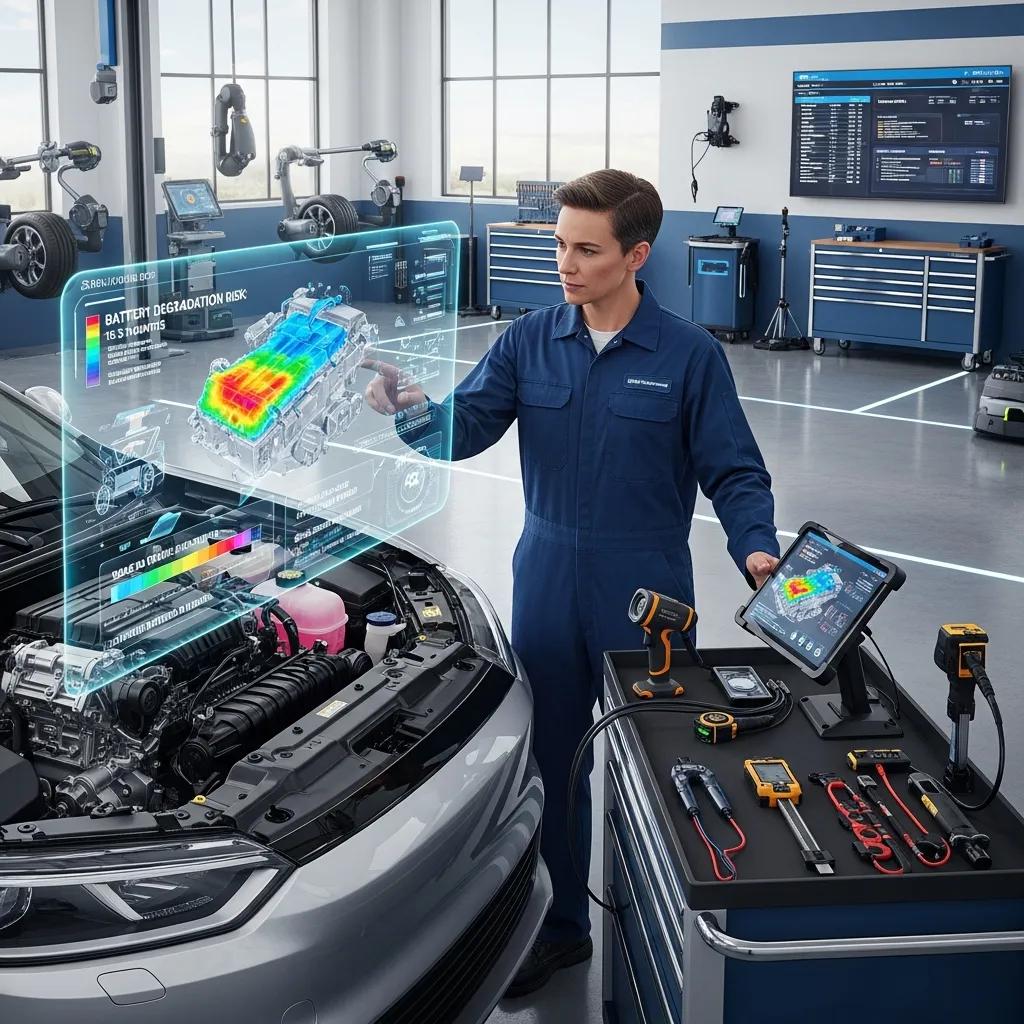
Predictive maintenance uses data patterns to forecast when a vehicle will need service. AI detects subtle performance shifts and anomaly signatures that foreshadow component wear or failure. Acting on those signals reduces surprise downtime, extends equipment life, and lowers long-term maintenance spend.
Research consistently shows that AI-driven predictive analytics is a cornerstone for trimming operational costs and improving asset utilization across maintenance and route planning.
AI-Driven Predictive Analytics for Fleet Optimization & Cost Reduction
Advances in artificial intelligence (AI) and machine learning (ML) are reshaping logistics and transportation. This study examines AI-driven predictive analytics for fleet optimization, focusing on route planning, vehicle allocation, and predictive maintenance. The research aims to lower operational costs, raise delivery efficiency, and improve vehicle utilization through advanced AI models.
AI-Driven Predictive Analytics for Fleet Management Optimization in Logistics and Transportation: Leveraging Machine Learning for Route Planning, Vehicle …, VK Dunka, 2022
How Does Predictive Maintenance Reduce Downtime and Extend Asset Longevity?
With predictive maintenance, fleets can schedule repairs during low-impact windows and avoid costly mid-route failures. That planning keeps vehicles available when demand is highest, improves reliability, and lengthens asset life — all contributing to steadier service and lower total cost of ownership.
What Role Does AI-Powered Route Optimization Play in Fleet Performance?
AI route optimization reduces wasted miles and time by factoring in traffic, weather, delivery windows, and vehicle constraints. Smarter routing lowers fuel use, shortens trips, and helps drivers meet schedules more consistently.
How Do AI Algorithms Optimize Delivery Routes for Cost and Time Savings?
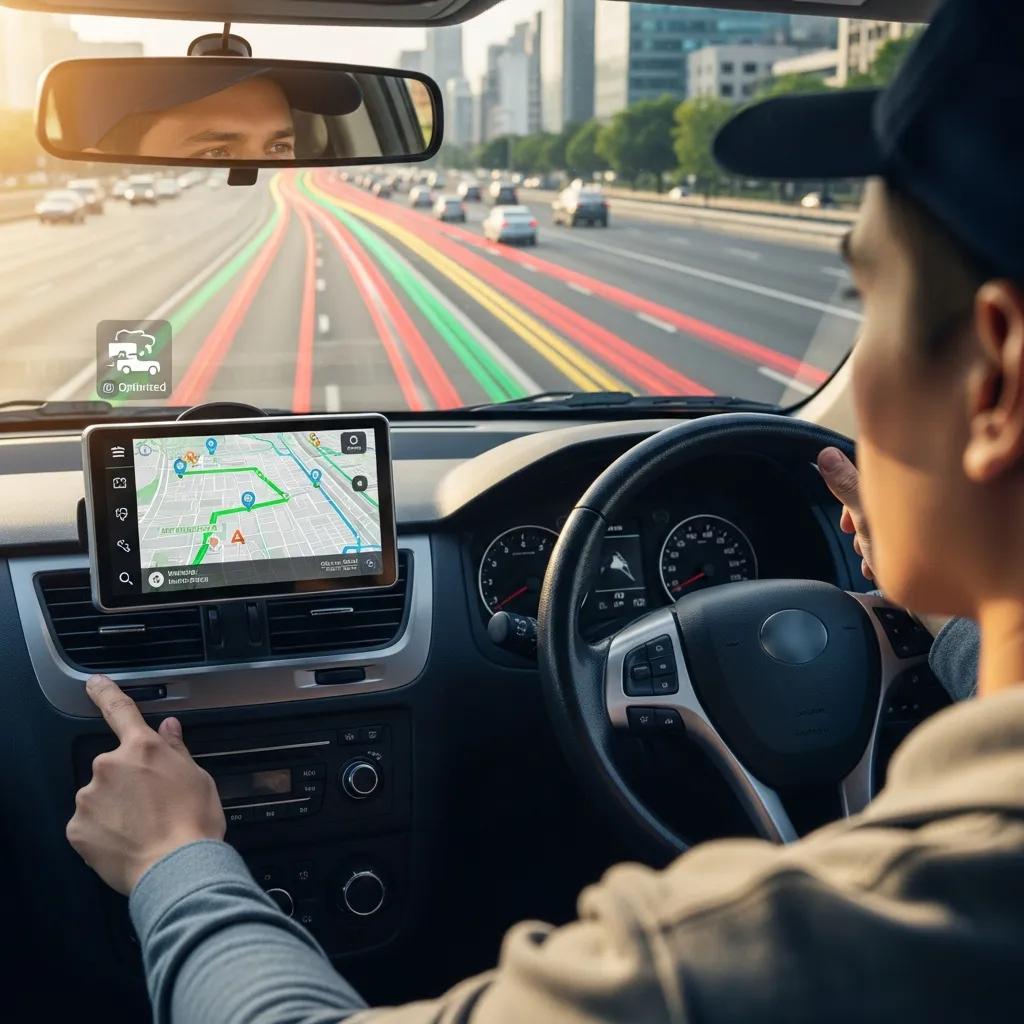
AI considers variables like congestion, road closures, and delivery priorities to create efficient routes that reduce distance and idle time. That approach routinely yields fuel savings and lower operating costs — many fleets report fuel reductions in the 10–20% range after adopting AI-based route planning.
What Are the Benefits of Real-Time Fleet Data Analytics in Route Planning?
Real-time analytics keep route plans responsive to changing conditions. Dispatchers can reroute vehicles around delays, reassign jobs, and keep customers informed — all of which improves on-time performance and protects margins in a dynamic operating environment.
Studies show that combining AI with IoT-enabled real-time data markedly improves route efficiency and supports greener logistics.
AI & IoT for Dynamic Route Optimization & Sustainable Logistics
Rapid progress in AI and data analytics is enabling smarter, more sustainable transportation. This paper outlines an AI-driven approach to route planning and logistics that uses reinforcement learning and cloud platforms. By integrating IoT data, GPS, traffic feeds, and weather forecasts, the system dynamically optimizes routes and anticipates disruptions, improving on-time delivery rates and operational resilience.
Revolutionizing Route Optimization Systems with Artificial Intelligence for a Smarter, Sustainable Logistics Ecosystem, 2025
How Can AI Analytics Improve Fuel Efficiency and Sustainability in Fleets?
AI helps fleets cut fuel use and emissions by identifying inefficient driving, optimizing vehicle use, and keeping equipment tuned. Those improvements support sustainability goals and reduce fuel expense.
What Strategies Does AI Use to Reduce Fuel Consumption?
AI reduces fuel consumption through driver coaching, smoother route planning, and predictive maintenance that keeps engines operating efficiently. Real-time feedback nudges drivers toward fuel-saving behaviors, while analytics find underutilized vehicles or inefficient schedules to be corrected.
How Does AI Contribute to Green Fleet Management and Environmental Impact?
AI lets fleets measure and manage their carbon footprint, then take targeted actions to lower emissions — like switching routes, consolidating loads, or prioritizing low-emission vehicles. These changes cut greenhouse gases and strengthen a fleet’s sustainability credentials with customers and regulators.
What Technologies Enable AI Analytics in Fleet Management?
AI analytics rests on a stack of data-collection and processing technologies: telematics, IoT sensors, cloud platforms, and advanced analytics engines that turn raw signals into decisions.
How Do Telematics, IoT, and Sensors Support AI-Driven Fleet Solutions?
Telematics captures vehicle location and performance; IoT sensors add engine, cargo, and environmental context. Together they feed AI models with the live and historical data needed for predictive maintenance, safety alerts, and smarter routing decisions.
That combination of IoT data and AI forms the backbone of modern, proactive fleet management — enabling predictive insights, stronger safety programs, and measurable sustainability gains.
AI & IoT for Smart Fleet Management: Predictive Analytics, Safety & Sustainability
IoT and AI are driving a shift in fleet management by enabling continuous monitoring and automated optimization. This framework describes how real-time data, predictive analytics, and automation create efficient, safer, and greener fleets. AI identifies patterns for predictive maintenance, minimizes downtime, improves routing to lower emissions, and supports ADAS-driven safety interventions. Together, IoT and AI turn traditional operations into proactive, data-driven systems.
Internet of things (IoT) and artificial intelligence (AI) enabled framework for smart fleet management, PR Potdar, 2025
What Is the Role of Machine Learning and Real-Time Analytics in Fleet Optimization?
Machine learning finds patterns across massive datasets that humans can miss, while real-time analytics let managers act on those patterns instantly. The result is faster, smarter decisions that keep operations efficient and responsive to unfolding events.
What Are the Challenges and Best Practices for Implementing AI in Fleet Operations?
AI delivers value, but adoption has hurdles. Recognizing common challenges and following proven practices helps fleets capture benefits faster and more reliably. AI fleet monitoring solutions can also play a significant role in this process.
What Common Barriers Affect AI Adoption in Fleet Management?
Typical barriers include inconsistent or incomplete data, staff resistance to new workflows, and upfront costs. Overcoming these requires clean data practices, change management, and phased investments that demonstrate value quickly.
How Can Fleet Managers Successfully Integrate AI Analytics Solutions?
Start small with pilot projects that validate ROI, invest in training so teams trust and use the tools, and set clear KPIs to measure progress. That structured approach reduces risk and builds momentum for broader rollout.
What Are the Future Trends of AI Analytics in Fleet Management for 2026 and Beyond?
AI analytics will continue to evolve, with more autonomous decision-making, tighter integration across platforms, and wider use of AI-native applications and agents to automate operational tasks.
How Will AI Agents and AI-Native Software Transform Fleet Operations?
AI agents will take on routine coordination tasks — scheduling, exception handling, and real-time adjustments — freeing teams to focus on strategy and customer service. AI-native systems will embed intelligence across the stack, driving faster, more consistent outcomes.
What Market Growth and Industry Insights Support AI Adoption in Logistics?
Growing investment in AI solutions and mounting customer expectations for speed and transparency are pushing logistics providers to adopt analytics. Companies that embrace AI are better positioned to meet demand, control costs, and scale operations efficiently.
How Does AI Analytics Support Data-Driven Decision Making for Fleet Managers?
AI analytics provides the timely, evidence-based insights fleet managers need to make confident operational choices. With clear dashboards and alerts, managers can prioritize actions that improve uptime, safety, and cost control.
What Real-Time Insights Does AI Provide to Improve Fleet Strategies?
AI delivers live visibility into vehicle health, driver behavior, route performance, and fuel use — helping managers identify issues, reallocate resources, and refine tactics to boost efficiency and service levels.
How Does AI Augment Human Roles in Fleet Management and Driver Collaboration?
AI acts as a decision partner: it surfaces priorities, suggests next steps, and automates routine work while people apply judgment, manage relationships, and handle exceptions. That collaboration improves outcomes and makes teams more effective.
Conclusion
AI analytics drives measurable improvements in operational efficiency, driver safety, and cost control — all while supporting sustainability goals. By turning data into clear actions, AI helps fleet managers run more reliable, efficient, and competitive operations. Learn how our AI-powered solutions can help you improve uptime, reduce costs, and meet your fleet’s performance goals today.

Hannah Lang is a Social Media Marketing Specialist at Safety Track. She has her bachelor’s degree in Advertising and Public Relations from Grand Valley State University. With her passion for research, Hannah possesses a wealth of knowledge expanding across multiple industries and disciplines. Her efforts won her a Scholastic Art and Writing regional Gold Key award.