
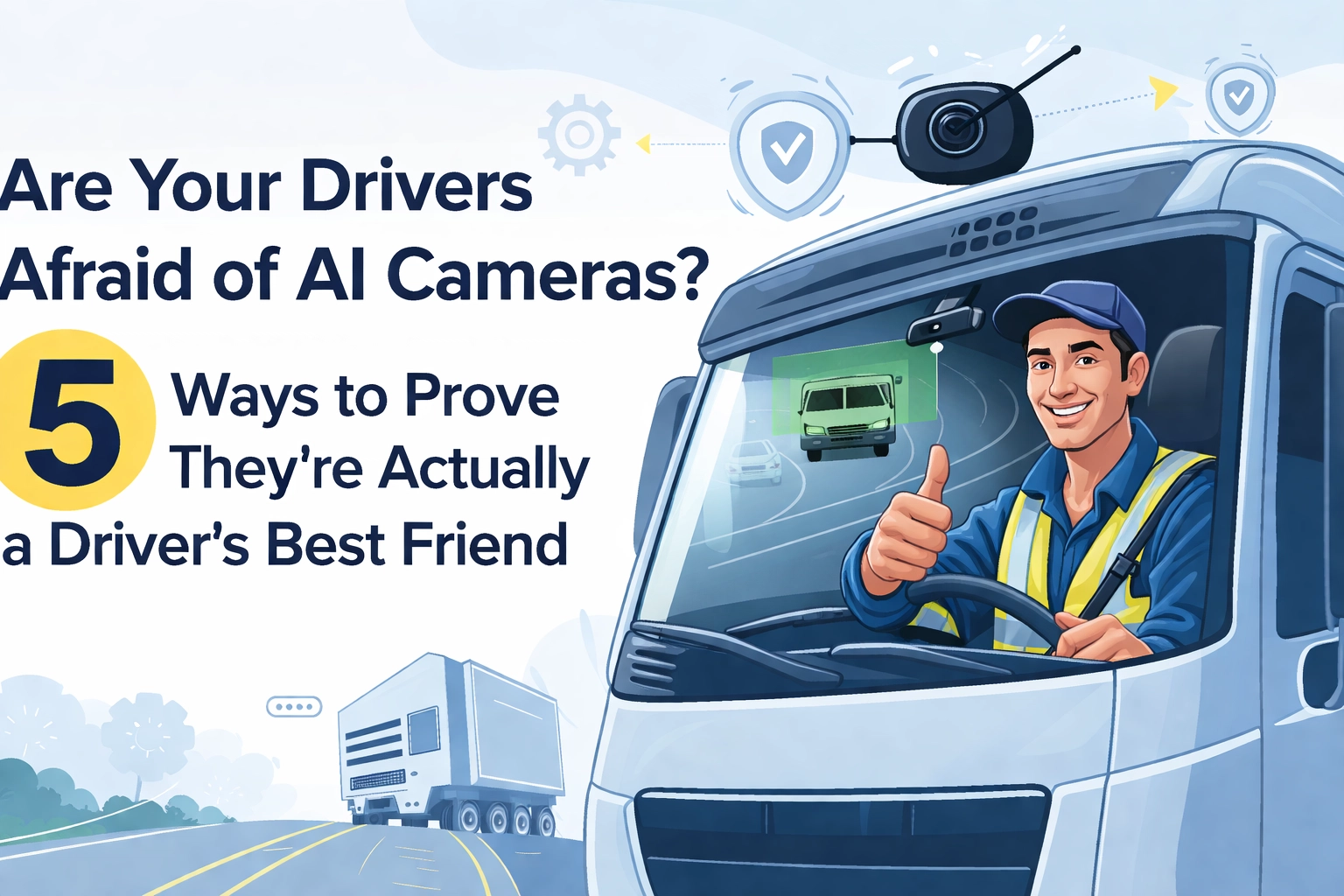
5 Ways AI Dash Cameras Protect and Support DriversAre Your Drivers Afraid of AI Cameras? 5 Ways to Prove They're Actually a Driver's Best Friend
Driver hesitation about AI dash cameras for fleets is real. The idea of being constantly monitored creates tension, anxiety, and sometimes outright resistance. Nobody wants to feel like Big Brother is watching their every move behind the wheel.
But here's the truth that often gets lost in the conversation: AI fleet safety cameras aren't designed to catch drivers doing something wrong. They're designed to protect them when they're doing everything right.
When fleet managers introduce camera technology, the pushback usually comes from a place of misunderstanding. Drivers picture footage being scrutinized for minor mistakes, or worse, used against them unfairly. The reality tells a completely different story: one where cameras become a driver's most reliable witness, advocate, and career development tool.
This post breaks down five concrete ways AI cameras actually serve drivers, not surveil them. Share this with your team. The perspective shift might surprise everyone.
1. Video Evidence That Exonerates Drivers from False Claims
False accident claims cost the trucking industry billions of dollars every year. Drivers know this frustration firsthand. A fender bender that wasn't their fault suddenly becomes a liability nightmare when the other party tells a different story.
AI dash cameras for fleets change the equation entirely.
Dual-facing camera systems capture both the road ahead and the driver's actions simultaneously. When an incident occurs, there's no he-said-she-said debate. The footage provides objective, timestamped evidence of exactly what happened.
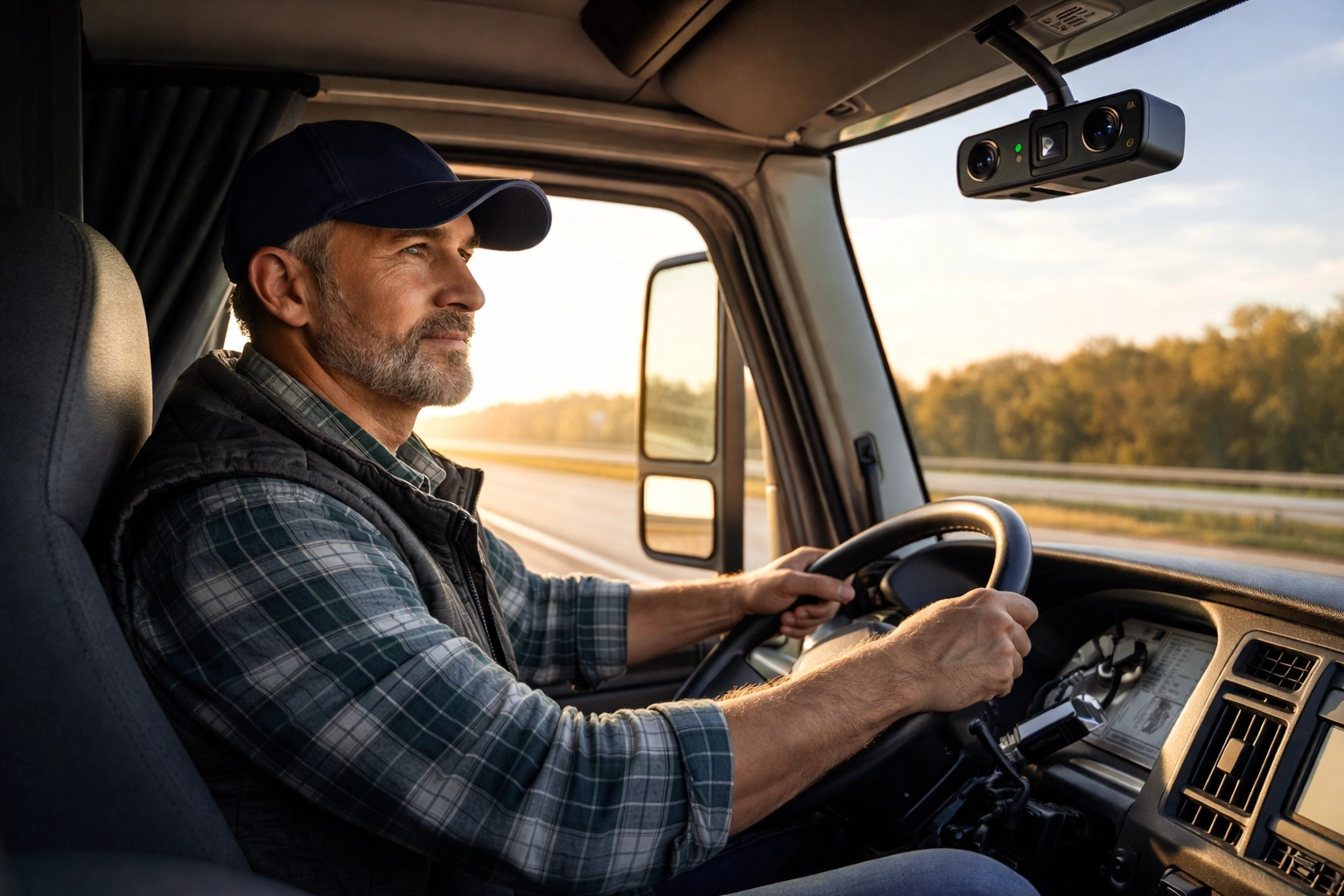
Consider sideswipe events: one of the most common and costly accident types in commercial trucking. Without video evidence, fault often defaults to the larger vehicle. With fleet safety cameras recording side-view footage, drivers have proof that clears their name and protects their driving record.
This protection matters. A single at-fault accident on a driver's record can impact their career for years. AI cameras give drivers the evidence they need to defend themselves against fraudulent claims and inaccurate reports.
As more drivers experience this protection firsthand, resistance to camera technology drops significantly. The cameras aren't watching to catch mistakes. They're watching to catch the truth.
2. Real-Time Coaching Replaces Punishment
Traditional driver monitoring created a culture of "gotcha" moments. Managers reviewed footage looking for infractions, then confronted drivers with evidence of their failures. No wonder drivers dreaded the technology.
Modern AI fleet safety cameras flip this approach entirely.
Today's systems deliver real-time visual and audible alerts that notify drivers of unsafe behaviors the moment they occur. Distracted driving, following too closely, lane departure: the camera detects the issue and gives the driver an immediate chance to self-correct.
This shift from punishment to prevention changes everything about the driver experience.
Safety managers can use footage for coaching conversations rather than disciplinary action. The goal becomes skill development, not fault-finding. Drivers receive specific, actionable feedback that helps them improve without feeling attacked or micromanaged.
Some fleets take this further with gamification features. Mobile apps track safe driving metrics and create friendly competition among drivers. Leaderboards, achievement badges, and recognition programs turn safety into something drivers actively pursue rather than passively endure.
The result? Drivers feel supported instead of surveilled. They see AI cameras as tools that help them become better at their jobs, not threats to their employment.
For more on how real-time data transforms fleet operations, check out The Benefits of Real-Time Fleet Video Telematics.
3. Lower Insurance Premiums Benefit Everyone
Insurance costs hit fleet budgets hard. But those savings don't just stay in the company's pocket: they create stability that benefits drivers directly.
When AI dash cameras for fleets demonstrate safer driving patterns across a fleet, insurance providers notice. Many offer significant premium discounts for fleets using camera technology with proven safety improvements. Some companies report savings of up to 25% on their insurance costs after implementing AI camera systems.
Those numbers translate to real outcomes for drivers:
- Job security. Lower operating costs mean healthier businesses that can retain their workforce.
- Better equipment. Savings often get reinvested into newer trucks and improved working conditions.
- Potential bonuses. Some fleets share insurance savings with drivers who maintain clean records.
One fleet that implemented an AI dashcam system with driver coaching saw a 75% reduction in accidents. That kind of improvement doesn't just lower premiums: it creates a safer work environment where drivers can do their jobs without the constant stress of potential incidents.
The connection between fleet safety cameras and insurance savings also strengthens a driver's position during salary negotiations. A clean driving record backed by video evidence carries weight that verbal assurances simply can't match.
4. New Driver Support and Career Development
Starting a career in commercial driving comes with a steep learning curve. New drivers face unfamiliar vehicles, challenging routes, and pressure to perform from day one. AI cameras provide a safety net that accelerates their development.
The technology captures actionable insights into individual driving patterns. Rather than waiting for a serious incident to identify training needs, fleet managers can spot concerning trends early and address them through targeted coaching.
This early intervention protects new drivers from mistakes that could derail their careers before they even get started.

One fleet's data revealed a new driver developing a dangerous pattern of hard braking events. Without camera footage, this behavior might have continued until it caused an accident. Instead, the system flagged the issue, allowed for a focused coaching session, and resolved the problem before it escalated.
For experienced drivers, AI cameras offer different benefits. The footage becomes a portfolio of professional competence. Years of safe driving documented on video creates a record that follows drivers throughout their careers, opening doors to better positions and higher pay.
Learn more about how AI enhances fleet performance in AI Analytics: Boosting Fleet Performance Benefits.
5. Protection from Liability in an Unpredictable World
Commercial drivers operate in an environment they can't fully control. Other motorists make dangerous decisions. Road conditions change without warning. Pedestrians and cyclists appear unexpectedly. Animals dart into traffic.
When something goes wrong, drivers need more than their word to prove they responded appropriately. AI fleet safety cameras provide that protection.
The footage captures reaction times, steering inputs, braking patterns, and situational awareness in ways that human memory simply cannot. In legal proceedings or insurance investigations, this objective record often makes the difference between a driver being cleared or being held responsible.
Fleets using comprehensive camera systems report a 40% reduction in accidents. Part of that improvement comes from better driving habits. But a significant portion comes from the protection cameras provide against fraudulent claims that would otherwise be counted as at-fault incidents.
This protection extends beyond individual incidents. Drivers who know they have video backup tend to drive with more confidence. They're less anxious about false accusations and more focused on the road ahead. That psychological benefit alone improves safety outcomes.
For a deeper look at balancing safety technology with driver concerns, read Fleet Data Management: Balancing Safety and Privacy.
Custom Solutions That Fit Your Fleet
Generic, one-size-fits-all camera systems often create the problems drivers fear most. They capture everything indiscriminately, generate excessive alerts, and treat every driver the same regardless of experience or track record.
Safety Track takes a different approach.
Custom-tailored AI camera solutions adapt to the specific needs of each fleet and its drivers. Alert thresholds, coaching protocols, and footage review policies can be configured to match company culture and driver expectations. The technology works for the people using it, not against them.
This flexibility matters when introducing cameras to skeptical drivers. A system designed with driver input and concerns in mind faces far less resistance than a corporate mandate imposed from above.
The conversation around fleet safety cameras doesn't have to be adversarial. When drivers understand the protection, coaching, and career benefits these systems provide, the fear of being watched transforms into appreciation for being supported.
AI cameras aren't surveillance tools. They're professional equipment that protects drivers, develops their skills, and documents their competence. In a world where one false claim can damage a career, that protection isn't optional: it's essential.
Ready to explore camera solutions that work with your drivers instead of against them? Learn more about Safety Track's approach to fleet safety technology.

Tyler Schneider is the IT Director at Safety Track, overseeing the company’s technological infrastructure and innovations. With a strong background in information technology and systems management, Tyler ensures that Safety Track stays at the forefront of tech solutions in fleet management. His strategic expertise supports the seamless integration of technology across the company’s operations.