

Benefits of Trailer Tracking for Your Business
Benefits of Trailer Tracking for Your Business
Benefits of Trailer Tracking for Your Business
In the fast-paced world of logistics and fleet management, the ability to monitor assets in real-time is crucial for operational success. Trailer tracking systems have emerged as a vital tool for businesses looking to enhance efficiency, reduce costs, and improve security. This article delves into the numerous benefits of trailer tracking, exploring how these systems can transform fleet management practices. Many companies face challenges such as asset theft, inefficient routing, and compliance issues, which can significantly impact their bottom line. By implementing trailer tracking technology, businesses can address these pain points effectively. We will cover the benefits of trailer tracking systems, how they improve fleet management, and best practices for implementation.
Benefits of Trailer Tracking Systems
Trailer tracking systems offer a multitude of advantages that can significantly enhance business operations. These systems provide real-time monitoring capabilities, which allow fleet managers to keep track of their assets at all times. This level of visibility not only improves operational efficiency but also aids in theft prevention. Additionally, the data collected through these systems can lead to better decision-making and resource allocation.
For businesses looking to optimize their fleet management, integrating a trailer tracking system can be a game-changer. Safety Track specializes in GPS tracking solutions tailored for fleet management, focusing on trailer tracking technology. Their systems are designed to provide real-time location data, improve asset security, and optimize fleet operations, ultimately leading to enhanced operational efficiency and reduced costs.
How Does Trailer Tracking Technology Improve Fleet Management?
Trailer tracking technology enhances fleet management by providing critical data that informs decision-making processes. By integrating GPS and telematics, businesses can access real-time data on vehicle locations, driver behavior, and trailer conditions. This information allows fleet managers to make informed decisions regarding routing, maintenance, and resource allocation. Trailer tracking technology enhances fleet management by providing critical data that informs decision-making processes.
Moreover, the ability to monitor driving behaviors can lead to improved safety and compliance with regulations. Fleet managers can identify patterns that may indicate unsafe driving practices, enabling them to implement training programs for drivers. This proactive approach not only enhances safety but also reduces the risk of accidents and associated costs.
Real-Time Location Monitoring for Operational Efficiency
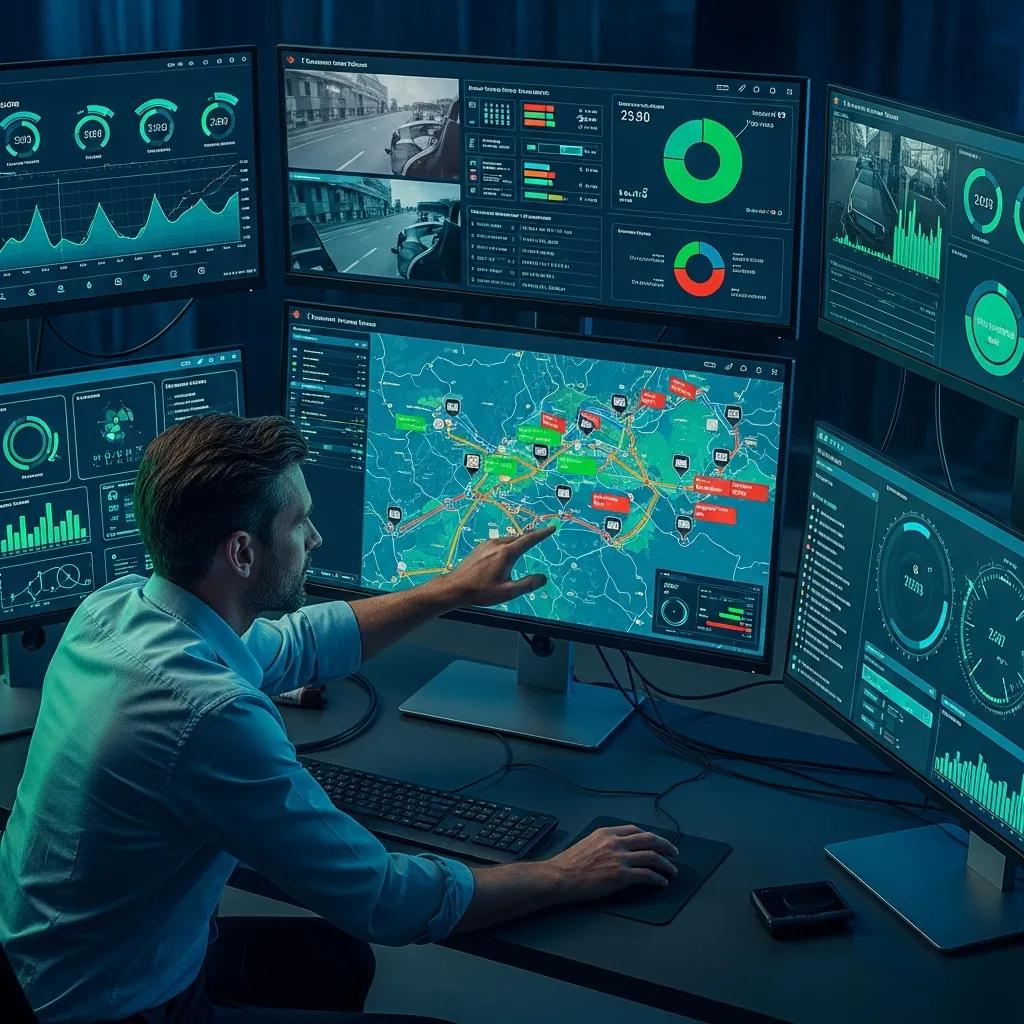
Real-time location monitoring is a cornerstone of effective fleet management. By utilizing trailer tracking systems, businesses can reduce idle time and improve resource allocation. Fleet managers can quickly identify which trailers are in use and which are available, allowing for more efficient scheduling and routing.
This capability also enhances decision-making, as managers can respond swiftly to changes in demand or unexpected delays. The result is a more agile and responsive fleet management that can adapt to the dynamic nature of logistics operations.
Integration of GPS and Telematics in Trailer Tracking Solutions
The integration of GPS and telematics in trailer tracking solutions provides businesses with a comprehensive view of their fleet’s performance. GPS technology allows for precise location tracking, while telematics offers insights into vehicle health and driver behavior. Together, these technologies create a powerful tool for optimizing fleet operations.
Businesses can set up customizable alerts for various parameters, such as speed limits or maintenance schedules, ensuring that they stay informed about their fleet’s status. Detailed reporting features further enhance the ability to analyze performance metrics, leading to continuous improvement in fleet management practices.
What Are the Key Trailer Tracking Benefits for Business Cost Savings?
Implementing trailer tracking systems can lead to significant cost savings for businesses. Here are some key benefits:
- Improved Inventory Control: By knowing the exact location of trailers, businesses can manage their inventory more effectively, reducing the risk of overstocking or stockouts.
- Reduced Fuel Costs: Optimized routing and reduced idle time lead to lower fuel consumption, directly impacting the bottom line.
- Enhanced Decision-Making: Access to real-time data allows for better strategic planning and resource allocation, ultimately driving down operational costs.
These cost-saving benefits make trailer tracking an essential investment for businesses looking to enhance their operational efficiency.
Reducing Operational Expenses Through Optimized Fleet Utilization
Optimizing fleet utilization is crucial for reducing operational expenses. Trailer tracking systems enable businesses to implement strategies that maximize the use of their assets. Here are some effective strategies:
- Route Planning and Optimization: By analyzing traffic patterns and delivery schedules, businesses can create more efficient routes that save time and fuel.
- Driver Training and Monitoring: Monitoring driver behavior helps identify areas for improvement, leading to better driving practices and reduced wear and tear on vehicles.
- Regular Maintenance: Tracking systems can alert managers when maintenance is due, preventing costly repairs and downtime.
By focusing on these strategies, businesses can significantly reduce their operational expenses while improving overall fleet performance.
Minimizing Theft and Asset Loss with Advanced Security Features
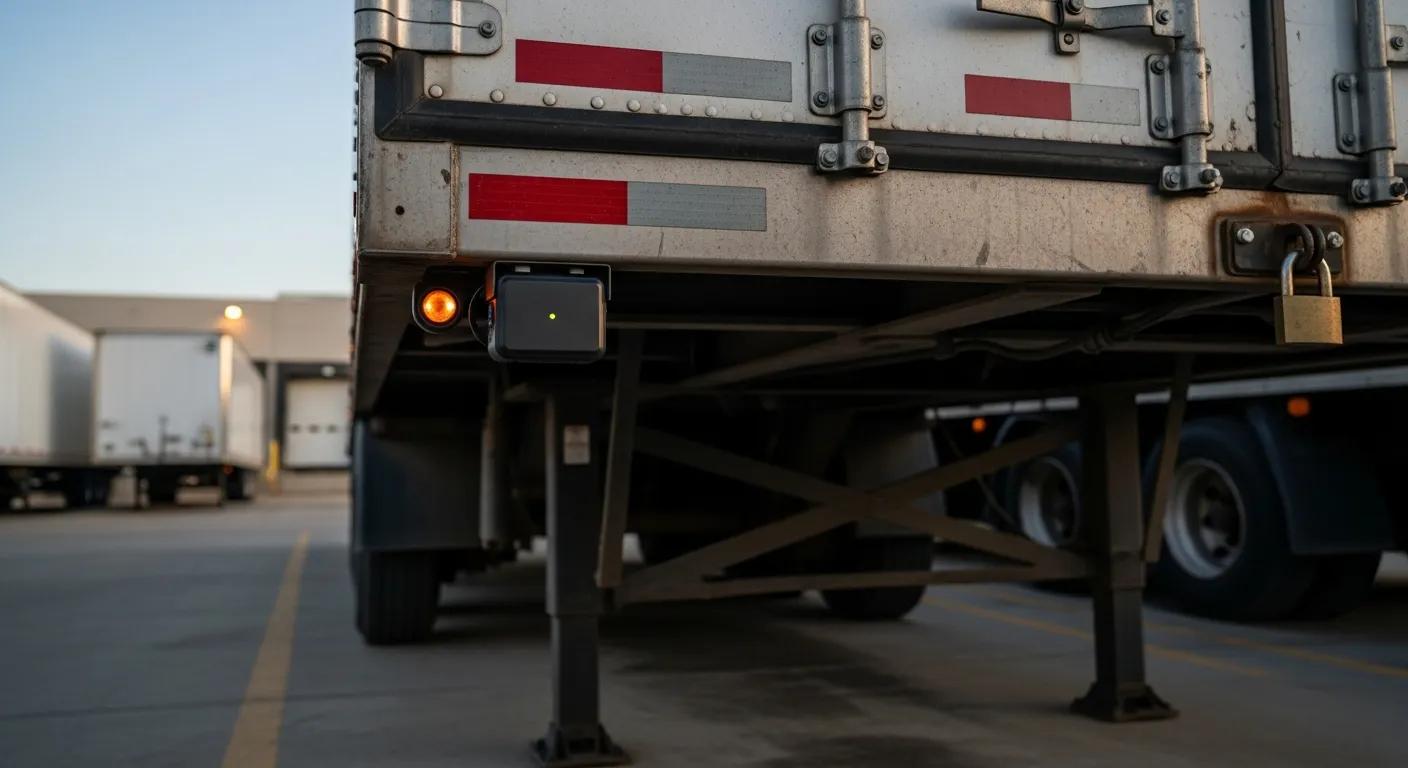
The theft and asset loss are significant concerns for businesses that rely on trailers for their operations. Advanced security features in trailer tracking systems help mitigate these risks. Key features include: asset tracking.
- GPS Tracking Devices: These devices provide real-time location data, making it easier to recover stolen assets.
- Geofencing Alerts: Businesses can set virtual boundaries for their trailers and receive alerts if a trailer moves outside these designated areas.
- Live Stream Viewing Cameras: Some systems offer live video feeds, allowing managers to monitor their assets in real-time.
These security features not only protect valuable assets but also provide peace of mind for fleet managers.
The importance of robust data and advanced security measures is further underscored by studies examining the challenges of trailer theft and regulatory violations.
Combating Trailer Theft & Violations with Enhanced Data
This study evaluates the feasibility for developing and maintaining a comprehensive tractor truck trailer database. The commercial motor vehicle (CMV) community currently lacks a cross-jurisdictional, centralized repository for commercial trailers registered in United States and Canadian jurisdictions. Existing federal databases provide information on interstate commercial motor carriers, vehicles, and drivers but exclude trailers. Similarly, IRP and IFTA do not collect trailer-level data, and trailer data is displayed inconsistently across its customer base. Approximately one fifth of violations in Kentucky during inspections from 2020 to 2022 were attributed to trailers, including worn tires, inadequate brakes or improper registration. The rise of organized theft affecting rail and trucking operations requires countermeasures such as incorporating better data on trailers and improving federal coordination.
IRP Commercial Trailer Data Feasibility Study, 2025
How Does Trailer Tracking Support Compliance and Regulatory Requirements?
Compliance with transportation and safety regulations is critical for fleet management. Trailer tracking systems support compliance in several ways:
- Real-Time Data for Compliance: Access to real-time data helps businesses ensure they meet regulatory requirements regarding vehicle maintenance and driver behavior.
- Monitoring Driving Behaviors: Tracking systems can monitor speed, braking, and other driving behaviors, helping to identify potential compliance issues.
- Maintaining Accurate Records: Automated data collection simplifies record-keeping for audits and regulatory inspections.
By leveraging trailer tracking technology, businesses can enhance their compliance efforts and reduce the risk of penalties.
Ensuring Adherence to Transportation and Safety Regulations
To ensure adherence to transportation and safety regulations, businesses can implement the following strategies:
- Understanding Compliance Requirements: Fleet managers should stay informed about the latest regulations affecting their industry.
- Routine Maintenance: Regular maintenance checks help ensure that vehicles are in compliance with safety standards.
- Driver Training: Providing ongoing training for drivers on safety regulations and best practices is essential for maintaining compliance.
These strategies not only help businesses avoid penalties but also promote a culture of safety within the organization.
Leveraging Trailer Tracking Data for Audit and Reporting Purposes
Trailer tracking systems generate a wealth of data that can be leveraged for audits and reporting. This data can be used to:
- Data Collection for Audits: Automated data collection simplifies the audit process, making it easier to provide necessary documentation.
- Real-Time Monitoring: Continuous monitoring allows businesses to identify and address issues before they escalate.
- Compliance Reporting: Accurate records facilitate compliance reporting, ensuring that businesses meet regulatory requirements.
By effectively utilizing trailer tracking data, businesses can streamline their audit processes and enhance their reporting capabilities.
What Are Best Practices for Implementing Trailer Tracking Systems?
Implementing trailer tracking systems requires careful planning and execution. Here are some best practices to consider:
- Choosing the Right Tracker: Select a tracking system that meets the specific needs of your fleet, considering factors such as coverage area and features.
- Integration with Fleet Management Systems: Ensure that the tracking system integrates seamlessly with existing fleet management software for optimal performance.
- Regular Updates and Maintenance: Keep the tracking system updated to take advantage of new features and improvements.
By following these best practices, businesses can maximize the benefits of their trailer tracking systems.
Selecting the Right Fleet Trailer GPS Tracking Devices
Choosing the right GPS tracking devices is crucial for effective trailer tracking. Consider the following factors:
- Identifying Goals: Determine what you want to achieve with the tracking system, such as theft prevention or operational efficiency.
- Evaluating Options: Research different tracking devices and their features to find the best fit for your needs.
- Considering Installation: Ensure that the installation process is straightforward and does not disrupt fleet operations.
Selecting the right trailer tracking system will enhance the effectiveness of your trailer tracking system.
Training and Adoption Strategies for Fleet Managers
Successful implementation of trailer tracking systems requires proper training and adoption strategies. Here are some effective approaches:
- Customized Training Resources: Develop training materials tailored to the specific needs of your fleet managers and drivers.
- Dedicated Support Team: Establish a support team to assist with any questions or issues that arise during the implementation process.
- Phased Rollout Approach: Consider a phased rollout of the tracking system to allow for adjustments and improvements based on initial feedback.
These strategies will facilitate a smoother transition to using trailer tracking technology.
How Can Trailer Tracking Enhance Asset Security and Theft Prevention?
Trailer tracking systems play a vital role in enhancing asset security and preventing theft. Key features include:
- Real-Time GPS Tracking: Continuous tracking allows for immediate response in the event of theft.
- Geofence Alerts: Businesses can set up alerts for unauthorized movements, enabling quick action.
- Tampering Alerts: Many systems offer alerts for tampering, providing an additional layer of security.
By utilizing these features, businesses can significantly reduce the risk of asset loss.
Real-Time Alerts and Geofencing Capabilities
Real-time alerts and geofencing capabilities are essential components of effective trailer tracking systems. These features allow businesses to:
- Receive Instant Notifications: Alerts can be set up for various events, such as unauthorized movements or speed violations.
- Customize Alerts: Businesses can tailor alerts to their specific needs, ensuring they receive relevant information.
- Establish Virtual Boundaries: Geofencing creates virtual boundaries that help monitor trailer movements effectively.
These capabilities enhance the overall security of fleet operations.
What Advanced Analytics and Reporting Features Do Trailer Tracking Solutions Offer?
Advanced analytics and reporting features in trailer tracking solutions provide valuable insights for fleet management. Key features include:
- Comprehensive Reports: Detailed reports on vehicle performance, driver behavior, and asset utilization help inform decision-making.
- Data Analytics: Analyzing data trends can reveal opportunities for improvement and cost savings.
- Predictive Maintenance Alerts: Advanced systems can predict maintenance needs based on usage patterns, preventing costly breakdowns.
These features empower businesses to make data-driven decisions that enhance fleet performance.
Data-Driven Insights for Fleet Optimization
Data-driven insights are crucial for optimizing fleet operations. By leveraging the data collected through trailer tracking systems, businesses can:
- Utilize GPS Tracking for Insights: Real-time location data provides insights into asset utilization and efficiency.
- Incorporate Video Surveillance: Integrating video feeds can enhance security and provide additional context for incidents.
- Access Real-Time Data: Continuous access to data allows for timely adjustments to operations.
These insights enable businesses to refine their strategies and improve overall fleet performance.
Predictive Maintenance and Performance Monitoring
Predictive maintenance and performance monitoring are essential for maintaining fleet efficiency. Key aspects include: predictive maintenance.
- Real-Time Monitoring: Continuous monitoring of vehicle health helps identify potential issues before they escalate.
- Automated Maintenance Scheduling: Systems can automate maintenance schedules based on usage data, ensuring timely service.
- Fleet Maintenance Alerts: Alerts for upcoming maintenance needs help prevent breakdowns and extend vehicle lifespan.
By implementing predictive maintenance strategies, businesses can enhance their fleet’s reliability and performance.
How Do Trailer Tracking Systems Integrate with Existing Fleet Management Software?
Integrating trailer tracking systems with existing fleet tracking industries management software is crucial for maximizing their effectiveness. Key considerations include:
- Assess Current Needs: Evaluate the specific needs of your fleet to determine the best integration approach.
- Choose Compatible Systems: Ensure that the tracking system is compatible with your existing software for seamless data sharing.
- Centralize Data Management: Centralizing data management allows for more efficient operations and better decision-making.
Effective integration enhances the overall functionality of fleet management systems.
Compatibility and API Integration Options
Compatibility and API integration options are essential for ensuring that trailer tracking systems work effectively with existing software. Key points to consider include:
- Open API Integration: Look for systems that offer open API integration for flexibility and customization.
- Integration with Existing Systems: Ensure that the tracking system can easily integrate with your current fleet management software.
- Custom Applications: Consider the potential for developing custom applications that enhance the functionality of your tracking system.
These options provide businesses with the flexibility to tailor their tracking solutions to their specific needs.
Benefits of Unified Fleet and Trailer Tracking Platforms
Unified fleet and trailer tracking platforms offer several advantages for businesses. Key benefits include:
- Real-Time Tracking: A unified platform provides comprehensive visibility into all fleet assets, enhancing operational efficiency.
- Improved Fleet Management: Centralized data allows for better decision-making and resource allocation.
- Cost Savings: Streamlined operations lead to reduced costs and improved profitability.
By adopting a unified platform, businesses can enhance their fleet management capabilities.
What Are the Latest Industry Trends in Trailer Tracking Technology?
The trailer tracking technology landscape is constantly evolving, with several key trends shaping the industry. These include:
- Solar-Powered Trackers: Innovations in solar technology are leading to more sustainable tracking solutions.
- Integration of IoT and AI: The use of IoT devices and AI analytics is enhancing the capabilities of trailer tracking systems.
- Increased Automation: Automation is streamlining operations and improving efficiency in fleet management.
Staying informed about these trends is essential for businesses looking to remain competitive in the logistics industry.
AI and IoT Enhancements in Trailer Tracking
- Real-Time Data Collection: IoT devices enable continuous data collection for improved decision-making.
- Predictive Insights: AI analytics provide predictive insights that help businesses optimize their operations.
- Improved Operational Efficiency: These technologies enhance overall operational efficiency by automating processes and providing actionable insights.
By leveraging AI and IoT, businesses can significantly enhance their fleet management capabilities.
Further research highlights how the integration of IIoT and AI is crucial for achieving smart logistics, real-time monitoring, and significant cost reductions.
IIoT & AI for Smart Logistics: Real-time Monitoring & Cost Reduction
Smart logistics has become the essential need of industry 5.0 to minimise logistic time and cost and maximise the customer satisfaction and organisation profit. This work presents the IIoT model integrated with intelligent logistics, transportation management structure for optimised logistic, betterment of customer experience and customer satisfaction, minimise transportation cost, the present work focus on the certain paraments of logistic scheduling such as optimal route identification, real time monitoring of logistic vehicle parameters such as fuel, wheel axel and engine vibration, temperature monitoring, customise and efficient designing of maintenance schedule and predictive maintenance of logistic vehicle for efficient working.
Industrial IoT and AI implementation in vehicular logistics and supply chain management for vehicle mediated transportation systems, A Bhargava, 2022
Future Outlook: Innovations Driving Fleet Management Efficiency
The future of fleet management solutions is bright, with several innovations driving efficiency. Key areas of focus include:
- Telematics Advancements: Continued advancements in telematics technology are enhancing data collection and analysis.
- AI Integration: The integration of AI into fleet management systems is providing deeper insights and improving decision-making.
- Sustainable Fleets: Innovations aimed at creating more sustainable fleets are becoming increasingly important in the industry.
By embracing these innovations, businesses can position themselves for success in the evolving landscape of fleet management.
Jeff Stoker is the CEO and founder of Safety Track, a company he established in 2002. With over two decades of leadership in fleet management solutions, Jeff has guided Safety Track from a pioneering vision to a trusted industry leader. His innovative mindset and commitment to excellence continue to drive the company’s growth and impact.