
7 Fleet Camera Mistakes and How AI Can Solve Them
In the modern logistics landscape, having a camera in the cab isn’t just a “nice to have”: it’s a survival tool. As we navigate 2026, the complexity of fleet management has scaled alongside the technology meant to simplify it. However, simply mounting a piece of hardware to a windshield doesn’t equate to a safety program.
Many fleet managers fall into the “set it and forget it” trap, assuming that the presence of a lens will automatically lower insurance premiums and stop accidents. The reality is that traditional, “dumb” camera systems often create as many problems as they solve, from data overload to strained driver relationships.
At Safety Track, we see these pitfalls every day. The good news? Artificial Intelligence (AI) has transformed fleet camera systems from passive witnesses into proactive safety partners. Here are the seven most common mistakes fleets make with their camera systems and how AI-enhanced solutions can fix them.
1. Using Cameras Only for “Gotcha” Moments
One of the most damaging mistakes a fleet can make is using video evidence exclusively for disciplinary action. When a driver only hears from management after a mistake is caught on film, the camera becomes a symbol of mistrust: a “spy in the cab.”
The AI Fix: Proactive Exoneration and Recognition
AI dash cameras for fleets shift the narrative from punishment to protection. Modern systems, like those offered by Safety Track, are designed to exonerate drivers in “not-at-fault” accidents. When a passenger vehicle cuts off a semi-truck, the AI immediately flags the event as an external hazard rather than driver error.
By using AI to identify and reward positive driving behaviors: like maintaining safe following distances in heavy traffic: you turn the camera into a tool for professional growth. This shifts the culture from “gotcha” to “good job,” significantly improving driver retention.

2. Ignoring the “Blind Spots” in Driver Behavior
Standard camera systems rely on “G-force triggers.” This means they only start recording if there is a hard brake, a sharp turn, or a collision. The problem? These triggers are reactive. They don’t see the five minutes of distracted driving that led to the hard brake.
The AI Fix: Real-Time Distraction Detection
A dual dash cam for fleets equipped with AI doesn’t wait for a physical impact to start working. The internal-facing lens uses computer vision to detect signs of fatigue, smoking, or mobile phone usage in real-time.
Instead of waiting for an accident to happen, the system provides an audible in-cab alert, allowing the driver to self-correct instantly. This proactive approach can reduce accidents by up to 40% because it addresses the root cause of risk before the G-force sensors ever trip.
3. Drowning in Unstructured Video Data
If you have a fleet of 50 trucks, a standard camera system can generate hundreds of hours of footage every week. Most fleet managers don’t have the time to sit and watch “event clips” that turn out to be a truck hitting a pothole or a minor curb strike. This leads to “alert fatigue,” where critical safety events are missed because they are buried under mountains of junk data.
The AI Fix: Automated Event Filtering
AI serves as a virtual safety manager that works 24/7. It filters through the noise, automatically categorizing events by risk level. It can distinguish between a “harsh brake” caused by an emergency stop and a “harsh brake” that was actually a collision.
By presenting only the most critical, high-risk events to management, AI ensures that your time is spent coaching the drivers who need it most, rather than hunting for needles in a haystack of video files. This improves operational efficiency and ensures that your video telematics solution actually delivers an ROI.
4. Falling Victim to “Ghost Coaching”
“Ghost coaching” occurs when a safety event is triggered and recorded, but no one ever follows up with the driver. When drivers realize that triggered events are never discussed, they stop taking the safety system seriously. Worse, in the event of a lawsuit, “ghost coaching” creates a paper trail of unaddressed negligence that can be devastating in court.
The AI Fix: Structured Coaching Workflows
Modern AI platforms integrate coaching directly into the dashboard. When a high-risk event is detected, the AI generates a “coaching pack”: a curated clip of the incident along with talking points and a space for the driver’s signature.
This ensures that every critical event is closed out with a documented conversation. By closing the loop between the incident and the education, you protect the company from liability and genuinely improve driver performance over time. You can learn more about avoiding these risks in our guide to avoiding ghost coaching.

5. Relying on “Dumb” Hardware and SD Cards
Many fleets still use basic cameras that record to local SD cards. This is a recipe for disaster. SD cards fail frequently due to the high-vibration environment of a truck cab. Even worse, if a catastrophic accident occurs, the hardware: and the evidence: can be destroyed or “lost” before it can be retrieved.
The AI Fix: Cloud-Connected Edge Processing
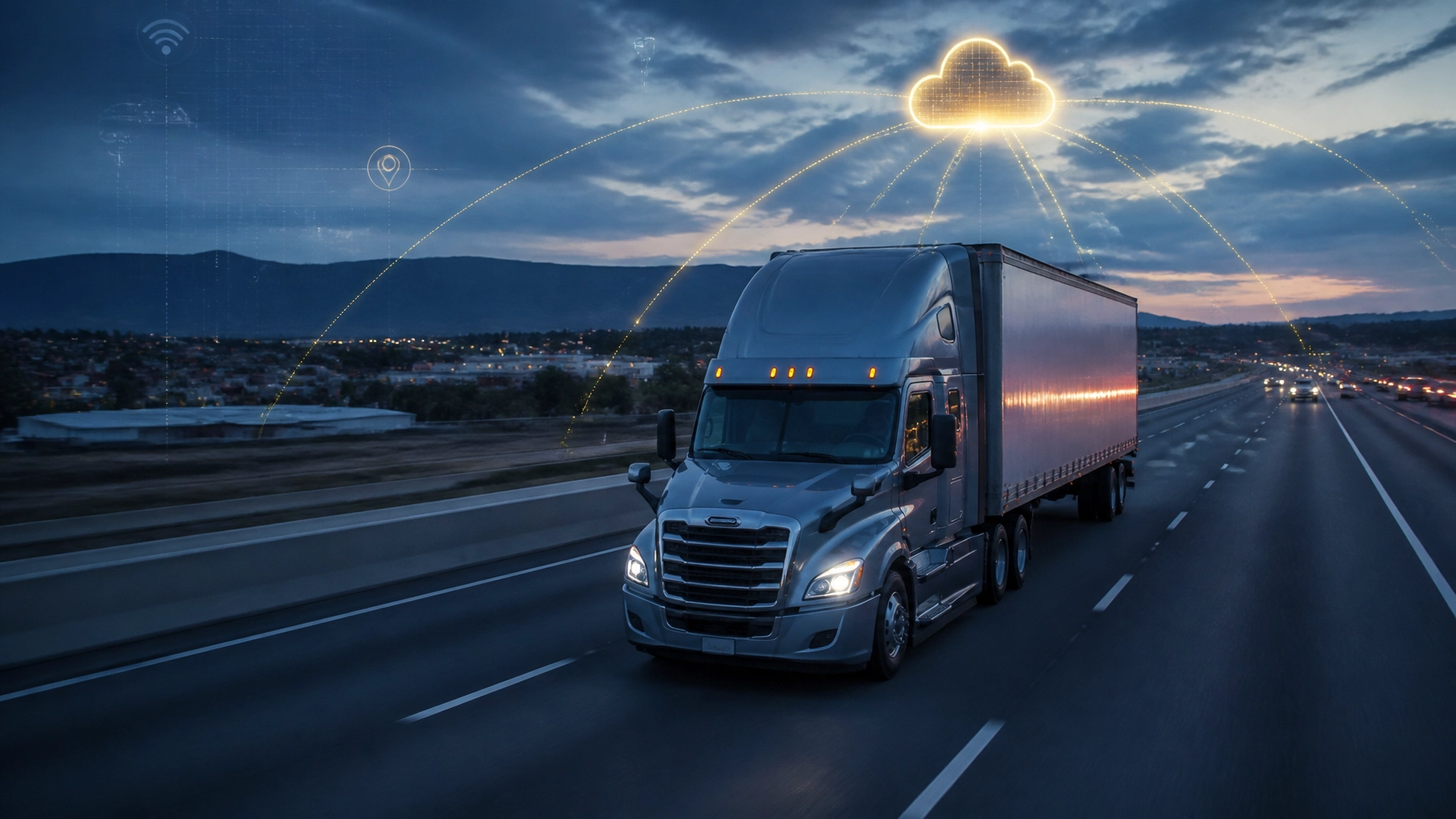
Safety Track’s AI systems use “Edge Processing.” The AI analyzes the video on the device and instantly uploads critical event clips to the cloud via 4G/5G networks.
This means that even if the camera is destroyed in a fire or a collision, the footage is already safely stored on our servers. You never have to worry about a “no video” situation when a million-dollar claim is on the line. Furthermore, the system performs “health checks” and alerts you if a camera has been tampered with or if a lens is obstructed.
6. Keeping Video and GPS in Separate Silos
A common mistake is treating the camera system and the GPS tracking system as two unrelated tools. When video and telematics are siloed, fleet managers have to manually cross-reference timestamps from two different pieces of software to understand the context of an event.
The AI Fix: Integrated Video Telematics
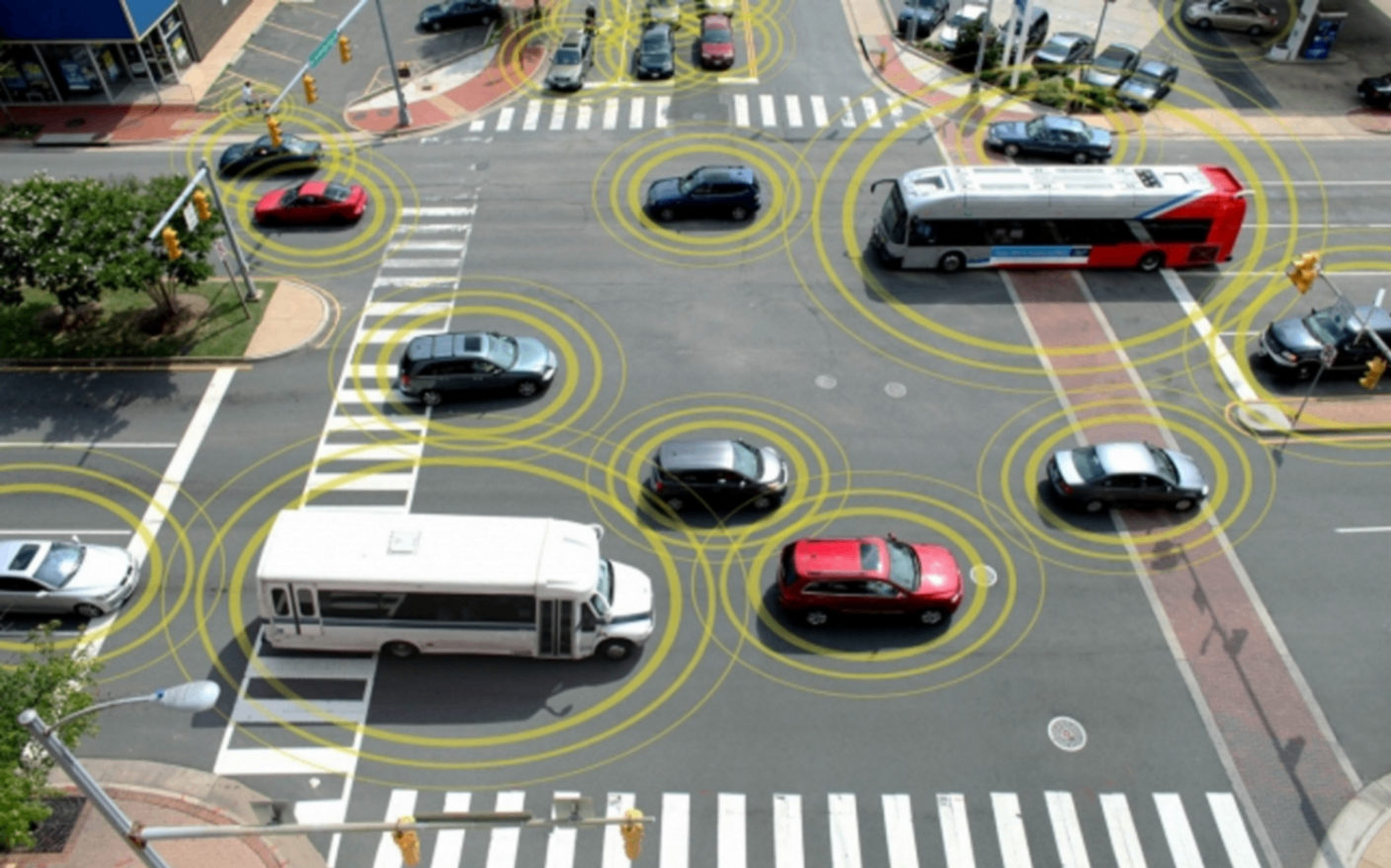
The true power of AI is realized when it is paired with asset tracking and GPS. Safety Track provides a single-pane-of-glass view where you can see exactly where a vehicle was, how fast it was going, and the AI-analyzed video of the driver’s behavior simultaneously.
If a driver is accused of a “hit and run,” you don’t just see the video; you have the GPS breadcrumb trail and the speed data to prove exactly where the truck was at that millisecond. This integration is essential for modern maintenance tracking and overall fleet performance.
7. Failing to Establish a Clear Privacy Policy
Introducing cameras without a clear, written policy on how the data is used is a major tactical error. It leads to driver anxiety and potential legal hurdles with labor unions or HR. If drivers think the camera is recording them 24/7 during their sleeper-berth time, morale will plummet.
The AI Fix: Privacy-First AI Settings
AI camera systems can be configured with strict privacy triggers. For example, the internal lens can be set to only record and upload video when a safety violation is detected (like phone use or fatigue), staying “private” during standard driving hours.
By having a transparent policy that explains how AI filters for safety while respecting personal space, you build the trust necessary for a successful rollout. When drivers understand that the AI is there to help them avoid accidents: and to prove they weren’t at fault when someone else hits them: the resistance disappears.
Conclusion: Moving From Passive to Proactive
The days of simply “having a camera” are over. In a world of nuclear verdicts and rising insurance costs, your fleet needs a system that thinks, analyzes, and protects in real-time. By moving away from these seven common mistakes and embracing AI-enhanced security, you can reduce accidents by 40%, lower insurance costs by 25%, and build a culture of safety that drivers actually want to be a part of.
At Safety Track, we don’t believe in one-size-fits-all. We custom-tailor our AI dash cameras and fleet management solutions to fit your specific operations, whether you’re hauling freight across the country or managing a local waste management fleet.
Ready to stop making these mistakes and start protecting your fleet? Contact Safety Track today for a custom-tailored solution that puts AI to work for your bottom line.

Tyler Schneider is the IT Director at Safety Track, overseeing the company’s technological infrastructure and innovations. With a strong background in information technology and systems management, Tyler ensures that Safety Track stays at the forefront of tech solutions in fleet management. His strategic expertise supports the seamless integration of technology across the company’s operations.