
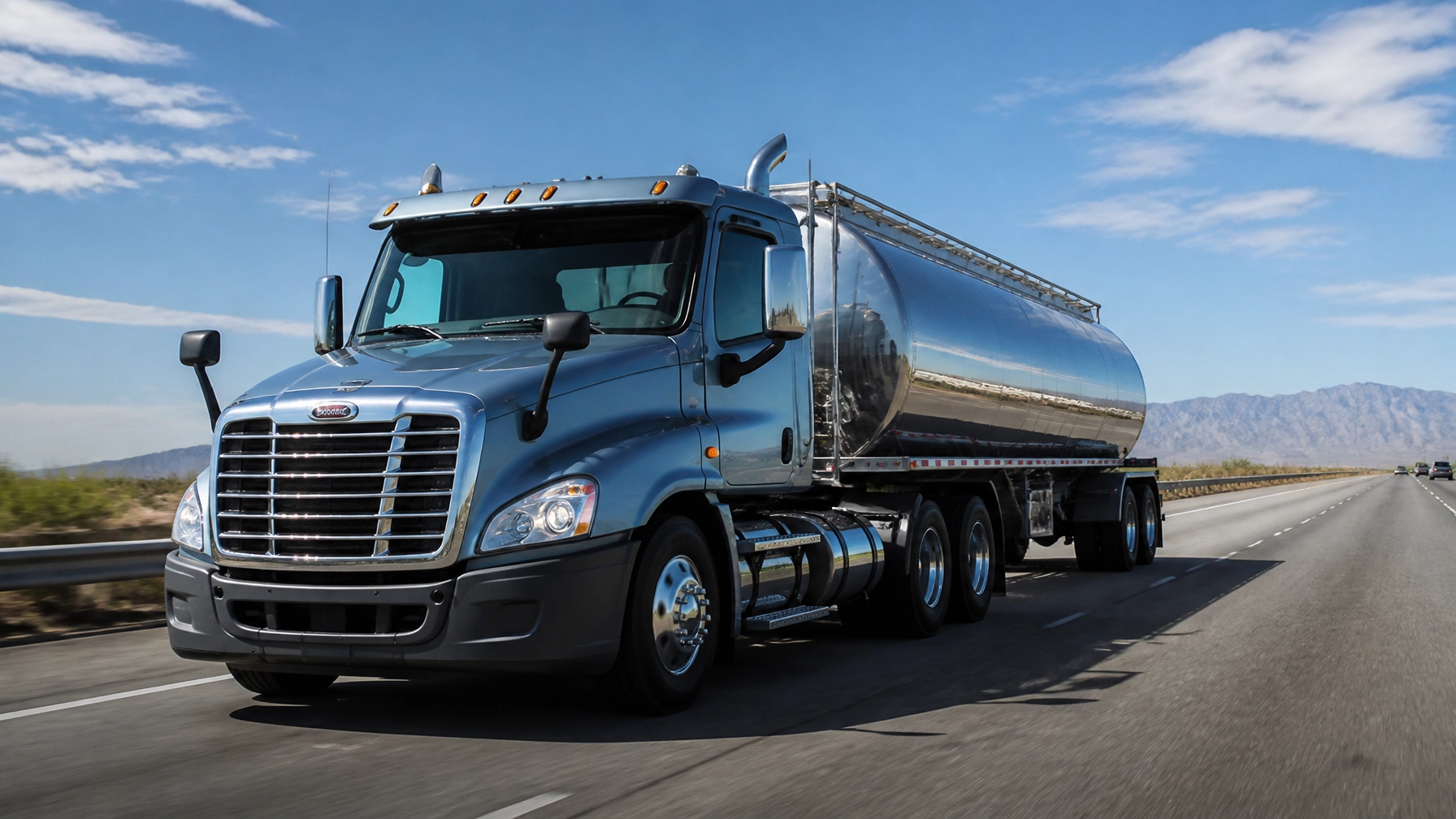
Optimizing the Flow: Route Efficiency for Multi-Stop Fuel Delivery
In the fuel delivery industry, efficiency is not just a goal; it is the difference between a profitable quarter and an operational deficit. For fleet managers overseeing multi-stop fuel deliveries, the challenges are unique and complex. Unlike standard freight, fuel delivery involves hazardous materials, specialized equipment like multi-compartment tankers, and strict regulatory compliance. Every mile driven represents a cost, and every minute spent idling or stuck in traffic is a drain on resources.
Optimizing the flow of a fuel delivery fleet requires more than just a map and a schedule. It demands a sophisticated integration of technology, real-time data, and proactive safety management. By leveraging modern vehicle tracking and video telematics solutions, companies can transform their logistics from a reactive process into a streamlined, data-driven operation.
The Complexity of Multi-Stop Fuel Logistics
Fuel delivery is arguably one of the most difficult “vehicle routing problems” in the logistics world. Fleet managers must account for a variety of variables that standard delivery services never encounter.
First, there is the issue of multi-compartment tankers. A single truck may carry several different grades of fuel or different products entirely across separate compartments. This adds a layer of complexity to sequencing. You cannot simply drop off any product at any stop; the route must be planned around which compartment holds which fuel and how much each customer needs.
Second, the delivery methods vary. Some stations require gravity-fed drops, while others need pump-off systems. Terminal availability and loading rules also fluctuate throughout the day. If a driver arrives at a terminal during a peak window without a pre-planned slot, the resulting delay ripples through every subsequent stop on the route.
Finally, the safety stakes are significantly higher. Hauling thousands of gallons of flammable liquid means that route optimization isn’t just about saving fuel: it’s about ensuring the driver is on the safest possible roads, avoiding low bridges, residential areas where possible, and high-congestion zones that increase the risk of an incident.
Reducing Empty Miles and Deadhead
One of the primary levers for increasing efficiency is the reduction of “empty miles”: the distance a truck travels without a payload. In fuel delivery, this often happens after the final drop-off when the truck returns to the terminal or home base. While some deadhead is inevitable, strategic route planning can minimize it significantly.
By using an intelligent route optimization engine, dispatchers can cluster stops more effectively. Instead of a linear path that ends far from the terminal, routes can be designed as “loops” or “star patterns” that keep the vehicle within a tighter radius of its refill point.
Leveraging Data for Sequencing
Modern routing tools analyze historical GPS tracking data to determine the most efficient sequence for a multi-stop run. These systems consider:
- Customer Time Windows: Ensuring the truck arrives when the station is ready to receive fuel.
- Refill Thresholds: Automatically scheduling a stop when a customer’s tank reaches a specific low point, preventing emergency runs that disrupt optimized routes.
- Traffic Patterns: Avoiding routes that are chronically congested during specific hours of the day.
When these factors are managed through a centralized platform, fleets often see up to a 30% reduction in fuel consumption through better behavior monitoring and route efficiency.

Real-Time Visibility with GPS and Telematics
Visibility is the cornerstone of efficient dispatching. Without real-time data, a fleet manager is essentially flying blind once the truck leaves the yard. GPS truck tracking devices provide the constant stream of location data necessary to manage a dynamic delivery environment.
Dynamic Rerouting
In a perfect world, every route would go according to plan. However, accidents, road closures, and weather events are common. Real-time telematics allow dispatchers to see these obstacles as they happen and push updated routes directly to the driver’s in-cab device.
This level of agility is crucial for fuel fleets. If a primary terminal is experiencing a long delay, a dispatcher with real-time visibility can reroute a driver to an alternative terminal or adjust the stop sequence to prioritize customers who can wait until the delay clears.
Monitoring Dwell Time
Dwell time: the amount of time a truck spends at a terminal or a delivery site: is a major efficiency killer. Telematics systems can set up geofences around common delivery points. If a truck remains inside that geofence longer than the allotted time, an alert is sent to dispatch. This allows managers to identify patterns. Is a specific customer’s site layout causing slow drops? Is a particular terminal consistently slow on Tuesday mornings? This data allows for more accurate planning in the future.
AI-Enhanced Safety: The Fleet Safety Cameras Advantage
In fuel delivery, safety and efficiency are two sides of the same coin. An accident doesn’t just cost money in repairs and insurance; it stops the delivery flow entirely and can lead to massive liability. This is where fleet safety cameras and video telematics solutions become indispensable.
Proactive Risk Mitigation
Safety Track’s AI-enhanced dash cameras do more than just record footage. They actively monitor for signs of risk. For a driver hauling hazardous materials, fatigue or distraction for even a few seconds can be catastrophic. AI cameras can detect if a driver is nodding off, looking at a mobile device, or following too closely.
By providing real-time in-cab alerts, the system helps the driver self-correct before an incident occurs. This proactive approach has been shown to reduce accidents by up to 40% in some fleets. Fewer accidents mean fewer route disruptions, lower insurance premiums, and more consistent service for your customers.

Protecting the Bottom Line: Insurance and Liability
For fuel delivery companies, insurance is one of the largest fixed costs. Because the materials being hauled are hazardous, a single “nuclear verdict” or major settlement can bankrupt a smaller operation. A truck camera system with gps serves as your best defense against false claims.
When an incident occurs, the difference between a long, expensive legal battle and a quick exoneration is often just a few seconds of video. High-definition footage provides an objective record of exactly what happened. If a passenger vehicle cuts off a fuel tanker and causes a collision, the video evidence can prove the truck driver was not at fault.
Moreover, demonstrating to insurance providers that your fleet uses active AI monitoring and structured driver coaching can lead to up to 25% lower insurance costs. In a high-stakes industry like fuel delivery, these savings directly improve the ROI of the technology.
Maintaining the Flow: Diagnostics and Uptime
An efficient route is meaningless if the vehicle cannot complete it. Fuel tankers are complex machines with heavy-duty engines and specialized pumping equipment. Unexpected breakdowns don’t just delay one delivery; they take a high-value asset off the road, often for days.
Modern telematics systems integrate with the vehicle’s engine diagnostics to provide real-time health monitoring. This allows fleet managers to:
- Track Maintenance Intervals: Schedule oil changes, brake inspections, and tire rotations based on actual mileage and engine hours rather than guesses.
- Detect Fault Codes Early: If a sensor detects a minor issue with the fuel system or engine performance, dispatch is notified immediately. Fixing a small problem now is much cheaper than waiting for a total engine failure on the highway.
- Monitor Specialized Equipment: For fuel delivery, ensuring that pumps, hoses, and valves are in top condition is essential for safety and efficiency. Integrating these checks into the maintenance schedule ensures the truck is always “delivery ready.”
Creating a Culture of Efficiency and Safety
The most successful fuel fleets understand that technology is a tool for people. Implementing fleet safety cameras and tracking is most effective when it’s part of a broader company culture that values safety and accountability.
Driver Coaching and Retention
Instead of using cameras only for “gotcha” moments, the best managers use the data for coaching. Video clips of “near misses” or exemplary defensive driving can be used as training materials. When drivers know that the system is there to protect them: by exonerating them in accidents or helping them stay safe: they are more likely to embrace the technology.
Furthermore, by reducing the stress of inefficient routes and providing the tools to succeed, companies often see better driver retention. In an industry facing a chronic driver shortage, keeping your best operators is a major competitive advantage.

The ROI of Route Efficiency
When you combine route optimization, real-time GPS tracking, and AI-enhanced safety, the cumulative impact on the bottom line is significant.
- Fuel Savings: Up to 30% through optimized paths and reduced idling.
- Accident Reduction: Up to 40% fewer incidents through AI monitoring and coaching.
- Insurance Savings: Up to 25% lower costs through video evidence and reduced risk profiles.
- Operational Capacity: By reducing empty miles and dwell times, many fleets find they can handle more deliveries with the same number of vehicles.
For a fuel delivery business, these aren’t just incremental gains: they are the foundation of a sustainable, scalable operation.
Conclusion: Partnering for Success
Optimizing the flow of a multi-stop fuel delivery fleet is a continuous process of refinement. It requires the right data, the right technology, and a commitment to safety. At Safety Track, we specialize in providing custom-tailored solutions that meet the specific needs of the fuel and hazmat industries.
From AI-enhanced cameras to real-time asset and vehicle tracking, our systems are designed to give you complete visibility and control over your operations. If you are ready to reduce costs, improve safety, and streamline your delivery routes, our team is here to help you build the perfect solution for your fleet.
Explore our fleet tracking systems and AI dash cameras today to see how we can help you optimize every mile.

Tyler Schneider is the IT Director at Safety Track, overseeing the company’s technological infrastructure and innovations. With a strong background in information technology and systems management, Tyler ensures that Safety Track stays at the forefront of tech solutions in fleet management. His strategic expertise supports the seamless integration of technology across the company’s operations.