
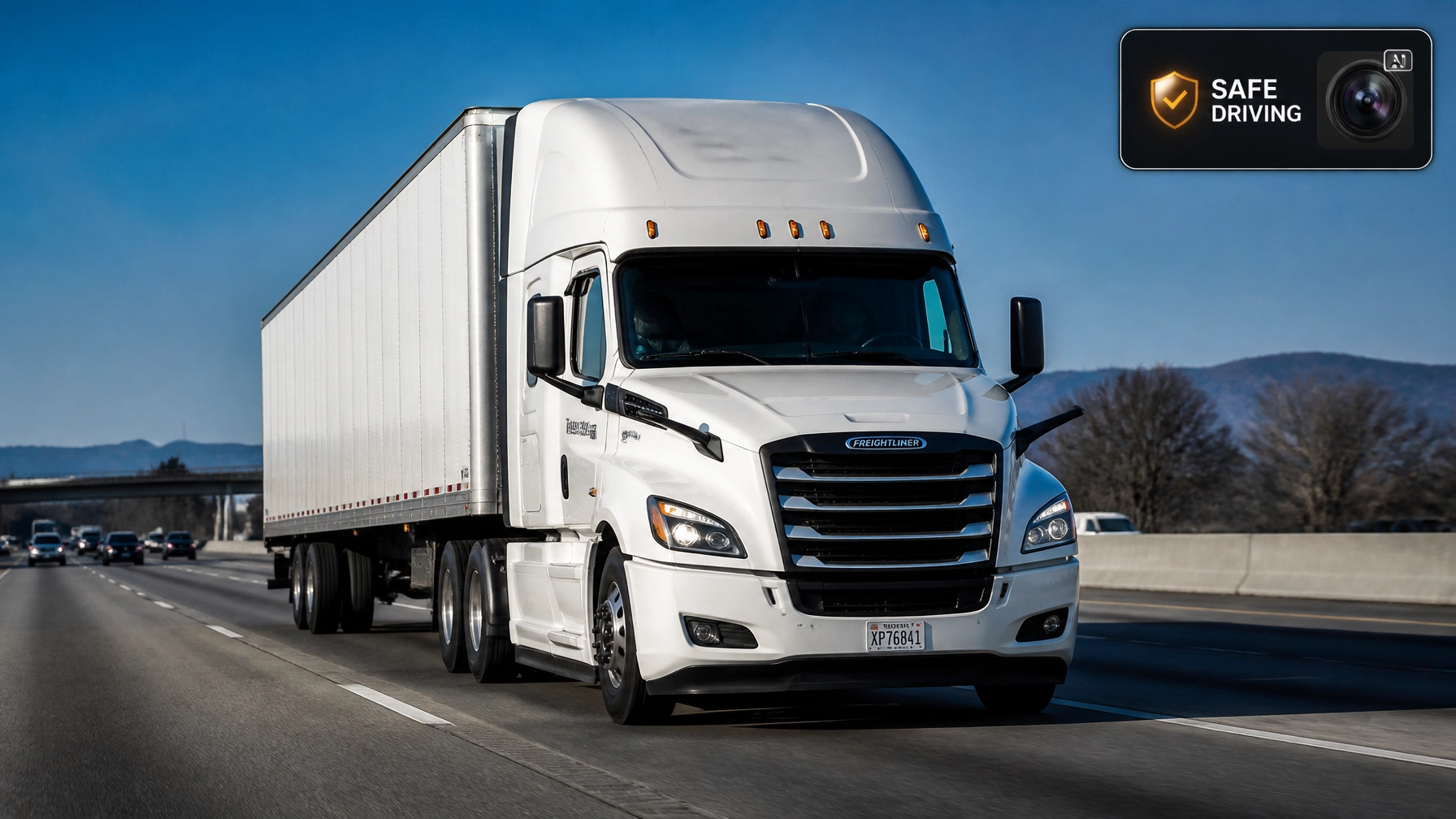
Struggling With Rising Insurance? 5 Ways AI Fleet Safety Cameras Can Slash Your Premiums by 25%
For fleet managers and business owners in 2026, the financial landscape is more challenging than ever. Operating costs are climbing, but one line item stands out on every balance sheet: insurance premiums. As nuclear verdicts become more common and claim costs skyrocket, insurance carriers have responded by hiking rates across the board. For many, it feels like an uphill battle where the “safe” drivers are paying for the mistakes of the reckless ones.
However, a shift is happening. Forward-thinking companies are no longer at the mercy of broad industry rate increases. By implementing advanced AI fleet safety cameras, fleets are transforming from “high-risk liabilities” into “preferred partners” for insurance underwriters.
At Safety Track, we’ve seen how custom-tailored fleet management solutions can fundamentally change a company’s risk profile. While some see a camera as just a recording device, the insurance industry sees it as a risk-mitigation powerhouse. In fact, by leveraging AI-enhanced technology, many fleets are successfully slashing their insurance premiums by up to 25%.
Here are five ways a modern commercial dash cam system can turn your safety record into your biggest financial asset.
1. Instant Exoneration: Ending the “He-Said, She-Said” Era
One of the most immediate impacts on your insurance bottom line is the ability to prove your driver was not at fault. In the past, a collision between a passenger vehicle and a Freightliner or Peterbilt often resulted in the trucking company being held liable simply due to a lack of evidence. Without a witness, insurers often settle quickly to avoid the potential for a massive jury award.
AI fleet safety cameras change this dynamic instantly. When an incident occurs, the system automatically captures and uploads high-definition video of the moments leading up to, during, and after the impact. This isn’t just basic video; AI sensors can distinguish between a minor bump and a high-impact collision, ensuring the right footage is prioritized.
By providing undeniable proof of innocence, fleets can avoid “no-fault” settlements that traditionally drive up loss ratios. Over time, a reduction in the number of paid claims leads to a lower experience mod (e-mod) rating, which is a primary driver of your premium costs.

2. Reducing Accident Frequency by 40%
The best way to lower insurance costs is to stop having accidents in the first place. Insurance is a game of probability. If your fleet averages ten incidents a year, you are a higher risk than a fleet that averages two.
Modern fleet camera systems do more than just record accidents; they prevent them. Using AI-driven edge computing, these cameras monitor for signs of distracted driving, tailgating, and lane departures. When the system detects a driver looking down at a phone or following too closely to the vehicle ahead, it provides an immediate in-cab alert.
This real-time feedback loop allows drivers to correct their behavior before a mistake becomes a disaster. At Safety Track, our clients often see up to a 40% reduction in accidents shortly after implementation. For an insurance underwriter, a 40% drop in frequency is a massive signal that your fleet is worth a lower rate.
3. Data-Driven Underwriting and Negotiation Power
In 2026, insurance is becoming “usage-based.” Underwriters are moving away from looking strictly at historical losses and are starting to look at present-day behavior. If you can walk into a renewal meeting with a stack of data showing that your fleet has reduced “harsh braking” events by 50% and that 100% of your drivers are currently in the “green zone” of safety scores, you have leverage.
A sophisticated commercial dash cam system provides a safety dashboard that tracks every driver’s performance. This transparency is a gift to insurance companies. It takes the guesswork out of their risk assessment. When you provide an insurer with live data and verified safety improvements, you transition from a “standard” risk category to a “highly protected” one. This is often where the game-changing insurance renewals happen, leading to those significant 20% to 25% premium cuts.

4. Proactive Driver Coaching and Accountability
A camera system is only as good as the culture it supports. AI fleet safety cameras enable a “coachable moment” strategy that insurers love. Instead of firing a driver after an accident, managers can use video footage of near-misses to train drivers and improve their skills.
This proactive approach proves to insurers that your company has a “Safety First” culture. It shows that you are actively managing your risk rather than just reacting to it. When an insurer sees that a fleet has a structured coaching program powered by AI video, they view the organization as more stable and less prone to “black swan” events: the catastrophic accidents that result in multi-million dollar payouts.
Furthermore, building this safety culture helps with driver retention. When drivers know the cameras are there to protect them from false claims, and when they receive positive feedback for safe driving, morale improves. High driver turnover is often seen as a risk factor by insurers; a stable, well-trained team is a safer bet.
5. Slashing Legal Costs and Avoiding “Nuclear Verdicts”
Legal defense is one of the most expensive components of any insurance claim. Even if a fleet eventually wins a lawsuit, the cost of discovery, depositions, and attorney fees can run into the hundreds of thousands.
AI fleet cameras provide immediate clarity. In many cases, when a claimant’s attorney sees the video evidence showing that the truck driver was following all safety protocols, the lawsuit is dropped or settled for a fraction of the original demand.
By stopping false claims early, fleets protect their bottom line and their reputation. Insurers are highly motivated to work with companies that help them avoid the courtroom. Reducing the “severity” of claims: the total dollar amount paid out: is just as important as reducing the frequency. When your fleet’s total “loss cost” drops, your premiums will naturally follow suit.

The Compounding Benefits: Fuel, Maintenance, and Beyond
While the 25% reduction in insurance premiums is a primary goal, the ROI of AI fleet safety cameras doesn’t stop there. The same behaviors that lead to a safer fleet: smoother braking, consistent speeds, and less idling: also lead to significant fuel savings. On average, our clients report up to 30% fuel savings through behavior monitoring and route optimization.
Additionally, pairing your camera system with maintenance tracking ensures your vehicles are always in peak condition. A well-maintained truck is a safer truck, further reducing the risk of mechanical failure-related accidents that insurers dread.
Conclusion: Investing in Your Fleet’s Future
The era of “blindly” operating a fleet is over. In 2026, data is the currency of safety. Struggling with rising insurance isn’t a permanent state; it’s a signal that it’s time to change the way you manage risk.
By implementing an AI-enhanced commercial dash cam system, you aren’t just buying hardware. You are buying a shield against false claims, a coach for your drivers, and a powerful negotiation tool for your next insurance renewal.
Whether you are managing a few Kenworth trucks or a massive fleet of Freightliners, the path to a 25% premium reduction starts with visibility. At Safety Track, we specialize in custom-tailoring these solutions to fit your specific operations, ensuring that your security is always in sight and your costs stay under control.
Are you ready to see how much your fleet could save? Contact Safety Track today for a personalized consultation and take the first step toward a safer, more profitable future.


Tyler Schneider is the IT Director at Safety Track, overseeing the company’s technological infrastructure and innovations. With a strong background in information technology and systems management, Tyler ensures that Safety Track stays at the forefront of tech solutions in fleet management. His strategic expertise supports the seamless integration of technology across the company’s operations.