
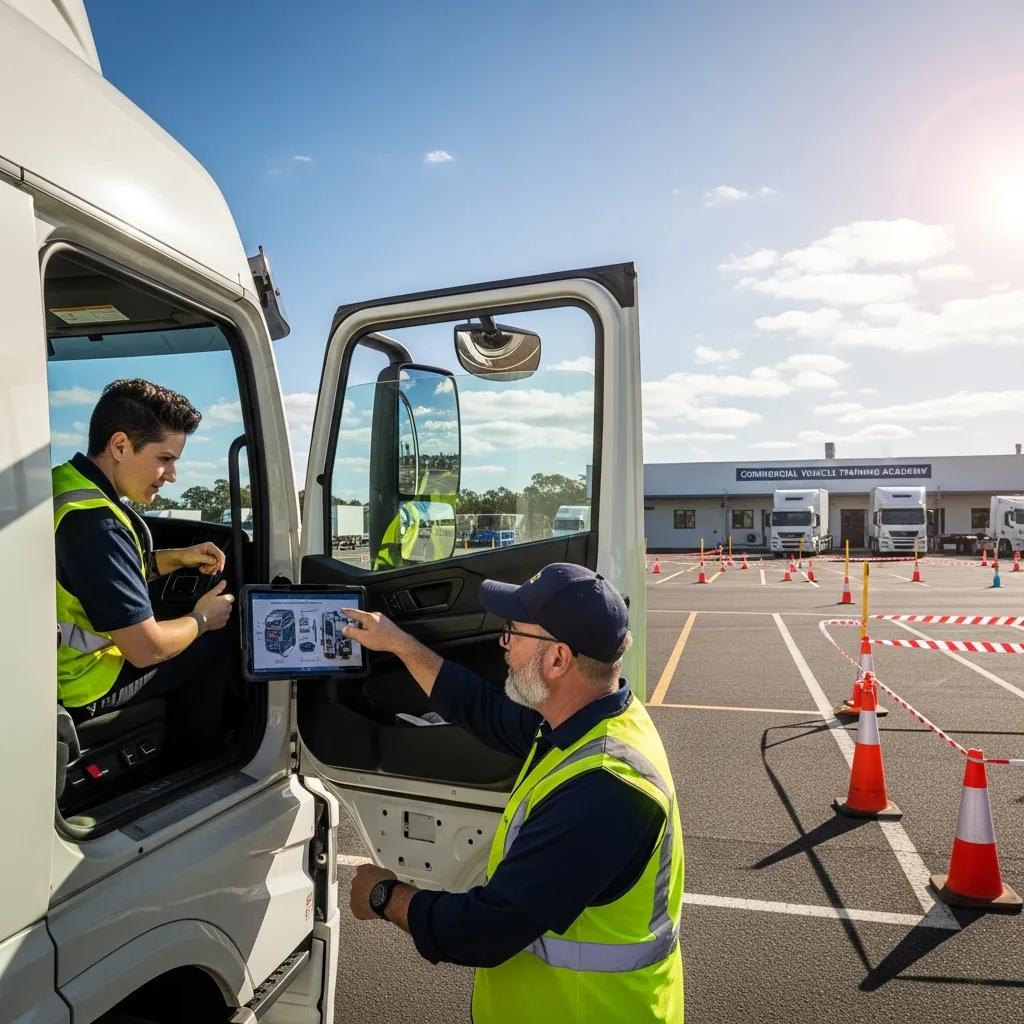
Unlock Safer Roads With Effective Driver Safety Programs
For fleet managers, ensuring driver safety is paramount for operational efficiency, regulatory compliance, and the well-being of their team. Effective driver safety programs are essential for reducing accidents, mitigating risks, and enhancing overall road safety. These programs encompass various training methods designed to improve driver behavior, awareness, and skills, with modern technology like dash cameras playing an increasingly vital role.
This guide explores effective fleet driver safety programs, their benefits, and contribution to safer roads. Organizations often face challenges like high accident rates and rising insurance costs. Robust programs, powered by innovative tools like dash cameras, effectively address these issues. We will cover definitions, training types, key benefits, risk mitigation strategies, and industry trends, focusing on how dash cameras enable proactive training and risk management.
What Are Fleet Driver Safety Programs and How Do They Improve Road Safety?
Fleet driver safety programs are structured initiatives aimed at educating commercial drivers about safe driving practices and reducing the likelihood of accidents. These programs typically include defensive driving courses, specialized fleet driver training, and awareness campaigns. By focusing on core components such as risk assessment, hazard recognition, and safe driving techniques, these programs significantly enhance road safety, often leveraging technology for objective insights.
Defining Fleet Driver Safety Programs and Their Core Components
Fleet driver safety programs improve driving behavior through key components, including:
- Training Modules: Comprehensive training sessions that cover various aspects of safe driving, including defensive driving techniques, emergency response strategies, and vehicle-specific handling.
- Assessment Tools: Tools designed to evaluate driver performance and identify areas for improvement, such as driving simulations, on-road assessments, and critically, dash camera footage analysis.
- Feedback Mechanisms: Systems that provide drivers with constructive feedback on their performance, often utilizing video evidence from dash cameras to highlight specific behaviors and facilitate targeted coaching.
These components are crucial for creating a culture of safety within organizations and ensuring that fleet drivers are well-prepared to handle various road conditions, with dash cameras providing invaluable data for continuous improvement.
How Do Fleet Driver Safety Programs Contribute to Accident Prevention
Fleet driver safety programs prevent accidents by equipping drivers with knowledge and skills to navigate hazards. Research indicates that organizations implementing these programs experience a significant reduction in accident rates. For instance, companies that have adopted comprehensive driver training, especially those integrating telematics and video, have reported accident reductions ranging from 10% to 30%. This reduction is attributed to improved driver awareness, better decision-making, and enhanced vehicle control, all of which can be objectively measured and improved with dash camera insights.
While general road safety training programs raise awareness, studies suggest their effectiveness is significantly amplified when tailored to improve specific driving skills, a process greatly aided by video telematics.
Evaluating Adult Driver Safety Training Effectiveness
Road safety training programs are commonly used to raise awareness of risky attitudes and behaviors. The present systematic review aims to identify studies that evaluate the effectiveness of road safety training programs in this population group. The selected articles indicate that the effects of road safety training programs in adults are mild to moderate. Their effectiveness is substantially increased when they are aimed at improving specific driving skills. Are adult driver education programs effective?
A systematic review of evaluations of accident prevention training courses, M Faus, 2023
Which Types of Driver Safety Programs Best Suit Your Fleet’s Needs?
Selecting the right driver safety program depends on the specific needs of your organization and the types of drivers involved. Various programs cater to different audiences, with a strong emphasis on fleet-specific training and the integration of advanced technologies.
What Are Defensive Driving Courses and Their Online Options for Fleet Drivers?
Defensive driving courses teach drivers to anticipate and respond to road hazards, serving as a foundational element for fleet managers, often supplemented by real-world data. They can be taken in-person or online, providing flexibility for participants. Online options often include interactive modules, quizzes, and video demonstrations, making them accessible and engaging for busy fleet personnel.
Further research highlights the critical role of defensive driver training, including e-learning methods, in significantly reducing transport-related fatalities, especially when combined with objective performance data.
Defensive Driver Training: Reducing Fatalities
- In-Person Courses: These provide hands-on training and direct interaction with instructors, allowing for personalized feedback, which can be enhanced by reviewing dash camera footage.
- Online Courses: Flexible and convenient, these courses allow participants to learn at their own pace while still covering essential safety topics, often integrated with fleet management systems for tracking progress.
How Do Fleet Driver Safety Training Programs Enhance Commercial Vehicle Safety with Dash Cameras?
Fleet driver safety training addresses unique commercial driver challenges, including specialized training on vehicle handling, load management, and regulatory compliance. Crucially, modern fleet training integrates dash cameras to provide objective, real-time, and post-event insights into driver behavior. By enhancing the skills of fleet drivers through data-driven coaching, organizations can significantly reduce the risk of accidents and improve overall safety.
Research emphasizes that comprehensive fleet driver training is crucial for ensuring adherence to safety regulations and boosting overall driver performance within commercial operations, with dash cameras providing the evidence needed for effective training.
Fleet Driver Training for Safety & Performance
This paper discusses the obedience of safety regulations and driver performance. For a commercial vehicle fleet, it is essential to provide a mindful driver training program that will prompt drivers to adhere to safety regulations and improve their performance. Safe and sustainable fleet management with data analytics and training, 2021
- Specialized Training: Tailored content that addresses the specific needs of commercial drivers, including handling large vehicles and navigating complex traffic situations, often informed by common incidents captured on dash cameras.
- Performance Monitoring with Dash Cameras: Ongoing assessments and feedback are powered by telematics and dash camera footage, helping fleet managers identify risky behaviors, provide targeted coaching, and ensure drivers maintain high safety standards.
What Are the Key Benefits of Enrolling Your Fleet in Driver Safety Training?
Enrolling your fleet in driver safety training offers numerous benefits for both individual drivers and the organization as a whole. These programs not only enhance driving skills but also contribute to a safer driving environment, with dash cameras amplifying these benefits.
How Do Fleet Driver Safety Programs Reduce Accidents and Injuries?
Fleet driver safety programs primarily reduce accidents and injuries by educating drivers on safe practices and risk management, fostering a cautious driving culture. Dash cameras play a critical role by:
- Providing Objective Evidence: Footage helps identify the root causes of incidents, allowing for precise training adjustments.
- Promoting Accountability: Drivers are more aware of their actions when they know they are being monitored, leading to safer habits.
- Facilitating Proactive Coaching: Managers can review footage of near-misses or risky behaviors *before* they lead to accidents, offering timely intervention.
Statistics show that organizations with active driver safety programs, especially those leveraging video telematics, see a marked decrease in workplace injuries related to driving.
- Increased Awareness: Drivers gain awareness of surroundings and hazards, leading to safer decisions, reinforced by video feedback.
- Skill Development: Enhanced driving skills improve vehicle control and emergency reaction times, with dash cam footage providing concrete improvement examples.
In What Ways Can Fleet Driver Training Lower Insurance Premiums and Costs?
Investing in fleet driver safety training, especially with dash camera transparency, yields significant financial savings. Many insurance companies offer discounts to businesses that implement comprehensive driver safety programs and telematics solutions, recognizing the reduced risk associated with trained drivers and verifiable safety practices.
- Lower Premiums: Organizations may qualify for reduced insurance premiums due to their commitment to safety and the ability to demonstrate improved driver behavior through dash camera data.
- Cost Savings: Fewer accidents result in lower repair costs, reduced liability claims, and less downtime, contributing to overall financial health. Dash camera footage can also exonerate drivers in not-at-fault accidents, saving significant legal and claim costs.
Ready to Enhance Your Fleet’s Safety with Dash Cameras?
Discover how integrating advanced dash camera technology can transform your driver training, reduce incidents, and protect your assets. Get objective insights and proactive coaching tools today!
How Can Fleet Driver Safety Programs Address Major Driving Risks with Dash Cameras?
Fleet driver safety programs are essential for addressing major driving risks, including distracted driving, impaired driving, and aggressive driving behaviors. By implementing targeted strategies and leveraging dash camera technology, organizations can mitigate these risks effectively.
What Strategies Prevent Distracted and Impaired Driving with Video Evidence?
Fleet driver safety programs combat distracted driving, a leading accident cause, through education, awareness, and objective dash camera monitoring. Strategies include:
- Awareness Training: Educating drivers about the dangers of distractions, such as mobile phone use and in-vehicle distractions, with real-world examples often pulled from anonymized dash camera footage.
- Policy Implementation & Enforcement: Establishing clear policies that prohibit the use of mobile devices while driving, with dash cameras providing evidence for policy adherence and identifying violations for corrective action.
How Do Programs Mitigate Aggressive and Fatigued Driving Using Dash Cam Data?
Fleet driver safety programs mitigate aggressive and fatigued driving, with strategies significantly enhanced by dash camera insights:
- Stress Management Training: Teaching drivers techniques to manage stress and avoid aggressive behaviors on the road, with dash cam footage providing concrete examples of aggressive driving for coaching.
- Fatigue Awareness & Monitoring: Educating drivers about the signs of fatigue and the importance of taking breaks during long drives. Advanced dash cameras can detect signs of driver drowsiness or distraction, alerting drivers and fleet managers in real-time to prevent incidents.
What Factors Should Guide Choosing the Right Fleet Driver Safety Program?
Key factors for selecting a fleet driver safety program include:
- Target Audience: Understanding the specific needs of your commercial drivers, their routes, and vehicle types.
- Program Content: Ensuring the program covers relevant topics, includes practical training components, and can be customized based on fleet-specific risks identified through data.
- Delivery Method: Choosing between in-person and online training options, and critically, how to integrate continuous feedback from telematics and dash cameras.
How Do Technology Like AI and Dash Cameras Enhance Fleet Driver Safety?
AI-powered dash cameras and telematics significantly enhance fleet driver safety, providing real-time data and video insights for proactive interventions and effective training.
- Telematics Systems: These systems monitor vehicle performance and driver behavior (e.g., speed, harsh braking, rapid acceleration), providing valuable data for improvement.
- AI-Powered Dash Cameras: Front-facing and in-cab dash cameras capture critical video evidence of driving events. AI analyzes this footage to identify risky behaviors (e.g., distracted driving, cell phone use, following too closely, lane departure) and can provide immediate in-cab alerts to drivers.
- Proactive Coaching with Video: Fleet managers can review flagged video events, use them as objective coaching tools, and provide personalized feedback to drivers, leading to significant behavioral improvements.
- Exoneration in Accidents: Dash camera footage provides irrefutable evidence in the event of an accident, protecting drivers and the company from false claims and reducing liability costs.
How Are Emerging Technologies Shaping Fleet Safety Management?
Emerging technologies, led by dash cameras, revolutionize fleet safety management by providing innovative solutions for monitoring and improving driver behavior.
- Advanced Driver Assistance Systems (ADAS): These systems, often integrated with dash cameras, offer features such as lane departure warnings, forward collision alerts, and automatic emergency braking, enhancing vehicle safety and providing data for driver coaching.
- Predictive Analytics with AI Video: Utilizing data from telematics and AI-powered dash cameras to predict potential safety issues allows organizations to identify high-risk drivers and implement preventive measures proactively, before incidents occur.
- Gamification and Driver Scorecards: Leveraging data from dash cameras and telematics, fleets can implement gamified safety programs and driver scorecards, incentivizing safe driving and fostering a culture of continuous improvement.
What Are the Essential Elements of Commercial Driver Safety Training?
Essential elements of commercial driver safety training include:
- Regulatory Knowledge: Training on relevant laws and regulations, including those set by the Department of Transportation (DOT) and other local authorities.
- Safety Protocols: Instruction on safety protocols and best practices for operating commercial vehicles, often reinforced by reviewing real-world scenarios captured by dash cameras.
- Incident Reporting & Documentation: Training on proper documentation and reporting procedures, with dash camera footage serving as objective evidence for incident reconstruction and compliance audits.
How Do These Courses Align with DOT and OSHA Requirements?
Commercial driver safety courses align with DOT and OSHA requirements, ensuring legal compliance and promoting safety. Dash cameras contribute significantly by:
- Compliance Verification: Providing verifiable records of driver behavior and adherence to safety protocols, which can be crucial during audits.
- Evidence for Investigations: Offering objective evidence for accident investigations, helping to determine fault and demonstrate compliance with safety standards.
How Do Fleet Programs Improve Driver Skills and Confidence?
Fleet driver safety programs enhance driver skills and confidence through targeted training and personalized dash camera feedback.
- Skill Development: Training sessions focus on practical skills, such as defensive driving techniques and emergency response, with video coaching allowing drivers to see their performance objectively.
- Confidence Building: As employees become more skilled and receive constructive, evidence-based feedback, their confidence in handling various driving situations increases, leading to safer and more efficient operations.
What Is the ROI of Implementing Fleet Driver Safety Training with Dash Cameras?
Implementing fleet driver safety training with dash cameras yields significant ROI for organizations.
- Cost Savings: Reduced accident rates lead to lower insurance premiums, fewer repair costs, and decreased legal expenses due to exoneration in not-at-fault incidents.
- Enhanced Productivity: Safer drivers contribute to a more efficient workplace, minimizing downtime due to accidents and improving delivery schedules.
- Improved Driver Retention: A commitment to driver safety and providing tools for improvement can lead to higher driver satisfaction and retention.
Implementing effective fleet driver safety programs, with a strong emphasis on integrating advanced technologies like AI-powered dash cameras, is essential for organizations aiming to enhance road safety, reduce accidents, and optimize operational efficiency. By understanding the various types of programs available, their benefits, and the latest trends in the industry, fleet managers can make informed decisions that lead to safer roads for everyone and a more resilient business.

Hannah Lang is a Social Media Marketing Specialist at Safety Track. She has her bachelor’s degree in Advertising and Public Relations from Grand Valley State University. With her passion for research, Hannah possesses a wealth of knowledge expanding across multiple industries and disciplines. Her efforts won her a Scholastic Art and Writing regional Gold Key award.