
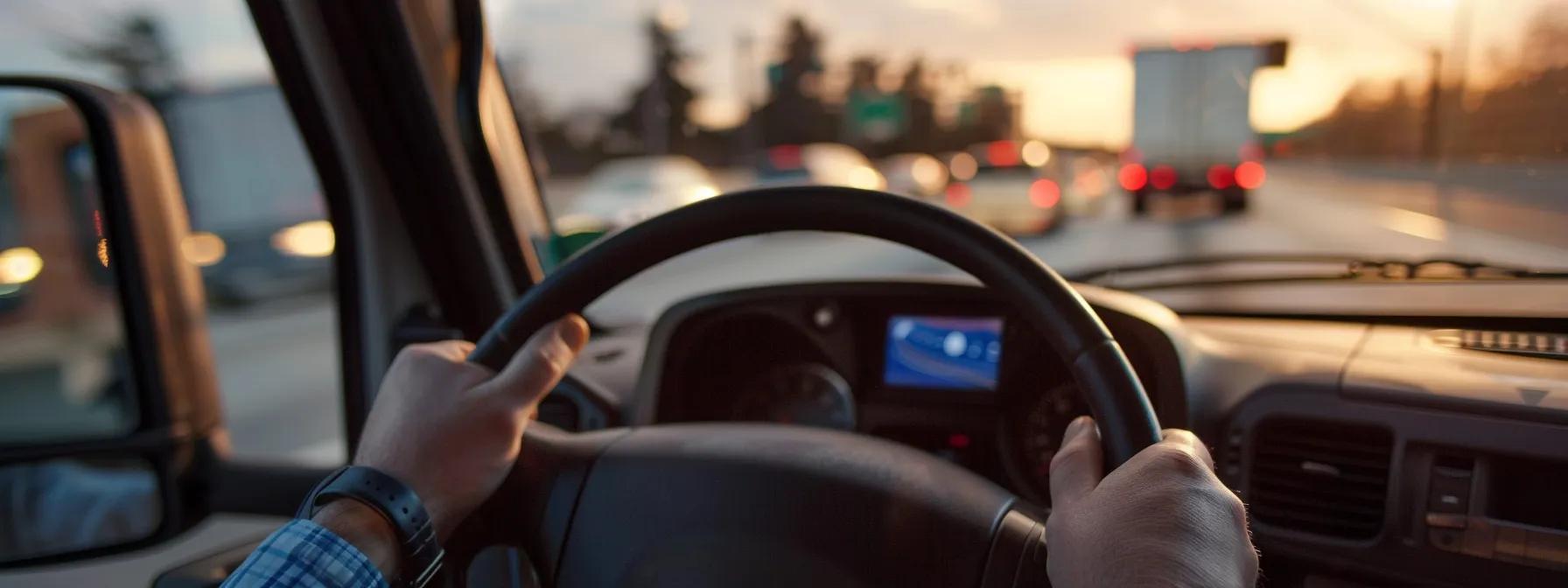
Enhance Fleet Management and Save Costs with Dash Cameras
Enhance Fleet Management and Save Costs with Dash Cameras
Enhancing Fleet Safety and Efficiency with AI-Powered Dash Cameras
Cut Fleet Costs with AI Dashcams
In the rapidly evolving landscape of fleet management, the integration of AI-powered dash cameras is revolutionizing how companies enhance safety and reduce operational costs. These advanced systems not only provide real-time monitoring of driver behavior but also leverage AI analytics to optimize fleet operations. As businesses face increasing pressure to improve efficiency and cut costs, understanding the benefits of AI dash cameras becomes crucial. This article will explore how these technologies enhance fleet safety, the key features of effective dash camera integration, and how fleet managers can measure the return on investment (ROI) from these solutions. Additionally, we will discuss the operational benefits of integrating fleet telematics with dash cameras and the latest trends in this technology.
How Do AI-Powered Dash Cameras Enhance Fleet Safety and Reduce Costs?
AI-powered dash cameras significantly enhance fleet safety and reduce costs through real-time monitoring and predictive analytics. By continuously analyzing driver behavior, these systems can identify risky actions and provide immediate feedback, which helps in preventing accidents. The integration of AI analytics allows for a deeper understanding of driving patterns, leading to improved decision-making and operational efficiency. As a result, fleets can experience a reduction in accident-related expenses and insurance premiums, ultimately contributing to substantial cost savings.
Further research supports how AI transforms fleet management by enhancing tracking, telematics, safety, and overall cost savings.
AI for Fleet Management: Tracking, Telematics, Safety & Cost Savings
This paper discusses the various changes AI has occasioned in the under-listed fields of fleet management: Real-time vehicle tracking, Telematics and compliance tracking. Real-time vehicle tracking systems using Artificial intelligence means that the fleet owner gains more control over the operations, enhancing planning on the right routes, fuel consumption, and possible theft cases. However, given that telematics has been incorporated into the usage of AI, the following advantages are offered: vehicle maintenance prediction, driver performance, and handling of fleets. Secondly, AI compliance solutions assist in implementing practices that may be formulated to prevent articles that allow penalties and safety measures.
Analysis of the use of logistics-telematics systems for cost reduction in a transport company, P Gorzelańczyk, 2024
Real-Time Driver Behavior Monitoring and Accident Risk Reduction
Real-time monitoring of driver behavior is a critical feature of AI dash cameras. These systems track key driving metrics such as speed, braking patterns, and lane changes, providing immediate feedback to drivers. This feedback loop not only encourages safer driving habits but also significantly impacts accident rates. For instance, fleets that implement real-time monitoring often report a decrease in incidents, leading to lower insurance costs and enhanced overall safety.
Impact of AI Analytics on Fleet Operational Efficiency
AI analytics play a pivotal role in enhancing fleet operational efficiency. By automating planning tasks and optimizing schedules and routes, these systems help identify process bottlenecks that can hinder performance. The data-driven insights provided by AI enable fleet managers to make informed decisions, streamline operations, and ultimately reduce costs. This optimization not only improves productivity but also enhances the overall safety of the fleet.
Academic studies further emphasize the role of AI and machine learning in optimizing fleet operations and reducing costs through advanced analytics.
AI & ML for Fleet Optimization & Operational Cost Reduction
The realm of logistics and transportation is undergoing a transformative shift due to advancements in artificial intelligence (AI) and machine learning (ML) technologies. This research paper investigates the application of AI-driven predictive analytics for optimizing fleet management, focusing on three critical aspects: route planning, vehicle allocation, and predictive maintenance. The study is driven by the imperative to reduce operational costs, enhance delivery efficiency, and improve vehicle utilization through sophisticated AI models.
… Management Optimization in Logistics and Transportation: Leveraging Machine Learning for Route Planning, Vehicle Allocation, and
Predictive Maintenance, VK Dunka, 2022
What Are the Key Features of Effective Dash Camera Fleet Integration?
Integrating dash cameras into fleet management requires careful consideration of several key features. High-quality video capture, real-time monitoring capabilities, and compatibility with existing fleet management software are essential for maximizing the benefits of these systems. Understanding these features can help fleet managers select the right dash camera solutions for their needs.
Installation Best Practices and Compatibility With Vehicle Monitoring Systems
Effective installation of dash cameras is crucial for their performance. Best practices include professional installation recommendations, ensuring compatibility with vehicle monitoring systems, and thorough testing of the system post-installation. By following these guidelines, fleets can ensure that their dash cameras operate effectively and provide the intended safety benefits.
Ensuring Compliance and Data Security in Dash Camera Deployment
Compliance and data security are paramount when deploying dash cameras. Developing an internal camera policy, implementing robust data security measures, and obtaining driver consent are essential steps in ensuring that the deployment of dash cameras adheres to legal and ethical standards. These measures not only protect the fleet but also foster trust among drivers.
How Can Fleet Managers Measure ROI and Cost Savings From AI Fleet Management Solutions?
Measuring the ROI and cost savings from AI fleet management solutions involves utilizing key performance indicators (KPIs) and ROI calculators. By regularly monitoring performance metrics, fleet managers can assess the financial impact of their investments in AI technology.
Quantifying Insurance Premium Reductions and Accident-Related Expense Savings
To quantify savings from insurance and accidents, fleet managers can gather input variables such as accident frequency and insurance costs. By calculating gross and net savings, they can document changes for insurers, demonstrating the financial benefits of implementing AI dash cameras. This quantification process is essential for justifying the investment in these technologies.
Utilizing Interactive ROI Calculators and Case Studies for Decision Making
Interactive ROI calculators and case studies provide valuable insights for fleet managers. By inputting relevant data into calculators, they can analyze potential savings and compare their fleet’s performance against industry benchmarks. Continuous monitoring of ROI helps in making informed decisions regarding future investments in AI fleet management solutions.
What Are the Operational Benefits of Integrating Fleet Telematics Solutions With Dash Cameras?
Integrating fleet telematics solutions with dash cameras offers numerous operational benefits. Enhanced safety through monitoring, liability protection with video evidence, and improvements in operational efficiency are just a few of the advantages that come from this integration.
Enhancing Driver Safety Technology Through Video Telematics
Video telematics enhances driver safety by providing real-time alerts for risky behaviors and offering contextual understanding of driving events. This technology allows fleet managers to document incidents effectively, which can be crucial in liability cases. The ability to review footage also aids in driver training and coaching, further promoting safe driving practices.
Optimizing Fleet Operational Cost Reduction Strategies
Operational cost reduction strategies can be significantly optimized through the integration of dash cameras and telematics. By focusing on route planning, driver training, and regular maintenance schedules, fleets can minimize expenses while maximizing safety. This holistic approach to fleet management ensures that all aspects of operations are aligned towards achieving cost efficiency.
Research confirms that telematics systems are instrumental in achieving significant cost reductions by monitoring driver behavior and operational data.
Telematics for Fleet Cost Reduction & Driver Behavior
Purpose: The main purpose of this paper is to investigate the extent to which real-time monitoring of vehicles and the collection of operational data about them throughtelematic systemscan contribute to the reduction of operating costs in a transport company. The study focuses on specific factors such as the driver’s actions, which can affect the vehicle’s technical condition and diesel consumption levels.
MAXIMIZE FLEET VALUE AND SAFETY WITH AI: REAL-TIME VEHICLE TRACKING, TELEMATICS AND COMPLIANCE SOLUTIONS: 10.55434/CBI. 2024.10103, VPK Kaluvakuri, 2024
Which Industry Standards and Compliance Requirements Affect AI Fleet Management and Dash Camera Use?
Understanding the industry standards and compliance requirements that affect AI fleet management and dash camera use is essential for fleet operators. Regulations regarding hours-of-service, vehicle inspections, and data privacy must be adhered to in order to maintain compliance and ensure safety.
Regulatory Frameworks for Fleet Safety Technology
Fleet operators must navigate various regulatory frameworks, including those set by the Federal Motor Carrier Safety Administration (FMCSA) and the Department of Transportation (DOT). Compliance with these regulations is crucial for ensuring the safety of both drivers and the public. Additionally, state regulations may address local needs, further complicating compliance efforts. compliance efforts.
Best Practices for Risk Management and Data Privacy
Implementing best practices for risk management and data privacy is vital for fleets utilizing dash cameras. This includes ongoing employee training, regular audits of data practices, and the implementation of robust security measures. By prioritizing data privacy, fleets can protect sensitive information while maintaining compliance with legal requirements.
What Are the Latest Trends and Innovations in AI Fleet Management and Dash Camera Technology?
The field of AI fleet management and dash camera technology is continuously evolving, with new trends and innovations emerging regularly. Staying informed about these developments is essential for fleet managers looking to maintain a competitive edge.
Advancements in AI Analytics and Video Telematics for 2024-2026
Recent advancements in AI analytics and video telematics are set to transform fleet management. Enhanced data analytics capabilities and real-time driver assistance features are among the innovations that will shape the future of this technology. The integration of Internet of Things (IoT) devices is also expected to play a significant role in enhancing fleet safety and efficiency.
Emerging Solutions for Enhanced Fleet Safety and Cost Efficiency
Emerging solutions such as GPS tracking for real-time monitoring and predictive maintenance technologies are becoming increasingly popular. These innovations provide fleets with customizable alerts and insights that can lead to improved safety and cost efficiency. As the industry continues to evolve, embracing these technologies will be crucial for fleet managers aiming to optimize their operations.
Jeff Stoker is the CEO and founder of Safety Track, a company he established in 2002. With over two decades of leadership in fleet management solutions, Jeff has guided Safety Track from a pioneering vision to a trusted industry leader. His innovative mindset and commitment to excellence continue to drive the company’s growth and impact.