
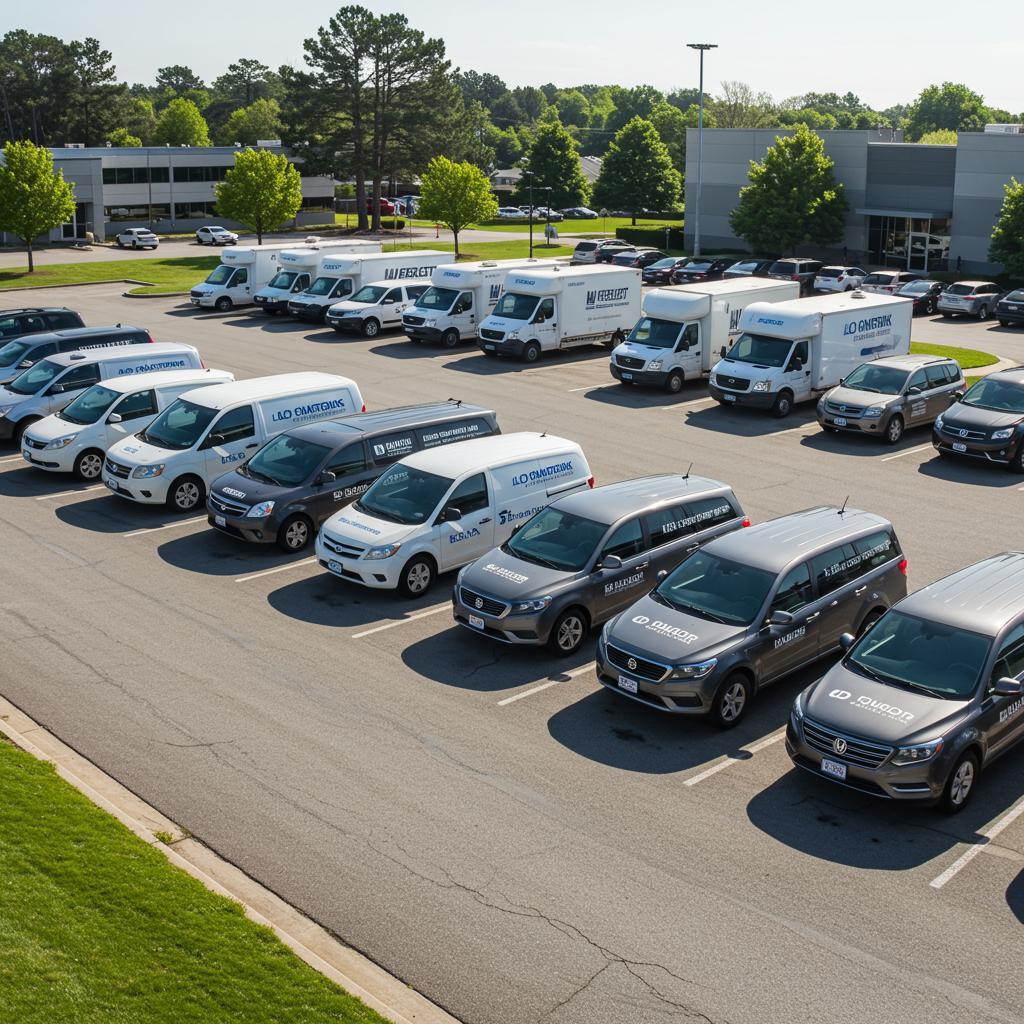
Fleet Camera Systems: Transforming Safety and Efficiency
Fleet Camera Systems: Transforming Safety and Efficiency
Fleet Camera Systems: Enhancing Safety and Operational Efficiency for Commercial Fleets
Fleet camera systems are revolutionizing the way commercial fleets operate by significantly improving safety and efficiency. These advanced systems utilize high-definition cameras and video telematics to monitor vehicle activity in real-time, providing fleet managers with critical insights into driver behavior and operational performance. As businesses face increasing pressure to enhance safety protocols and reduce operational costs, fleet camera systems offer a comprehensive solution that addresses these challenges. This article will explore the core features of fleet camera systems, their impact on safety and efficiency, installation considerations, and the latest trends in video telematics for 2026.
What Are Fleet Camera Systems and Their Core Features?
Fleet camera systems are integrated technologies designed to monitor and record vehicle activity, providing valuable data for fleet management. These systems typically include high-definition cameras, GPS tracking, and advanced analytics capabilities. The core features of fleet camera systems include:
- High-Definition Video Recording: Captures clear footage of driving incidents, enhancing accountability and transparency.
- GPS Tracking: Provides real-time location data, allowing for efficient route management and tracking of vehicle movements.
- Accident Reconstruction: Offers detailed insights into incidents, helping to determine fault and improve safety measures.
These features collectively enhance fleet management by providing actionable insights that can lead to improved safety and operational efficiency.
Understanding Vehicle Camera System Features and Technologies
Vehicle camera systems incorporate various technologies that enhance their functionality and effectiveness. Key technologies include:
- Dual-Camera Design: Many systems feature both front-facing and interior cameras, allowing for comprehensive monitoring of both the road and driver behavior.
- Live Streaming Capabilities: This feature enables real-time video feeds to be accessed by fleet managers, facilitating immediate responses to incidents.
- Data Analytics: Advanced analytics tools process video footage and driving data to identify patterns and trends, enabling proactive management of driver behavior.
These technologies work together to create a robust monitoring system that supports fleet safety and efficiency.
How Video Telematics Integrates with Fleet Cameras

Video telematics is the integration of video data with telematics systems, providing a comprehensive view of fleet operations. This integration allows for:
- Real-Time Video Data: Fleet managers can access live video feeds, enhancing situational awareness during incidents.
- GPS Tracking Integration: Combining video data with GPS tracking enables detailed analysis of vehicle routes and driver behavior.
- Enhanced Reporting: The integration of video and telematics data allows for more accurate reporting and analysis of fleet performance.
By leveraging video telematics, fleet managers can make informed decisions that enhance safety and operational efficiency.
Further emphasizing the importance of integrated data, research highlights how telematics data drives intelligent fleet management solutions.
Intelligent Fleet Management with Telematics Data
The rapid digitization of transportation systems has accelerated the adoption of intelligent fleet management solutions driven by vehicle telematics data. Telematics platforms integrate sensors, global positioning systems, onboard diagnostics, and wireless communication to generate continuous streams of data related to vehicle location, driver behavior, fuel consumption, and mechanical health. This paper presents a journal-ready, long-form evaluation of intelligent fleet management systems that leverage telematics data to improve operational efficiency, safety, and sustainability.
Evaluation of Intelligent Fleet Management Using Telematics Data, 2024
How Do Fleet Camera Systems Improve Commercial Fleet Safety?
Fleet camera systems significantly enhance safety by providing real-time monitoring and data-driven insights. Key benefits include:
- Proactive Incident Prevention: Continuous monitoring allows for immediate intervention in unsafe driving behaviors, reducing the likelihood of accidents.
- Driver Accountability: Video evidence promotes accountability among drivers, encouraging safer driving practices.
- Comprehensive Incident Analysis: In the event of an accident, recorded footage provides irrefutable evidence that can be used in liability disputes.
These safety improvements not only protect drivers but also reduce costs associated with accidents and insurance claims.
Driver Behavior Monitoring Technology and Its Impact on Safety
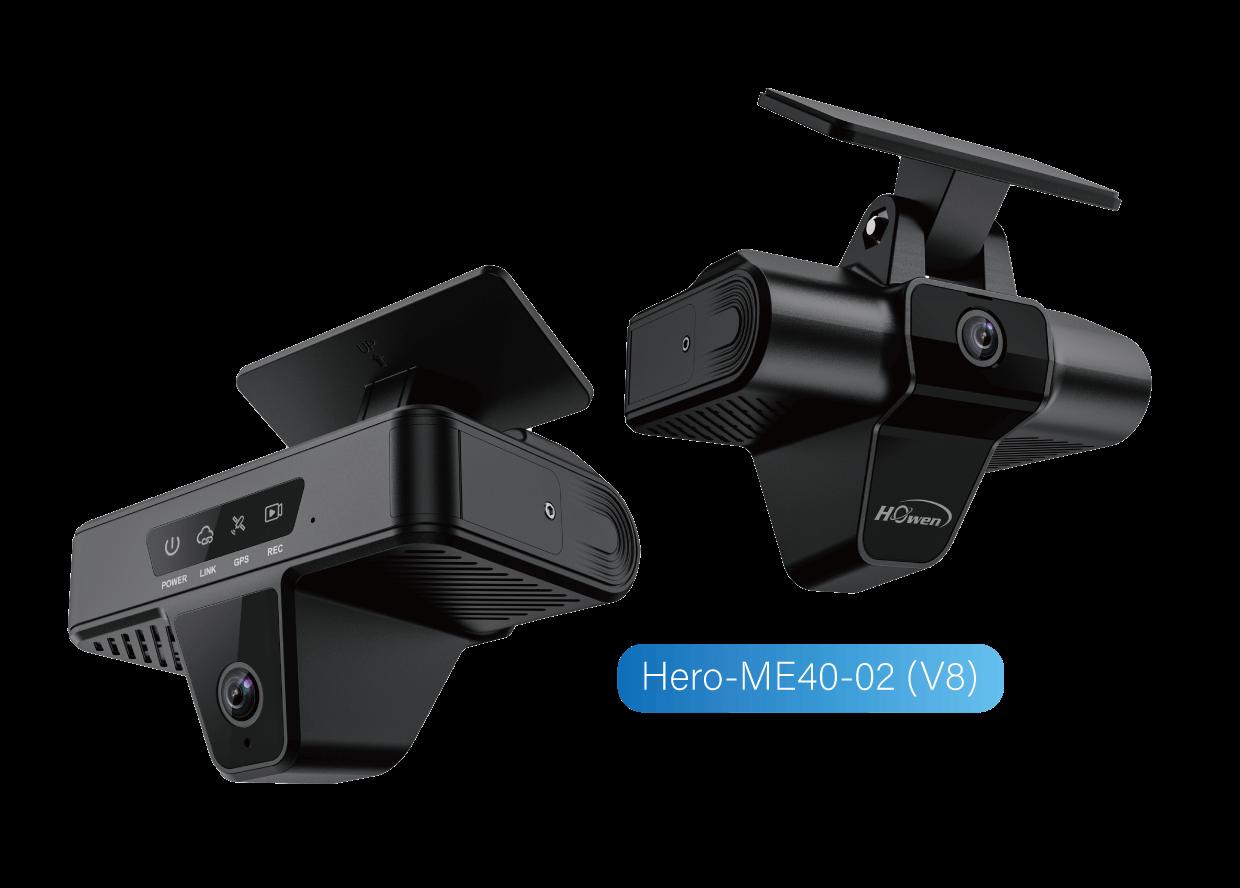
Driver behavior monitoring technology is a critical component of fleet camera systems. This technology analyzes driving patterns and provides real-time feedback to drivers. Key impacts include:
- Promotes Accountability: Drivers are more likely to adhere to safe driving practices when they know their behavior is being monitored.
- Real-Time Alerts: Immediate notifications about unsafe driving behaviors, such as harsh braking or rapid acceleration, allow for timely corrective actions.
- Analysis of Driving Patterns: Data collected over time can be used to identify trends and provide targeted training to improve driver performance.
By focusing on driver behavior, fleet camera systems contribute to a safer driving environment.
Reducing Liability and Insurance Claims with Fleet Cameras
Fleet cameras play a crucial role in reducing liability and insurance claims. The benefits include:
- Irrefutable Evidence: Video footage provides clear evidence in the event of disputes, protecting the company from false claims.
- Faster Claims Processing: With documented evidence, insurance claims can be processed more quickly and efficiently.
- Deterrence of Fraudulent Claims: The presence of cameras can deter potential fraudulent claims, reducing overall insurance costs.
These factors contribute to a more secure and financially stable fleet operation.
In What Ways Do Fleet Camera Systems Enhance Operational Efficiency?
Fleet camera systems not only improve safety but also enhance operational efficiency. Key enhancements include:
- Real-Time Monitoring: Fleet managers can monitor vehicle performance and driver behavior in real-time, allowing for immediate adjustments to improve efficiency.
- Enhanced Delivery Efficiency: By analyzing route data, fleet managers can optimize delivery schedules and reduce fuel consumption.
- Effective Communication: Video data facilitates better communication between drivers and fleet managers, ensuring that issues are addressed promptly.
These operational improvements lead to cost savings and increased productivity.
Real-Time Video Monitoring for Fleet Management Optimization
Real-time video monitoring is essential for optimizing fleet management. Benefits include:
- Total Visibility into Fleet Operations: Managers can see exactly what is happening in the field, allowing for better decision-making.
- Immediate Action in Response to Incidents: Quick access to video feeds enables fleet managers to respond to incidents as they occur.
- Improved Safety Outcomes: By monitoring driver behavior and vehicle performance, fleets can achieve better safety outcomes.
This level of oversight is crucial for maintaining high operational standards.
Data-Driven Insights to Improve Driver Performance and Compliance
Data-driven insights from fleet camera systems can significantly enhance driver performance and compliance. Key aspects include:
- Utilizing Driver Scorecards: Performance metrics can be compiled into scorecards that provide drivers with feedback on their driving habits.
- Real-Time Monitoring: Continuous monitoring allows for immediate feedback and coaching opportunities.
- Integrating Training Programs: Data insights can inform targeted training programs that address specific areas for improvement.
These strategies foster a culture of continuous improvement within the fleet.
What Are the Installation Processes and Integration Considerations for Fleet Camera Systems?
Installing fleet camera systems requires careful planning and execution. Key considerations include:
- Ease of Installation: Many modern systems are designed for quick and easy installation, minimizing downtime.
- Compatibility with Existing Systems: Ensuring that new camera systems can integrate with existing fleet management software is crucial for seamless operation.
- Testing and Support: Comprehensive testing and ongoing support are essential to ensure that the systems function correctly and meet operational needs.
These factors contribute to a successful implementation of fleet camera systems.
Truck Camera System Installation Best Practices
To ensure effective installation of truck camera systems, consider the following best practices:
- Planning Camera Placement: Strategic placement of cameras is essential for optimal coverage and effectiveness.
- Testing Functionality: Thorough testing should be conducted to ensure that all components are functioning as intended.
- Driver Training: Providing training for drivers on how to use the system can enhance its effectiveness and promote safety.
Implementing these best practices can lead to a smoother installation process.
Integrating Fleet Cameras with Existing Fleet Management Software
Integrating fleet cameras with existing fleet management software is vital for maximizing their effectiveness. Key steps include:
- Evaluating Current Systems: Assessing existing software capabilities is essential to determine compatibility with new camera systems.
- Choosing Compatible Dash Cams: Selecting cameras that can easily integrate with current software will streamline operations.
- Testing the Integration: Conducting tests to ensure that data flows seamlessly between systems is crucial for operational efficiency.
Successful integration enhances the overall functionality of fleet management systems.
What Is the Cost Structure and ROI of Implementing Fleet Camera Systems?
Understanding the cost structure and return on investment (ROI) of fleet camera systems is essential for decision-making. Key factors include:
- Initial Investment and Ongoing Costs: The upfront costs of purchasing and installing camera systems must be weighed against potential savings.
- Calculating ROI: Analyzing the financial benefits, such as reduced accidents and insurance claims, can help determine the ROI.
- Real-World Examples of Savings: Case studies demonstrating the financial impact of fleet camera systems can provide valuable insights.
These considerations are critical for justifying the investment in fleet camera technology.
Analyzing Fleet Camera System Pricing and Investment Factors
Several factors influence the pricing and investment in fleet camera systems. Key considerations include:
- Cost of Cameras: The price of individual cameras can vary significantly based on features and capabilities.
- Subscription Fees: Many systems require ongoing subscription fees for cloud storage and data access.
- Return on Investment: Evaluating the potential savings from reduced accidents and improved efficiency is essential for understanding the overall investment.
These factors play a significant role in the decision-making process for fleet managers.
Case Studies Demonstrating ROI and Efficiency Gains
Real-world case studies can illustrate the ROI and efficiency gains achieved through fleet camera systems. Key insights include:
- Real-World Examples of Savings: Companies that have implemented fleet camera systems often report significant reductions in accident-related costs.
- Impact on Operational Efficiency: Enhanced monitoring and data analysis lead to improved route planning and fuel savings.
- Long-Term Benefits: The long-term benefits of investing in fleet camera technology often outweigh the initial costs, making it a worthwhile investment.
These case studies provide compelling evidence for the effectiveness of fleet camera systems.
What Are the Latest Trends and Innovations in Fleet Video Telematics for 2026?
As technology continues to evolve, several trends and innovations are shaping the future of fleet video telematics. Key trends include:
- AI-Powered Video Systems: Artificial intelligence is being integrated into video systems to enhance data analysis and incident detection.
- Real-Time Driver Assistance: Advanced systems are providing real-time feedback to drivers, helping them improve their driving habits.
- Integration with Other Systems: Future systems are expected to integrate seamlessly with other fleet management tools, creating a more cohesive operational environment.
These innovations are set to transform the landscape of fleet management in the coming years.
AI-Driven Analytics and Advanced Video Processing in Fleet Cameras
AI-driven analytics are revolutionizing the capabilities of fleet cameras. Key benefits include:
- Enhanced Safety: AI can identify risky driving behaviors and alert fleet managers in real-time.
- Accident Prevention: Predictive analytics can help prevent accidents by analyzing driving patterns and suggesting improvements.
- Cost Savings: By reducing accidents and improving efficiency, AI-driven systems can lead to significant cost savings for fleets.
These advancements highlight the potential of AI in enhancing fleet safety and efficiency.
Emerging Technologies Shaping Commercial Fleet Safety Solutions
Several emerging technologies are shaping the future of commercial fleet safety solutions. Key technologies include:
- AI-Enhanced Vehicle Safety Cameras: These cameras utilize AI to provide advanced monitoring and analysis capabilities.
- Driver Monitoring Platforms: Systems that monitor driver behavior in real-time are becoming increasingly popular for enhancing safety.
- Telematics Solutions: Advanced telematics systems are integrating with camera technology to provide comprehensive fleet management solutions.
These technologies are paving the way for safer and more efficient fleet operations.
How Do Fleet Video Monitoring Solutions Support Compliance and Regulatory Requirements?
Fleet video monitoring solutions play a crucial role in supporting compliance with regulatory requirements. Key aspects include:
- Automated Documentation: Video footage provides automated documentation of incidents, which is essential for compliance.
- Incident Evidence: Recorded video can serve as evidence in the event of disputes or regulatory investigations.
- Monitoring Compliance: Continuous monitoring helps ensure that drivers adhere to safety regulations and company policies.
These solutions are vital for maintaining compliance in an increasingly regulated industry.
Ensuring Fleet Safety Compliance Through Video Documentation
Video documentation is essential for ensuring fleet safety compliance. Key benefits include:
- Accurate Incident Documentation: Video footage provides a reliable record of incidents, which is crucial for compliance.
- Driver Behavior Analysis: Monitoring driver behavior through video can help identify areas for improvement and ensure adherence to safety protocols.
- Training Tool: Video documentation can be used as a training tool to educate drivers on safe practices and compliance requirements.
These factors contribute to a culture of safety and compliance within the fleet.
Addressing Privacy and Data Security in Fleet Camera Systems
As fleet camera systems become more prevalent, addressing privacy and data security concerns is essential. Key considerations include:
- Implementing Security Measures: Robust security measures must be in place to protect sensitive data collected by camera systems.
- Obtaining Consent: Ensuring that drivers are aware of and consent to monitoring is crucial for maintaining trust and compliance.
- Data Retention Policies: Establishing clear data retention policies helps manage the storage and use of video footage.
These considerations are vital for maintaining the integrity and security of fleet camera systems.
What Are the Key Benefits of Fleet Dash Cameras for Fleet Managers?
Fleet dash cameras offer several key benefits that enhance fleet management. These benefits include:
- Enhanced Driver Safety: Dash cameras provide real-time monitoring, which can improve driver safety and reduce accidents.
- Protection Against False Claims: Video evidence can protect fleet managers from fraudulent claims and disputes.
- Optimization of Fleet Performance: By analyzing video data, fleet managers can identify areas for improvement and optimize overall fleet performance.
These benefits make dash cameras an essential tool for modern fleet management.
Enhancing Driver Accountability and Training Programs
Dash cameras can significantly enhance driver accountability and training programs. Key aspects include:
- Real-Time Feedback: Providing drivers with immediate feedback on their performance can promote safer driving habits.
- Data-Driven Insights: Analyzing video footage can help identify specific areas where drivers may need additional training.
- Fostering a Culture of Accountability: The presence of cameras encourages drivers to take responsibility for their actions on the road.
These strategies contribute to a safer and more accountable driving environment.
Improving Incident Response and Risk Management
Dash cameras play a crucial role in improving incident response and risk management. Key benefits include:
- Real-Time GPS Tracking: Dash cameras equipped with GPS tracking allow for immediate location identification during incidents.
- Data Analysis: Analyzing video footage can help identify patterns in incidents, leading to improved risk management strategies.
- Training and Support: Providing training based on incident footage can help drivers improve their skills and reduce future incidents.
These factors enhance the overall safety and efficiency of fleet operations.
Conclusion
Implementing fleet camera systems offers significant benefits, including enhanced safety, improved operational efficiency, and reduced liability. By leveraging real-time monitoring and data-driven insights, fleet managers can make informed decisions that protect their drivers and assets. Investing in these advanced technologies not only streamlines operations but also fosters a culture of accountability among drivers. Discover how our fleet camera solutions can transform your fleet management today.
Jeff Stoker is the CEO and founder of Safety Track, a company he established in 2002. With over two decades of leadership in fleet management solutions, Jeff has guided Safety Track from a pioneering vision to a trusted industry leader. His innovative mindset and commitment to excellence continue to drive the company’s growth and impact.