
Fleet Telematics Trends for 2026: What’s Changing and Why It Matters
Fleet technology continues to evolve at a rapid pace. As 2026 begins, fleet operators face new challenges, rising expectations, and expanding opportunities driven by smarter data and stronger connectivity. Because of this shift, fleet telematics trends now focus less on simple tracking and more on intelligence, integration, and proactive decision-making.
In previous years, telematics mainly answered one question: where is the vehicle? Today, however, modern platforms answer far more complex questions. Fleet managers now ask how vehicles perform, why incidents occur, and what actions prevent risk before it escalates. As a result, fleet telematics trends for 2026 emphasize real-time visibility, predictive insights, and connected systems that support safety and efficiency at every level.
This blog explores the most important fleet telematics trends shaping 2026. More importantly, it explains why these changes matter for fleets of all sizes and industries. From AI-driven analytics to next-generation fleet telematics platforms, these developments will define how fleets operate in the years ahead.
The Growing Role of Fleet Telematics in 2026
Fleet telematics no longer functions as a standalone solution. Instead, it now serves as the backbone of modern fleet operations. As fleet management technology trends advance, telematics platforms connect vehicles, drivers, assets, and back-office systems into one unified ecosystem.
In 2026, fleets rely on telematics to support compliance, improve safety, reduce operating costs, and strengthen customer service. Because regulations continue to evolve and margins remain tight, fleet managers depend on accurate, real-time fleet data to stay competitive.
Additionally, expectations have changed. Customers demand transparency, drivers expect intuitive tools, and leadership teams want measurable ROI. Therefore, fleet telematics trends now focus on delivering actionable insights rather than raw data.
Trend 1: Real-Time Fleet Data Becomes the Standard
Real-time fleet data now sits at the center of nearly every telematics strategy. In 2026, delayed reporting no longer meets operational needs. Fleet managers require instant visibility to make timely, informed decisions.
With live data, fleets can monitor vehicle locations, driver behavior, engine diagnostics, and asset status as events unfold. As a result, managers can respond faster to issues, reduce downtime, and prevent minor problems from becoming major disruptions.
Furthermore, real-time fleet data supports better communication across teams. Dispatchers, safety managers, and maintenance staff can all work from the same information. Consequently, collaboration improves and errors decrease.
This shift represents one of the most impactful fleet telematics trends because it transforms how fleets operate on a daily basis.
Trend 2: AI in Fleet Management Drives Smarter Insights
AI in fleet management continues to reshape telematics platforms in 2026. Rather than relying solely on historical reports, fleets now leverage artificial intelligence to identify patterns, predict outcomes, and recommend actions.
AI-powered systems analyze massive volumes of telematics data quickly and accurately. For example, AI can detect risky driving behaviors, predict maintenance needs, and flag unusual vehicle activity. Because of this capability, fleet managers can take proactive steps instead of reacting after incidents occur.
Additionally, AI in fleet management supports personalized coaching. Instead of generic feedback, drivers receive targeted insights based on their actual behavior. This approach improves safety while building trust and accountability.
As emerging telematics innovations mature, AI will continue to play a critical role in data-driven fleet decisions.
Trend 3: Predictive Maintenance Takes Center Stage
Maintenance strategies continue to evolve as fleet telematics trends advance. In 2026, predictive maintenance replaces traditional reactive and scheduled approaches.
With next-generation fleet telematics, vehicles continuously report engine health, fault codes, and performance metrics. AI then analyzes this data to predict when components may fail. Consequently, fleets can schedule service before breakdowns occur.
Predictive maintenance reduces downtime, lowers repair costs, and extends vehicle lifespan. Moreover, it improves safety by addressing mechanical issues early.
This trend also supports sustainability goals. Well-maintained vehicles consume less fuel and produce fewer emissions. Therefore, predictive maintenance aligns with both financial and environmental priorities.
Trend 4: Fleet Safety Technology Trends Focus on Prevention
Safety remains a top priority in 2026, and fleet safety technology trends reflect a clear shift toward prevention. Telematics platforms now combine GPS data, driver behavior metrics, and video insights to create a comprehensive safety picture.
Rather than reviewing incidents after they happen, fleets now identify risk in real time. For instance, harsh braking, speeding, or distracted driving triggers immediate alerts. Managers can then intervene quickly to correct behavior.
In addition, AI-powered video systems provide context that traditional data cannot. These tools help fleets understand why incidents occur and how to prevent them.
As a result, fleet telematics trends increasingly emphasize proactive safety management rather than reactive reporting.
Trend 5: Connected Fleet Systems Improve Integration
Connected fleet systems represent another major shift in 2026. Fleets no longer operate isolated tools for tracking, dispatch, compliance, and maintenance. Instead, modern telematics platforms integrate seamlessly with existing software.
By connecting telematics with ELDs, TMS platforms, maintenance systems, and analytics tools, fleets gain a unified view of operations. Consequently, data flows smoothly between departments.
This integration reduces manual entry, minimizes errors, and saves time. Additionally, connected fleet systems support scalability as fleets grow or diversify.
Among fleet telematics trends, integration stands out as a key driver of operational efficiency.
Trend 6: Customizable Dashboards Support Better Decision-Making
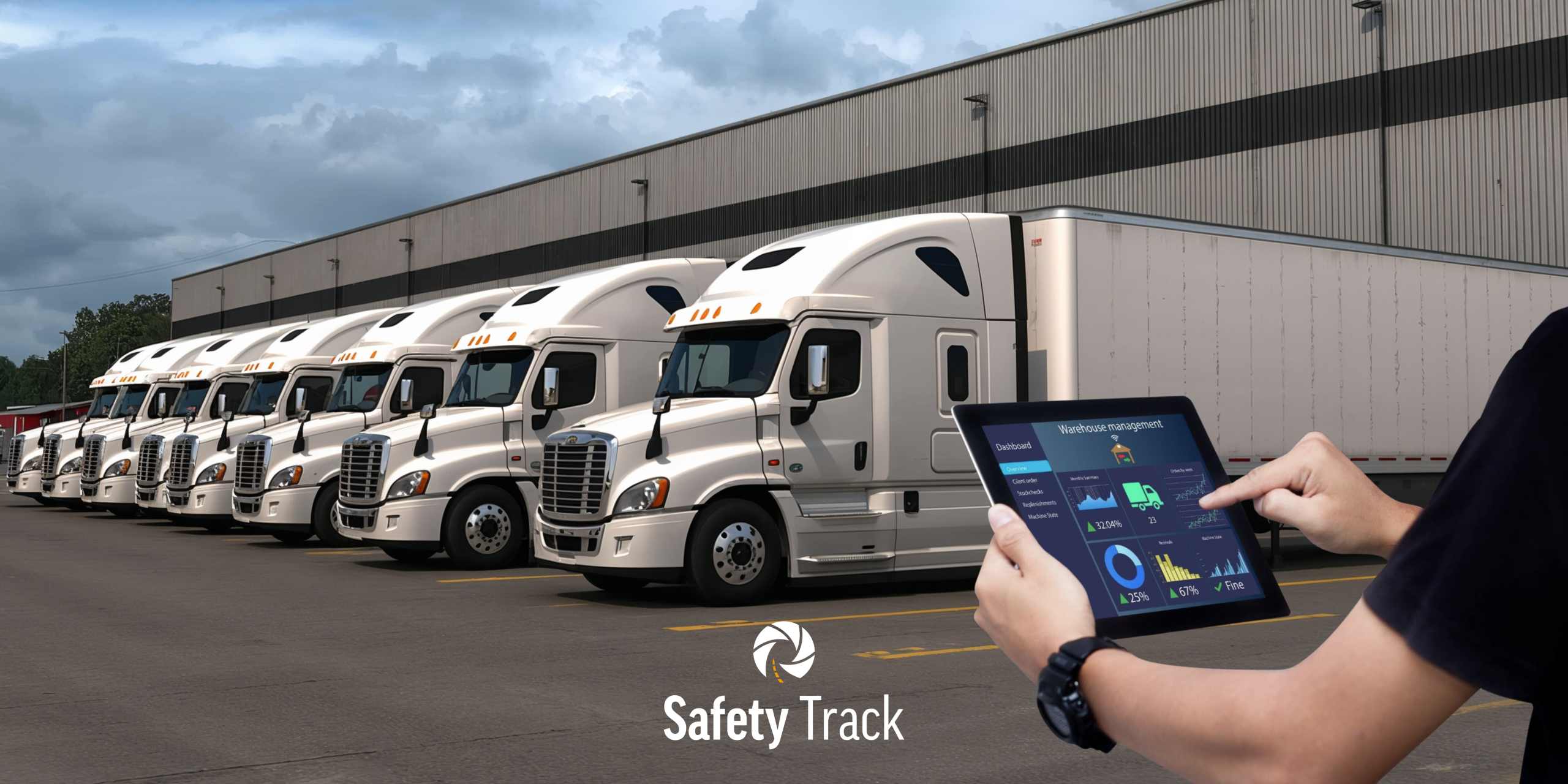
As data volumes increase, presentation becomes just as important as collection. In 2026, fleet managers demand customizable dashboards that highlight the metrics that matter most.
Modern telematics platforms allow users to tailor views by role, fleet type, or operational goal. For example, safety managers focus on driver behavior trends, while operations teams monitor utilization and routing efficiency.
This flexibility supports data-driven fleet decisions by eliminating unnecessary noise. Instead of sorting through endless reports, teams see clear, actionable insights.
Customization also improves adoption. When users interact with relevant data, engagement increases across the organization.
Trend 7: Video Telematics Expands Beyond Safety
Video telematics continues to grow in 2026, but its role expands beyond safety alone. While cameras still support incident review and driver coaching, fleets now use video data for training, compliance, and operational analysis.
AI-powered video systems automatically tag events, reducing review time. Additionally, video insights help validate claims, protect drivers, and reduce liability exposure.
Because of these benefits, video integration represents a key element of next-generation fleet telematics.
As emerging telematics innovations progress, video will play an even larger role in fleet intelligence.
Trend 8: Data-Driven Fleet Decisions Become the Norm
In 2026, intuition no longer drives fleet management. Instead, data-driven fleet decisions guide strategy, investment, and daily operations.
Telematics platforms provide measurable insights into performance, cost drivers, and risk exposure. Fleet leaders use this data to set benchmarks, track progress, and justify investments.
Furthermore, data-driven fleet decisions support continuous improvement. Fleets can test strategies, measure results, and adjust quickly.
This shift empowers organizations to operate with confidence and clarity.
Trend 9: Cybersecurity and Data Protection Gain Importance
As connected fleet systems expand, cybersecurity becomes increasingly important. Fleet telematics trends in 2026 reflect a growing focus on protecting data and infrastructure.
Modern platforms now include advanced encryption, secure access controls, and regular system updates. These measures protect sensitive vehicle, driver, and operational data.
Additionally, fleets recognize the importance of vendor transparency and compliance. Choosing trusted telematics partners helps reduce risk and ensure long-term reliability.
Security now stands as a foundational element of fleet management technology trends.
Trend 10: Scalability and Flexibility Drive Platform Selection
Fleets in 2026 demand solutions that grow with their needs. As a result, scalability ranks high among fleet telematics trends.
Modern platforms support diverse vehicle types, asset tracking, and multi-location operations. Fleets can add features, users, and integrations without disrupting workflows.
This flexibility allows organizations to adapt to market changes, regulatory updates, and expansion opportunities.
Ultimately, scalable telematics platforms protect long-term investments.
Trend 11: Driver Experience Becomes a Strategic Focus
Telematics adoption depends heavily on driver acceptance. In 2026, fleet telematics trends place greater emphasis on driver experience.
User-friendly mobile apps, clear feedback, and transparent data usage improve trust. Additionally, personalized coaching supports development rather than punishment.
When drivers understand how telematics benefits them, engagement improves. This focus leads to safer driving, better retention, and stronger fleet culture.
Trend 12: Sustainability Metrics Gain Visibility
Environmental responsibility continues to influence fleet management technology trends. Telematics platforms now track fuel usage, idle time, and emissions more accurately.
Fleets use this data to reduce environmental impact while lowering costs. Moreover, sustainability metrics support reporting requirements and customer expectations.
As regulations evolve, telematics will play a key role in environmental compliance.
Trend 13: Remote Fleet Management Expands Capabilities
Remote management capabilities grow stronger in 2026. Fleet managers can now monitor operations, review incidents, and communicate with drivers from anywhere.
Real-time fleet data supports faster decision-making, even when teams work remotely. This flexibility increases resilience and operational continuity.
Remote access also improves response times during emergencies or disruptions.
Trend 14: Analytics Move from Descriptive to Prescriptive
Analytics capabilities continue to mature as fleet telematics trends advance. In 2026, platforms move beyond descriptive reporting to prescriptive insights.
Instead of simply showing what happened, systems recommend actions to improve outcomes. For example, analytics may suggest route changes, training priorities, or maintenance schedules.
This evolution strengthens the value of telematics across the organization.
Trend 15: The Rise of Next-Generation Fleet Telematics
All of these developments point toward a broader shift: the rise of next-generation fleet telematics. These platforms combine AI, real-time data, video, and integration into one cohesive system.
Next-generation fleet telematics focuses on outcomes rather than features. Fleets invest in solutions that deliver measurable safety improvements, cost savings, and operational efficiency.
As competition increases, advanced telematics becomes a strategic advantage.
Why Fleet Telematics Trends for 2026 Matter
Understanding fleet telematics trends helps organizations plan for the future. Fleets that adopt modern tools gain greater visibility, stronger safety performance, and improved efficiency.
Conversely, fleets that rely on outdated systems risk falling behind. They may struggle with compliance, higher costs, and limited insight.
By embracing emerging telematics innovations, fleets position themselves for long-term success.
How Safety Track Supports Modern Fleet Needs
Safety Track continues to support fleets as these trends evolve. With flexible telematics solutions, real-time fleet data, and advanced analytics, Safety Track helps fleets adapt to change confidently.
By focusing on integration, safety, and actionable insights, Safety Track aligns with the most important fleet telematics trends shaping 2026 and beyond.
Looking Ahead: Preparing for the Future of Fleet Telematics
Fleet telematics will continue to evolve rapidly. However, the core priorities remain clear: safety, efficiency, visibility, and adaptability.
Fleets that invest in connected systems, AI-powered insights, and data-driven strategies will thrive. As 2026 unfolds, fleet telematics trends will continue to redefine what effective fleet management looks like.

Hannah Lang is a Social Media Marketing Specialist at Safety Track. She has her bachelor’s degree in Advertising and Public Relations from Grand Valley State University. With her passion for research, Hannah possesses a wealth of knowledge expanding across multiple industries and disciplines. Her efforts won her a Scholastic Art and Writing regional Gold Key award.