
Fleet Tracking Buyers Guide: The Best GPS Tracking Device
Managing a fleet today involves more than just keeping vehicles on the road. With rising costs, tight delivery schedules, and growing safety concerns, fleet managers must adopt modern tools. This Fleet Tracking Buyers Guide helps you make informed decisions about GPS tracking products and vehicle tracking devices.
Whether you manage delivery trucks, tow vehicles, or construction equipment, tracking solutions offer better control and visibility. In this guide, we explore how to choose the right system, what features to look for, and how to evaluate the ROI.
Why You Need a Fleet Tracking System
Fleet tracking systems give managers full visibility into daily operations. They provide accurate data on vehicle location, driver behavior, and job completion. With GPS tracking products, you no longer guess where your vehicles are. Instead, you get real-time updates that improve productivity.
Moreover, the right system helps reduce fuel costs, enhance customer satisfaction, and boost fleet safety. The Fleet Tracking Buyers Guide ensures you choose a product that matches your fleet’s specific needs.
Key Features to Look for in GPS Tracking Products
When comparing systems, you need to evaluate core features. Here are the must-have tools that ensure performance and reliability.
1. Real-Time Location Tracking
A solid fleet tracking solution updates vehicle location in real time. This helps dispatchers make smarter routing decisions. Real-time updates also reduce idle time and allow quick response to emergencies.
2. Video Monitoring Systems
Modern tracking devices often include built-in or compatible video monitoring systems. These systems record road conditions and driver behavior. This video footage can help settle disputes, prevent false claims, and improve coaching programs.
3. Fleet Analytics
Fleet analytics provide insights that help improve efficiency. These metrics can include mileage, idle time, engine diagnostics, and driver performance. When analyzed regularly, this data can reduce maintenance costs and increase driver accountability.
4. Real-Time Camera Data
If your system includes real-time camera data, it can record and transmit video instantly. This feature helps fleet managers respond to incidents right away. It also supports real-time training or live monitoring for high-risk situations.
5. Vehicle Accident Data
A system that captures vehicle accident data helps protect your business. It records speed, braking, and camera footage before and after an impact. You can use this data to defend against liability claims or improve future safety measures.
Choosing the Right GPS Tracking Product
Every fleet is different. Therefore, choosing the right device requires more than looking at features. Here’s how to evaluate what matters for your specific operation.
Fleet Size and Type
Smaller fleets may only need basic GPS tracking. Larger fleets or those in regulated industries benefit from advanced analytics, real-time video, and more.
Industry Requirements
Towing companies, for example, benefit from real-time camera data and route replay. Meanwhile, construction firms may need solar-powered units for non-powered assets.
Budget vs. Value
Don’t just look at upfront costs. A good fleet tracking system offers long-term savings through better fuel use, fewer accidents, and reduced downtime.
Hardware Compatibility
Check if the product integrates with your current cameras, sensors, or TMS platform. Compatibility avoids costly replacements or system overhauls.
Ease of Use
The interface must be simple for dispatchers and drivers to use. Training should be minimal, and technical support should be available.
Benefits of Fleet GPS Tracking Devices
Let’s break down how these products transform fleet operations.
Better Route Optimization
Tracking software allows dispatchers to reroute drivers around traffic or weather delays. This keeps jobs on schedule and reduces fuel usage.
Improved Driver Safety
With video monitoring systems and performance scoring, drivers become more cautious. Safety coaching based on real data helps reduce incidents.
Faster Theft Recovery
With fleet GPS tracking, stolen vehicles or trailers can be located instantly. Law enforcement can recover them quickly, reducing asset losses.
Lower Insurance Premiums
Many insurance companies offer discounts for vehicles equipped with tracking devices and dash cameras. This reduces long-term operational costs.
Reduced Paperwork
GPS devices that integrate with electronic logging devices (ELDs) eliminate manual logging. This simplifies hours-of-service tracking and compliance.
Common Types of Vehicle Tracking Devices
Not all tracking systems look or work the same. Here’s a look at common types and their applications.
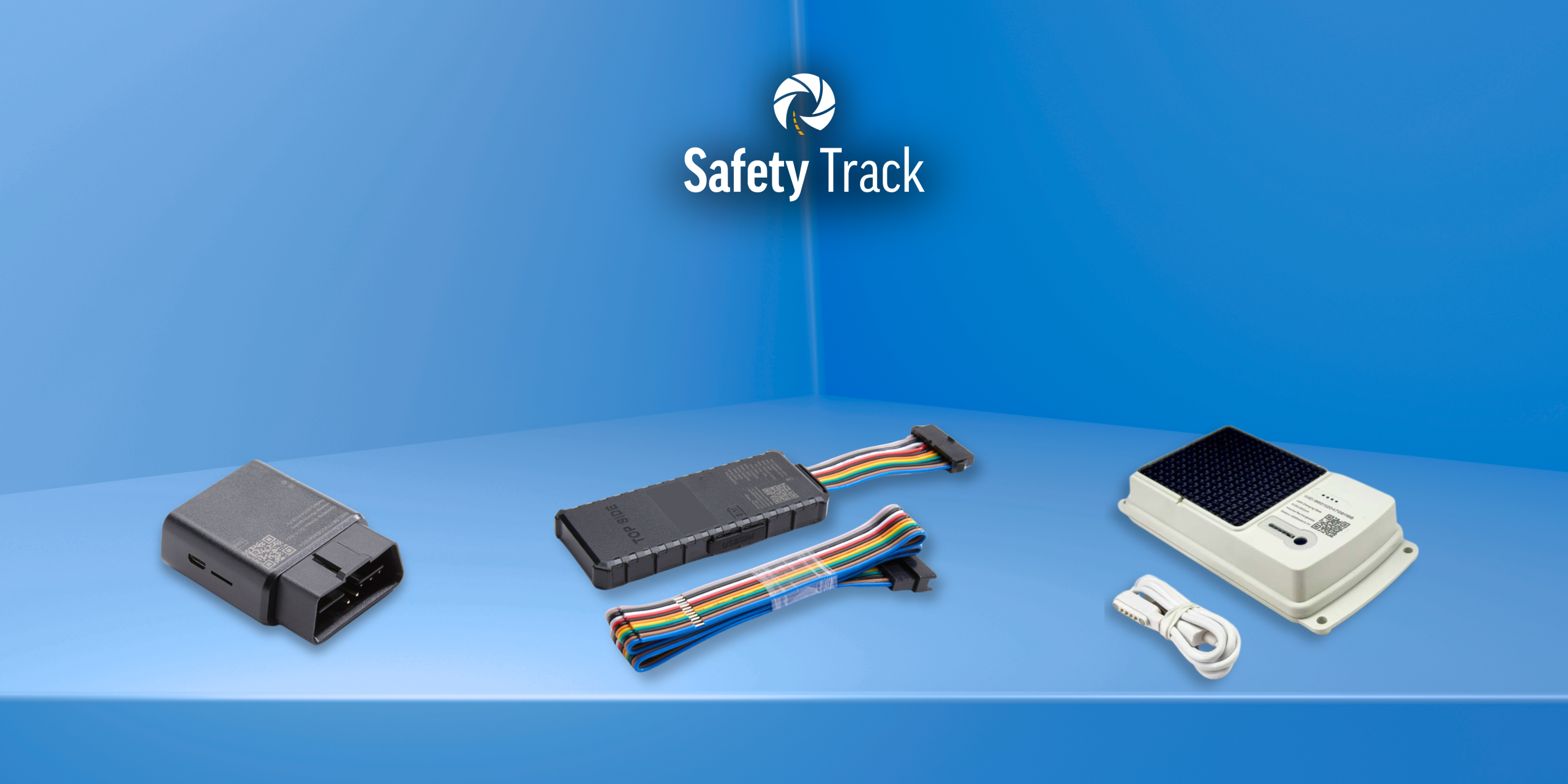
Plug-and-Play Trackers
The ST-2000 and the ST-2050 devices connect easily to the OBD-II port. Ideal for small fleets, they offer basic data and location tracking.
Hardwired Trackers
More advanced systems are hardwired into the vehicle such as the ST-1200 and the ST-2600 These are tamper-proof and ideal for long-term tracking with minimal risk.
Solar-Powered Asset Trackers
These trackers like the ST-1050 and the ST-1300 work well for trailers and non-powered equipment. The solar panel keeps the unit charged meaning you never have to second guess if your equipment is ready to go. The battery life on the Solar-Powered Asset Trackers ranges from 7 year to 10 years depending on the model.
MDVR-Based Systems
Mobile digital video recorders (MDVRs) combine tracking with video monitoring systems. They support multiple cameras and store video locally.
How to Compare Fleet Tracking Providers
To find the best match, evaluate the following aspects when selecting a fleet tracking provider.
Customization Options
Can you add accessories like temperature sensors, backup cameras, or panic buttons? Custom solutions make your system more effective.
Cloud vs. Local Storage
Cloud storage allows remote access to real-time camera data and historical footage. Local storage may be more affordable but offers less flexibility.
Support and Training
Choose a provider that offers 24/7 technical support and onboarding help. That way, your team can use the system effectively.
Software Updates
Fleet tracking systems must evolve. Look for providers that offer frequent updates, bug fixes, and new features.
Integrating GPS Tracking With Fleet Management Systems
A strong GPS tracker should integrate with your dispatch software, ELD system, and driver communication tools. This allows for centralized control and consistent reporting.
For example, you can pair fleet analytics from the tracking system with payroll or billing software. This improves efficiency and data accuracy.
How to Calculate Return on Investment (ROI)
Investing in tracking systems brings value, but how can you measure it?
Start by evaluating reductions in idle time, fuel consumption, and accident rates. Factor in recovered vehicles and insurance discounts. Compare these savings to the system’s monthly or yearly cost.
Fleet managers who use fleet GPS tracking effectively often see ROI within 6–12 months.
Real-World Applications of GPS Tracking Products
Here are examples of how different industries use GPS and video monitoring systems to boost performance.
Snow Removal Fleets
Track salt usage, plow activity, and route completion in real time. Cameras document road conditions and service verification.
Towing Services
Dispatch the nearest truck, view tow verification footage, and manage billing with time-stamped video and vehicle accident data.
Construction Companies
Use solar-powered trackers to protect valuable equipment. Monitor deliveries and locate misplaced trailers.
Logistics Providers
Reduce delivery times, avoid unnecessary idling, and coach drivers with real-time camera data for better safety outcomes.
Compliance and Regulations
For DOT-regulated fleets, compliance is non-negotiable. Modern GPS systems integrate with electronic logging, DVIRs, and driver ID tools.
Using tracking data helps prove compliance during audits. Plus, it makes roadside inspections smoother and quicker.
Maintenance Scheduling and Alerts
A good fleet tracking buyers guide should emphasize preventive maintenance. Choose a device that tracks engine hours, diagnostics, and service alerts.
These reminders help avoid breakdowns and extend vehicle life. They also reduce unexpected repair costs.
Questions to Ask Before Buying
Before finalizing your decision, ask these important questions:
-
Does the product offer live tracking and real-time camera data?
-
Is the software mobile-friendly and easy to learn?
-
Can I expand the system as my fleet grows?
-
Are there monthly fees or hidden charges?
-
How long is the data stored?
-
Does it help with vehicle accident data recovery and reporting?
Asking these ensures you choose the best system for your needs and budget.
Conclusion: Making the Right Investment
Fleet tracking systems do more than pinpoint vehicle locations. They provide data that improves safety, efficiency, and accountability. This Fleet Tracking Buyers Guide equips you with the knowledge to select the right device.
Whether you need video monitoring systems, fleet GPS tracking, or fleet analytics, choose tools that grow with your fleet. Focus on ROI, integration options, and support services to ensure lasting success.

Hannah Lang is a Social Media Marketing Specialist at Safety Track. She has her bachelor’s degree in Advertising and Public Relations from Grand Valley State University. With her passion for research, Hannah possesses a wealth of knowledge expanding across multiple industries and disciplines. Her efforts won her a Scholastic Art and Writing regional Gold Key award.