

How GPS Tracking Enhances Resource Optimization for Businesses
In today’s fast-paced business environment, effective resource management is crucial for success. GPS tracking technology has emerged as a powerful tool that enhances resource optimization, enabling businesses to streamline operations and improve efficiency. This article will explore how GPS tracking can transform fleet management and real-time resource allocation, ultimately leading to significant cost savings and productivity gains. Many organizations struggle with inefficient routing, asset visibility, and workforce management, which can hinder their operational effectiveness. By leveraging GPS tracking solutions, businesses can address these challenges head-on. We will delve into the core benefits of GPS fleet optimization, cost reduction strategies, workforce productivity enhancements, key features of modern GPS solutions, industry-specific applications, and implementation strategies to maximize return on investment while addressing privacy concerns.
Indeed, the strategic management of GPS tracking systems is fundamental to realizing these widespread benefits across transportation and logistics.
GPS Tracking Management for Fleet Optimization & Cost Reduction
The management of GPS tracking systems plays a vital role in optimizing transportation systems and enhancing operational efficiency. GPS technology has revolutionized the way vehicles are tracked, monitored, and managed, enabling real-time visibility and effective decision-making. Effective management ensures accurate positioning and tracking of vehicles, efficient route planning, timely dispatching, and effective resource allocation. By adopting effective management practices, transportation systems can benefit from improved operational efficiency, reduced costs, enhanced safety, and better customer satisfaction.
Management of GPS tracking systems in transportation, R Verma, 2024
What Are the Core Benefits of GPS Fleet Optimization for Business Resource Management?
GPS fleet optimization offers several key benefits that significantly enhance business resource management. By utilizing GPS tracking technology, companies can improve route efficiency, reduce operational costs, and enhance asset visibility. These advantages not only streamline operations but also contribute to better decision-making and resource allocation.
How Does GPS Tracking Improve Route Optimization and Dispatch Efficiency?

GPS tracking improves route optimization by providing real-time traffic data and dynamic routing capabilities. This technology allows businesses to adjust routes based on current traffic conditions, ensuring timely deliveries and reducing fuel consumption. For instance, companies can reroute vehicles to avoid congested areas, leading to faster delivery times and increased customer satisfaction. The impact of these improvements is substantial, as optimized routes can lead to significant savings in fuel costs and enhanced overall efficiency.
In What Ways Does GPS Enhance Asset Tracking and Inventory Control?
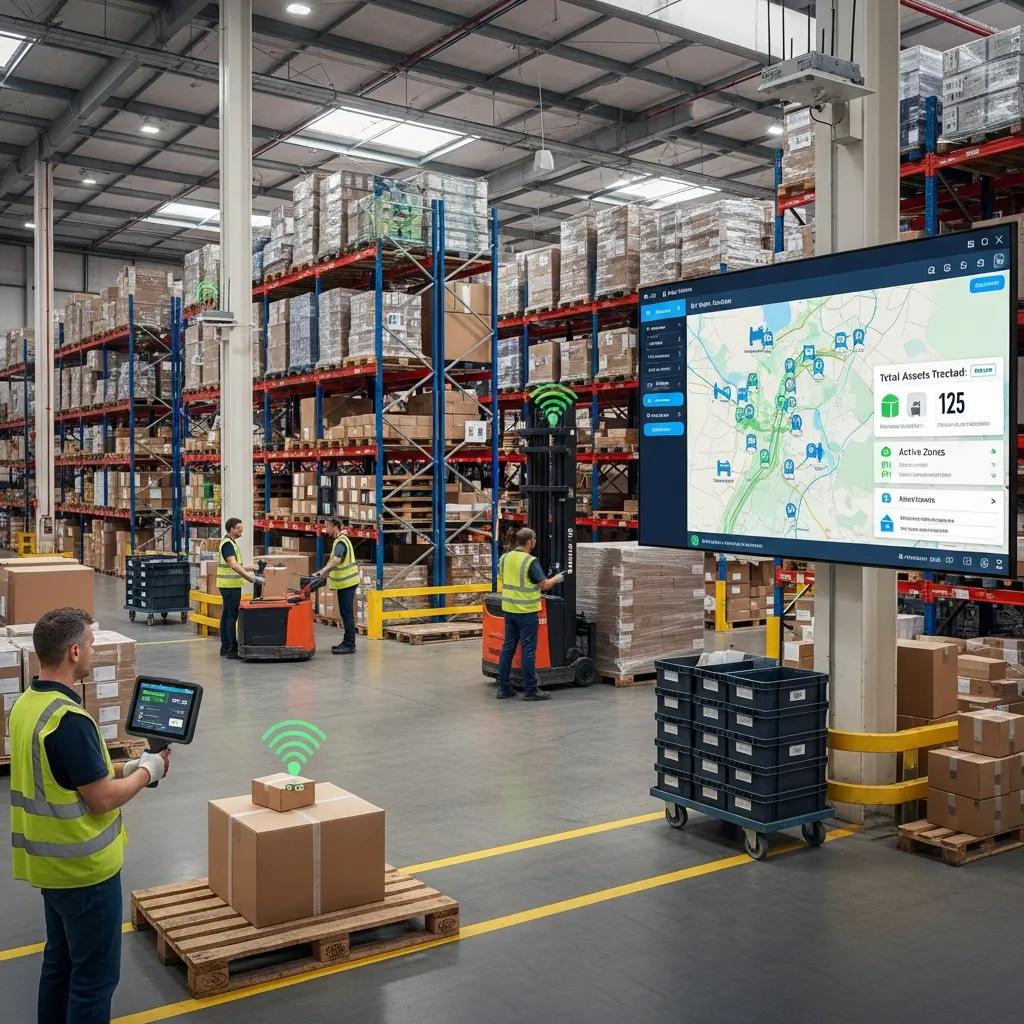
GPS technology enhances asset tracking and inventory control by enabling real-time location tracking of assets. Businesses can monitor the whereabouts of their equipment and inventory, reducing the risk of loss or theft. For example, companies that implement GPS tracking solutions can achieve higher inventory accuracy and minimize losses, ultimately leading to improved operational efficiency. Case studies have shown that organizations utilizing GPS for asset tracking experience a notable reduction in inventory discrepancies and enhanced visibility into their supply chain.
How Can GPS Tracking Reduce Business Costs Through Fuel Efficiency and Maintenance?
Implementing GPS tracking can lead to significant cost reductions for businesses, particularly in terms of fuel efficiency and maintenance. By optimizing routes and monitoring vehicle performance, companies can lower fuel consumption and reduce operational expenses. This ability to monitor assets in real-time is a direct contributor to minimizing operational costs.
What Strategies Does GPS Use to Lower Fuel Consumption and Operational Expenses?
GPS tracking systems employ various strategies to lower fuel consumption, including route optimization and driver behavior analysis. By analyzing driving patterns, businesses can identify inefficient driving habits, such as excessive idling or rapid acceleration, and provide training to drivers. This proactive approach not only reduces fuel costs but also extends the lifespan of vehicles, leading to further savings in maintenance expenses.
How Does Predictive Maintenance via GPS Telematics Minimize Downtime?
Predictive maintenance through GPS telematics minimizes downtime by providing scheduled maintenance alerts based on vehicle performance data. This proactive approach allows businesses to address potential issues before they escalate into costly repairs. By ensuring that vehicles are well-maintained, companies can enhance their operational efficiency and reduce the likelihood of unexpected breakdowns, ultimately leading to improved productivity.
How Does Real-Time Resource Management with GPS Boost Workforce Productivity?
Real-time resource management facilitated by GPS tracking significantly boosts workforce productivity. By providing managers with real-time data on employee locations and activities, businesses can optimize workforce allocation and improve accountability.
How Does Driver Behavior Monitoring Improve Safety and Accountability?
Driver behavior monitoring through GPS tracking enhances safety and accountability by providing insights into driving patterns. Businesses can identify risky behaviors, such as speeding or harsh braking, and implement corrective measures. This not only improves safety for drivers and the public but also fosters a culture of accountability within the organization. As a result, companies can reduce accident rates and associated costs, further enhancing their bottom line.
What Role Does GPS Play in Field Service Optimization and Time Management?
GPS technology plays a crucial role in field service optimization and time management by enabling efficient job dispatching. Businesses can assign tasks to the nearest available employees, reducing travel time and improving service delivery. This optimization leads to higher customer satisfaction and increased revenue, as companies can handle more jobs in a shorter timeframe.
What Are the Key Features of Modern GPS Tracking Solutions for Businesses?
Modern GPS tracking solutions offer a range of features that enhance operational control and decision-making. Key features include real-time tracking, geofencing capabilities, and data analytics, all of which contribute to improved resource management.
How Do Geofencing and Real-Time Location Monitoring Enhance Operational Control?
Geofencing allows businesses to set virtual boundaries for their assets, triggering alerts when vehicles enter or exit designated areas. This feature enhances operational control by providing insights into asset utilization and unauthorized access. Real-time location monitoring further supports operational efficiency by enabling businesses to track assets and personnel in real-time, ensuring optimal resource allocation.
How Does Integration with Business Systems Enable Data-Driven Decision Making?
Integration of GPS tracking solutions with existing business systems, such as ERP and CRM platforms, enables data-driven decision-making. By consolidating data from various sources, businesses can gain a holistic view of their operations, leading to more informed decisions. This integration allows for better forecasting, resource allocation, and overall strategic planning, ultimately enhancing business performance.
Which Industry-Specific Applications Benefit Most from GPS-Based Resource Optimization?
Various industries can benefit from GPS-based resource optimization, including logistics, delivery, construction, and field services. Each sector can leverage GPS technology to address specific challenges and improve operational efficiency.
How Is GPS Tracking Applied in Logistics, Delivery, and Supply Chain Management?
In logistics and delivery, GPS tracking is essential for route optimization and real-time tracking of shipments. Companies can monitor the status of deliveries, ensuring timely arrivals and enhancing customer satisfaction. By utilizing GPS technology, businesses can streamline their supply chain operations, reduce costs, and improve overall efficiency.
Specifically, GPS solutions offer tangible benefits in optimizing logistics operations and achieving significant cost reductions.
GPS for Logistics Optimization & Cost Savings
to propose a mobile GPS tracking solution to optimise the logistics operation and process visibility with strategic customers such as the Cost savings by reducing empty miles travelling
Optimisation of logistics operations using GPS technology solutions: a case study, R Michaelides, 2010
What Are the Benefits of GPS for Construction, Heavy Equipment, and Field Services?
For the construction industry, GPS tracking provides significant benefits in asset security and utilization tracking. Companies can monitor the location of heavy equipment, reducing the risk of theft and ensuring optimal usage. Additionally, field service organizations can enhance their operational efficiency by utilizing GPS technology for job dispatching and real-time tracking of service personnel.
How Can Businesses Implement GPS Tracking to Maximize ROI and Address Privacy Concerns?
Implementing GPS tracking solutions requires careful consideration of ROI and privacy concerns. Businesses must choose the right GPS tracking solution that aligns with their operational needs while ensuring data security.
What Criteria Should Businesses Use to Choose the Right GPS Tracking Solution?
When selecting a GPS tracking solution, businesses should consider factors such as scalability, feature set, and integration capabilities. A comprehensive solution that can grow with the organization and seamlessly integrate with existing systems will provide the best return on investment. Additionally, businesses should evaluate the level of customer support and training offered by the provider to ensure successful implementation.
How Can Privacy and Data Security Be Ensured in GPS Tracking Deployments?
To address privacy and data security concerns, businesses must implement best practices for data protection. This includes ensuring compliance with regulations, such as GDPR, and maintaining transparency with users regarding data collection and usage. By prioritizing data security, organizations can build trust with their employees and customers while leveraging the benefits of GPS tracking technology.
The integration of these features into GPS tracking solutions allows businesses to optimize their operations effectively. By leveraging real-time data and analytics, organizations can make informed decisions that drive efficiency and productivity.
GPS tracking technology offers a transformative approach to resource optimization for businesses across various industries. By improving route efficiency, enhancing asset visibility, and boosting workforce productivity, organizations can achieve significant cost savings and operational improvements. As businesses continue to embrace GPS tracking solutions, they will be better equipped to navigate the challenges of modern resource management while maximizing their return on investment.

Hannah Lang is a Social Media Marketing Specialist at Safety Track. She has her bachelor’s degree in Advertising and Public Relations from Grand Valley State University. With her passion for research, Hannah possesses a wealth of knowledge expanding across multiple industries and disciplines. Her efforts won her a Scholastic Art and Writing regional Gold Key award.