
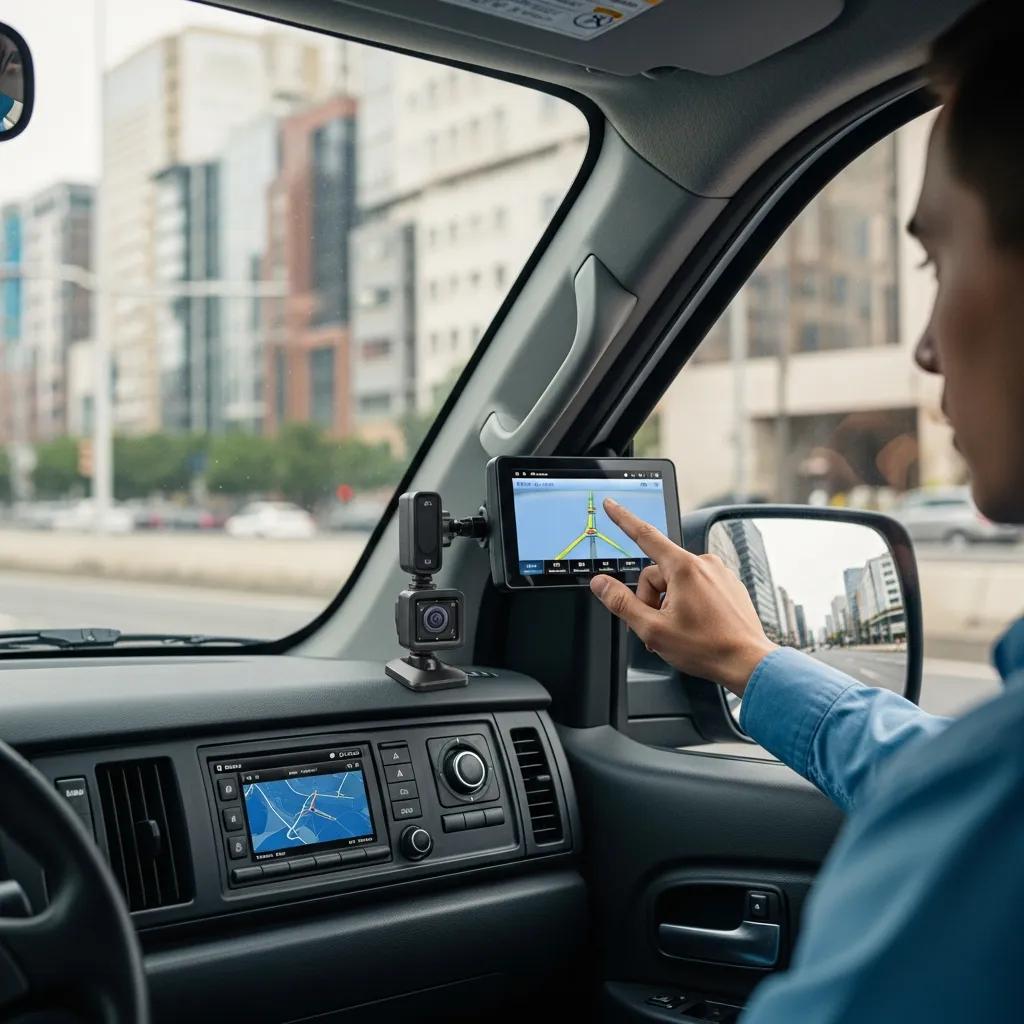
How Integrated GPS and Cameras Enhance Resource Management
The integration of GPS and camera systems has revolutionized resource management, particularly in fleet and asset optimization. These technologies provide real-time data and insights that enhance operational efficiency, safety, and accountability. In this article, we will explore how integrated GPS and camera systems work, their benefits, and their applications across various industries. Many businesses face challenges in managing resources effectively, leading to increased costs and safety risks. By leveraging integrated systems, organizations can streamline operations and improve decision-making processes. We will delve into the key benefits, types of systems available, and how to choose the right solution for your business needs.
What Are the Key Benefits of Integrating GPS and Camera Systems in Resource Management?
Integrating GPS and camera systems in resource management offers several key benefits that enhance operational efficiency and safety. These systems provide real-time visibility into fleet operations, allowing for better decision-making and resource allocation.
- Enhanced Safety and Accountability: Integrated systems improve fleet safety by monitoring driver behavior and providing evidence in case of incidents. This accountability encourages safer driving practices and can reduce accident rates.
- Cost Reduction: By optimizing routes and reducing fuel consumption, these systems can significantly lower operational costs. Additionally, they can lead to lower insurance premiums due to improved safety records.
- Real-Time Data Visibility: Access to real-time data allows businesses to respond quickly to issues, improving overall operational efficiency.
How Do Integrated Systems Improve Fleet Safety and Driver Accountability?
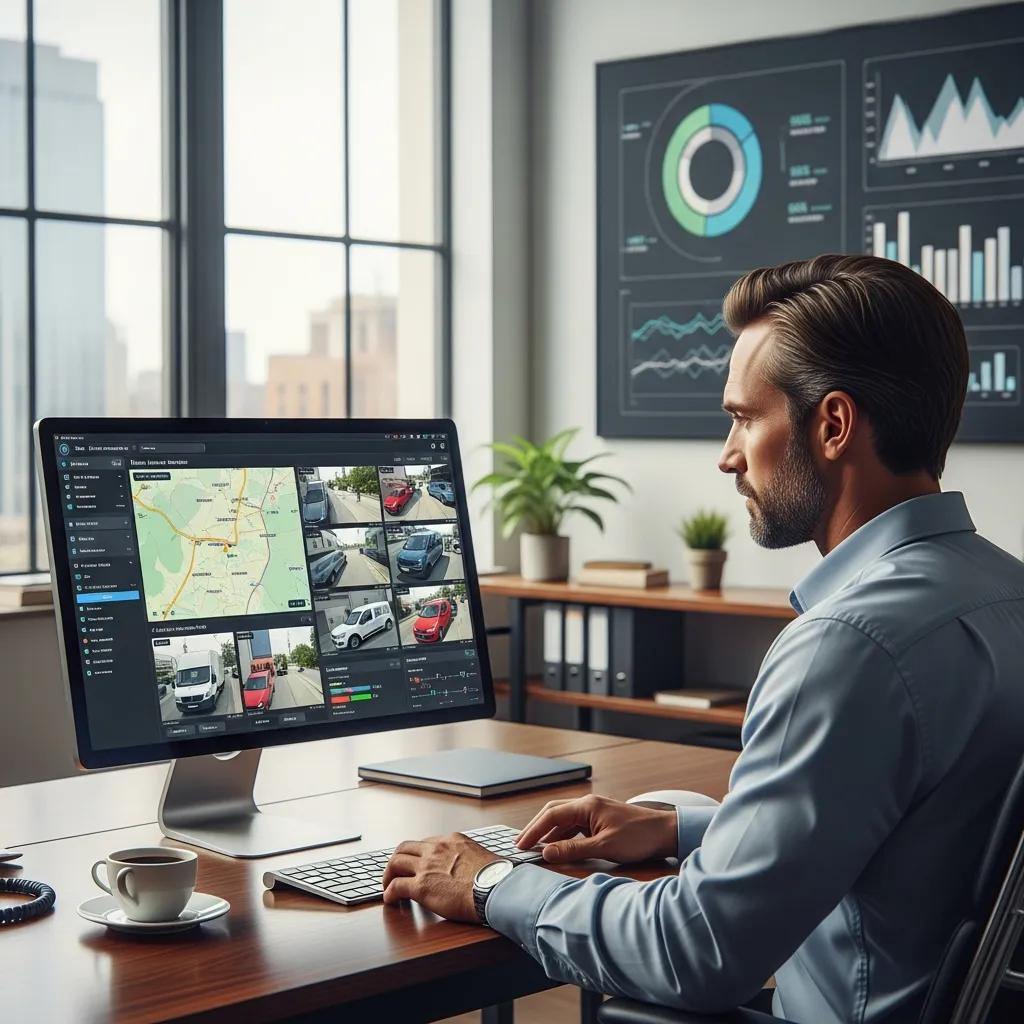
Integrated GPS and camera systems enhance fleet safety by providing comprehensive monitoring of driver behavior. These systems can track speed, braking patterns, and other driving metrics, allowing fleet managers to identify risky behaviors. Furthermore, in the event of an accident, the camera footage serves as crucial evidence, helping to resolve disputes and improve training programs. This proactive approach to safety not only protects drivers but also reduces liability for the company.
The integration of such electronic devices, including cameras and GPS, is foundational for robust vehicle monitoring and driver assistance systems.
IoT Vehicle Monitoring for Fleet Safety & Management
We implemented electronic devices such as cameras, a global positioning system module, a global system for mobile communication module, and various sensors to monitor and alert the driver’s behavior when the vehicle sways away from the lane, and to detect if the driver is feeling drowsy.
IoT-based vehicle monitoring and driver assistance system framework for safety and smart fleet management, B Rudrusamy, 2023
In What Ways Do GPS Cameras Reduce Operational Costs and Insurance Premiums?
GPS cameras contribute to cost reduction in several ways. By optimizing routes based on real-time traffic data, fleets can minimize fuel consumption and reduce wear and tear on vehicles. Additionally, companies that implement these systems often see a decrease in insurance premiums, as insurers recognize the reduced risk associated with monitored fleets. Some studies indicate that fleets using integrated systems can save up to 15-20% on operational costs, making them a valuable investment.
Which Types of Integrated GPS and Camera Systems Are Available for Fleet Management?
There are various types of integrated GPS and camera systems available for fleet management, each offering unique features tailored to different operational needs.
- Dash Cams with GPS: These systems combine video recording with GPS tracking, providing a comprehensive view of vehicle operations. They are essential for monitoring driver behavior and ensuring accountability.
- AI-Powered Video Telematics: These advanced systems utilize artificial intelligence to analyze video footage and driver behavior, offering insights that can lead to improved safety and efficiency.
- Multi-Camera Systems: These setups provide a 360-degree view around the vehicle, enhancing visibility and safety during operations.
What Are the Features of Dash Cams with GPS for Commercial Fleets?
Dash cams equipped with GPS offer several key features that enhance fleet management. These include high-definition video recording, real-time GPS tracking, and user-friendly interfaces for easy access to footage. The ability to review incidents and monitor driver behavior in real-time allows fleet managers to implement corrective actions swiftly, improving overall safety and efficiency.
How Do AI-Powered Video Telematics Enhance Vehicle Monitoring?
AI-powered video telematics systems enhance vehicle monitoring by providing real-time analytics and insights into driver behavior. These systems can detect unsafe driving patterns, such as harsh braking or rapid acceleration, and alert fleet managers immediately. By leveraging AI, companies can proactively address issues before they lead to accidents, ultimately improving safety and reducing costs.
How Do Integrated GPS and Camera Systems Enhance Operational Efficiency and Productivity?
Integrated GPS and camera systems significantly enhance operational efficiency and productivity by providing real-time data and insights that inform decision-making.
- Real-Time Monitoring: These systems allow fleet managers to monitor vehicle locations and performance in real-time, enabling quick responses to any issues that arise.
- Route Optimization: By analyzing traffic patterns and road conditions, integrated systems can suggest the most efficient routes, reducing travel time and fuel consumption.
- Impact on Productivity: With improved visibility and data-driven insights, businesses can streamline operations, leading to increased productivity and reduced downtime.
How Does Real-Time Monitoring and Route Optimization Work with Integrated Systems?
Real-time monitoring and route optimization work together to enhance fleet efficiency. GPS systems provide live updates on vehicle locations, while integrated cameras capture footage of road conditions and driver behavior. This data allows fleet managers to adjust routes dynamically, avoiding traffic congestion and ensuring timely deliveries. The result is a more efficient operation that maximizes resource utilization.
What Role Does Predictive Maintenance Play in Resource Management?
Predictive maintenance is a crucial aspect of resource management that leverages data from integrated GPS and camera systems. By analyzing vehicle performance data, fleet managers can identify potential issues before they lead to breakdowns. This proactive approach reduces downtime and maintenance costs, extending the lifespan of vehicles and improving overall fleet reliability.
What Are the Applications of Integrated GPS and Camera Systems Across Industries?
Integrated GPS and camera systems have diverse applications across various industries, enhancing resource management and operational efficiency.
- Fleet Management and Logistics: These systems are widely used in logistics to track shipments, monitor driver behavior, and ensure timely deliveries.
- Construction and Heavy Equipment: In construction, GPS and camera systems help monitor equipment usage and location, improving asset management and security.
- Public Safety and Emergency Services: Emergency services utilize these systems to enhance response times and ensure the safety of personnel during operations.
How Are GPS Cameras Used in Fleet Management and Logistics?
In fleet management and logistics, GPS cameras are essential for tracking shipments and monitoring driver behavior. They provide real-time visibility into the location of vehicles, allowing companies to optimize delivery routes and improve customer service. Additionally, the footage captured by these cameras can be used to resolve disputes and enhance training programs for drivers.
How Do Integrated Systems Support Asset Tracking and Security?
Integrated systems play a vital role in asset tracking and security by providing real-time data on the location and status of assets. This visibility helps prevent theft and unauthorized use, ensuring that valuable equipment is protected. Companies can implement geofencing alerts to notify them of any unauthorized movements, further enhancing security measures.
How Can Integrated GPS and Camera Systems Improve Asset Security and Theft Prevention?

Integrated GPS and camera systems significantly enhance asset security and theft prevention through advanced monitoring and alerting capabilities.
- Real-Time Asset Monitoring: These systems provide continuous tracking of assets, allowing businesses to respond quickly to any unauthorized movements.
- Geofencing Capabilities: Geofencing technology enables companies to set virtual boundaries for their assets. If an asset moves outside these boundaries, alerts are triggered, allowing for immediate action.
- Real-Time Alerts: Integrated systems can send real-time alerts to fleet managers, enabling them to take swift action in case of theft or unauthorized access.
What Technologies Enable Real-Time Asset Monitoring and Recovery?
Technologies such as GPS tracking, high-definition cameras, and advanced software platforms enable real-time asset monitoring and recovery. These systems work together to provide comprehensive visibility into asset locations and conditions, allowing businesses to take proactive measures against theft and loss.
How Does Geofencing Alert Unauthorized Asset Movement?
Geofencing technology creates virtual boundaries around designated areas. When an asset moves outside these boundaries, the system sends immediate alerts to fleet managers. This capability is crucial for preventing theft and ensuring that assets remain secure, providing peace of mind for businesses.
What Advanced Technologies Are Driving the Future of Integrated GPS and Camera Systems?
The future of integrated GPS and camera systems is being shaped by several advanced technologies that enhance their capabilities and applications.
- AI and Machine Learning: These technologies are improving the accuracy of data analysis and enabling predictive insights that enhance decision-making.
- 5G Connectivity: The rollout of 5G networks is facilitating faster data transmission, allowing for real-time monitoring and analytics.
- Augmented Reality: AR applications are being developed to provide enhanced visualization of data, improving user interaction with GPS and camera systems.
How Is AI and Machine Learning Enhancing Video Telematics?
AI and machine learning are enhancing video telematics by enabling systems to analyze vast amounts of data quickly and accurately. These technologies can identify patterns in driver behavior, predict potential issues, and provide actionable insights to fleet managers. As a result, businesses can implement targeted training programs and improve overall safety.
Studies further emphasize how AI-powered telematics systems are crucial for advanced driver assistance and accident prevention.
AI Telematics for Driver Behavior & Accident Prevention
The shown method only uses video information. In this section, we have showcased four commercial AI-powered telematics systems provided by four leading telematics service providers.
AI-Powered Driver Behavior Analysis and Accident Prevention Systems for Advanced Driver Assistance, D Kalla, 2022
What Role Do 5G and Augmented Reality Play in Resource Management?
5G technology plays a crucial role in resource management by providing faster and more reliable connectivity for integrated systems. This enhanced connectivity allows for real-time data sharing and analysis, improving decision-making processes. Augmented reality applications are also emerging, offering innovative ways to visualize data and enhance user experiences in fleet management.
How Should Businesses Choose the Right Integrated GPS and Camera System?
Choosing the right integrated GPS and camera system is essential for maximizing the benefits of these technologies. Businesses should consider several key factors when making their selection.
- Essential Features: Look for systems that offer high-definition video, real-time GPS tracking, and user-friendly interfaces.
- Comparison of Systems: Evaluate different systems based on their features, pricing, and customer support.
- Business Size Considerations: Consider the specific needs of your business, including fleet size and operational requirements, to select the most suitable system.
What Features and Criteria Are Essential for Selecting a System?
When selecting an integrated GPS and camera system, businesses should prioritize features such as video quality, GPS accuracy, and ease of use. Additionally, systems that offer robust customer support and regular software updates are essential for ensuring long-term success.
How Do Different Systems Compare for Various Business Sizes and Needs?
Different integrated systems cater to various business sizes and needs. Smaller businesses may benefit from more straightforward, cost-effective solutions, while larger enterprises may require advanced features and scalability. A thorough comparison of available options will help businesses find the best fit for their specific requirements.
What Are Common Questions About Integrated GPS and Camera Systems?
As businesses explore integrated GPS and camera systems, several common questions arise regarding their benefits and applications.
- What Are the Benefits of Integrating GPS Tracking with Camera Systems?: The integration of GPS tracking with camera systems enhances safety, accountability, and operational efficiency.
- Can Dash Cams with GPS Lower Insurance Costs?: Yes, dash cams with GPS can lead to lower insurance premiums by demonstrating a commitment to safety and reducing risk.
What Are the Benefits of Integrating GPS Tracking with Camera Systems?
Integrating GPS tracking with camera systems provides numerous benefits, including improved safety, enhanced accountability, and reduced operational costs. This combination allows businesses to monitor driver behavior and vehicle performance in real-time, leading to better decision-making and resource management.
Can Dash Cams with GPS Lower Insurance Costs?
Yes, dash cams equipped with GPS can lower insurance costs by providing evidence of safe driving practices and reducing the likelihood of accidents. Insurance companies often offer discounts to fleets that utilize these technologies, recognizing the reduced risk associated with monitored vehicles.

Hannah Lang is a Social Media Marketing Specialist at Safety Track. She has her bachelor’s degree in Advertising and Public Relations from Grand Valley State University. With her passion for research, Hannah possesses a wealth of knowledge expanding across multiple industries and disciplines. Her efforts won her a Scholastic Art and Writing regional Gold Key award.