
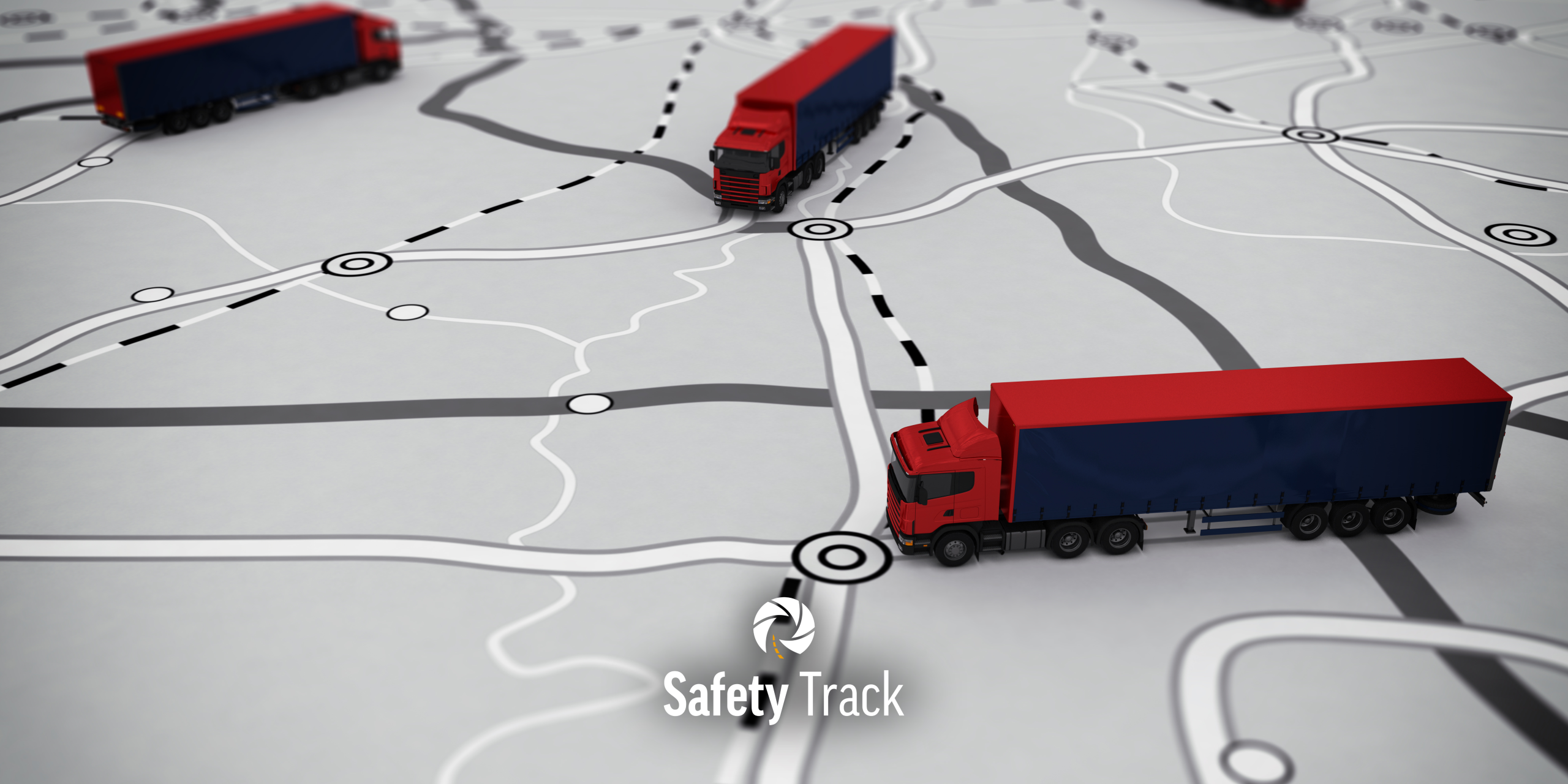
Real-Time Fleet Tracking: Enhanced Visibility and Operational CostsReal-Time Fleet Tracking: Enhancing Visibility and Reducing Operational Costs
Managing a fleet requires precision, quick decision-making, and complete visibility into daily operations. Companies that rely on vehicles for deliveries, logistics, and field services cannot afford delays, inefficiencies, or wasted resources. This is where real-time fleet tracking transforms operations. By providing constant updates and clear visibility into vehicle activity, companies achieve better control, reduce costs, and improve safety.
This blog explores how real-time fleet tracking enhances operational visibility and lowers expenses. We will break down its role in live GPS monitoring, the connection to fleet optimization, and its direct impact on cost reduction.
Understanding Real-Time Fleet Tracking
Real-time fleet tracking combines GPS technology, telematics, and cloud-based software to monitor vehicles as they move. Unlike traditional tracking that only logs data at intervals, real-time fleet tracking delivers live insights. Managers view vehicle speed, location, idle time, and route progress instantly.
With this constant visibility, decisions shift from reactive to proactive. For example, if traffic congestion appears on a driver’s route, dispatchers can reroute immediately. If a vehicle sits idle too long, managers can intervene before fuel waste grows. These small adjustments accumulate into large operational improvements.
Live GPS Monitoring: The Foundation of Real-Time Tracking
At the heart of fleet tracking is live GPS monitoring. Global Positioning System satellites capture vehicle coordinates every second. Then, telematics devices transmit this data to the fleet management platform.
This capability benefits fleets in several ways:
-
Precise Vehicle Location – Know exactly where each asset is at any time.
-
Improved Safety – Detect unsafe driving behavior, such as speeding or harsh braking, and coach drivers effectively.
-
Faster Response – Dispatchers can reroute drivers when customer needs change or emergencies arise.
-
Theft Prevention – Managers receive instant alerts if vehicles move outside designated areas.
Live GPS monitoring is more than dots on a map. It builds the foundation for efficiency, accountability, and security across every mile.
Fleet Optimization Through Data
Data is the true strength of real-time fleet tracking. Continuous updates generate valuable insights into driver habits, fuel use, and route patterns. With these insights, managers achieve fleet optimization by streamlining operations and reducing waste.
Examples of optimization include:
-
Route Efficiency – Identify routes that reduce travel time and fuel consumption.
-
Asset Utilization – Ensure vehicles are used evenly to prevent overworking certain assets.
-
Driver Performance – Track speeding, idle time, and harsh acceleration to coach safer habits.
-
Maintenance Scheduling – Predict wear and schedule service before breakdowns occur.
When data drives decisions, fleets operate smoother, safer, and more cost-effectively.
Real-Time Fleet Tracking and Cost Reduction
One of the most powerful benefits of real-time fleet tracking is cost reduction. Every minute wasted, every gallon of fuel burned unnecessarily, and every late delivery increases expenses. Tracking systems directly combat these inefficiencies.
Fuel Savings
Idling is one of the biggest hidden costs for fleets. Real-time tracking alerts managers to excessive idle time. Drivers can then be reminded to shut off engines, cutting fuel use. Additionally, optimized routing reduces unnecessary miles, which further lowers fuel expenses.
Lower Maintenance Costs
Real-time data identifies potential mechanical problems early. Monitoring engine diagnostics and mileage ensures vehicles receive timely service. Preventive maintenance reduces costly breakdowns and extends vehicle lifespans.
Insurance Benefits
Insurance providers often offer discounts when fleets install telematics. Live GPS monitoring reduces accident risks by encouraging safer driving, which decreases liability and premium costs.
Productivity Gains
Time saved through optimized routes and faster dispatching allows drivers to complete more jobs daily. Higher productivity means more revenue without increasing fleet size.
Cost reduction is not a single action but the result of many small improvements made possible by real-time fleet tracking.
Enhancing Driver Accountability
Drivers play a critical role in operational efficiency. Without accountability, unsafe habits and time mismanagement can quickly inflate expenses. Real-time fleet tracking ensures transparency between drivers and managers.
Monitoring behavior such as speeding, long breaks, or harsh braking provides coaching opportunities. Rather than penalize drivers, managers can use data to support professional development. When drivers know their performance is tracked, they become more mindful, leading to safer roads and reduced costs.
Customer Service Improvements
In today’s competitive environment, customer expectations continue to rise. Real-time fleet tracking directly supports stronger customer service.
-
Accurate ETAs – Customers receive reliable updates based on live GPS monitoring.
-
Faster Deliveries – Optimized routing means deliveries arrive sooner.
-
Transparency – Businesses can share tracking links with clients for real-time updates.
Satisfied customers lead to repeat business, positive reviews, and stronger client relationships. Fleet tracking ensures that companies not only save money but also build lasting trust.
Integrating Real-Time Fleet Tracking with Business Systems
Standalone tracking is powerful, but integration makes it even stronger. By connecting real-time fleet tracking to dispatch, payroll, and invoicing systems, companies streamline workflows.
For instance, digital logs of mileage and hours worked sync automatically with payroll systems, eliminating paperwork. Dispatch platforms benefit from live tracking data, which allows jobs to be reassigned instantly. These integrations create a seamless digital ecosystem that improves efficiency across departments.
Real-World Applications
Different industries leverage real-time fleet tracking in unique ways:
-
Logistics and Delivery – Faster routes, fewer delays, and better package tracking.
-
Construction – Monitoring heavy equipment to prevent theft and manage utilization.
-
Field Services – Ensuring technicians arrive on time and complete more appointments daily.
-
Public Transportation – Providing riders with live updates on bus or shuttle arrivals.
The versatility of real-time fleet tracking makes it valuable for any organization that depends on vehicles.
Future of Real-Time Fleet Tracking
Technology continues to evolve, and fleet tracking evolves with it. Artificial intelligence and predictive analytics are becoming part of the process. Soon, managers will not only see where vehicles are but also receive predictions about potential delays or risks before they happen.
The future of real-time fleet tracking lies in smarter, more connected systems that deliver even greater efficiency and cost savings.
Real-Time Fleet Tracking: Boosting Accountability, Service & Savings
Real-time fleet tracking is no longer optional for companies that want to stay competitive. By combining live GPS monitoring, data-driven fleet optimization, and proven cost reduction strategies, businesses gain full visibility and control over operations.
From improving driver accountability to strengthening customer service, tracking systems create measurable benefits across every aspect of fleet management. Companies that adopt this technology today position themselves for long-term success, lower expenses, and stronger customer loyalty.

Hannah Lang is a Social Media Marketing Specialist at Safety Track. She has her bachelor’s degree in Advertising and Public Relations from Grand Valley State University. With her passion for research, Hannah possesses a wealth of knowledge expanding across multiple industries and disciplines. Her efforts won her a Scholastic Art and Writing regional Gold Key award.