

Real-Time Trailer GPS Tracking Solutions Explained
Real-Time Trailer GPS Tracking Solutions Explained
Real-Time Trailer GPS Tracking Solutions Explained
Real-time trailer GPS tracking solutions have revolutionized fleet management by providing precise location data and enhancing operational efficiency. These systems utilize advanced GPS technology to monitor trailer movements in real-time, allowing fleet managers to make informed decisions quickly. As logistics operations become increasingly complex, the need for reliable tracking solutions has never been more critical. This article will delve into how real-time trailer GPS tracking works, the technologies that enable accurate monitoring, and the numerous benefits these systems offer for fleet management. We will also explore integration methods, security features, and the cost-effectiveness of implementing these solutions.
How Does Real-Time Trailer GPS Tracking Work?
Real-time trailer GPS tracking operates by utilizing satellite signals to determine the precise location of a trailer. GPS devices installed on trailers receive signals from multiple satellites, allowing them to triangulate their position accurately. This data is then transmitted to a central server, where it is processed and made accessible to fleet managers through user-friendly interfaces. The ability to access real-time data enables fleet managers to monitor trailer locations continuously, enhancing decision-making and operational efficiency.
What GPS Technologies Enable Accurate Trailer Location Monitoring?
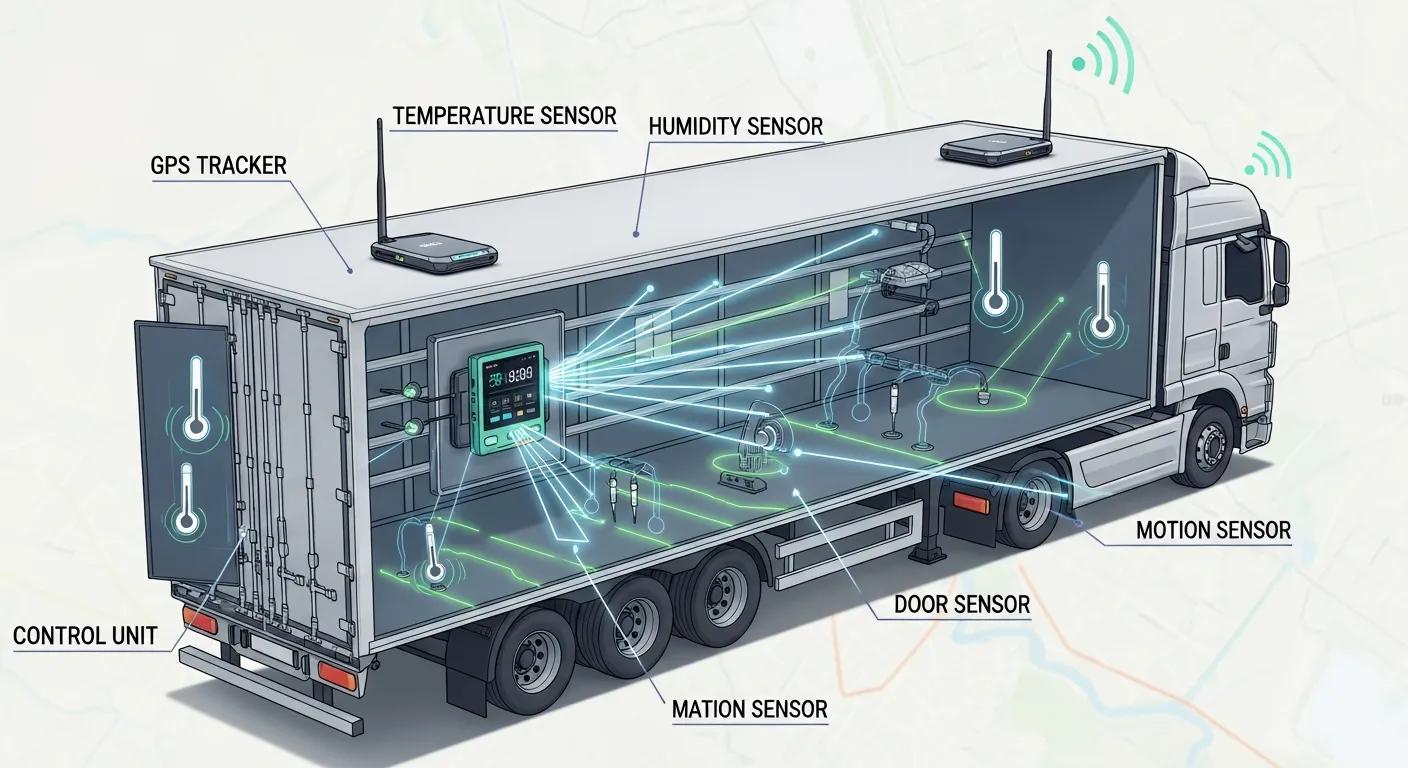
Several GPS technologies contribute to the accurate monitoring of trailer locations. These include:
- Global Navigation Satellite Systems (GNSS): This technology provides precise location data by utilizing signals from satellites orbiting the Earth.
- Cellular Networks: Many GPS tracking devices use cellular networks to transmit location data, ensuring that information is sent in real-time.
- Wi-Fi Positioning: In urban areas, Wi-Fi signals can enhance location accuracy, especially when GPS signals are weak.
These technologies work together to ensure that fleet managers receive accurate and timely information about their trailers’ locations.
How Is Data Transmitted and Processed in Real-Time Tracking Systems?
Data transmission in real-time tracking systems occurs through various methods, primarily relying on cellular networks and satellite communications. Once the GPS device on a trailer determines its location, this information is sent to a central server via the most efficient communication method available. The server processes the data and updates the fleet management software, allowing managers to view the trailer’s location on a map interface. This seamless data flow ensures that fleet managers can monitor their assets continuously and respond to any issues promptly.
What Are the Key Benefits of Real-Time Trailer GPS Tracking for Fleet Management?
Real-time trailer GPS tracking offers numerous benefits for fleet management, including:
- Improved Efficiency: By providing real-time location data, fleet managers can optimize routes and reduce idle time, leading to increased productivity.
- Enhanced Security: GPS tracking systems enable real-time alerts for unauthorized movements, helping to prevent theft and loss of assets.
- Cost Savings: Efficient route management and reduced fuel consumption contribute to significant cost savings for fleet operators.
These benefits highlight the importance of integrating GPS tracking solutions into fleet management strategies.
Indeed, the effective management of GPS tracking systems is vital for optimizing transportation and enhancing overall operational efficiency, as recent research confirms.
GPS Tracking for Fleet Optimization & Real-Time Management
The management of GPS tracking systems plays a vital role in optimizing transportation systems and enhancing operational efficiency. GPS technology has revolutionized the way vehicles are tracked, monitored, and managed, enabling real-time visibility and effective decision-making. Effective management ensures accurate positioning and tracking of vehicles, efficient route planning, timely dispatching, and effective resource allocation. Additionally, the integration of GPS data with other transportation management systems enhances situational awareness, enables proactive incident management, and improves customer service.
Management of GPS tracking systems in transportation, R Verma, 2024
For those looking to implement effective tracking solutions, Safety Track offers advanced trailer GPS tracking systems designed to enhance fleet management efficiency and security.
How Does GPS Tracking Enhance Trailer Security and Theft Prevention?
GPS tracking significantly enhances trailer security by providing real-time monitoring and alerts. Fleet managers can set up geofencing capabilities, which trigger notifications if a trailer moves outside designated areas. This proactive approach allows for immediate action in case of theft or unauthorized use. Additionally, many GPS tracking devices include tamper detection features, alerting managers if a device is removed or tampered with, further enhancing security measures.
Beyond general security, advanced telematics-based GPS systems are increasingly crucial for addressing specific supply chain vulnerabilities like diversion and hijacking, particularly in industries such as petroleum.
Telematics & GPS Tracking for Supply Chain Security
The telematics-based GPS system has gained users’ attention in this recent time of emergent Internet of Things (IoT) for supply chain speed monitoring, logistic distribution processes, geolocation tracking, and route observation. However, diversion, hijacking, and leakages in the automobile oil and gas conveyance on the transit route of the supply chain network have become worrying to the industries, and people of the country. Which usually results in the scarcity of premium motor spirit (PMS) products and inflation in the price. Therefore, this research proposes to develop an enhanced telematics-based tracking system for the logistics of supply chain sustainability in the petroleum industry.
An enhanced telematics-based automobile tracking and volume monitoring system for the supply chain sustainability in the petroleum industry, LA Ajao, 2023
In What Ways Does Real-Time Tracking Improve Fleet Efficiency and Route Optimization?
Real-time tracking improves fleet efficiency by enabling better route planning and resource allocation. Fleet managers can analyze traffic patterns and adjust routes dynamically to avoid delays. This capability not only reduces fuel consumption but also enhances delivery times, leading to improved customer satisfaction. Furthermore, real-time data allows for better decision-making regarding maintenance schedules and vehicle utilization, ensuring that resources are used effectively.
How Can Trailer GPS Tracking Solutions Integrate with Existing Fleet Management Systems?
Integrating trailer GPS tracking solutions with existing fleet management systems is crucial for maximizing their effectiveness. Many modern GPS tracking devices offer open API capabilities, allowing seamless integration with various fleet management software. This integration enables centralized data management, where fleet managers can access all relevant information in one place, enhancing visibility and operational efficiency.
What Are the Common Integration Methods and API Capabilities?
Common integration methods for GPS tracking systems include:
- Open API Integration: Allows for easy connection with existing software platforms, enabling data sharing and synchronization.
- Custom Scripts: Tailored scripts can be developed to meet specific business needs, ensuring that the tracking system aligns with operational workflows.
- Real-Time Data Streaming: This method provides continuous data updates, allowing fleet managers to monitor their assets without delays.
These integration methods facilitate a unified approach to fleet management, enhancing overall operational efficiency.
How Does Integration Support Unified Fleet Operations and Data Analytics?
Integration of GPS tracking solutions with fleet management systems supports unified operations by providing a comprehensive view of all assets. This centralized approach allows for better data analytics, enabling fleet managers to identify trends, optimize performance, and make data-driven decisions. Enhanced visibility into fleet operations leads to improved accountability and resource management, ultimately driving business success.
What Security Features Are Included in Advanced Trailer GPS Tracking Devices?
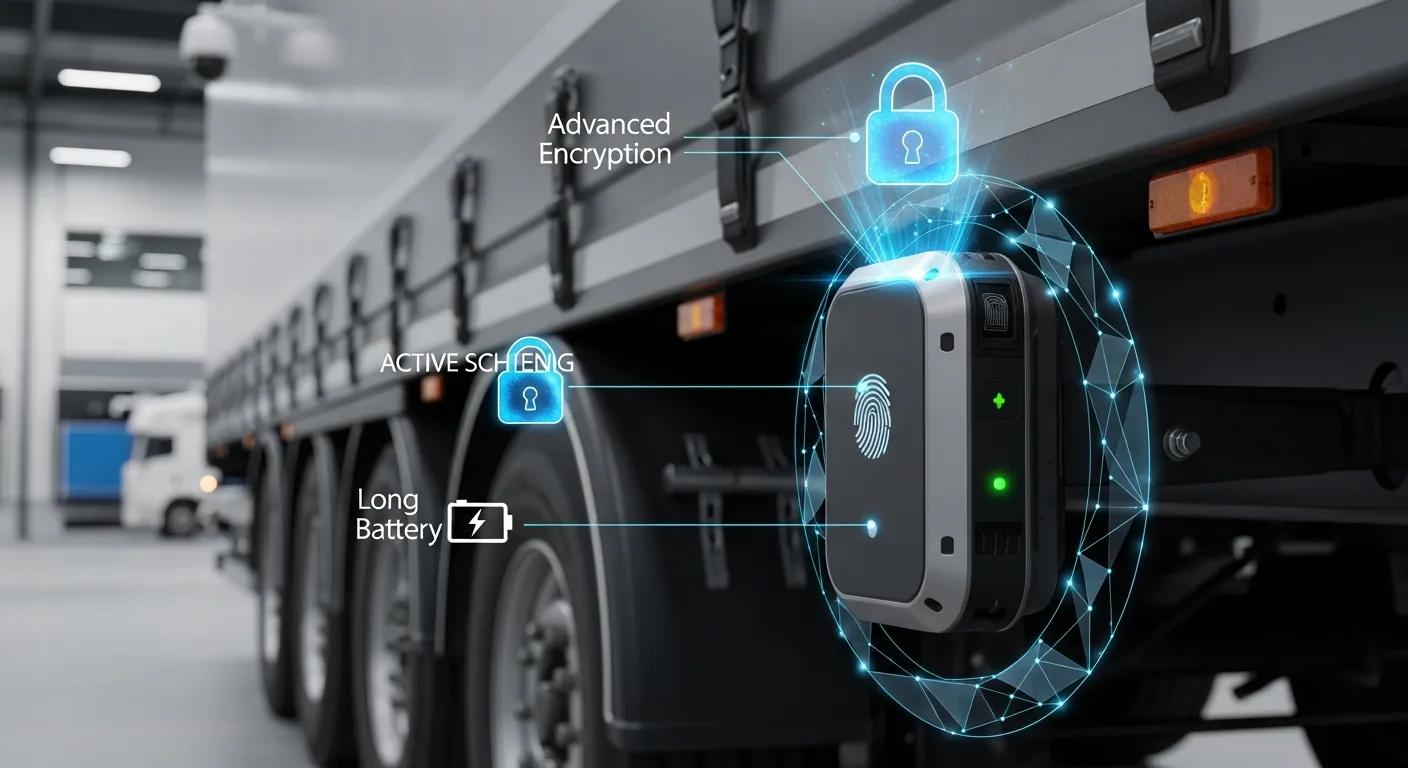
Advanced trailer GPS tracking devices come equipped with several security features designed to protect assets. Key features include:
- Real-Time Tracking: Continuous monitoring of trailer locations ensures that fleet managers are always aware of their assets’ whereabouts.
- Geofencing Alerts: Notifications are triggered when trailers move outside predefined boundaries, allowing for immediate action.
- Tamper Detection: Alerts are sent if a tracking device is removed or tampered with, enhancing security measures.
These features collectively contribute to a robust security framework for fleet operations.
How Do Geo-Fencing and Alert Systems Enhance Asset Protection?
Geo-fencing and alert systems play a crucial role in enhancing asset protection by creating virtual boundaries around designated areas. When a trailer crosses these boundaries, fleet managers receive instant notifications, allowing them to respond quickly to potential theft or unauthorized use. This proactive approach not only deters theft but also provides peace of mind for fleet operators, knowing that their assets are being monitored effectively.
What Compliance Standards Do Trailer GPS Solutions Support?
Trailer GPS solutions support various compliance standards essential for fleet operations. These include:
- Federal and State Regulations: Compliance with transportation regulations ensures that fleets operate within legal parameters.
- Electronic Logging Devices (ELDs): Many GPS tracking systems integrate ELD capabilities, helping fleets comply with hours-of-service regulations.
- Safety Standards: Adhering to safety standards is crucial for protecting drivers and assets, and GPS tracking systems can assist in monitoring compliance.
By supporting these compliance standards, GPS tracking solutions help fleets operate efficiently and legally.
What Is the Cost and Return on Investment of Trailer GPS Tracking Solutions?
The cost of trailer GPS tracking solutions can vary based on several factors, including the type of device, subscription fees, and installation costs. Typically, monthly subscription fees range from $20 to $50 per device, with initial setup costs varying based on the complexity of the system. However, the return on investment (ROI) from implementing these solutions can be substantial, with many fleets reporting savings of up to 30% in operational costs due to improved efficiency and reduced theft.
How Are Pricing Models Structured for Fleet GPS Tracking Systems?
Pricing models for fleet GPS tracking systems generally include:
- Monthly Fees: Ongoing subscription costs for accessing tracking services.
- Hardware Costs: One-time expenses for purchasing GPS tracking devices.
- Bundled Solutions: Some providers offer bundled packages that include hardware and software at a discounted rate.
These pricing structures allow fleet operators to choose options that best fit their budget and operational needs.
What Are the Measurable ROI Benefits from Implementing Real-Time Trailer Tracking?
Implementing real-time trailer tracking can yield measurable ROI benefits, including:
- Improved Fleet Efficiency: Enhanced route optimization leads to reduced fuel consumption and increased productivity.
- Cost Savings: Lower operational costs due to better resource management and theft prevention.
- Enhanced Theft Prevention: Real-time alerts and tracking capabilities significantly reduce the risk of asset loss.
These benefits demonstrate the value of investing in GPS tracking solutions for fleet management.
What Are the Latest Industry Trends and Case Studies in Trailer GPS Tracking?
The trailer GPS tracking industry is evolving rapidly, with several trends shaping its future. Key trends include the integration of artificial intelligence (AI) for predictive analytics, the use of solar-powered trackers for sustainability, and advancements in IoT technology for enhanced tracking accuracy. Case studies reveal that fleets adopting these technologies have experienced significant improvements in security and efficiency, showcasing the transformative potential of modern tracking solutions.
How Is IoT and Telematics Advancing Trailer Tracking Accuracy?
The Internet of Things (IoT) and telematics are advancing trailer tracking accuracy by enabling real-time data collection and analysis. IoT devices can gather a wealth of information, including temperature, humidity, and location, providing fleet managers with comprehensive insights into their assets. This data can be analyzed to optimize operations, improve safety, and enhance overall fleet performance.
What Do Recent Case Studies Reveal About Fleet Security and Efficiency Improvements?
Recent case studies highlight the positive impact of GPS tracking on fleet security and efficiency. For instance, fleets that implemented real-time tracking solutions reported a 30% reduction in theft incidents and a 15% increase in on-time deliveries. These improvements underscore the importance of adopting advanced tracking technologies to enhance operational performance and protect valuable assets.
How to Choose the Best Trailer GPS Tracking Device for Your Fleet?
Choosing the best trailer GPS tracking device involves considering several factors, including:
- Real-Time Tracking Features: Ensure the device provides accurate and timely location data.
- Signal Strength: Look for devices with strong signal capabilities to ensure reliable tracking in various environments.
- Security Features: Prioritize devices with advanced security features, such as tamper detection and geofencing alerts.
By evaluating these factors, fleet managers can select the most suitable GPS tracking solutions for their needs.
What Features Should Fleet Managers Prioritize When Selecting GPS Trackers?
Fleet managers should prioritize the following features when selecting GPS trackers:
- Real-Time GPS Tracking: Essential for monitoring trailer locations continuously.
- Geofencing Capabilities: Important for setting virtual boundaries and receiving alerts.
- Driver Behavior Monitoring: Helps improve safety and reduce operational costs.
These features contribute to a comprehensive tracking solution that enhances fleet management.
How Do Safety Track’s Trailer GPS Solutions Compare to Competitors?
Safety Track’s trailer GPS solutions stand out in the market due to their advanced tracking capabilities and user-friendly interfaces. With features such as real-time tracking, geofencing alerts, and robust customer support, Safety Track provides a comprehensive solution for fleet management. Compared to competitors, Safety Track’s emphasis on integration and data analytics offers fleet managers a significant advantage in optimizing their operations.
What Are Common Questions About Real-Time Trailer GPS Tracking?
Common questions about real-time trailer GPS tracking include:
- What are the key benefits of using GPS tracking?: Improved efficiency, enhanced security, and cost savings are primary benefits.
- How does GPS tracking enhance fleet security?: By providing real-time monitoring and alerts for unauthorized movements.
- Can GPS tracking help optimize logistics operations?: Yes, it enables better route planning and resource allocation.
These questions reflect the growing interest in GPS tracking solutions and their impact on fleet management.
How Does Trailer GPS Tracking Improve Fleet Security?
Trailer GPS tracking improves fleet security by providing continuous monitoring and real-time alerts. Fleet managers can quickly respond to unauthorized movements, reducing the risk of theft and loss. Additionally, the ability to set geofences enhances security measures, ensuring that trailers remain within designated areas.
Can Trailer GPS Tracking Help Optimize Logistics Operations?
Yes, trailer GPS tracking can significantly optimize logistics operations. By providing real-time insights into trailer locations, fleet managers can make informed decisions regarding route planning and resource allocation. This capability leads to improved scheduling, reduced delays, and enhanced safety for drivers and assets.
Jeff Stoker is the CEO and founder of Safety Track, a company he established in 2002. With over two decades of leadership in fleet management solutions, Jeff has guided Safety Track from a pioneering vision to a trusted industry leader. His innovative mindset and commitment to excellence continue to drive the company’s growth and impact.