

Understanding Fleet Tracking Software Benefits
GPS Tracking Systems for Fleet Efficiency & Cost Reduction
The management of GPS tracking systems plays a vital role in optimizing transportation systems and enhancing operational efficiency. GPS technology has revolutionized the way vehicles are tracked, monitored, and managed, enabling real-time visibility and effective decision-making. Effective management ensures accurate positioning and tracking of vehicles, efficient route planning, timely dispatching, and effective resource allocation. The integration of GPS data with other transportation management systems enhances situational awareness, enables proactive incident management, and improves customer service. By adopting effective management practices, transportation systems can benefit from improved operational efficiency, reduced costs, enhanced safety, and better customer satisfaction.
Management of GPS tracking systems in transportation, R Verma, 2024
Further emphasizing the importance of GPS tracking, recent research highlights its critical role in optimizing transportation systems.
GPS Tracking Management: Optimizing Fleet Efficiency & Safety
The management of GPS tracking systems plays a vital role in optimizing transportation systems and enhancing operational efficiency. This paper focuses on the management aspects associated with GPS tracking systems in transportation. GPS technology has revolutionized the way vehicles are tracked, monitored, and managed, enabling real-time visibility and effective decision-making.
Management of GPS tracking systems in transportation, R Verma, 2024
What Are the Key Advantages of Fleet Tracking Software for Businesses?
Fleet tracking software offers several key advantages that can significantly enhance business operations. These benefits include cost reduction, improved driver safety, and increased customer satisfaction. By utilizing these systems, businesses can gain valuable insights into their fleet’s performance, leading to more informed decision-making and operational improvements.
The evolution of technology, particularly mobile applications, further streamlines these processes, offering accessible solutions for comprehensive fleet oversight.
Mobile Fleet Management Software for Optimized Utilization
As the technologies are advancing at an unprecedented rate, almost all the sectors are digitized. In this perspective, this study intends to solve the challenges faced by the existing manual fleet management system. This research study has attempted to design and develop an automated android application for fleet management process in order to make it easy for an organization to store all details of the fleets in a single place and access it from anywhere. Various organizations provide fleet services and management. Establishing proper optimized fleet utilization requires a fleet manager and more manual work to maintain all the important documents like licenses, maintenance of fleets, which require more time, manual work, and cost. To overcome these drawbacks, this research study offers a fleet management software solution for the fleet owner. The proposed application helps employees and fleet owners to efficiently control the fleets by using one-tap mobile application, which consists of all data about the fleets.
Fleet Management Mobile Application Using GPS Shortest Path, 2023
How Does Fleet Tracking Software Reduce Operational Costs?
One of the primary benefits of fleet tracking software is its ability to reduce operational costs. By providing real-time data on vehicle locations and routes, businesses can optimize their operations in several ways:
- Fuel Savings: Fleet tracking software enables route optimization, which minimizes fuel consumption by identifying the most efficient paths for drivers.
- Reduced Maintenance Costs: Regular monitoring of vehicle performance helps identify maintenance needs before they escalate into costly repairs.
- Improved Productivity: By streamlining routes and reducing idle time, businesses can maximize the productivity of their drivers and vehicles.
These cost-saving measures contribute to a healthier bottom line, making fleet tracking software an essential tool for businesses looking to enhance their operational efficiency.
In What Ways Does Fleet Management Enhance Driver Safety?
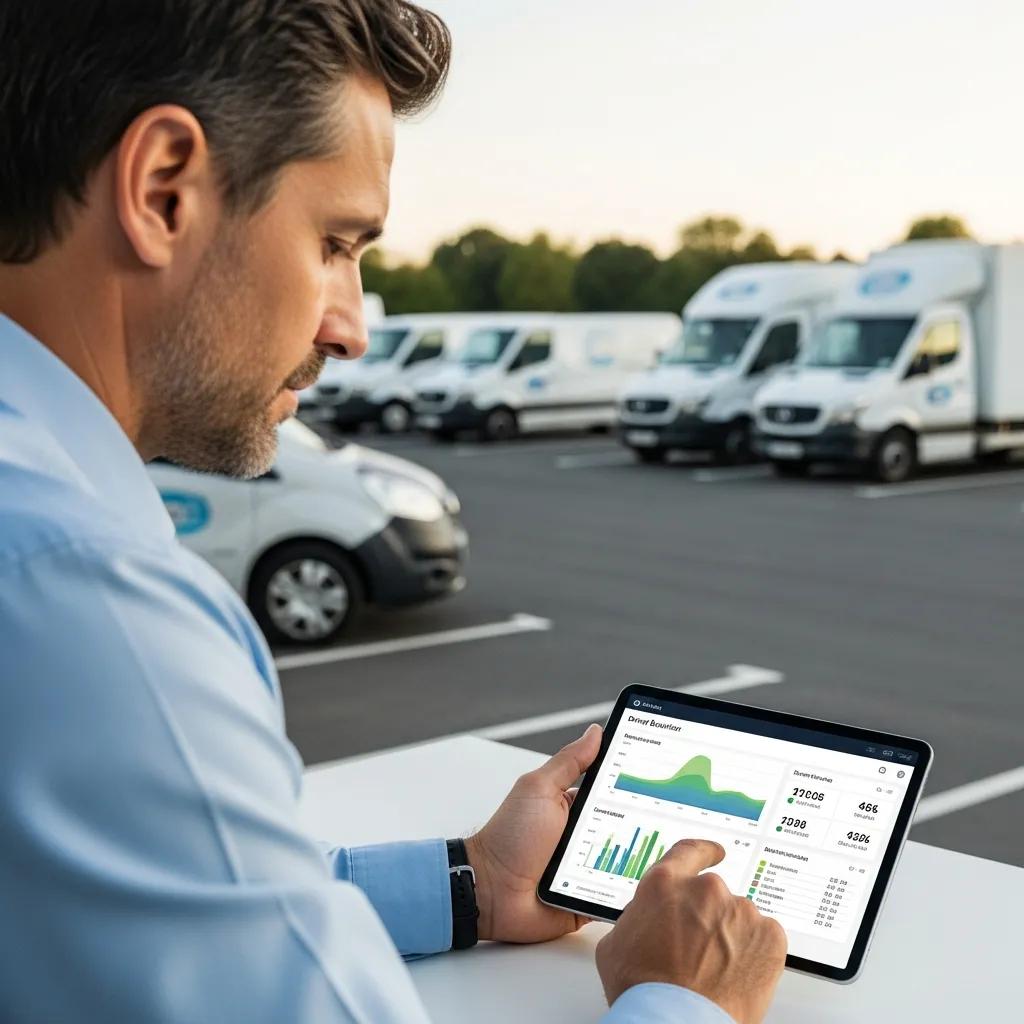
Driver safety is a critical concern for any fleet operation. Fleet tracking software enhances safety through various features that monitor and improve driver behavior:
- Behavior Monitoring: The software tracks driving patterns, such as speeding, harsh braking, and rapid acceleration, allowing managers to provide targeted training to drivers.
- Accident Reduction: By promoting safe driving practices, fleet tracking can lead to a decrease in accidents and associated costs.
- Emergency Response: In the event of an accident, real-time tracking allows for quicker response times, potentially saving lives and reducing liability.
By focusing on driver safety, businesses can create a safer work environment and reduce the risks associated with fleet operations.
How Does GPS Fleet Tracking Improve Route Optimization and Fuel Efficiency?
GPS fleet tracking plays a crucial role in enhancing route optimization and fuel efficiency. By utilizing real-time data, businesses can make informed decisions that lead to significant savings.
What Role Does Real-Time Vehicle Tracking Play in Operational Efficiency?
Real-time vehicle tracking is essential for operational efficiency. It allows businesses to:
- Monitor Vehicle Locations: Managers can see where each vehicle is at any given moment, enabling better dispatching and resource allocation.
- Respond to Issues Promptly: If a vehicle encounters a problem, such as a breakdown, managers can quickly reroute other vehicles to assist or adjust schedules accordingly.
- Enhance Customer Service: With accurate tracking, businesses can provide customers with real-time updates on delivery times, improving overall satisfaction.
These capabilities ensure that businesses can operate more efficiently and respond to challenges as they arise.
How Can Route Planning Software Modules Lower Fuel Consumption?
Route planning software modules are integral to reducing fuel consumption. They achieve this by:
- Utilizing Historical Data: By analyzing past routes and traffic patterns, the software can suggest the most efficient paths.
- Dynamic Routing: The software can adjust routes in real-time based on current traffic conditions, ensuring that drivers avoid delays.
- Reducing Idle Time: By optimizing routes, businesses can minimize the time vehicles spend idling, which directly contributes to fuel savings.
Implementing these software modules can lead to substantial reductions in fuel costs, further enhancing the financial benefits of fleet tracking.
How Does Fleet Telematics Support Maintenance Management and Vehicle Longevity?
Fleet telematics is a powerful tool for managing vehicle maintenance and ensuring longevity. By leveraging data from vehicles, businesses can implement proactive maintenance strategies.
What Are the Benefits of Predictive Maintenance in Fleet Management?
Predictive maintenance is a key advantage of fleet telematics. It allows businesses to:
- Anticipate Maintenance Needs: By analyzing vehicle data, businesses can predict when maintenance will be required, preventing unexpected breakdowns.
- Extend Vehicle Lifespan: Regular maintenance based on predictive analytics can significantly extend the life of vehicles, reducing replacement costs.
- Optimize Maintenance Scheduling: By scheduling maintenance during off-peak hours, businesses can minimize disruptions to operations.
These benefits highlight the importance of integrating telematics into fleet management strategies.
How Does Automated Maintenance Scheduling Reduce Downtime?
Automated maintenance scheduling is another critical feature of fleet telematics. It helps businesses:
- Streamline Maintenance Processes: Automated systems can schedule maintenance tasks based on vehicle usage and performance data, ensuring timely service.
- Reduce Downtime: By proactively managing maintenance, businesses can minimize the time vehicles are out of service, maintaining operational efficiency.
- Enhance Resource Allocation: With a clear maintenance schedule, businesses can allocate resources more effectively, ensuring that vehicles are serviced without impacting productivity.
This proactive approach to maintenance management is essential for maximizing fleet performance.
How Does Fleet Tracking Software Ensure Regulatory Compliance and Improve Driver Behavior?
Regulatory compliance is a significant concern for fleet operators. Fleet tracking software helps businesses meet compliance requirements while promoting safe driving practices.
What Features Help Achieve Electronic Logging Device Compliance?
Fleet tracking software often includes features that facilitate compliance with electronic logging device (ELD) regulations:
- Automated Logging: The software automatically records driving hours, ensuring compliance with regulations regarding driver work hours.
- Reporting Capabilities: Businesses can generate reports to demonstrate compliance during audits, reducing the risk of penalties.
- Alerts for Violations: The system can alert managers to potential violations, allowing for timely corrective actions.
These features simplify compliance management and help businesses avoid costly fines.
How Does Driver Behavior Monitoring Enhance Safety and Reduce Accidents?
Driver behavior monitoring is a vital component of fleet tracking software. It enhances safety by:
- Identifying Risky Behaviors: The software tracks driving habits, allowing managers to identify and address risky behaviors before they lead to accidents.
- Providing Feedback: Regular feedback to drivers can help them improve their driving habits, leading to safer roads.
- Reducing Insurance Costs: By promoting safe driving, businesses may qualify for lower insurance premiums, further reducing operational costs.
This focus on driver behavior not only enhances safety but also contributes to overall fleet efficiency.
The integration of emerging technologies like IoT further strengthens the ability to monitor driver behavior and enhance fleet safety.
IoT for Driver Behavior Monitoring & Fleet Safety
In our research, we have proposed the Internet of Things (IoT) scalability framework and its’ emerging technologies to monitor and alert driver’s behavioral and driving patterns to reduce road accidents.
IoT-based vehicle monitoring and driver assistance system framework for safety and smart fleet management, B Rudrusamy, 2023
What Are the Impacts of Fleet Tracking on Customer Satisfaction and Service Delivery?

Fleet tracking software has a direct impact on customer satisfaction and service delivery. By improving operational efficiency, businesses can enhance their service offerings.
How Does Real-Time Tracking Improve Estimated Time of Arrival Accuracy?
Real-time tracking significantly improves the accuracy of estimated time of arrival (ETA) for deliveries. This is achieved through:
- Dynamic Updates: Customers receive real-time updates on their deliveries, allowing them to plan accordingly.
- Reduced Wait Times: Accurate ETAs help minimize customer wait times, enhancing their overall experience.
- Increased Transparency: Customers appreciate transparency in the delivery process, which builds trust and loyalty.
These improvements in service delivery can lead to higher customer satisfaction and repeat business.
In What Ways Does Fleet Management Software Enhance Communication with Customers?
Effective communication is crucial for customer satisfaction. Fleet management software enhances communication by:
- Customer Portals: Many systems offer customer portals where clients can track their shipments in real-time.
- Automated Notifications: Automated notifications keep customers informed about their delivery status, reducing anxiety and uncertainty.
- Feedback Mechanisms: The software can facilitate feedback collection, allowing businesses to address customer concerns promptly.
By improving communication, businesses can foster stronger relationships with their customers.
What Are the Emerging Technologies and Future Trends in Fleet Tracking Software?
The fleet tracking industry is rapidly evolving, with emerging technologies shaping the future of fleet management.
How Are AI Analytics and Predictive Maintenance Shaping Fleet Management?
AI analytics are transforming fleet management by:
- Enhancing Data Analysis: AI can analyze vast amounts of data to identify patterns and trends that human analysts might miss.
- Improving Predictive Maintenance: AI-driven predictive maintenance models can provide more accurate forecasts of vehicle needs, reducing downtime.
- Optimizing Operations: AI can suggest operational improvements based on data analysis, leading to more efficient fleet management.
These advancements position businesses to leverage data for strategic decision-making.
This integration of advanced analytics, as highlighted by recent research, is crucial for optimizing various aspects of fleet operations, from route planning to maintenance.
AI Predictive Analytics for Fleet Management Optimization
The realm of logistics and transportation is undergoing a transformative shift due to advancements in artificial intelligence (AI) and machine learning (ML) technologies. This research paper investigates the application of AI-driven predictive analytics for optimizing fleet management, focusing on three critical aspects: route planning, vehicle allocation, and predictive maintenance. The study is driven by the imperative to reduce operational costs, enhance delivery efficiency, and improve vehicle utilization through sophisticated AI models.
AI-Driven Predictive Analytics for Fleet Management Optimization in Logistics and Transportation: Leveraging Machine Learning for Route Planning, Vehicle …, VK Dunka, 2022
Further research reinforces the significant impact of AI-driven predictive analytics on fleet management optimization.
AI Predictive Analytics for Fleet Optimization & Cost Reduction
This research paper investigates the application of AI-driven predictive analytics for optimizing fleet management, focusing on three critical aspects: route planning, vehicle allocation, and predictive maintenance. The study is driven by the imperative to reduce operational costs, enhance delivery efficiency, and improve vehicle utilization through sophisticated AI models.
AI-Driven Predictive Analytics for Fleet Management Optimization in Logistics and Transportation: Leveraging Machine Learning for Route Planning, Vehicle …, VK Dunka, 2022
What Role Do IoT Integration and 5G Play in Advancing Fleet Tracking?
The integration of IoT and 5G technology is revolutionizing fleet tracking by:
- Enabling Real-Time Data Transmission: 5G networks allow for faster and more reliable data transmission, enhancing real-time tracking capabilities.
- Connecting Devices: IoT devices can provide additional data points, such as vehicle health and environmental conditions, for more comprehensive fleet management.
- Enhancing Automation: The combination of IoT and 5G facilitates greater automation in fleet operations, leading to improved efficiency and reduced costs.
These technologies are paving the way for smarter, more connected fleet management solutions.
How Can Businesses Choose the Right Fleet Tracking Software for Their Needs?
Selecting the right fleet tracking software is crucial for maximizing its benefits. Businesses should consider several factors when making their choice.
What Essential Features Should Be Considered When Selecting Fleet Management Solutions?
When evaluating fleet management solutions, businesses should prioritize the following features:
- Real-Time Tracking: Ensure the software provides accurate, real-time tracking capabilities.
- Reporting and Analytics: Look for robust reporting tools that offer insights into fleet performance and driver behavior.
- User-Friendly Interface: A user-friendly interface is essential for ensuring that all team members can effectively utilize the software.
These features are critical for ensuring that the chosen solution meets the specific needs of the business.
How Do Cloud-Based SaaS and Hybrid Solutions Compare in Fleet Tracking?
Businesses have the option to choose between cloud-based SaaS and hybrid solutions for fleet tracking. Key differences include:
- Accessibility: Cloud-based solutions offer greater accessibility from any device with internet access, while hybrid solutions may require on-premises infrastructure.
- Cost Structure: SaaS solutions typically operate on a subscription model, while hybrid solutions may involve higher upfront costs for hardware.
- Scalability: Cloud-based solutions are often more scalable, allowing businesses to easily adjust their usage as their fleet grows.
Understanding these differences can help businesses make informed decisions about their fleet tracking software.
What Are Common Challenges in Implementing Fleet Tracking Software and How to Overcome Them?
While fleet tracking software offers numerous benefits, businesses may encounter challenges during implementation. Identifying these challenges and developing strategies to overcome them is essential for success.
How Can Cybersecurity Risks Be Mitigated in Connected Fleet Systems?
Cybersecurity is a significant concern for connected fleet systems. Businesses can mitigate risks by:
- Implementing Strong Security Protocols: Use encryption and secure access controls to protect sensitive data.
- Regular Software Updates: Ensure that all software is regularly updated to address vulnerabilities.
- Employee Training: Provide training for employees on cybersecurity best practices to reduce the risk of human error.
By prioritizing cybersecurity, businesses can protect their fleet data and maintain operational integrity.
What Strategies Help Manage Upfront Costs of Telematics Infrastructure?
Managing the upfront costs of telematics infrastructure can be challenging. Businesses can adopt several strategies to alleviate financial burdens:
- Phased Implementation: Consider implementing the system in phases to spread out costs over time.
- Leasing Options: Explore leasing options for hardware to reduce initial capital expenditures.
- Budgeting for Long-Term Savings: Emphasize the long-term savings that fleet tracking can provide to justify initial investments.
These strategies can help businesses effectively manage costs while reaping the benefits of fleet tracking software.

Hannah Lang is a Social Media Marketing Specialist at Safety Track. She has her bachelor’s degree in Advertising and Public Relations from Grand Valley State University. With her passion for research, Hannah possesses a wealth of knowledge expanding across multiple industries and disciplines. Her efforts won her a Scholastic Art and Writing regional Gold Key award.