
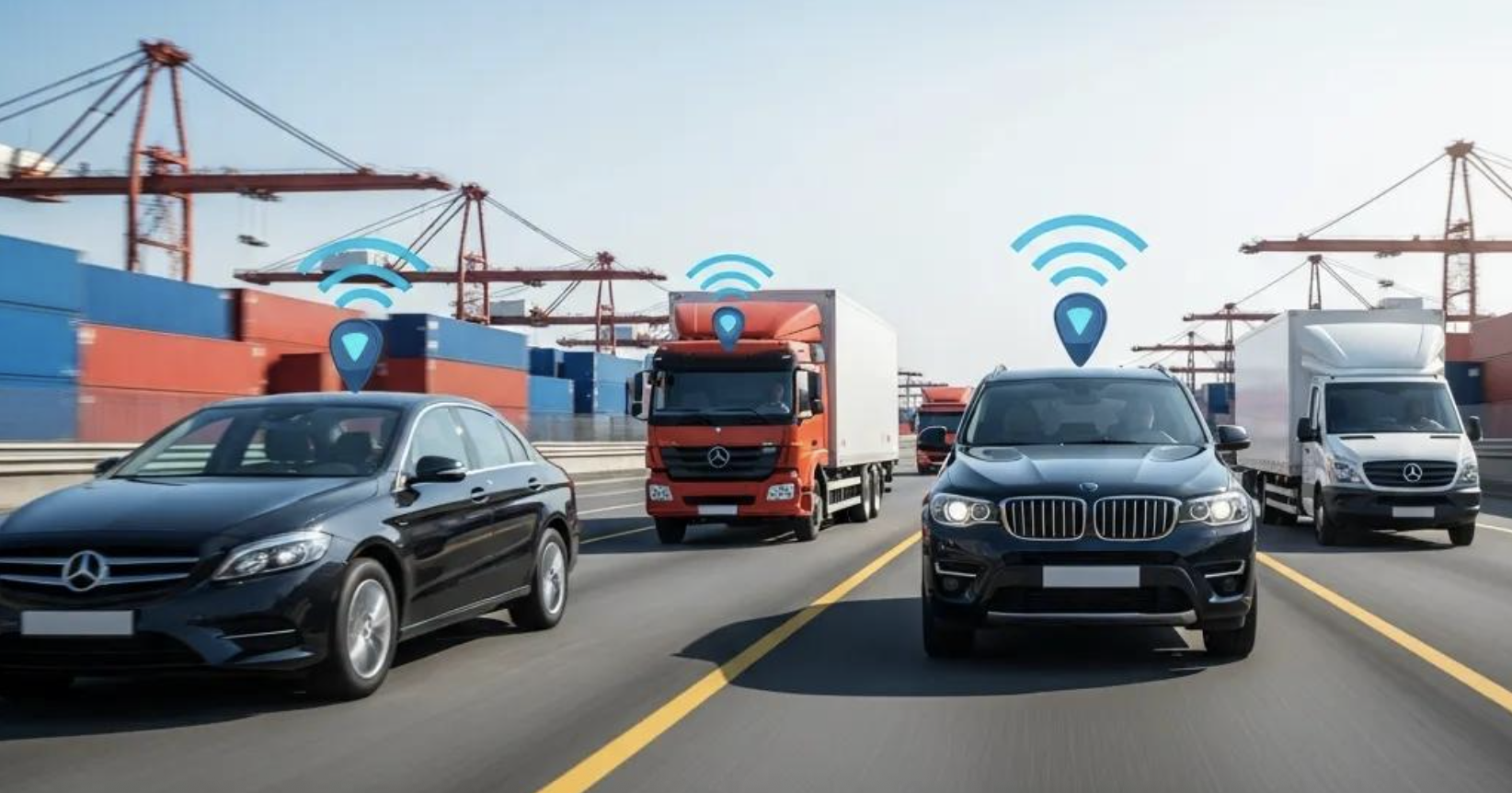
Unlock Real-Time Benefits of Fleet Tracking Solutions
In today’s fast-paced logistics environment, real-time fleet tracking solutions have become essential for businesses aiming to enhance operational efficiency and safety.
This article delves into the mechanisms, benefits, and features of fleet tracking systems, providing insights into how they can maximize return on investment (ROI). Many companies struggle with inefficiencies, high operational costs, and safety compliance issues. Real-time fleet tracking offers a solution by providing near-instant visibility into vehicle locations and performance metrics. We will explore the definition of real-time fleet tracking, its key benefits, essential features of fleet management software, and how businesses can calculate the ROI of these systems.
What Is Real-Time Fleet Tracking and How Does It Work?
Real-time fleet tracking refers to the use of GPS and telematics technology to monitor the location and performance of vehicles in near real-time. This system enables fleet managers to access critical data, such as vehicle speed, fuel consumption, and driver behavior, allowing for informed decision-making. The integration of GPS technology with telematics solutions facilitates near-instant vehicle monitoring, providing a comprehensive view of fleet operations.
Further research emphasizes how real-time telematics systems are instrumental in collecting operational data to significantly reduce costs in transport companies.
Real-Time Telematics for Fleet Cost Reduction & Operational Data
Purpose: The main purpose of this paper is to investigate the extent to which real-time monitoring of vehicles and the collection of operational data about them through telematic systems can contribute to the reduction of operating costs in a transport company. The study focuses on specific factors such as the driver’s actions, which can affect the vehicle’s technical condition and diesel consumption levels.
Analysis of the use of logistics-telematics systems for cost reduction in a transport company, P Gorzelańczyk, 2024
How Do GPS and Telematics Enable Instant Vehicle Monitoring?
GPS technology plays a crucial role in real-time fleet tracking by providing accurate location data. When combined with telematics solutions, it allows for the transmission of telemetry data, which includes information on vehicle performance and driver behavior. This data is sent to fleet management software, enabling managers to monitor their fleet’s status continuously. The ability to access this information in near real-time helps businesses respond quickly to any issues that may arise, enhancing overall operational efficiency.
What Data Does Real-Time Fleet Tracking Provide to Managers?
Real-time fleet tracking systems provide a wealth of data to fleet managers, including location data, performance metrics, and historical data analysis. Location data allows managers to track vehicles in near real-time, while performance metrics provide insights into fuel consumption, speed, and maintenance needs. Historical data analysis helps identify trends and patterns, enabling managers to make data-driven decisions that improve fleet efficiency and reduce costs.
What Are the Key Benefits of Real-Time Fleet Tracking Solutions?
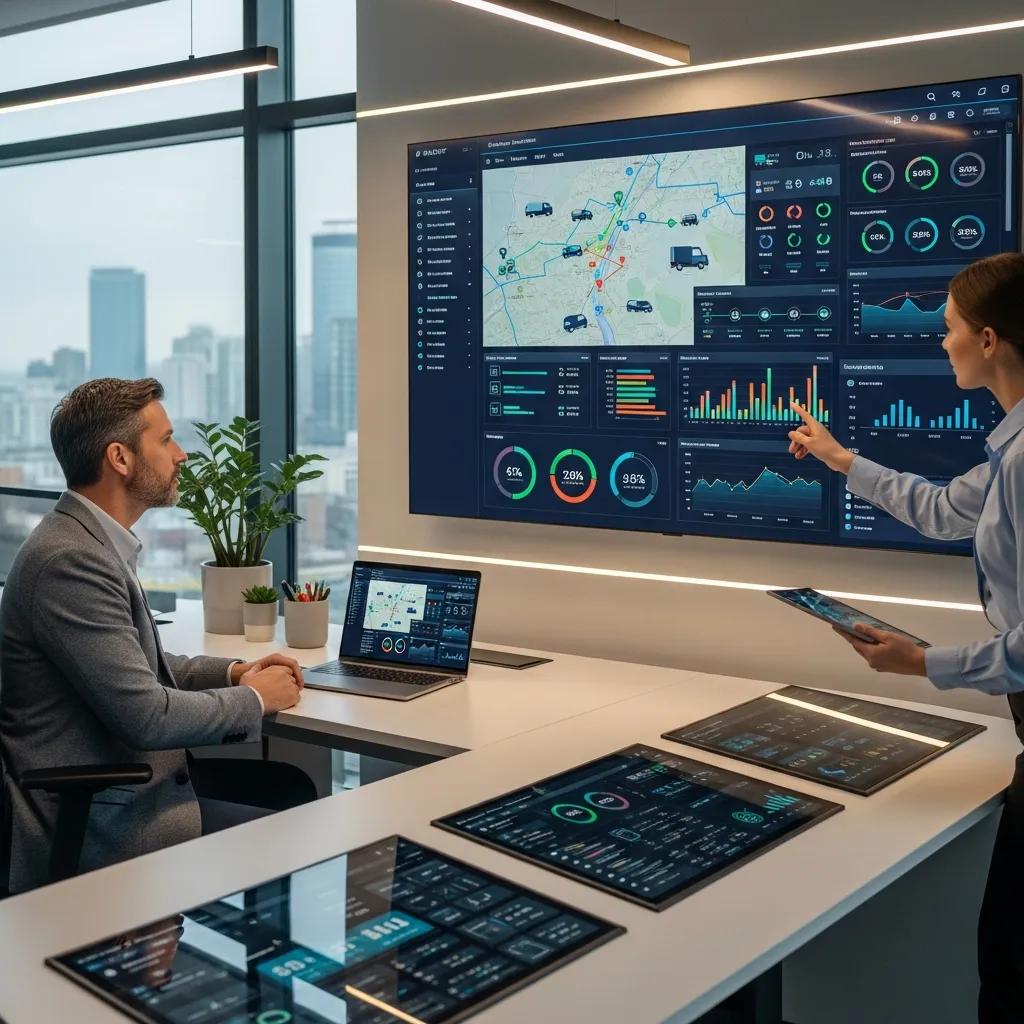
Implementing real-time fleet tracking solutions offers numerous advantages for businesses. These benefits include cost reduction, improved operational efficiency, enhanced driver safety, and increased customer satisfaction. By leveraging real-time data, companies can optimize their fleet operations and achieve significant savings.
- Cost Reduction: Real-time tracking helps reduce operational costs by optimizing routes and minimizing fuel consumption.
- Operational Efficiency: Instant access to vehicle data allows for better resource allocation and improved scheduling.
- Driver Safety: Monitoring driver behavior can lead to safer driving practices and reduced accident rates.
- Customer Satisfaction: Accurate ETAs and real-time updates enhance customer service and trust.
How Does Real-Time Tracking Reduce Operational Costs and Fuel Consumption?
Real-time tracking significantly reduces operational costs by enabling route optimization. By analyzing traffic patterns and vehicle locations, fleet managers can identify the most efficient routes, leading to fuel savings and reduced wear and tear on vehicles. Additionally, monitoring fuel consumption helps identify inefficient driving behaviors, allowing for targeted training and improvements.
Studies confirm that telematics systems are crucial for achieving long-term economic and environmental efficiency by enabling precise vehicle tracking and driver behavior adjustments.
Telematics for Economic Efficiency & Vehicle Tracking in Transport
The implementation of telematics systems has enabled the transport company to have accurate and easy vehicle tracking capabilities, thus contributing to the possibility of adjusting the driving style of the driver and thus reducing consumption. This paper highlights the importance of these systems in achieving long-term economic and environmental efficiency in transport.
INCREASING THE ECONOMIC EFFICIENCY OF TRANSPORT ENTERPRISES THROUGH TELEMATICS SYSTEMS., K Valaskova, 2024
In What Ways Does Fleet Tracking Improve Driver Safety and Compliance?
Fleet tracking systems enhance driver safety by monitoring behavior such as speeding, harsh braking, and rapid acceleration. This data allows fleet managers to provide feedback and training to drivers, promoting safer driving habits. Furthermore, compliance with regulations is easier to maintain, as real-time tracking provides documentation of vehicle usage and driver behavior, supporting adherence to safety standards.
Innovative research further explores how IoT-based systems can enhance fleet safety and driver assistance by actively monitoring behavioral and driving patterns to prevent road accidents.
IoT-Based Vehicle Monitoring for Fleet Safety & Driver Assistance
In our research, we have proposed the Internet of Things (IoT) scalability framework and its’ emerging technologies to monitor and alert driver’s behavioral and driving patterns to reduce road accidents. To prove this work, we have implemented a lane tracking, and iris detection algorithm, to monitor and alert the driver’s behavior when the vehicle sways away from the lane, and to detect if the driver is feeling drowsy. We implemented electronic devices such as cameras, a global positioning system module, a global system
IoT-based vehicle monitoring and driver assistance system framework for safety and smart fleet management, B Rudrusamy, 2023
Which Features Define Effective Fleet Management Software?
Effective fleet management software includes several key features that enhance the functionality of real-time tracking systems. These features are designed to improve efficiency, safety, and overall fleet performance.
- GPS Tracking: Essential for real-time location monitoring and route optimization.
- Route Optimization: Helps identify the most efficient paths for vehicles, reducing travel time and fuel costs.
- Driver Behavior Monitoring: Tracks driving habits to promote safety and compliance.
What Role Does Route Optimization Play in Enhancing Fleet Efficiency?
Route optimization is a critical feature of fleet management software that directly impacts efficiency. By analyzing traffic conditions and vehicle locations, the software can suggest the fastest routes, reducing travel time and fuel consumption. This not only saves money but also improves delivery times, leading to higher customer satisfaction.
How Does Driver Behavior Monitoring Contribute to Safety and Savings?
Monitoring driver behavior is vital for enhancing safety and reducing costs. By tracking metrics such as speed, braking patterns, and acceleration, fleet managers can identify risky behaviors and implement training programs to address them. This proactive approach not only improves safety but also can lead to lower insurance premiums and maintenance costs.
How Can Businesses Calculate the ROI of Fleet Tracking Systems?
Calculating the ROI of fleet tracking systems involves analyzing various metrics that reflect the financial impact of the technology. Key metrics include cost savings from reduced fuel consumption, maintenance expenses, and improved productivity.
What Metrics Are Essential for Measuring Fleet Tracking ROI?
- Cost Savings: Analyze reductions in fuel and maintenance costs.
- Increased Productivity: Measure improvements in delivery times and resource allocation.
- Time Savings: Evaluate the time saved through optimized routes and reduced idle time.
How Do Cost Savings and Productivity Gains Impact Investment Analysis?
Cost savings and productivity gains significantly impact investment analysis by providing tangible evidence of the benefits of fleet tracking systems. By quantifying these savings, businesses can justify the initial investment in technology and demonstrate its value over time. This analysis helps in making informed decisions about future investments in fleet management solutions.
How Real-Time GPS Tracking Enhances Customer Service and Satisfaction
Real-time GPS tracking enhances customer satisfaction by providing accurate ETAs and timely updates. Customers appreciate knowing the status of their deliveries, which builds trust and improves overall service quality.
What Are the Benefits of Accurate ETAs and Real-Time Updates?
Accurate ETAs and real-time updates allow businesses to manage customer expectations effectively. By providing timely information about delivery status, companies can enhance customer trust and satisfaction. This transparency leads to stronger customer relationships and repeat business.
How Does Theft Prevention and Asset Recovery Work with Geofencing?
Geofencing is a powerful feature of fleet tracking systems that enhances theft prevention and asset recovery. By setting virtual boundaries, fleet managers can receive alerts if a vehicle leaves a designated area. This proactive approach allows for quick responses to potential thefts, increasing the chances of asset recovery.
What Are Advanced Fleet Telematics and Predictive Maintenance Capabilities?
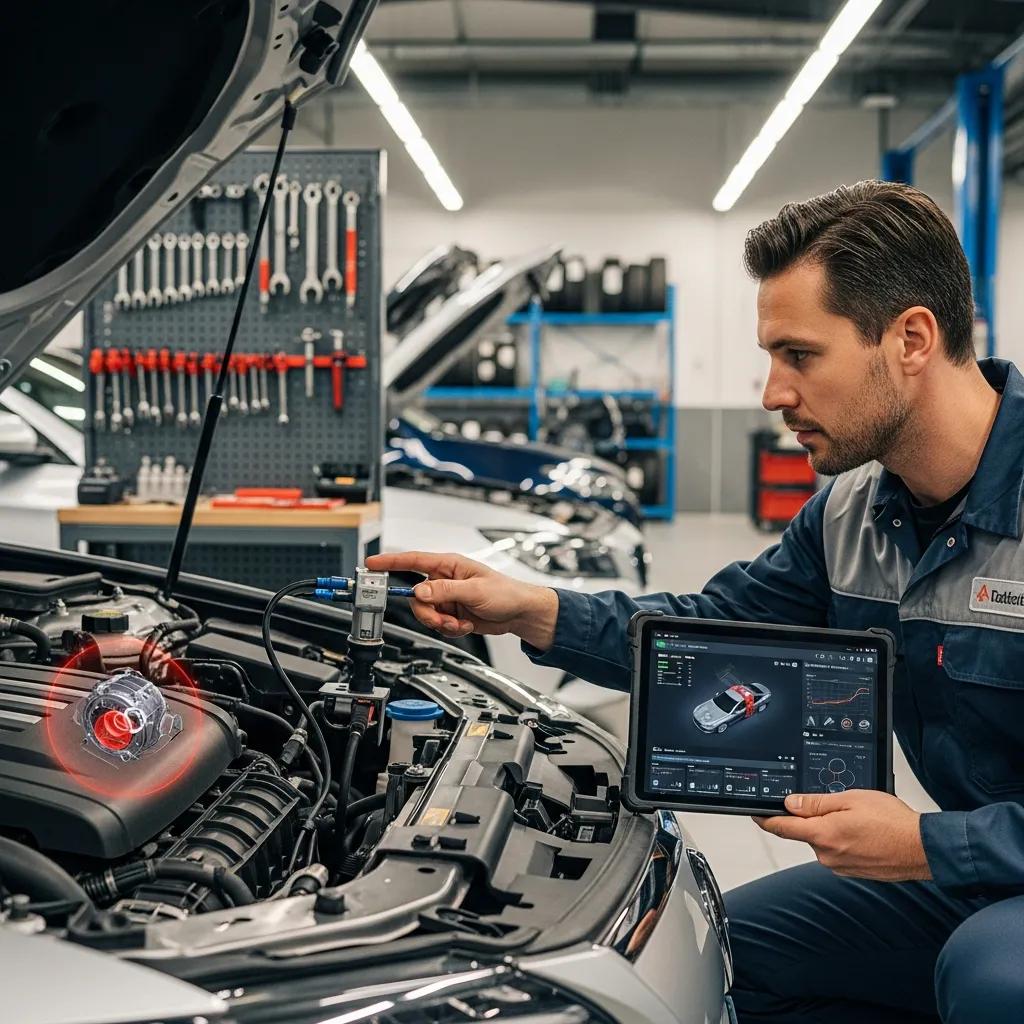
Advanced fleet telematics and predictive maintenance capabilities are essential for optimizing fleet operations. These technologies leverage data analytics to enhance vehicle diagnostics and maintenance scheduling.
How Do AI and Data Analytics Enhance Vehicle Diagnostics?
AI and data analytics play a crucial role in enhancing vehicle diagnostics by analyzing telemetry data to identify potential issues before they become critical. This proactive approach allows for timely maintenance, reducing downtime and repair costs.
What Is the Impact of Predictive Maintenance on Fleet Operations?
Predictive maintenance significantly impacts fleet operations by minimizing unexpected breakdowns and extending vehicle lifespan. By using data to predict maintenance needs, businesses can schedule repairs during off-peak times, ensuring that vehicles remain operational and reducing overall costs.
How to Choose the Best Fleet Tracking System for Your Business Needs?
Selecting the right fleet tracking system involves considering various factors that align with business objectives and operational requirements.
What Factors Should Be Considered for Scalability and Integration?
When choosing a fleet tracking system, businesses should evaluate scalability options and integration capabilities with existing systems. A scalable solution can grow with the business, while seamless integration ensures that data flows smoothly between systems, enhancing overall efficiency.
How Do Different Fleet Tracking Solutions Compare in Features and Costs?
Comparing different fleet tracking solutions involves analyzing features, costs, and overall value. Businesses should consider the specific needs of their operations and choose a solution that offers the best combination of features and affordability.
What Are Industry-Specific Applications and Benefits of Fleet Tracking?
Fleet tracking solutions offer unique applications and benefits across various industries, addressing specific challenges and enhancing operational efficiency.
How Does Fleet Tracking Address Challenges in Construction and Logistics?
In the construction and logistics industries, fleet tracking helps manage complex operations by providing near real-time visibility into vehicle locations and performance. This capability allows for better resource allocation and improved project management, ultimately leading to cost savings and enhanced productivity.
What Unique Advantages Does Real-Time Tracking Offer to Field Service Fleets?
Field service fleets benefit from real-time tracking by improving service delivery and customer satisfaction. Accurate tracking allows for efficient scheduling and resource allocation, ensuring that technicians arrive on time and are equipped with the necessary tools for their tasks.
The integration of these features into fleet management systems provides businesses with the tools necessary to optimize operations and achieve significant cost savings.
Real-time fleet tracking solutions are essential for businesses looking to enhance efficiency, safety, and ROI. By leveraging advanced technologies such as GPS and telematics, companies can gain valuable insights into their operations, leading to improved decision-making and increased customer satisfaction. As the logistics landscape continues to evolve, investing in effective fleet tracking systems will be crucial for maintaining a competitive edge.

Hannah Lang is a Social Media Marketing Specialist at Safety Track. She has her bachelor’s degree in Advertising and Public Relations from Grand Valley State University. With her passion for research, Hannah possesses a wealth of knowledge expanding across multiple industries and disciplines. Her efforts won her a Scholastic Art and Writing regional Gold Key award.