

Unlocking the Benefits of Fleet Management Software
Unlocking the Benefits of Fleet Management Software
Unlocking the Benefits of Fleet Management Software for Enhanced Safety, Efficiency, and Cost Reduction
Fleet managers face skyrocketing insurance premiums, unpredictable maintenance bills, and fragmented communication that undermine safety and profitability. Unlocking the benefits of fleet management software delivers real-time visibility, data-driven insights, and proactive controls that transform how fleets operate and protect drivers. In this guide, you will discover how advanced platforms improve safety and accountability, boost operational efficiency, reduce costs and downtime, ensure compliance, delight customers, and drive strategic decisions. Along the way, you’ll see how Safety Track’s custom-tailored solutions, including the ST-203 Fleet Dash Cam and AI-powered video telematics, integrate these benefits into today’s most demanding fleets.
How Does Fleet Management Software Improve Fleet Safety and Driver Accountability?
Fleet management software applies telematics and video analytics to monitor vehicle health and driver conduct, preventing incidents before they occur. By defining safety thresholds, analyzing risky maneuvers, and issuing instant alerts, this software enforces accountability and reduces human error. For example, real-time alerts for harsh braking can cut collision risk in high-traffic zones. Establishing this foundation of visibility and automated oversight leads directly into specific safety features that protect assets and lives.
Safety and accountability features rely on continuous data capture and enforcement policies that link driver behavior to performance metrics. When every route, idling event, and corner taken is recorded, managers can pinpoint training needs, reward safe habits, and address violations swiftly. This systematic approach not only improves fleet safety but also fosters a culture of responsibility that underpins all efficiency and cost-saving initiatives.
What Is Real-Time Driver Behavior Monitoring and Why Is It Important?
Real-time driver behavior monitoring tracks acceleration, braking, cornering, speed compliance, and idling patterns to deliver immediate feedback and coaching opportunities. By defining safe-driving parameters and comparing live data against benchmarks, fleets reduce accident rates and improve fuel economy. For example, alerting a driver about excessive speed in a school zone prevents potential collisions and lowers liability exposure.
Key behaviors captured include:
- Harsh acceleration events that increase fuel use and stress vehicle systems.
- Sudden braking incidents associated with tailgating or distracted driving.
- Sharp cornering metrics that signal unsafe handling on curves.
- Excessive idling durations that waste fuel and accelerate engine wear.
- Speeding alerts that enforce compliance with posted limits.
This granular visibility into driver habits builds a direct link between real-time coaching and long-term safety gains, setting the stage for AI-driven video analytics that further strengthen evidence collection.
How Do AI-Powered Fleet Cameras Prevent Accidents and Provide Evidence?
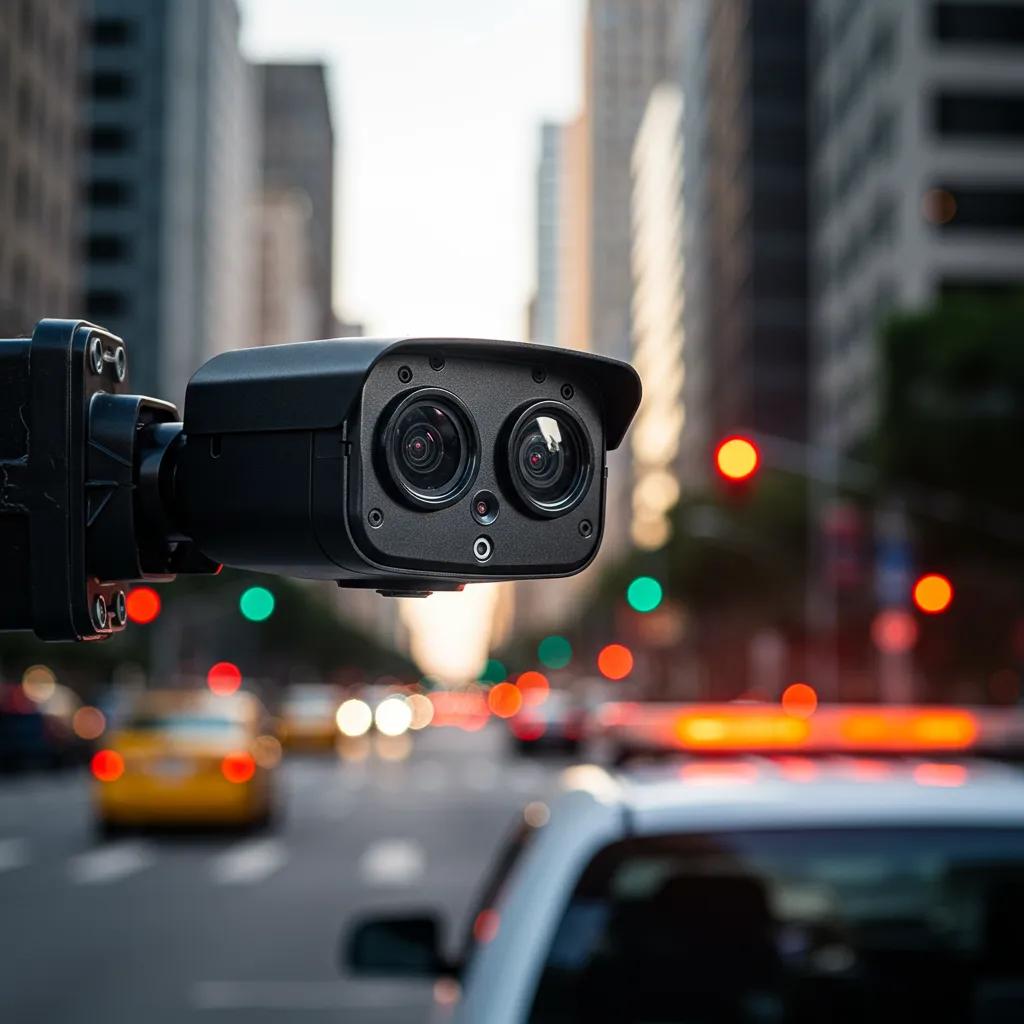
AI-powered fleet cameras combine forward- and inward-facing lenses with machine learning algorithms to detect near-miss events, distracted driving, and lane departures. By analyzing video frames for predefined risk factors—such as cell-phone use or road obstacles—these systems trigger in-cab warnings and dispatch notifications. This proactive intervention reduces accident frequency by anticipating dangerous conditions and coaching drivers on the spot.
These camera systems close the gap between telematics alerts and visual confirmation, ensuring that every safety breach is met with clear evidence and actionable insights.
How Can Fleet Software Help Reduce Accidents and Insurance Costs?
Yes, fleet management software reduces accident rates through predictive analytics and driver engagement, directly translating into lower insurance premiums. By aggregating data on collisions, near-misses, and safety interventions, insurers recognize improved risk profiles and adjust rates accordingly. Industry studies show that a 20 percent reduction in at-fault accidents can yield insurance savings of up to 15 percent annually.
Improving Fleet Management Strategy with Predictive Analytics and IoT
The fleet management industry is comprised of fleet management providers that help ensure an organization’s vehicles remain on the road supporting core business functions efficiently, safely, and at the lowest total operating cost. Recent technology advancements in the data analysis space coupled with enriched data domain have made it possible for analytics to be applied strategically for fleet management solutions.
Improving fleet management strategy and operational intelligence with predictive analytics, 2018
Key cost impacts include:
- Fewer collision claims leading to lower annual premiums.
- Reduced legal and administrative expenses from clear video evidence.
- Decreased vehicle repair costs due to early intervention on risky driving.
- Improved fleet utilization minimizing idle and downtime losses.
- Enhanced driver retention by fostering a safer work environment.
These financial benefits reinforce the value of investing in comprehensive safety measures before shifting focus to operational throughput and productivity gains.
How Can Fleet Management Software Boost Operational Efficiency and Productivity?
Fleet management software centralizes vehicle tracking, maintenance schedules, and dispatch workflows into a unified platform that streamlines operations from end to end. By defining route priorities, allocating assets dynamically, and automating routine tasks, fleets achieve higher utilization rates and faster delivery cycles. For instance, precision routing alone can improve on-time performance by 12 percent. This operational foundation sets the stage for advanced tools like GPS visibility, route optimization, and dispatch management.
Integrating these efficiency modules cultivates a lean operational model where data drives every decision, from load planning to maintenance triggers. As a result, managers spend less time on manual coordination and more time on strategic initiatives that propel growth and customer satisfaction.
What Are the Benefits of Precision GPS Tracking and Real-Time Fleet Visibility?
Precision GPS tracking provides minute-by-minute location updates, geofence alerts, and historical route playback to ensure complete oversight of every asset. Managers can monitor vehicle clusters in high-risk zones, adjust schedules instantly, and verify deliveries at remote sites. For example, geofence breaches trigger immediate notifications, allowing rapid response to unauthorized movements or route deviations.
A concise summary of tracking advantages:
- Live location feeds that enhance dispatch accuracy.
- Geofence alerts that protect sensitive or high-value cargo.
- Historical playback that aids in dispute resolution and route analysis.
- Speed and idling reports that flag inefficiencies in real time.
- Mobile app integration for field visibility and driver communication.
These tracking capabilities underpin advanced optimization tools by supplying the accurate, real-time data they require to function effectively.
How Does Intelligent Route Optimization Save Time and Fuel?
Intelligent route optimization uses traffic data, road restrictions, and delivery windows to compute the most efficient courses for each vehicle. By evaluating thousands of route permutations instantly, the software reduces mileage, idle time, and fuel consumption. Companies typically realize 10–15 percent fuel savings when switching from manual route planning to algorithm-driven optimization.
By automating complex routing decisions, fleets conserve time and fuel while elevating on-time performance and driver satisfaction.
How Does Streamlined Dispatch Management Improve Workflow?
Streamlined dispatch management automates task assignment, provides mobile job updates to drivers, and consolidates communication into a single interface.
Dispatchers define priorities and constraints—such as driver hours of service and vehicle capabilities—and let the system allocate resources optimally.
This approach cuts manual errors, reduces radio traffic, and accelerates dispatch cycles by up to 25 percent.
Key benefits include rapid load balancing, automated driver notifications, and a unified dashboard for status tracking.
The result is a cohesive workflow where every stakeholder—from the office to the cab—shares the same real-time information, reinforcing safety, efficiency, and customer satisfaction.
What Are the Key Ways Fleet Management Software Reduces Costs and Maximizes ROI?
Fleet management software delivers cost reductions through preventive practices, fuel oversight, and asset longevity strategies that drive strong returns on investment. By combining maintenance alerts, consumption analytics, and lifecycle planning, this software cuts unplanned downtime and extends vehicle utility. For example, proactive upkeep can lower breakdown-related expenses by 20 percent. These savings then compound through optimized fuel use and reduced capital expenditure, maximizing fleet ROI.
Expanding these cost controls across all assets establishes a resilient financial model that supports growth and strategic investment.
How Does Proactive Maintenance Scheduling Prevent Costly Breakdowns?
Proactive maintenance scheduling uses diagnostic data, mileage thresholds, and usage patterns to trigger service reminders before minor issues escalate. By defining maintenance intervals for oil changes, brake inspections, and engine diagnostics, fleets avoid roadside failures and expensive towing fees. Studies show predictive alerts can reduce unscheduled downtime by up to 30 percent.
Improving Fleet Management Strategy with Predictive Analytics and IoT
The fleet management industry is comprised of fleet management providers that help ensure an organization’s vehicles remain on the road supporting core business functions efficiently, safely, and at the lowest total operating cost. Recent technology advancements in the data analysis space coupled with enriched data domain have made it possible for analytics to be applied strategically for fleet management solutions.
Improving fleet management strategy and operational intelligence with predictive analytics, 2018
Maintenance automation features include:
- Odometer-based reminders for routine inspections.
- Diagnostic trouble code alerts from onboard systems.
- Service history tracking for compliance and audits.
- Parts inventory integration to streamline repairs.
- Customizable checklists to enforce standard procedures.
Connecting maintenance workflows to a centralized platform ensures every vehicle remains in peak condition, driving continuous cost savings and reliability.
What Fuel Management Strategies Does Fleet Software Enable?
Fuel management modules integrate telematics, pump-level data, and driver behavior analysis to identify waste and enforce efficiency measures. By tracking fuel card transactions, idling time, and speed variations, fleets pinpoint the highest sources of consumption and target them with corrective actions. For instance, defining idle thresholds and issuing alerts can cut fuel waste by 5–7 percent.
Fuel control strategies include:
- Automated idle shutdown policies to minimize waste.
- Fuel card integration for transaction verification.
- Consumption benchmarking across vehicle types.
- Incentive programs tied to fuel-efficient driving habits.
- Route planning adjustments that avoid high-consumption conditions.
Embedding these tactics into daily operations ensures that fuel remains a managed resource rather than an uncontrolled expense.
How Does Fleet Software Extend Vehicle Lifespan and Reduce Downtime?
Yes, by combining preventive maintenance, usage monitoring, and driver behavior insights, fleet software stretches vehicle lifespans and cuts downtime. Monitoring engine hours, oil quality, and brake life promotes timely interventions that forestall major repairs. Extending average service life by even one year spreads capital costs over a longer period, improving total cost of ownership metrics.
Core mechanisms driving longevity:
- Analytics-driven lifecycle modeling based on actual usage patterns.
- Automated service alerts that align with manufacturer guidelines.
- Behavior-based coaching to reduce mechanical stress.
- Parts-level tracking to ensure timely component replacements.
- Centralized maintenance history for audit readiness and planning.
These coordinated strategies create a sustainable asset management cycle that underpins consistent ROI improvements.
How Does Fleet Management Software Ensure Compliance and Mitigate Risk?
Fleet management software centralizes regulatory requirements—such as hours of service, vehicle inspection reports, and driver logs—into an integrated compliance suite. By defining rules for electronic logging devices (ELD), driver vehicle inspection reports (DVIR), and hours-of-service (HOS) limits, the platform automates record-keeping and audit readiness. This compliance framework reduces the risk of violations and associated fines, ensuring fleets operate within legal mandates.
Embedding compliance into everyday workflows minimizes administrative burden and positions organizations to respond rapidly to regulatory changes.
What Are the Simplified Regulatory Compliance Features in Fleet Software?
Electronic logging, automatic duty-status updates, and digital inspection checklists streamline adherence to federal and state mandates. Drivers complete vehicle walk-arounds on mobile devices, and ELD integrations capture hours-of-service data without manual entry. This automated record-keeping reduces paperwork errors and eliminates the risk of logbook falsification.
Key compliance controls include:
- ELD-certified logging for driver duty status.
- DVIR mobile workflows with photo attachments.
- Automated HOS alerts to prevent violations.
- Audit-ready reporting templates for regulators.
- Policy enforcement rules to flag non-compliant behaviors.
These features create a bulletproof compliance record that underlies risk mitigation and operational integrity.
How Is Data Security and Privacy Maintained in Fleet Operations?
Data security protocols protect telematics feeds, video streams, and driver records through multi-layer encryption, access controls, and secure cloud storage. Role-based permissions ensure that only authorized personnel view sensitive footage or performance metrics. Regular security audits, data retention policies, and anonymization options for driver profiles further safeguard privacy.
Security measures include:
- End-to-end TLS encryption for data in transit.
- AES-256 encryption for stored video and logs.
- Multi-factor authentication for user access.
- Audit logs that track data access and changes.
- Privacy settings to mask personal identifiers.
Maintaining this robust protective framework preserves trust with drivers, customers, and regulators alike.
How Does Fleet Management Software Improve Customer Satisfaction and Service Delivery?
By synchronizing real-time tracking, ETA predictions, and proof-of-delivery confirmations, fleet software transforms customer interactions into transparent, reliable communications. Accurate arrival estimates, automated status updates, and digital signatures keep clients informed at every step. This level of service reduces inquiries, fosters trust, and differentiates fleets in competitive markets.
Streamlined delivery workflows and dispute-free evidence handling form the backbone of superior customer experiences.
How Do Accurate ETAs and Transparent Communication Benefit Customers?
Accurate ETAs leverage live traffic data, route progress, and delivery windows to provide clients with precise arrival times. When customers receive timely notifications—via email alerts or SMS messages—they can plan receiving resources and reduce wait-time costs. Clear communication also lowers support calls and enhances brand reputation by demonstrating reliability.
Benefits include:
- Reduced inbound customer inquiries by 20 percent.
- Enhanced satisfaction scores through transparency.
- Optimized resource allocation at delivery sites.
- Real-time adjustments for last-mile changes.
- Data-driven proof of service for billing accuracy.
This proactive communication model elevates service levels and builds long-term customer loyalty.
How Does Proof of Delivery and Video Evidence Resolve Disputes?
Combining GPS timestamps, digital signatures, and AI-captured footage delivers indisputable proof of delivery and on-site conditions. When disputes arise—such as claims of damaged goods or missed stops—managers access synchronized data streams that document every step. This comprehensive evidence archive resolves conflicts quickly and preserves customer relationships.
Dispute resolution features include:
- Geotagged delivery confirmations with driver signatures.
- Time-stamped video clips of drop-off locations.
- Automated incident reports linking telematics and footage.
- Secure storage for audit trails and insurer reviews.
- Customizable access controls for stakeholder transparency.
With this end-to-end proof framework, fleets minimize chargebacks and maintain service integrity.
How Does Data-Driven Decision Making Enhance Fleet Performance?

Data-driven decision making uses reporting dashboards, KPI tracking, and predictive analytics to transform raw telematics into actionable strategy. By visualizing trends in utilization, fuel use, and safety events, managers identify improvement opportunities and allocate resources more effectively. For example, monitoring maintenance-related downtime by vehicle type highlights candidates for replacement or reassignment.
This analytical foundation bridges day-to-day operations and long-term planning for sustained fleet excellence.
What Types of Reporting and Analytics Are Available in Fleet Software?
Fleet software offers interactive dashboards, customizable reports, and scheduled exports covering driver performance, fuel efficiency, routing efficiency, compliance, and maintenance. Users select from predefined templates or build bespoke analyses by combining metrics and filters. This flexibility ensures that executives, dispatchers, and safety managers each receive relevant intelligence.
Typical report categories include:
- Utilization and idle time summaries.
- Fuel consumption and cost breakdowns.
- Safety event and near-miss trend analyses.
- Maintenance interval forecasts.
- Compliance audit and exception logs.
These reporting tools provide the granular visibility needed to refine processes and justify technology investments.
How Do AI and Machine Learning Provide Actionable Fleet Insights?
AI and machine learning algorithms examine historical telematics, environmental data, and driver records to predict anomalies, optimize asset allocation, and forecast maintenance needs. By identifying patterns that elude human analysis—such as micro-behaviors that precede mechanical issues—these systems recommend targeted interventions. For example, anomaly detection can flag vehicles at risk of brake failure before scheduled service intervals.
Improving Fleet Management Strategy with Predictive Analytics and IoT
The fleet management industry is comprised of fleet management providers that help ensure an organization’s vehicles remain on the road supporting core business functions efficiently, safely, and at the lowest total operating cost. Recent technology advancements in the data analysis space coupled with enriched data domain have made it possible for analytics to be applied strategically for fleet management solutions.
Improving fleet management strategy and operational intelligence with predictive analytics, 2018
AI-driven insights include:
- Predictive maintenance schedules based on usage and diagnostics.
- Risk-scoring of routes and drivers for targeted coaching.
- Dynamic resource planning aligned with demand forecasts.
- Automated anomaly detection for outlier behaviors.
- Continuous learning loops that refine models over time.
Leveraging this intelligence transforms fleet data into prescriptive actions that drive safety, efficiency, and profitability.
Why Choose Safety Track for Your Fleet Management Software Needs?
Safety Track’s Fleet Management Solutions platform brings together advanced telematics, AI-powered cameras, and customizable workflows to deliver a unified, scalable system. Built on the mission to help businesses “Go Securely and Grow Safely,” the platform integrates real-time GPS tracking, live video streaming, and maintenance alerts into one intuitive interface. This cohesion enables rapid adoption, minimal downtime, and faster return on investment compared to piecemeal approaches.
With Safety Track, fleets benefit from local support, industry expertise, and a commitment to evolving technology that keeps pace with regulatory and market shifts.
How Are Safety Track’s Solutions Custom-Tailored for Different Industries?
Safety Track configures feature sets, reporting templates, and alert thresholds to match sector-specific demands—from construction’s off-road conditions to food distribution’s temperature-controlled loads. By assessing operational workflows and performance goals, the team crafts bespoke dashboards, mobile forms, and rule sets that align with each customer’s KPIs. This bespoke approach ensures rapid ROI and seamless integration into existing processes.
Industry-specific customizations include load-type tracking, geofence rules for sensitive zones, and specialized maintenance protocols for municipal fleets. These tailored solutions maximize relevance and adoption.
What Are the Benefits of Local Support and Advanced Technology from Safety Track?
As a Michigan-based provider, Safety Track offers faster response times, on-site training, and a personal touch that global vendors struggle to match. Local engineers understand regional regulations, weather-related challenges, and industry networks, ensuring tailored recommendations validate performance goals. Coupled with cutting-edge AI cameras, precision GPS, and cloud-native software, this local plus advanced technology combination delivers both reliability and innovation.
This partnership model reinforces safety, minimizes disruptions, and fosters long-term growth.
Fleet management software unlocks a cascade of benefits—safety, efficiency, cost savings, compliance, customer satisfaction, and strategic insights—that collectively transform fleet operations. Safety Track’s integrated solutions and local expertise empower fleets to tackle today’s challenges and anticipate tomorrow’s opportunities. Request a demo to explore how these capabilities can reshape your fleet’s performance and financial outcomes.
Jeff Stoker is the CEO and founder of Safety Track, a company he established in 2002. With over two decades of leadership in fleet management solutions, Jeff has guided Safety Track from a pioneering vision to a trusted industry leader. His innovative mindset and commitment to excellence continue to drive the company’s growth and impact.