
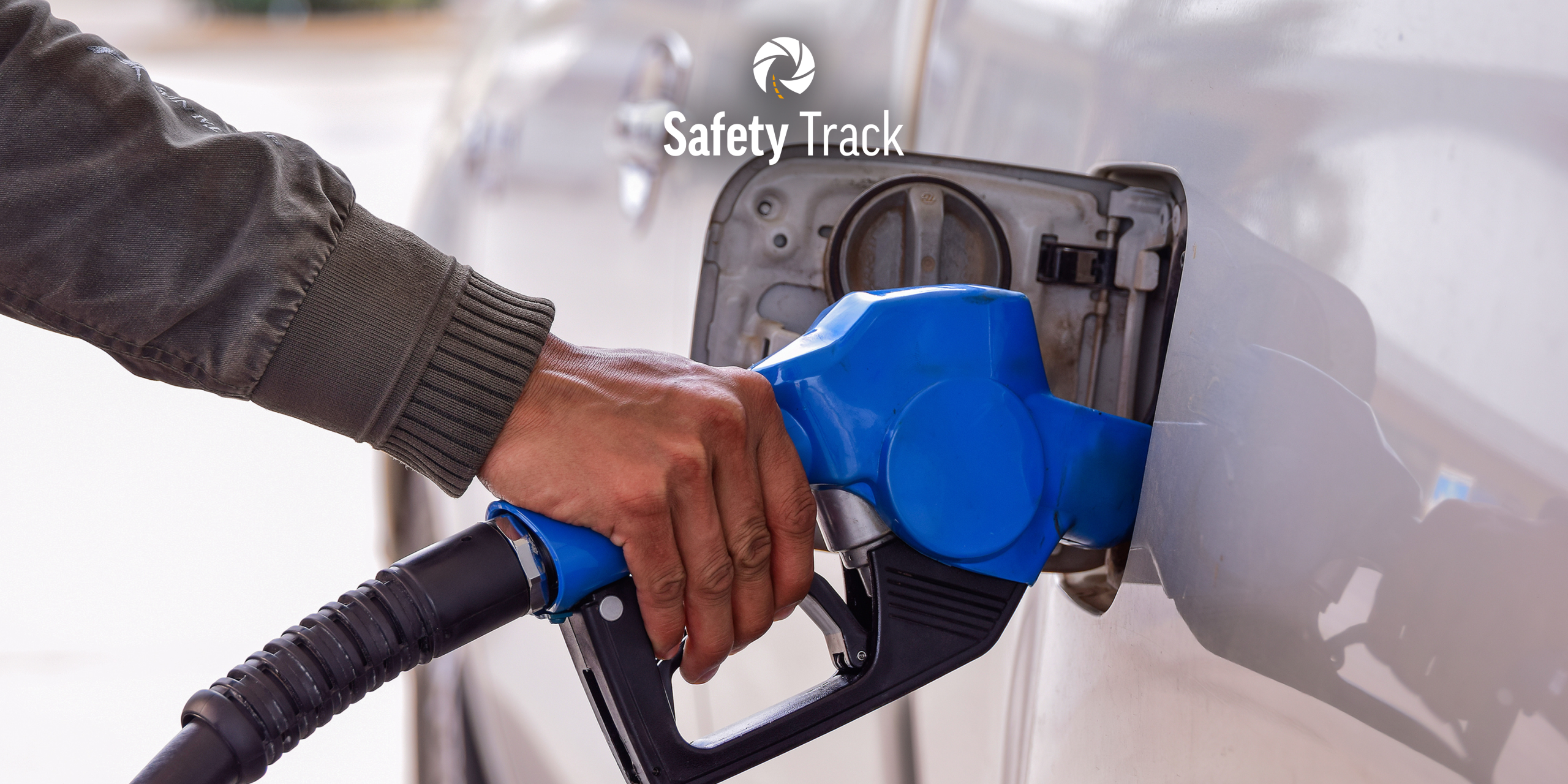
Using Telematics to Improve Fuel Management
Fuel costs remain one of the largest expenses for any fleet. Without an effective fuel management strategy, companies risk losing significant revenue. Telematics technology offers a powerful solution. By tracking real-time vehicle data, businesses can control fuel costs, improve efficiency, and extend vehicle lifespan.
In this article, we’ll explore how telematics transforms fuel management. We’ll discuss key benefits, important features, and strategies to reduce waste. We’ll also explain how tools like fuel usage reports, fleet economy tools, and eco-driving programs work together for measurable results.
Why Fuel Management Matters
Fuel prices fluctuate constantly, and even small changes can impact a fleet’s bottom line. Poor fuel management leads to wasted fuel, increased emissions, and unnecessary maintenance costs. A single truck idling for one hour can burn over a gallon of fuel. Multiply that across a fleet, and losses add up quickly.
Fuel management is about more than saving money. It also supports sustainability. Reducing fuel use lowers emissions, which improves environmental impact. Customers and partners increasingly value companies that demonstrate eco-conscious operations.
How Telematics Improves Fuel Management
Telematics combines GPS tracking with onboard diagnostics. This technology provides real-time insights into vehicle performance and driver behavior. Fleet managers can track fuel consumption, route efficiency, and idle times from a central dashboard.
With accurate data, fuel management becomes proactive rather than reactive. Managers can identify inefficiencies before they become costly problems. Telematics allows for quick adjustments to routes, schedules, and driver habits.
Fuel Usage Reports: Turning Data Into Action
Fuel usage reports are one of the most valuable tools for effective fuel management. These reports provide detailed records of how much fuel each vehicle consumes. They break down usage by trip, route, and driver, allowing managers to see where waste occurs.
By reviewing fuel usage reports regularly, managers can detect patterns. For example, certain routes may consistently require more fuel due to congestion or elevation changes. Identifying these issues helps managers plan more efficient alternatives.
Fleet managers can also use fuel usage reports to monitor progress. If new eco-driving training is implemented, reports will show if fuel consumption decreases over time.
Fleet Economy Tools: Enhancing Decision-Making
Fleet economy tools work alongside telematics to improve fuel management. These tools analyze multiple data points, including speed, braking patterns, and engine load. They then calculate each vehicle’s fuel economy and compare it to industry benchmarks.
By using fleet economy tools, managers can pinpoint vehicles that underperform. Sometimes the issue is mechanical, like low tire pressure or overdue maintenance. Other times, driver habits may be the cause. Addressing these issues quickly prevents wasted fuel.
Fleet economy tools also help with vehicle replacement planning. Older vehicles with poor fuel efficiency can be scheduled for retirement, saving money in the long run.
Eco-Driving: Training Drivers for Efficiency
Even the most advanced telematics system depends on driver cooperation. Eco-driving training teaches drivers how to operate vehicles in ways that save fuel. This includes avoiding rapid acceleration, maintaining steady speeds, and minimizing idle time.
Telematics makes eco-driving measurable. Fleet managers can track driver performance and reward those who improve. Over time, eco-driving becomes second nature for trained drivers.
Companies that invest in eco-driving programs often see a fast return. Fuel savings, reduced maintenance, and fewer accidents all contribute to the bottom line.
Reducing Idle Time With Telematics
Excessive idling is a major cause of wasted fuel. Telematics systems track idle time for each vehicle and driver. Managers can then address the problem directly.
Some fleets use automatic alerts when idle time exceeds a set limit. These alerts remind drivers to turn off the engine, saving fuel instantly. Over time, reduced idling can lead to thousands of dollars in savings.
Route Optimization for Better Fuel Management
Route optimization is one of the simplest ways to improve fuel management. Telematics software analyzes traffic patterns, road conditions, and distance to find the most efficient routes.
Shorter, less congested routes reduce fuel use and improve delivery times. Real-time updates also help drivers avoid unexpected delays. This reduces both fuel consumption and driver frustration.
Maintenance Scheduling and Fuel Efficiency
Poorly maintained vehicles consume more fuel. Telematics can track maintenance schedules and send reminders when service is due. This ensures vehicles operate at peak efficiency.
For example, something as simple as replacing air filters can improve fuel economy. Similarly, keeping tires properly inflated reduces rolling resistance. Fleet managers who stay on top of maintenance enjoy both lower fuel costs and fewer breakdowns.
Preventing Fuel Theft With Telematics
Fuel theft is a hidden cost that can undermine fuel management efforts. Telematics systems can detect unusual fuel level changes. If a vehicle’s fuel drops suddenly while parked, managers can investigate immediately.
GPS tracking also ensures fuel purchases match authorized vehicle activity. This accountability discourages theft and misuse.
Measuring Return on Investment
Investing in telematics for fuel management provides measurable returns. Savings come from reduced fuel use, improved efficiency, and lower maintenance costs.
Fuel usage reports and fleet economy tools make it easy to track progress. Over time, data will show a clear link between telematics use and cost savings.
Building a Company-Wide Fuel Management Culture
Technology alone won’t guarantee success. For fuel management to work, it must become part of company culture. Managers should share results with drivers, celebrate improvements, and set clear goals.
Creating healthy competition among drivers can boost motivation. Incentives for top performers encourage long-term behavioral change.
Case Study: Real-World Results
One Midwest delivery company implemented telematics for fuel management across its fleet. Within three months, idle time dropped by 40 percent. Route optimization reduced average trip length by five miles.
Fuel usage reports revealed that one vehicle consistently underperformed. Maintenance records showed a worn fuel injector, which was replaced. This single repair improved fuel economy by 15 percent.
The company calculated annual fuel savings of over $50,000. These results demonstrate the direct financial benefits of a proactive fuel management strategy.
Planning for the Future
Fuel management strategies will evolve alongside technology. As electric and hybrid vehicles become more common, telematics will adapt. Data will still play a central role in maximizing efficiency.
Companies that invest in telematics now will be better prepared for future challenges. Fuel costs may change, but the need for efficient operations will remain constant.
Achieving Lasting Fuel Management Benefits with Telematics
Fuel management is a critical part of fleet operations. Telematics provides the data and tools needed to control costs, reduce waste, and improve efficiency. By combining fuel usage reports, fleet economy tools, and eco-driving training, companies can see measurable improvements.
Whether reducing idle time, optimizing routes, or preventing theft, telematics makes fuel management easier and more effective. Investing in this technology today delivers both immediate savings and long-term benefits.

Hannah Lang is a Social Media Marketing Specialist at Safety Track. She has her bachelor’s degree in Advertising and Public Relations from Grand Valley State University. With her passion for research, Hannah possesses a wealth of knowledge expanding across multiple industries and disciplines. Her efforts won her a Scholastic Art and Writing regional Gold Key award.