
Why Your Fleet Needs Comprehensive Driver Training
Why Your Fleet Needs Comprehensive Driver Training
Why Your Fleet Needs Comprehensive Driver Training
In the realm of fleet management, comprehensive driver training is not just a regulatory requirement; it is a critical component that enhances safety, reduces risks, and improves overall operational efficiency. This article delves into the importance of driver training programs, the regulatory landscape, and the measurable benefits that come from investing in driver safety management. Fleet managers often face challenges related to compliance and safety, and effective training programs can provide solutions to these issues. By understanding the various aspects of driver training, including regulatory requirements and the latest technology solutions, fleet managers can make informed decisions that lead to safer roads and more efficient operations.
What Are Fleet Driver Training Programs and Their Regulatory Requirements?
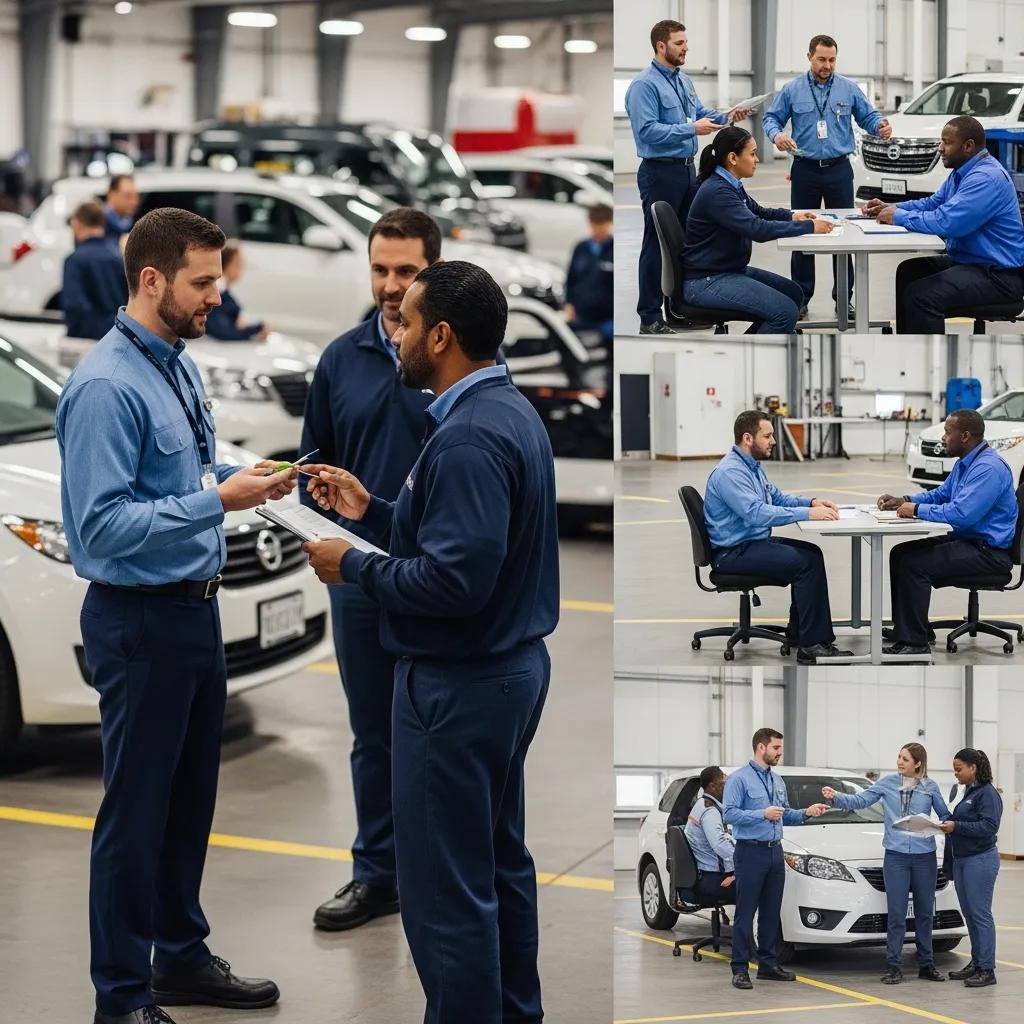
Fleet driver training programs are structured educational initiatives designed to equip drivers with the necessary skills and knowledge to operate vehicles safely and efficiently. These programs often include a combination of classroom instruction and practical driving experience, focusing on defensive driving techniques, vehicle operation, and compliance with traffic laws. Regulatory requirements, particularly those set forth by the Federal Motor Carrier Safety Administration (FMCSA), mandate that fleets implement training programs to ensure that drivers meet specific qualification standards. Ongoing training is essential to keep drivers updated on new regulations and best practices, thereby fostering a culture of safety within the fleet.
As vehicle technology advances and safety standards evolve, the scope of necessary driver training extends beyond basic licensing requirements.
Driver Training for Advanced Vehicle Safety & Regulations
Even though compulsory driver training, required before obtaining a license, consists of selected support features, e.g. ABS (Anti-lock Braking System), it does not provide novice drivers with the necessary practical skills and knowledge of all automation features available on the market. To reduce the human error factor, the European Parliament adopted new regulations, including minimum safety requirements for new vehicles.
Driver training challenges, barriers and needs arising from ADAS development, 2023
Which Driver Qualification Standards Must Fleets Comply With?

Fleets must adhere to several driver qualification standards to ensure compliance and safety. Key requirements include:
.
- Age and Medical Fitness: Drivers must meet minimum age requirements and pass medical examinations to ensure they are fit to drive.
- Driving Experience: A valid Commercial Driver’s License (CDL) is necessary, along with a proven track record of safe driving.
- Ongoing Training and Certification: Regular training sessions and recertification are required to maintain compliance with evolving regulations.
These standards are crucial for maintaining a qualified and safe driving workforce.
How Do Compliance Regulations Impact Fleet Safety Management?
Compliance regulations significantly influence fleet safety management by establishing a framework within which fleets must operate. Adhering to these regulations not only helps avoid legal penalties but also enhances operational efficiency. Non-compliance can lead to costly fines, increased insurance premiums, and potential liability in the event of accidents. By implementing robust compliance strategies, fleet managers can ensure that their operations align with regulatory requirements, ultimately leading to safer driving practices and reduced risk of accidents.
How Does Comprehensive Driver Training Enhance Fleet Safety and Reduce Risks?
Comprehensive driver training plays a pivotal role in enhancing fleet safety and mitigating risks. By equipping drivers with essential skills and knowledge, training programs can lead to:
- Accident Reduction: Statistics show that fleets with comprehensive training programs experience significantly lower accident rates.
- Cost Savings: Fewer accidents translate to reduced costs associated with vehicle repairs, insurance claims, and legal fees.
- Fostering a Safety Culture: Training promotes a culture of safety within the organization, encouraging drivers to prioritize safe driving practices.
Investing in driver training not only protects drivers but also safeguards the fleet’s assets and reputation.
What Are the Measurable Benefits of Driver Safety Management Systems?
Implementing driver safety management systems offers measurable benefits that can enhance fleet operations. These benefits include: fleet safety technology tools.
- Reduction in Accident Rates: Effective safety management systems lead to a decrease in accidents, which is crucial for maintaining a safe fleet.
- Lower Insurance Premiums: A proven track record of safety can result in lower insurance costs, providing financial relief to fleet operators.
- Enhanced Driver Accountability: Safety management systems promote accountability among drivers, ensuring they adhere to safety protocols and regulations.
These measurable outcomes underscore the importance of integrating safety management systems into fleet operations.
How Does Training Lower Accident Rates and Insurance Costs?
Training is a key factor in lowering accident rates and insurance costs. By providing drivers with real-time feedback and data analysis, training programs can identify areas for improvement and enhance driving skills. This proactive approach allows fleets to:
- Utilize Data Analysis: Analyzing driving behavior helps identify risky patterns and implement corrective measures.
- Negotiate Insurance Premiums: A strong safety record enables fleets to negotiate better insurance rates, reducing overall operational costs.
- Implement Feedback Mechanisms: Continuous feedback helps drivers improve their skills and maintain high safety standards.
By focusing on training, fleets can create a safer driving environment and reduce financial liabilities.
What Technology Solutions Support Effective Driver Training Management?
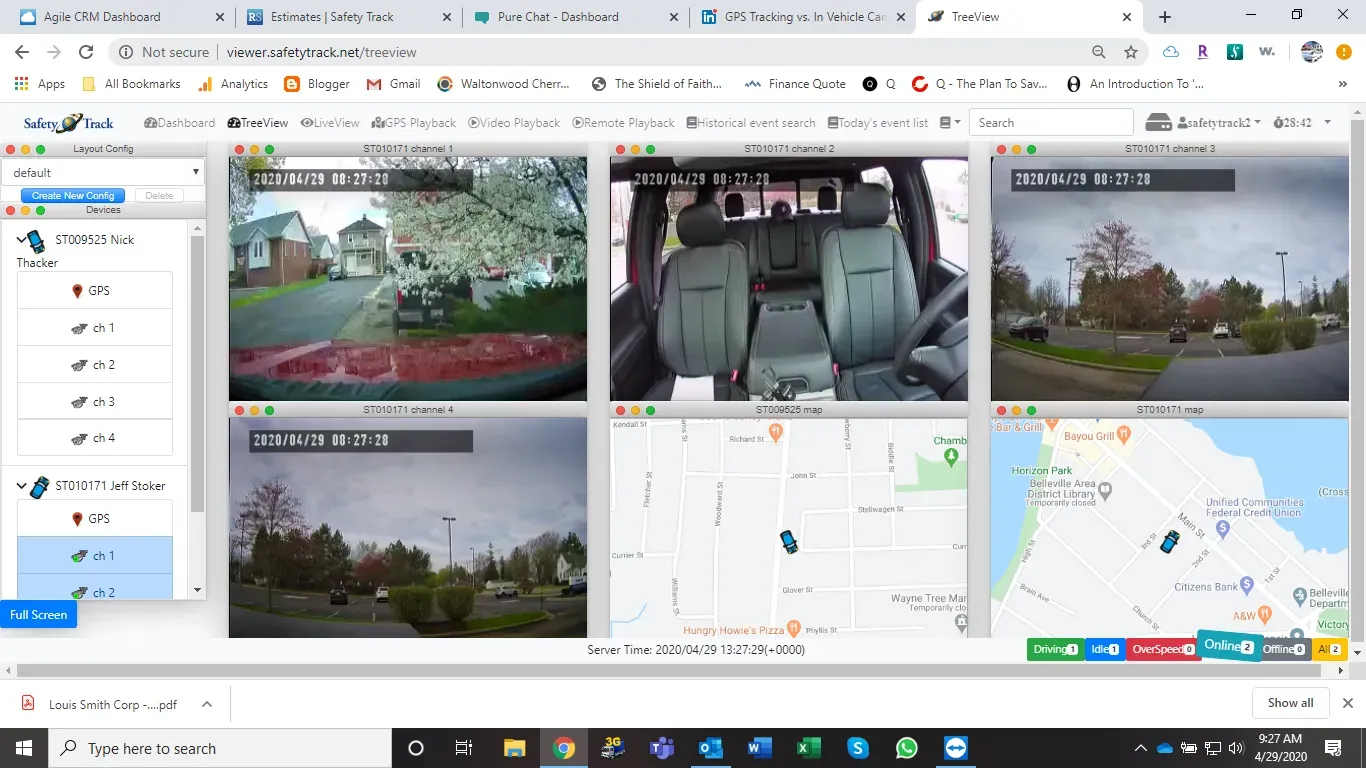
Technology plays a crucial role in supporting effective driver training management. Various solutions can enhance training programs, including:
- GPS Tracking: Real-time tracking allows fleet managers to monitor driver behavior and provide immediate feedback.
- Video Monitoring Systems: These systems capture driving performance, enabling targeted training interventions.
- Telematics: Advanced telematics systems analyze driver behavior, providing insights that can inform training and safety strategies.
Integrating these technology solutions into training programs can significantly enhance their effectiveness and impact.
How Does Driver Training Management Software Automate Compliance Tracking?
Driver training management software automates compliance tracking, making it easier for fleet managers to ensure adherence to regulations. Key features of such software include:
- Automated Reporting: The software generates reports that track driver training progress and compliance status.
- Real-Time Monitoring: Fleet managers can monitor driver qualifications in real-time, ensuring that all drivers meet regulatory standards.
- Integration with ELDs: The software can integrate with Electronic Logging Devices (ELDs) to streamline compliance tracking and reporting.
By automating these processes, fleet managers can focus on improving safety and efficiency rather than getting bogged down in paperwork.
What Features Enable Real-Time Monitoring of Driver Qualification Status?
Real-time monitoring of driver qualification status is essential for maintaining compliance and safety. Key features that facilitate this monitoring include:
- Real-Time Footage: Access to live video feeds allows fleet managers to observe driver behavior and provide immediate feedback.
- Driver Scorecards: Scorecards track individual driver performance, highlighting areas for improvement.
- Geofence Compliance Alerts: Alerts notify managers when drivers enter or exit designated areas, ensuring adherence to routing protocols.
These features empower fleet managers to maintain oversight and ensure that drivers are qualified and compliant.
How Can Fleet Managers Implement Best Practices for Driver Training Programs?
Implementing best practices for driver training programs is essential for maximizing their effectiveness. Fleet managers should consider the following strategies:
- Focus on Safety and Skills Development: Training should prioritize both safety and the development of essential driving skills.
- Utilize Technology for Training: Incorporating technology can enhance training delivery and effectiveness.
- Regular Training and Feedback Mechanisms: Ongoing training and feedback ensure that drivers remain informed about best practices and regulatory changes.
By adopting these best practices, fleet managers can create a robust training program that enhances safety and compliance.
What Steps Ensure Successful Adoption of Training and Qualification Standards?
Successful adoption of training and qualification standards requires a strategic approach. Key steps include:
- Tailored Training Approaches: Customize training programs to meet the specific needs of the fleet and its drivers.
- Phased Rollout Strategies: Implement training in phases to ensure smooth adoption and minimize disruption.
- Creating Accountability Policies: Establish clear policies that hold drivers accountable for their training and performance.
These steps can facilitate a successful transition to new training and qualification standards.
How to Maintain Accurate Driver Documentation and Training Records?
Maintaining accurate driver documentation and training records is crucial for compliance and safety. Best practices include:
- Consistent Driver Training Updates: Regularly update training records to reflect completed training and certifications.
- Detailed Vehicle Inspection Processes: Ensure that vehicle inspections are documented and maintained for compliance purposes.
- Accurate Record Keeping: Implement systems that facilitate accurate and organized record-keeping for all driver-related documentation.
By prioritizing documentation accuracy, fleets can ensure compliance and enhance safety.
What Are Common Challenges in Fleet Driver Compliance and How to Overcome Them?
Fleets often face challenges in maintaining driver compliance. Common issues include:
- Keeping Up with Changing Regulations: Regulations can change frequently, making it difficult for fleets to stay compliant.
- Ensuring Consistent Training: Maintaining a consistent training schedule can be challenging, especially with a large driver workforce.
- Monitoring Driver Behavior: Keeping track of driver behavior and performance can be resource-intensive.
To overcome these challenges, fleets can implement automated compliance tracking systems and establish regular training schedules.
How Do Automated Alerts and Centralized Records Mitigate Compliance Risks?
Automated alerts and centralized records play a vital role in mitigating compliance risks. Key benefits include:
- Real-Time Monitoring Benefits: Automated alerts provide immediate notifications of compliance issues, allowing for prompt corrective action.
- Efficient Reporting Capabilities: Centralized records streamline reporting processes, making it easier to demonstrate compliance during audits.
- Enhanced Oversight for Compliance: Centralized systems provide fleet managers with a comprehensive view of driver qualifications and training status.
By leveraging these tools, fleets can significantly reduce compliance risks and enhance safety.
What Role Do Case Studies Play in Demonstrating Training Effectiveness?
Case studies are valuable tools for demonstrating the effectiveness of driver training programs. They provide:
- Real-World Applications of Training: Case studies illustrate how training has been successfully implemented in various fleets.
- Tangible Results from Case Studies: They showcase measurable outcomes, such as reduced accident rates and improved driver performance.
- Impact on Operational Efficiency: Case studies highlight the positive impact of training on overall fleet operations.
By analyzing case studies, fleet managers can gain insights into best practices and strategies for effective training.
Which Industry Standards and Updates Should Fleets Monitor for Driver Training?
Fleets must stay informed about industry standards and updates to ensure compliance. Key areas to monitor include: safety track solutions.
- FMCSA Regulations Overview: Understanding FMCSA regulations is essential for maintaining compliance and safety.
- Current Fleet Safety Regulations: Keeping abreast of safety regulations helps fleets adapt to changing requirements.
- Emerging Technologies in Training: Monitoring advancements in training technologies can enhance training effectiveness.
By staying informed, fleets can proactively address compliance and safety challenges.
How Do FMCSA Regulations Influence Driver Qualification Programs?
FMCSA regulations significantly influence driver qualification programs by establishing the standards that fleets must meet. Key influences include:
- Necessity for Compliance: Adhering to FMCSA regulations is essential for legal operation and avoiding penalties.
- Impact on Safety Scores: Compliance with regulations directly affects a fleet’s safety scores and reputation.
- Operational Cost Implications: Non-compliance can lead to increased operational costs due to fines and insurance premiums.
Understanding these influences is crucial for fleet managers aiming to maintain compliance and safety.
What Tools Help Track Regulatory Changes and Ensure Ongoing Compliance?
Several tools can assist fleets in tracking regulatory changes and ensuring ongoing compliance. These tools include:
- Proactive Compliance Management Features: Software solutions that provide alerts for regulatory changes help fleets stay informed.
- Automated Reporting Tools: These tools streamline the reporting process, making it easier to demonstrate compliance.
- Real-Time Monitoring Systems: Systems that monitor driver behavior and qualifications in real-time enhance compliance efforts.
By utilizing these tools, fleets can effectively manage compliance and reduce risks.
What Frequently Asked Questions Do Fleet Managers Have About Driver Training?
Fleet managers often have questions regarding driver training, including:
- Key Components of Effective Training: Understanding what constitutes effective training is essential for program development.
- Identifying Training Needs: Fleet managers need to assess the specific training needs of their drivers.
- Evaluating Training Success: Measuring the success of training programs is crucial for continuous improvement.
Addressing these questions can help fleet managers develop and implement effective training programs.
How Often Should Drivers Complete Training and Certification?
The frequency of training and certification for drivers is a critical consideration. Recommendations include:
- Recommended Training Intervals: Regular training sessions should be scheduled to keep drivers updated on best practices and regulations.
- Importance of Ongoing Education: Continuous education is vital for maintaining driver skills and knowledge.
- Regulatory Requirements: Compliance with regulatory requirements often dictates the frequency of training and certification.
By adhering to these recommendations, fleets can ensure that their drivers remain qualified and compliant.
What Are the Key Components of a Comprehensive Driver Training Program?
A comprehensive driver training program should include several key components:
- Safety Training Components: Focus on defensive driving techniques and safety protocols.
- Skills Development Focus: Emphasize the development of essential driving skills.
- Regular Training Updates: Ensure that training materials are updated to reflect current regulations and best practices.
By incorporating these components, fleets can create effective training programs that enhance safety and compliance.
Jeff Stoker is the CEO and founder of Safety Track, a company he established in 2002. With over two decades of leadership in fleet management solutions, Jeff has guided Safety Track from a pioneering vision to a trusted industry leader. His innovative mindset and commitment to excellence continue to drive the company’s growth and impact.