
Why Your Fleet Needs GPS Tracking Now
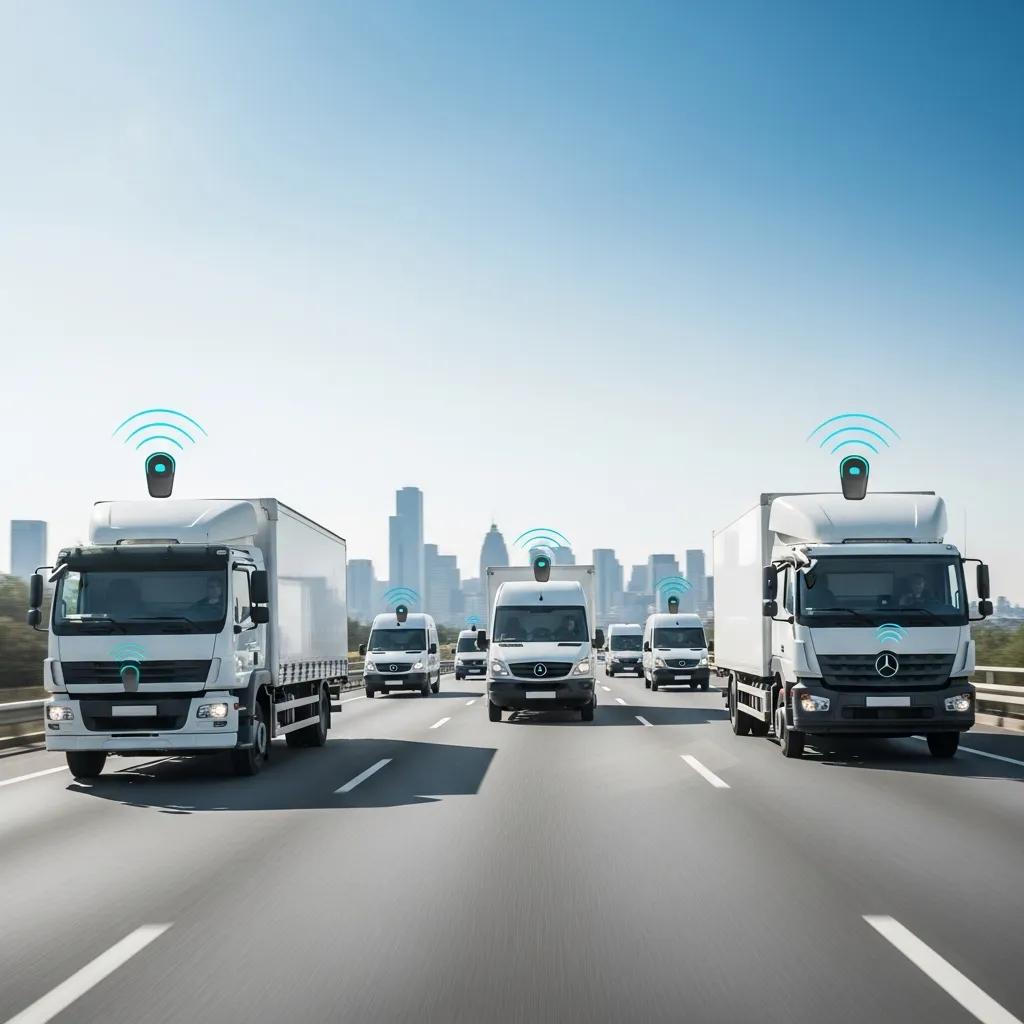
In today’s fast-paced business environment, fleet management has become increasingly complex, necessitating innovative solutions to enhance operational efficiency. GPS tracking technology offers a powerful tool for businesses to monitor their fleet vehicles in real-time, optimize routes, and improve driver safety. This article delves into the critical reasons why your fleet needs GPS tracking now, highlighting its benefits, operational mechanisms, and the return on investment it can provide. Many fleet managers face challenges such as rising fuel costs, inefficient routing, and safety concerns. GPS tracking addresses these pain points by providing actionable insights that lead to significant cost savings and improved fleet performance. We will explore the key benefits of GPS tracking, how it optimizes fleet operations, enhances vehicle health, and the emerging trends shaping the future of fleet management.
What Are the Key Benefits of GPS Tracking for Fleets?
GPS tracking offers numerous advantages that can transform fleet management. By leveraging this technology, businesses can enhance operational efficiency, reduce costs, and improve driver safety. The primary benefits include:
- Improved Driver Safety: GPS tracking systems monitor driver behavior, providing insights into speeding, harsh braking, and other unsafe practices. This data enables fleet managers to implement training programs that promote safer driving habits, ultimately reducing accident rates and insurance costs.
- Cost Reduction: By optimizing routes and reducing idle time, GPS tracking can lead to significant fuel savings. Fleet managers can analyze driving patterns and adjust routes to minimize fuel consumption, which is crucial in an era of fluctuating fuel prices.
- Enhanced Operational Efficiency: Real-time tracking allows for better dispatching and resource allocation. Fleet managers can respond quickly to changing conditions, ensuring that deliveries are made on time and resources are utilized effectively.
These benefits illustrate how GPS tracking can significantly enhance fleet management, making it an essential tool for businesses looking to improve their operations.
How Does GPS Tracking Improve Driver Safety and Behavior?

GPS tracking systems play a crucial role in enhancing driver safety by providing real-time data on driving habits. Fleet managers can monitor metrics such as speed, braking patterns, and acceleration, allowing them to identify risky behaviors. For instance, a study found that fleets using GPS tracking experienced up to a 20% reduction in accidents due to improved driver awareness and training. Additionally, GPS systems can facilitate emergency response capabilities, enabling quicker assistance in case of accidents or breakdowns. This proactive approach not only protects drivers but also reduces liability for the company.
Academic research further supports the use of GPS and in-vehicle data for comprehensive truck safety assessment.
GPS & In-Vehicle Data for Truck Safety
This study proposes a safety assessment method for trucks based on GPS and in-vehicle monitoring data. UBI, incorporates active safety management to monitor driver behavior and issue warnings to reduce accident risk.
Safety assessment of trucks based on GPS and in-vehicle monitoring data, X Wang, 2022
In What Ways Does GPS Tracking Reduce Fuel Costs and Enhance Efficiency?
Fuel costs are a significant expense for fleet operations, and GPS tracking can help mitigate these costs through route optimization. By analyzing traffic patterns and road conditions, GPS systems can suggest the most efficient routes, reducing travel time and fuel consumption. For example, a fleet that implemented GPS tracking reported a 10-15% decrease in fuel expenses within the first year. Furthermore, by minimizing idle time and encouraging efficient driving practices, GPS tracking contributes to overall operational efficiency, allowing businesses to allocate resources more effectively.
How Does GPS Vehicle Tracking Work to Optimize Fleet Operations?
GPS vehicle tracking systems utilize satellite technology to provide real-time location data for fleet vehicles. This information is transmitted to a central system, where fleet managers can monitor vehicle movements and performance metrics. The integration of GPS tracking with fleet management software allows for comprehensive data analysis, enabling informed decision-making.
What Role Does Real-Time Vehicle Tracking Play in Fleet Management?
Real-time vehicle tracking is essential for effective fleet management. It provides immediate location updates, allowing fleet managers to monitor vehicle movements and respond to issues as they arise. For instance, if a vehicle deviates from its planned route, managers can quickly intervene to redirect the driver. This capability enhances dispatching efficiency and ensures timely deliveries, ultimately improving customer satisfaction.
How Does Route Optimization Enabled by GPS Tracking Save Time and Costs?
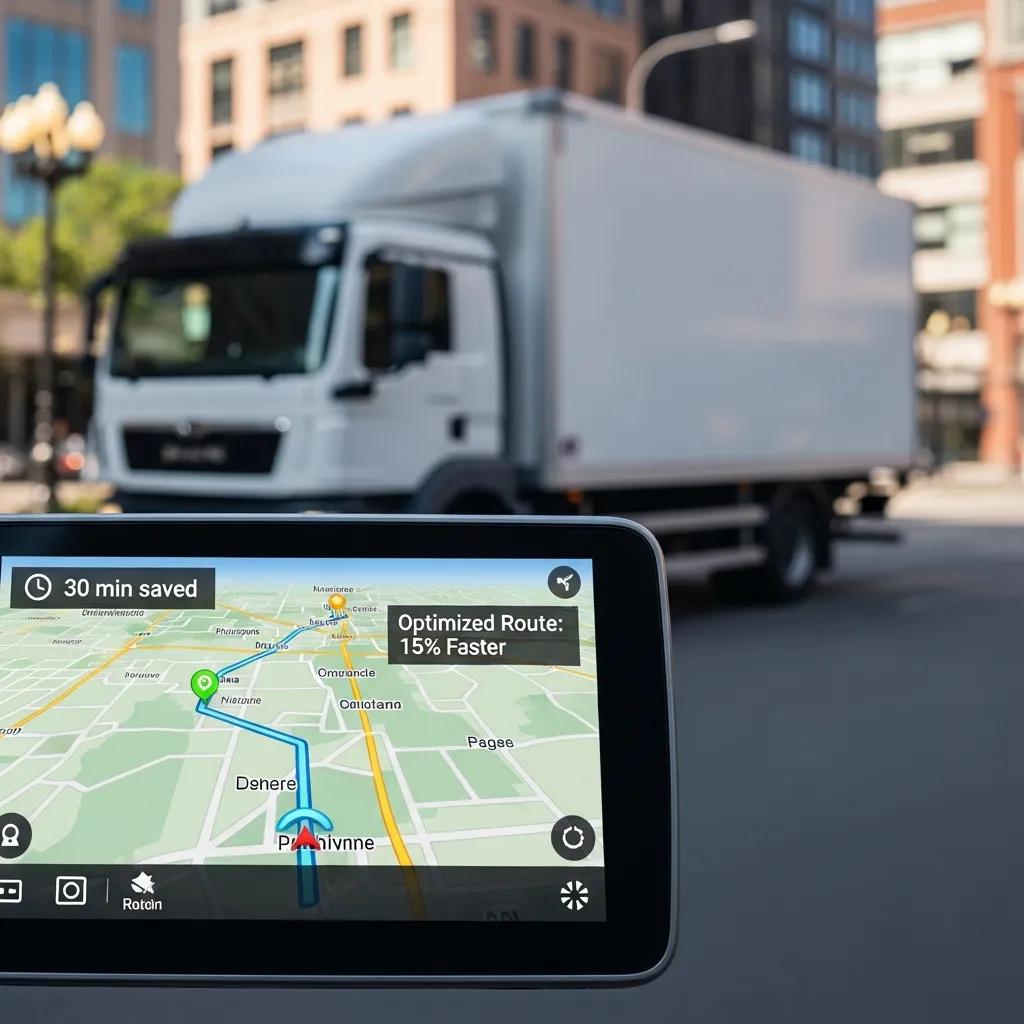
Route optimization is a key feature of GPS tracking systems. By analyzing traffic data and historical routes, these systems can suggest the most efficient paths for drivers. This not only saves time but also reduces fuel consumption, leading to significant cost savings. For example, a fleet that adopted GPS tracking reported up to a 20-25% reduction in travel time, translating to lower operational costs and increased productivity.
Studies consistently demonstrate how GPS-enabled route optimization leads to significant fuel savings and increased efficiency.
GPS for Route Optimization & Fuel Efficiency
G-target AVL is integrated system for monitoring and control of the vehicles which use system for global positioning (GPS), GSM network (GPRS) and Internet. The system consists of G-target AVL software and G-target AVL device.
Route optimization to increase energy efficiency and reduce fuel consumption of communal vehicles, N Jovicic, 2010
How GPS Tracking Improves Preventive Maintenance and Vehicle Health?
Preventative maintenance is crucial for maintaining fleet reliability and reducing downtime. GPS tracking systems can facilitate this process by providing automated maintenance alerts based on vehicle usage and performance data.
What Is the Impact of Automated Maintenance Alerts on Fleet Reliability?
Automated maintenance alerts help fleet managers stay on top of vehicle health by notifying them when maintenance is due. This proactive approach ensures that vehicles are serviced regularly, reducing the likelihood of breakdowns and extending their lifespan. A study indicated that fleets using automated alerts experienced up to a 30% reduction in unexpected repairs, leading to improved reliability and lower maintenance costs.
How Does Integration with OBD-II and CAN-bus Data Improve Vehicle Monitoring?
Integrating GPS tracking with On-Board Diagnostics (OBD-II) and Controller Area Network (CAN-bus) data enhances vehicle monitoring capabilities. This integration allows fleet managers to access detailed information about engine performance, fuel efficiency, and other critical metrics. By analyzing this data, managers can identify potential issues before they escalate, ensuring that vehicles remain in optimal condition and reducing maintenance costs.
What Are the Advantages of Fleet Management Telematics with GPS Tracking?
Fleet management telematics combines GPS tracking with advanced data analytics to provide comprehensive insights into fleet operations. This technology offers several advantages that can significantly enhance productivity and asset utilization.
How Do Telematics Solutions Improve Asset Utilization and Productivity?
Telematics solutions enable fleet managers to track asset usage in real-time, allowing for better resource allocation. By understanding how vehicles are utilized, managers can identify underused assets and make informed decisions about fleet size and composition. This data-driven approach leads to improved productivity and cost savings, as businesses can optimize their operations based on actual usage patterns.
What Advanced Features Should You Look for in a GPS Fleet Tracking System?
When selecting a GPS fleet tracking system, it’s essential to consider advanced features that enhance functionality. Look for systems that offer real-time tracking, route optimization, driver behavior monitoring, and integration with existing fleet management software. These features can provide a comprehensive solution that meets the specific needs of your fleet, ensuring maximum efficiency and safety.
How Does GPS Tracking Contribute to Compliance, Security, and Theft Prevention?
Compliance with regulations and security measures is critical for fleet operations. GPS tracking systems can help businesses meet regulatory requirements while enhancing security and preventing theft.
In What Ways Does GPS Tracking Support Regulatory Compliance for Fleets?
GPS tracking systems assist in maintaining compliance with various regulations, such as Hours of Service (HOS) rules for commercial drivers. By automatically logging driving hours and providing accurate records, these systems help fleet managers ensure that their drivers adhere to legal requirements, reducing the risk of penalties and fines.
How Can GPS Tracking Help Prevent Fuel Theft and Vehicle Unauthorized Use?
Fuel theft and unauthorized vehicle use are significant concerns for fleet managers. GPS tracking systems can mitigate these risks by providing real-time alerts for suspicious activity, such as unauthorized vehicle movement or fuel consumption anomalies. This proactive monitoring helps protect valuable assets and reduces losses associated with theft.
What Is the Return on Investment of Implementing GPS Fleet Tracking?
Implementing GPS fleet tracking can yield substantial returns on investment (ROI) through cost savings and operational improvements. Businesses that adopt this technology often see a rapid payback period due to the efficiencies gained.
What Cost Savings Can Fleets Expect from GPS Tracking Adoption?
Fleets can expect to see significant cost savings from GPS tracking adoption, including reductions in fuel expenses, maintenance costs, and insurance premiums. For instance, a fleet that implemented GPS tracking reported a 15-20% decrease in fuel costs and a 10-15% reduction in maintenance expenses within the first year. These savings can quickly offset the initial investment in GPS technology.
Are There Recent Case Studies Demonstrating GPS Tracking Benefits?
Numerous case studies highlight the benefits of GPS tracking for fleets. For example, a logistics company that adopted GPS tracking reported a 25-30% increase in on-time deliveries and a 20-25% reduction in fuel costs. These real-world examples demonstrate the tangible benefits that GPS tracking can provide, making it a valuable investment for any fleet.
How to Choose the Right GPS Fleet Tracking System for Your Business?
Selecting the right GPS fleet tracking system is crucial for maximizing the benefits of this technology. Consider the following factors when making your decision.
What Key Features Differentiate GPS Tracking Solutions in the Market?
When evaluating GPS tracking solutions, look for features that align with your business needs. Key features to consider include real-time tracking capabilities, user-friendly interfaces, and robust reporting tools. These features can enhance the usability and effectiveness of the tracking system, ensuring that it meets your operational requirements.
How Important Is Integration with Existing Fleet Management Software?
Integration with existing fleet management software is essential for maximizing the value of GPS tracking. A seamless data flow between systems allows for better decision-making and operational efficiency. Ensure that the GPS tracking solution you choose can easily integrate with your current software to streamline processes and enhance overall fleet management.
What Are Emerging Trends and Future Developments in GPS Fleet Tracking?
The field of GPS fleet tracking is continually evolving, with new technologies and trends shaping the future of fleet management.
How Are AI and IoT Enhancing GPS Tracking and Telematics Capabilities?
Artificial Intelligence (AI) and the Internet of Things (IoT) are revolutionizing GPS tracking and telematics capabilities. AI algorithms can analyze vast amounts of data to provide predictive insights, while IoT devices enable real-time monitoring of vehicle health and performance. These advancements enhance the effectiveness of GPS tracking systems, allowing for more informed decision-making and improved operational efficiency.
What Industry Growth and Adoption Trends Should Fleet Managers Know?
The adoption of GPS tracking technology is on the rise, driven by the need for improved efficiency and cost savings. Fleet managers should be aware of the growing trend towards integrated telematics solutions that combine GPS tracking with advanced analytics. This shift towards comprehensive fleet management systems will continue to shape the industry, providing businesses with the tools they need to thrive in a competitive landscape.

Hannah Lang is a Social Media Marketing Specialist at Safety Track. She has her bachelor’s degree in Advertising and Public Relations from Grand Valley State University. With her passion for research, Hannah possesses a wealth of knowledge expanding across multiple industries and disciplines. Her efforts won her a Scholastic Art and Writing regional Gold Key award.