
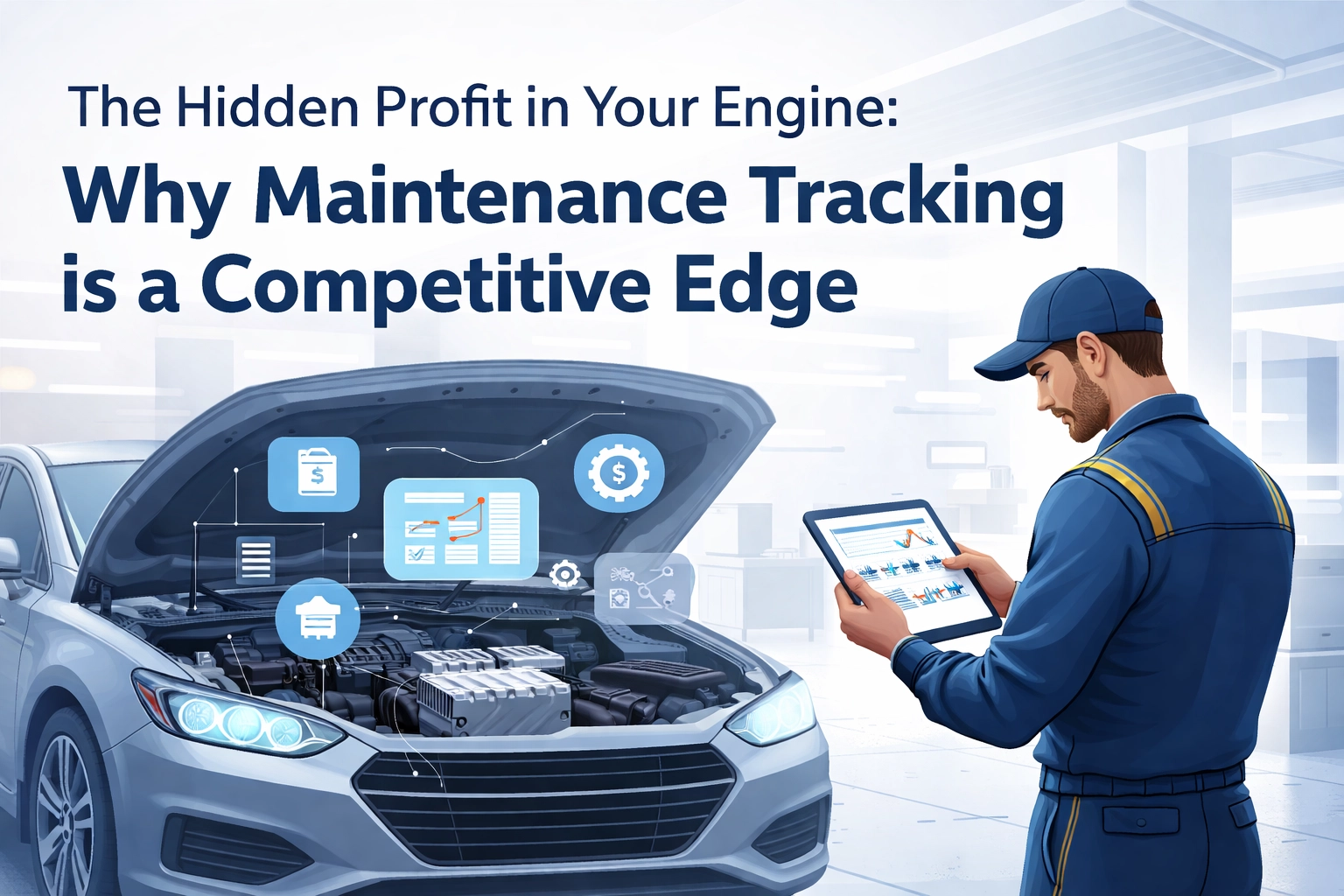
Safety Track: Proactive Maintenance Tracking for Fleet Efficiency
Every fleet manager knows the sinking feeling. A driver calls in from the side of the road. The engine light came on. Now a vehicle is down, a delivery is late, and the repair bill is anyone’s guess.
Breakdowns cost more than the repair itself. They cost productivity, customer trust, and peace of mind. The good news? Most of these surprises are preventable. The secret weapon is maintenance tracking: and for fleets that embrace it, the payoff goes far beyond fewer service calls.
Modern fleet maintenance technology transforms how companies manage their vehicles. Instead of reacting to problems, fleet managers can anticipate them. Instead of guessing when to service a truck, they know. This shift from reactive to proactive maintenance is one of the most powerful competitive edges a fleet can gain in 2026.
The True Cost of Reactive Maintenance
When a vehicle breaks down unexpectedly, the financial damage extends well beyond the repair invoice. Consider the full picture:
- Lost productivity while the vehicle sits idle
- Emergency towing and expedited parts that cost a premium
- Missed deliveries or service appointments that frustrate customers
- Overtime pay for drivers scrambling to cover the gap
- Cascading delays across the rest of the fleet schedule
Reactive maintenance is expensive because it removes control from the equation. Fleet managers end up at the mercy of mechanical failures instead of staying ahead of them.
A single unscheduled breakdown can cost thousands of dollars when factoring in downtime, rush repairs, and lost revenue. Multiply that across a fleet of dozens or hundreds of vehicles, and the numbers add up fast.
The alternative is proactive maintenance: using data and diagnostics to identify potential failures before they happen. This approach eliminates surprises, reduces emergency repair costs, and keeps vehicles on the road where they belong.
How Maintenance Tracking Works
At its core, maintenance tracking combines vehicle diagnostics with intelligent scheduling software. Sensors and telematics devices installed in fleet vehicles continuously monitor critical systems: engine performance, battery health, brake wear, transmission behavior, and more.
This data flows into a centralized platform where fleet managers can see the real-time health of every asset. When a component shows early signs of wear or a diagnostic code flags a potential issue, the system alerts the team. Maintenance can be scheduled during planned downtime: not forced during a critical delivery window.
Here’s what effective maintenance tracking delivers:
- Automated service reminders based on mileage, engine hours, or calendar intervals
- Real-time diagnostic alerts that flag issues before they become failures
- Complete maintenance histories for every vehicle in the fleet
- Integration with dispatch and routing systems for smarter scheduling
The result is a fleet that runs like a well-oiled machine, literally. Engines stay efficient. Brakes stay safe. Vehicles stay profitable.
For a deeper look at how real-time data drives smarter fleet decisions, check out Proactive Fleet Management: The Power of Real-Time Data.
The Competitive Advantages of Maintenance Tracking
Fleets that invest in maintenance tracking don’t just save money on repairs. They gain strategic advantages that separate them from competitors still operating in reactive mode.
1. Reduced Downtime
Downtime is the enemy of productivity. Every hour a vehicle sits in the shop is an hour it’s not generating revenue. Maintenance tracking minimizes unscheduled repairs by catching problems early. Fleet managers can schedule service during off-peak hours or planned maintenance windows, keeping vehicles available when they’re needed most.
2. Extended Asset Lifespan
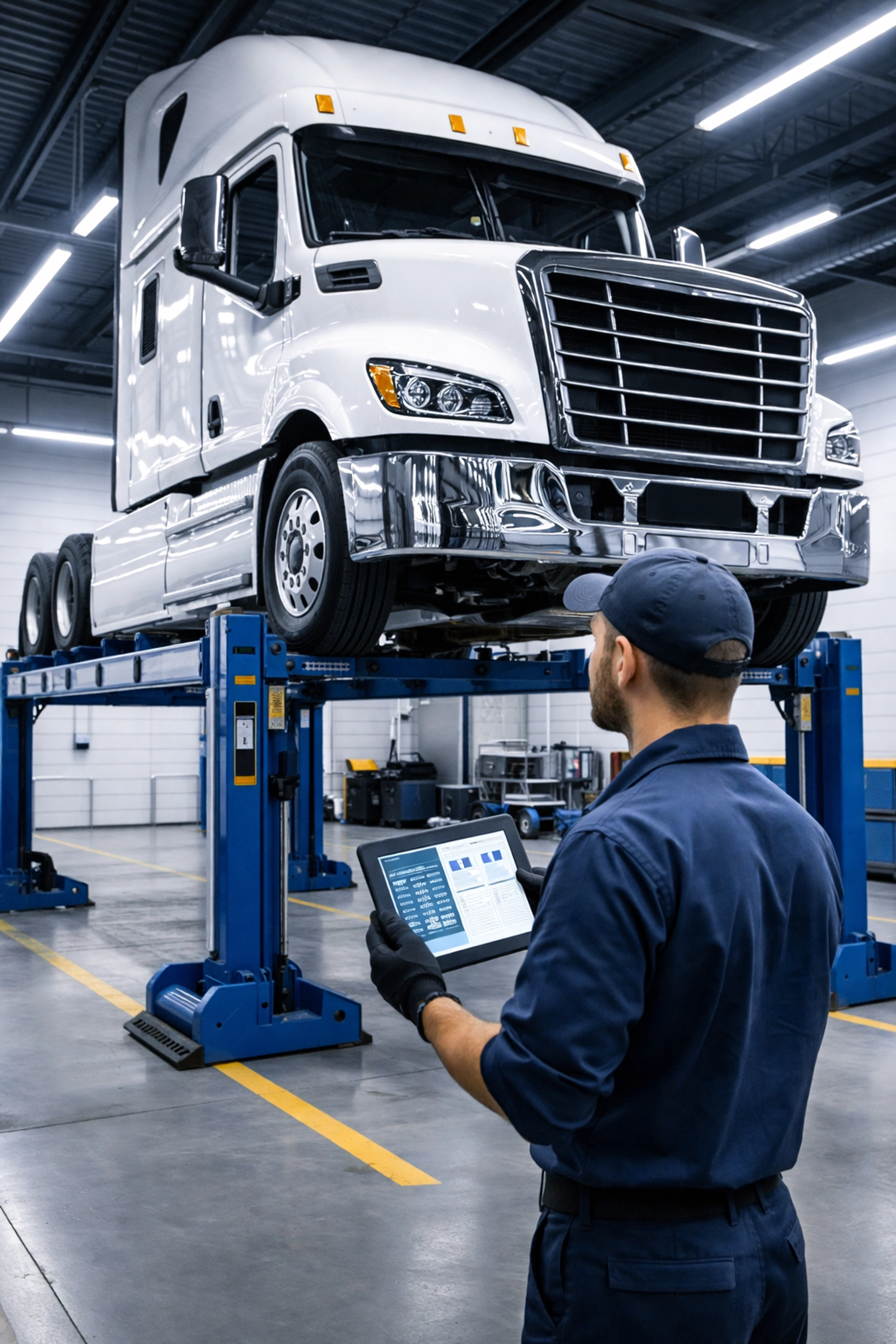
Vehicles represent a significant capital investment. Regular, well-timed maintenance extends the usable life of trucks, vans, and specialized equipment. By addressing wear and tear before it causes damage, fleets reduce the frequency of costly vehicle replacements. A truck that lasts an extra two or three years delivers substantial ROI.
3. Improved Fuel Efficiency
An engine running at peak performance burns fuel more efficiently. Clogged filters, worn spark plugs, underinflated tires, and other maintenance issues all drag down fuel economy. Maintenance tracking ensures these issues get addressed promptly, keeping fuel costs in check across the entire fleet.
4. Better Planning and Predictability
When fleet managers have visibility into upcoming maintenance needs, they can plan accordingly. Dispatch knows which vehicles are available. Operations can adjust routes and schedules. Customers receive reliable service without last-minute cancellations. This predictability builds trust and strengthens business relationships.
5. Lower Insurance and Liability Costs
Well-maintained vehicles are safer vehicles. Maintenance tracking helps fleets identify safety-critical issues like brake wear, tire condition, and steering problems before they lead to accidents. Fewer incidents mean lower insurance premiums, reduced liability exposure, and a stronger safety record.
Learn more about reducing fleet risk in Improve Safety and Reduce Liability with Fleet Surveillance.
Real-World Impact: From Guesswork to Data-Driven Decisions
Consider a logistics fleet managing 50 trucks across multiple routes. Without maintenance tracking, the operations team relies on driver reports, scheduled service intervals, and a fair amount of hope. Breakdowns happen. Schedules slip. Costs fluctuate unpredictably.
With maintenance tracking powered by vehicle diagnostics, the same fleet gains complete visibility. The system identifies a truck showing early signs of battery degradation. Another vehicle flags unusual engine vibration patterns that suggest bearing wear. A third needs brake service sooner than the standard interval suggests.
Instead of waiting for failures, the fleet manager schedules all three vehicles for service during a planned maintenance day. No emergency calls. No disrupted deliveries. No premium repair costs.
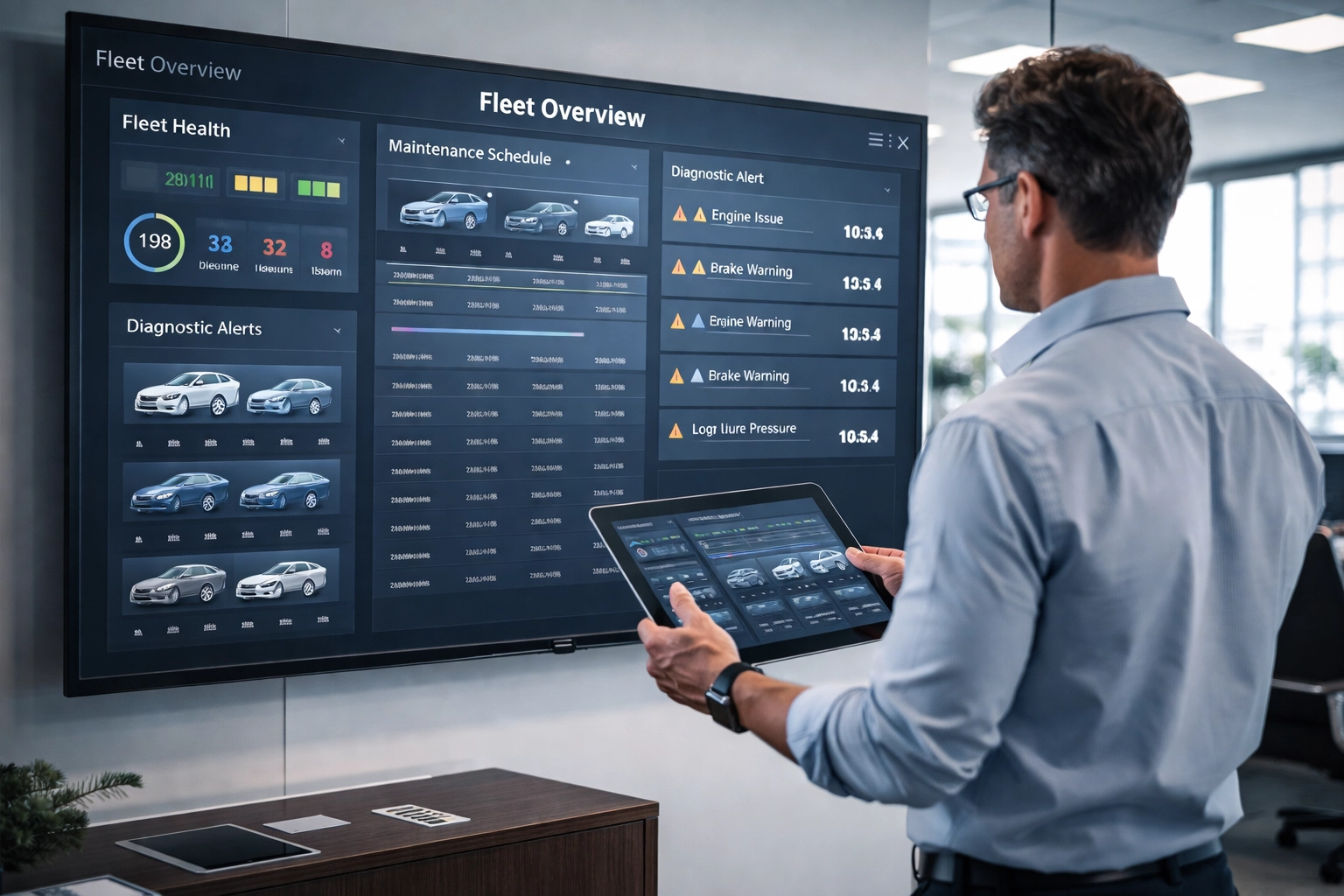
This is the shift from reactive to proactive: and it’s where competitive advantage lives.
For insights on how telematics data transforms fleet operations, explore How Fleet Telematics Analytics is Transforming Fleet Management.
Why Custom-Tailored Solutions Matter
Not every fleet operates the same way. A regional delivery company has different needs than a nationwide trucking operation. A utility fleet faces different challenges than a construction equipment manager. Cookie-cutter maintenance tracking systems often miss the mark.
The most effective fleet maintenance solutions are custom-tailored to match the specific vehicles, routes, and operational demands of each fleet. This means configuring alerts and thresholds that make sense for the equipment in use. It means integrating with existing dispatch, ELD, and fleet management platforms. It means building a system that fits the operation: not forcing the operation to fit the system.
At Safety Track, custom-tailored solutions are the standard. Every fleet receives a maintenance tracking setup designed around its unique requirements. The result is faster adoption, better data, and stronger long-term results.
The Bottom Line: Maintenance Tracking Pays for Itself
Fleet managers often ask whether maintenance tracking is worth the investment. The answer is clear: the technology pays for itself many times over.
Reduced downtime means more revenue-generating hours. Extended vehicle lifespan means lower capital expenditures. Improved fuel efficiency means reduced operating costs. Better safety records mean lower insurance premiums.
Add it all up, and maintenance tracking becomes one of the highest-ROI investments a fleet can make. The hidden profit in your engine is real: it just takes the right tools to unlock it.
Take Control of Your Fleet’s Future
Breakdowns don’t have to be inevitable. Surprise repair bills don’t have to wreck the budget. With modern maintenance tracking and vehicle diagnostics, fleet managers gain the visibility and control they need to stay ahead of problems.
The competitive edge belongs to fleets that embrace proactive maintenance. The question isn’t whether maintenance tracking makes sense: it’s how quickly you can implement it.
Ready to see how Safety Track’s custom-tailored maintenance tracking solutions can transform your fleet? Get in touch today and discover the hidden profit waiting in your engines.

Tyler Schneider is the IT Director at Safety Track, overseeing the company’s technological infrastructure and innovations. With a strong background in information technology and systems management, Tyler ensures that Safety Track stays at the forefront of tech solutions in fleet management. His strategic expertise supports the seamless integration of technology across the company’s operations.