

Essential Insights on GPS Tracking for Commercial Fleets

Unlock GPS Tracking Benefits & Solutions for Commercial Fleets
In the rapidly evolving landscape of fleet management, GPS tracking systems have emerged as a vital tool for enhancing operational efficiency and ensuring driver safety. These systems provide real-time data that empowers fleet managers to make informed decisions, optimize routes, and monitor vehicle performance. This article delves into the key benefits of GPS tracking for commercial fleets, exploring how these systems can transform fleet operations. Fleet managers often face challenges such as rising fuel costs, regulatory compliance, and the need for improved safety measures. GPS tracking offers a comprehensive solution to these issues, enabling better resource allocation and enhanced accountability. We will cover the benefits of GPS tracking, the types of devices available, the role of real-time monitoring, compliance considerations, cost evaluation, integration with fleet management software, and the latest industry trends.
What Are the Key Benefits of GPS Tracking Systems for Commercial Fleets?
GPS tracking systems provide numerous advantages that significantly enhance fleet management. These benefits include improved operational efficiency, enhanced driver safety, and substantial cost savings through fuel optimization. By leveraging real-time data, fleet managers can streamline operations and respond swiftly to any issues that arise.
How Does GPS Tracking Improve Fleet Operational Efficiency?
GPS tracking enhances operational efficiency by providing real-time visibility into vehicle locations and performance. Fleet managers can monitor routes, identify delays, and make adjustments on the fly. This capability allows for better route optimization, reducing travel time and fuel consumption. Additionally, data analytics from GPS systems can highlight patterns in vehicle usage, enabling managers to make informed decisions about maintenance schedules and resource allocation. For instance, a fleet that utilizes GPS tracking can reduce idle time by up to 20-30%, leading to significant fuel savings and increased productivity.
This perspective is further supported by historical insights into the benefits of fleet management for commercial trucking.
Satellite Tracking for Commercial Trucking: Savings & Real-time Updates
In the business world, trucking firms have discovered that large savings, in terms of time, energy and fuel, can be realized using various tracking systems that connect drivers to a central dispatcher who is able to transmit last minute routing changes, traffic updates, and other trip information.
An Assessment of Satellite Tracking Technology in the Commercial Trucking Industry and Its Potential Use within the United States Army’s Distribution System., 1996
In What Ways Does GPS Tracking Enhance Driver Safety and Compliance?
Driver safety is paramount in fleet management, and GPS tracking systems play a crucial role in monitoring driver behavior. These systems can track speed, braking patterns, and overall driving habits, providing valuable insights into areas for improvement. By addressing unsafe driving behaviors, fleet managers can reduce the risk of accidents and enhance compliance with transportation regulations. Furthermore, GPS tracking aids in ensuring that drivers adhere to legal requirements, such as hours of service regulations, thereby minimizing the risk of violations and associated penalties.
Which Types of Vehicle Tracking Devices Are Best Suited for Commercial Fleets?
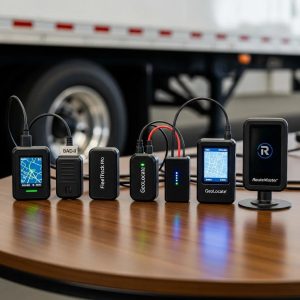
When selecting GPS tracking devices for commercial fleets, it is essential to consider the specific needs of the operation. Various types of devices are available, each offering unique features tailored to different fleet requirements.
What Are the Features of Different GPS Tracking Devices for Business Vehicles?
GPS tracking devices come equipped with a range of features designed to enhance fleet management. Key features to look for include real-time tracking capabilities, geofencing alerts, and driver behavior monitoring. Advanced devices may also offer integration with telematics systems, providing deeper insights into vehicle performance and maintenance needs. For example, devices that support real-time tracking can alert fleet managers to unauthorized vehicle use or deviations from planned routes, enhancing security and accountability.
How Is Installation and Integration of Tracking Devices Performed?
The installation of GPS tracking devices typically involves a straightforward process, often completed within a few hours. Most devices can be installed by fleet personnel with minimal technical expertise, although professional installation services are also available. Integration with existing fleet management systems is crucial for maximizing the benefits of GPS tracking. This process may involve software configuration and data synchronization to ensure seamless communication between devices and management platforms.
How Does Real-Time Fleet Tracking and Monitoring Optimize Fleet Management?
Real-time fleet tracking and monitoring are essential components of effective fleet management. These systems provide continuous updates on vehicle locations, enabling fleet managers to respond promptly to any issues that arise.
What Are the Core Features of GPS Fleet Management Software?
GPS fleet management software typically includes features such as route optimization, vehicle diagnostics, and driver performance analysis. These tools allow fleet managers to monitor vehicle health, schedule maintenance, and analyze driver behavior to improve safety and efficiency. By utilizing these features, fleet managers can enhance operational performance and reduce costs associated with vehicle downtime and maintenance.
How Does Telematics Software Analyze Driver Behavior and Vehicle Data?
Telematics software plays a critical role in analyzing driver behavior and vehicle data. By collecting and processing data from GPS tracking devices, telematics systems can provide insights into driving patterns, fuel consumption, and vehicle performance. This information is invaluable for identifying areas where drivers can improve their habits, ultimately leading to safer driving and reduced operational costs. For instance, telematics can reveal excessive idling times, allowing fleet managers to implement strategies to reduce fuel waste.
What Compliance and Regulatory Considerations Affect Commercial Fleet GPS Tracking?
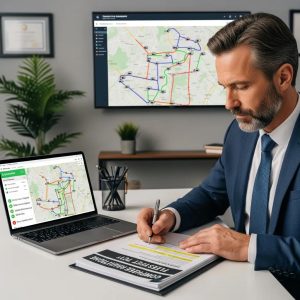
Compliance with regulations is a significant concern for fleet managers, and GPS tracking systems can help ensure adherence to legal requirements.
Which Legal Requirements Must Fleet Managers Know About GPS Tracking?
Fleet managers must be aware of various legal requirements related to GPS tracking, including privacy laws and data protection regulations. It is essential to inform drivers about the use of tracking devices and obtain their consent where necessary. Understanding these legal frameworks helps fleet managers implement GPS tracking systems responsibly and ethically.
How Does GPS Tracking Support Compliance with Transportation Regulations?
GPS tracking systems support compliance with transportation regulations by providing accurate records of vehicle usage and driver hours. These systems can generate reports that demonstrate adherence to regulations, such as hours of service and vehicle maintenance requirements. By maintaining comprehensive records, fleet managers can avoid potential fines and legal issues, ensuring smooth operations.
How Can Fleet Managers Evaluate the Cost and ROI of GPS Tracking Solutions?
Evaluating the cost and return on investment (ROI) of GPS tracking solutions is crucial for fleet managers considering implementation.
What Are the Typical Costs Associated with Commercial Vehicle Tracking Solutions?
The costs associated with commercial vehicle tracking solutions can vary widely based on the features and capabilities of the devices. Typical expenses include initial setup costs, ongoing subscription fees, and potential installation charges. For instance, basic GPS tracking solutions may start at around $15 to $25 per month per vehicle, while more advanced systems with telematics features can range from $30 to $60 per month.
How Is Return on Investment Measured for Fleet GPS Tracking Systems?
Measuring the ROI of GPS tracking systems involves analyzing the savings generated from improved efficiency, reduced fuel consumption, and enhanced safety. Fleet managers can calculate ROI by comparing the costs of implementing GPS tracking against the financial benefits realized over time. For example, a fleet that reduces fuel costs by 10-15% through optimized routing can quickly recoup its investment in GPS technology.
How Does Integration with Fleet Management Software Enhance GPS Tracking Benefits?
Integrating GPS tracking with fleet management software amplifies the benefits of both systems, creating a more cohesive operational framework.
What Are the Advantages of Combining GPS Tracking with Fleet Management Software?
Combining GPS tracking with fleet management software offers several advantages, including improved data visibility and enhanced decision-making capabilities. This integration allows fleet managers to access comprehensive data on vehicle performance, driver behavior, and operational efficiency in one centralized platform. As a result, fleet managers can make more informed decisions that drive productivity and reduce costs.
How Do Integrated Systems Improve Fuel Management and Route Optimization?
Integrated systems enhance fuel management and route optimization by providing real-time data that informs decision-making. Fleet managers can analyze fuel consumption patterns and identify opportunities for improvement, such as adjusting routes to minimize fuel usage. Additionally, integrated systems can automate route planning, ensuring that drivers take the most efficient paths to their destinations, further reducing fuel costs.
What Are the Latest Industry Trends and Innovations in Fleet GPS Tracking for 2024-2026?
The fleet management industry is continuously evolving, with new trends and innovations shaping the future of GPS tracking.
How Are Advances in Telematics Shaping Commercial Fleet Tracking?
Advances in telematics are revolutionizing commercial fleet tracking by enabling more sophisticated data analysis and reporting capabilities. These innovations allow fleet managers to gain deeper insights into vehicle performance and driver behavior, leading to more effective management strategies. For instance, the integration of artificial intelligence in telematics systems can enhance predictive maintenance, helping fleets avoid costly breakdowns.
What Emerging Technologies Improve Fleet Safety and Efficiency?
Emerging technologies, such as the Internet of Things (IoT) and machine learning, are improving fleet safety and efficiency. IoT devices can provide real-time data on vehicle conditions, while machine learning algorithms can analyze this data to predict maintenance needs and optimize routes. These advancements contribute to safer driving practices and more efficient fleet operations, ultimately enhancing overall performance.
Where Can Fleet Managers Find Authoritative Case Studies and Reviews on GPS Tracking Systems?
Our white label link building services are the best option for agencies looking for quality, scalability, and convenience. We create SEO optimized, fresh content that performs well in search rankings and boosts your clients’ site authority. All of our backlinks come from authoritative case studies. We’ll secure the quantity you need and in the right time frame.
What Success Stories Demonstrate Measurable ROI and Safety Improvements?
Numerous case studies highlight the success of GPS tracking systems in improving fleet performance. For example, a logistics company that implemented GPS tracking reported a 15-20% reduction in fuel costs and a 20-30% decrease in accidents within the first year of use. These success stories provide valuable insights into the potential benefits of GPS tracking for commercial fleets.
How Do Customer Reviews and Industry Reports Influence GPS Tracking Choices?
Customer reviews and industry reports play a significant role in influencing GPS tracking choices. Fleet managers often rely on feedback from peers and industry experts to evaluate the effectiveness of different systems. Positive reviews and documented success stories can help fleet managers make informed decisions when selecting GPS tracking solutions that best meet their needs.

Hannah Lang is a Social Media Marketing Specialist at Safety Track. She has her bachelor’s degree in Advertising and Public Relations from Grand Valley State University. With her passion for research, Hannah possesses a wealth of knowledge expanding across multiple industries and disciplines. Her efforts won her a Scholastic Art and Writing regional Gold Key award.