
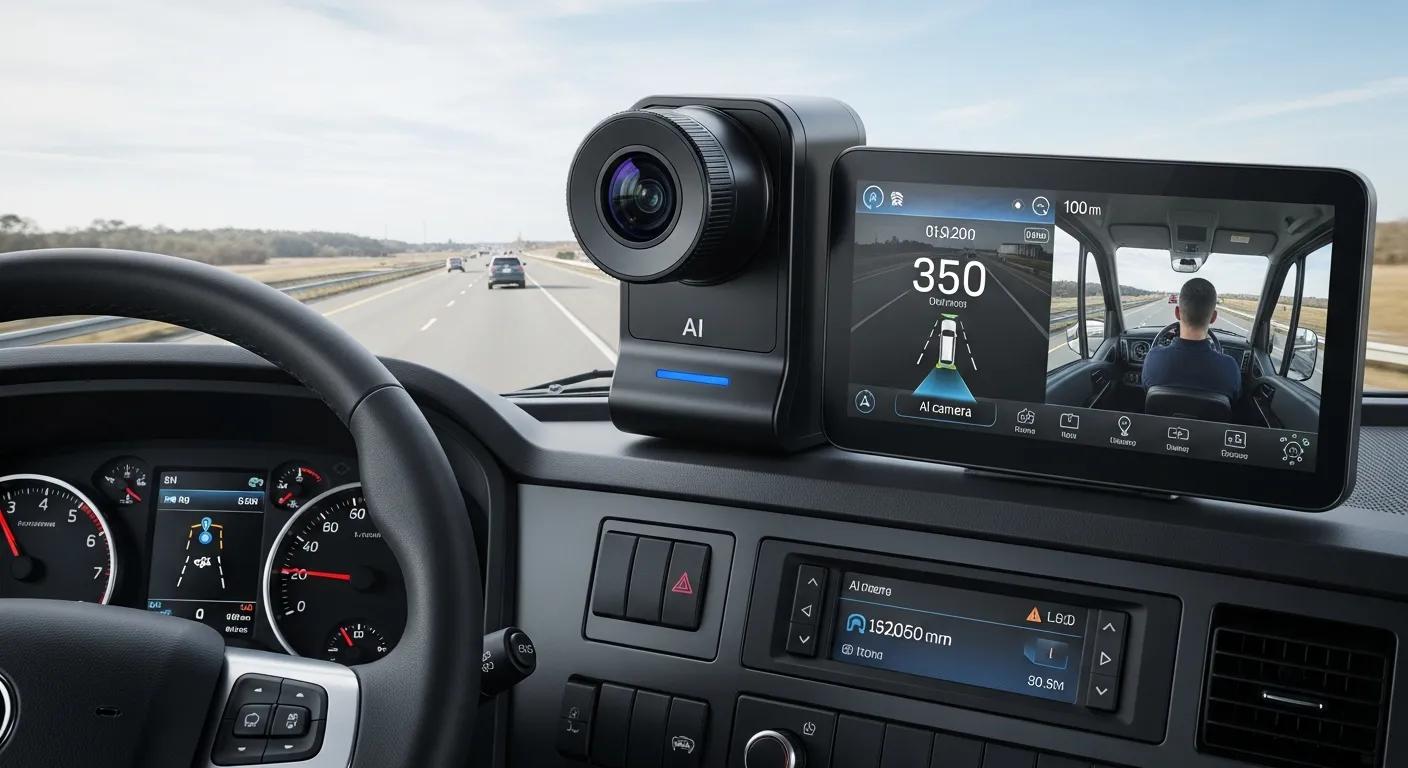
Discover the Advantages of AI Dash Cameras for Fleet Safety
Unlocking the Advantages of AI Dash Cameras for Enhanced Fleet Safety and Efficiency
AI dash cameras are revolutionizing fleet safety by enhancing safety and improving operational efficiency. These advanced devices utilize artificial intelligence to monitor driver behavior, detect incidents, and provide real-time feedback, ultimately leading to safer driving practices and reduced liability. In this article, we will explore the key features of AI dash cameras, how they improve fleet safety, their operational benefits, and what fleet managers should consider when selecting these systems. Additionally, we will discuss the evolving market of AI dash cameras and the latest technological advancements shaping their future.
What Are the Key Features of AI Dash Cameras in Commercial Vehicle Fleets?
AI dash cameras come equipped with several key features that significantly enhance their functionality in commercial vehicle fleets. These features include real-time driver coaching, video surveillance capabilities, and cloud integration for easy data access. By leveraging these technologies, fleets can ensure better monitoring and management of their vehicles and drivers.
How Do AI Vehicle Camera Systems Detect and Analyze Driver Behavior?
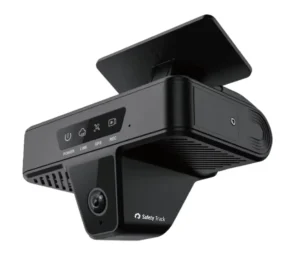
AI vehicle camera systems utilize advanced algorithms and real-time monitoring techniques to detect and analyze driver behavior. These systems can identify risky actions such as harsh braking, rapid acceleration, distracted driving, and drowsiness. By providing immediate feedback to drivers, these cameras help promote safer driving habits and reduce the likelihood of accidents.
Further emphasizing the importance of these capabilities, some fleets are actively deploying AI-powered cameras specifically for fatigue and distraction detection.
AI Cameras for Fleet Fatigue & Distraction Detection
of AI-powered Active Fatigue and Distraction Detection (AFDD) cameras across its operational and contractor fleets to proactively mitigate fatigue- and distraction-related risks.
AI-Powered Driver Fatigue and Distraction Detection Cameras, 2025
Which Safety Technologies Are Integrated into Modern AI Dash Cameras?
Modern AI dash cameras integrate various safety technologies designed to enhance driver and passenger safety. Key technologies include lane departure warnings, forward collision warnings, incident detection capabilities, and real-time driver monitoring. These features work together to create a comprehensive safety net for commercial fleets, ensuring that drivers are constantly aware of their surroundings and potential hazards.
How Do AI Dash Cameras Improve Fleet Safety and Risk Management?
AI dash cameras play a crucial role in improving fleet safety and risk management by providing real-time monitoring of driver behavior and implementing accident prevention strategies. These systems not only help in reducing accidents but also offer liability protection through video evidence, which can be invaluable in the event of disputes.
In What Ways Do AI Dash Cameras Reduce Accidents and Liability?
AI dash cameras contribute to accident reduction by detecting risky behaviors and providing immediate alerts to drivers. For instance, when a driver engages in unsafe practices, the system can send instant notifications, prompting corrective actions. Additionally, the video evidence captured by these cameras serves as a powerful tool for liability protection, helping to clarify the circumstances surrounding incidents.
How Do Real-Time Alerts Enhance Driver Monitoring and Incident Response?
Real-time alerts significantly enhance driver monitoring and incident response by providing instant notifications for unsafe actions. This immediate feedback fosters improved accountability among drivers and creates opportunities for proactive coaching. By addressing issues as they arise, fleet managers can ensure that drivers remain focused and safe on the road.
What Are the Operational Benefits of Integrating AI Dash Cameras with Fleet Telematics?
Integrating AI dash cameras with fleet telematics offers numerous operational benefits, including improved safety, lower operating costs, and enhanced operational efficiency. This integration allows for seamless data synchronization and automation of reporting processes, ultimately leading to better decision-making and resource allocation.
How Does Seamless Integration Optimize Fleet Management Workflows?

Seamless integration of AI dash cameras with fleet management systems optimizes workflows by synchronizing data across platforms. This synchronization enables fleet managers to access real-time information about vehicle performance and driver behavior, facilitating quicker response times and more informed decision-making.
What Data-Driven Insights Do AI Dash Cameras Provide for Fleet Efficiency?
AI dash cameras provide valuable data-driven insights that can significantly enhance fleet efficiency. These insights include metrics on driver behavior, fuel consumption, and vehicle maintenance needs. By analyzing this data, fleet managers can identify trends and make adjustments to improve overall operational performance.
Which AI Dash Camera Features Deliver the Best Return on Investment for Fleets?
When considering the return on investment (ROI) for AI dash cameras, several features stand out as particularly beneficial. These include real-time alerts for risky behaviors, high-resolution video for training purposes, and cloud integration for easy data access. Each of these features contributes to cost savings and improved fleet performance.
How Do AI Analytics Contribute to Cost Savings and Insurance Reductions?
AI analytics play a vital role in driving cost savings and reducing insurance premiums for fleets. By improving driver behavior through real-time feedback and monitoring, fleets can lower the frequency of accidents, which in turn leads to reduced insurance costs. Additionally, predictive maintenance benefits derived from AI analytics can help prevent costly repairs and downtime.
What Case Studies Demonstrate the Impact of AI Dash Cameras on Fleet Performance?
Numerous case studies illustrate the positive impact of AI dash cameras on fleet performance. For example, fleets that have implemented these systems report significant reductions in accident rates, improvements in fuel efficiency, and better compliance with safety regulations. These enhancements not only boost operational efficiency but also contribute to overall customer satisfaction.
What Should Fleet Managers Consider When Selecting AI Dash Camera Systems?
When selecting AI dash camera systems, fleet managers should consider several critical factors to ensure effective driver behavior monitoring and overall system performance. Key considerations include the capabilities for real-time alerts, high-resolution video quality, and the ability to integrate with existing fleet management systems.
Which Features Are Essential for Effective Driver Behavior Monitoring?
Essential features for effective driver behavior monitoring include the ability to define behavioral expectations, conduct incident review processes, and provide real-time monitoring capabilities. These features enable fleet managers to maintain high safety standards and ensure compliance with company policies.
How Do Scalability and Industry-Specific Solutions Affect Fleet Camera Choices?
Scalability and industry-specific solutions significantly influence fleet camera choices. Fleet managers should look for systems that offer flexibility in camera configurations to meet unique sector requirements. Cost-effectiveness is also a crucial factor, as scalable solutions can adapt to the changing needs of a growing fleet.
How Is the AI Dash Camera Market Evolving with Emerging Technologies and Regulations?
The AI dash camera market is rapidly evolving, driven by emerging technologies and changing regulations. Increased adoption of AI dash cameras is being fueled by advancements in AI technology, integration with telematics, and the growing need for compliance with industry safety and data privacy standards.
What Are the Latest Advances in AI Safety and Video Analytics for Fleets?
Recent advancements in AI safety and video analytics for fleets include enhanced real-time alerts, predictive analytics capabilities, and improved driver distraction and fatigue detection. These innovations allow for more proactive fleet management and improved safety outcomes, ensuring that fleets can adapt to the ever-changing landscape of transportation.
How Do Regulatory Changes Influence AI Dash Camera Adoption in Commercial Fleets?
Regulatory changes play a significant role in influencing AI dash camera adoption within commercial fleets. Compliance with data privacy and security regulations such as GDPR in Europe and CCPA in California is essential, as is adherence to industry-specific safety standards. These factors can impact fleet management practices and the overall effectiveness of AI dash camera systems.
Different AI dash camera features deliver distinct benefits through specific mechanisms.
This comparison highlights how specific features of AI dash cameras contribute to improved safety and operational efficiency in commercial fleets.
Jeff Stoker is the CEO and founder of Safety Track, a company he established in 2002. With over two decades of leadership in fleet management solutions, Jeff has guided Safety Track from a pioneering vision to a trusted industry leader. His innovative mindset and commitment to excellence continue to drive the company’s growth and impact.