
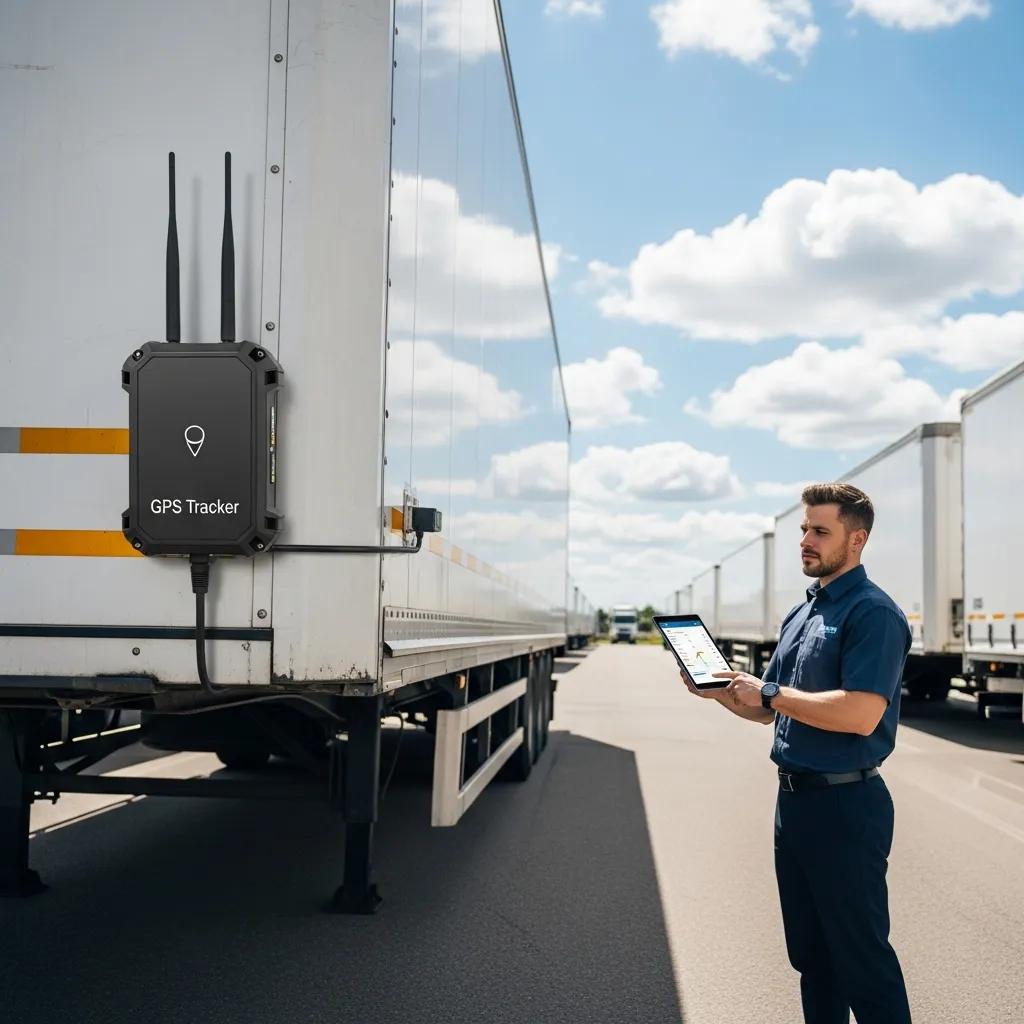
Affordable GPS Trailer Tracking Devices That Deliver Results
Affordable GPS Trailer Tracking Devices That Deliver Results
real-time vehicle tracking solutions
In the ever-evolving landscape of fleet management, affordable GPS trailer tracking devices have emerged as essential tools for enhancing operational efficiency and security. These devices provide real-time location data, enabling fleet managers to monitor their assets effectively. This article delves into the functionality, installation, maintenance, and cost benefits of GPS truck tracking devices, offering insights into how they can transform logistics operations. As businesses face challenges such as theft and inefficient routing, these tracking solutions present a viable answer. We will explore the key features of these devices, installation tips, battery life considerations, integration with fleet management solutions, and the latest industry trends.
What Are Affordable GPS Trailer Tracking Systems and How Do They Work?
Affordable GPS trailer tracking systems are devices designed to monitor the location and movement of trailers in real-time. They utilize Global Positioning System (GPS) technology to provide accurate location data, which is transmitted to a central system for analysis. This functionality allows fleet managers to track their assets, ensuring they are where they are supposed to be and optimizing routes for efficiency. The benefits of these systems include enhanced fleet visibility, improved operational efficiency, and reduced risk of theft.
Further emphasizing the strategic importance of these systems, recent research highlights the comprehensive management aspects crucial for maximizing their impact on transportation efficiency.
GPS Tracking System Management for Transportation Efficiency
The management of GPS tracking systems plays a vital role in optimizing transportation systems and enhancing operational efficiency. This paper focuses on the management aspects associated with GPS tracking systems in transportation. GPS technology has revolutionized the way vehicles are tracked, monitored, and managed, enabling real-time visibility and effective decision-making. The management of GPS tracking systems encompasses various components, including system configuration, data collection, data analysis, and performance evaluation. Effective management ensures accurate positioning and tracking of vehicles, efficient route planning, timely dispatching, and effective resource allocation. By adopting effective management practices, transportation systems can benefit from improved operational efficiency, reduced costs, enhanced safety, and better customer satisfaction.
Management of GPS tracking systems in transportation, R Verma, 2024
Key Features of GPS Trailer Tracking Devices for Fleet Management
GPS trailer tracking devices come equipped with several key features that significantly enhance fleet management capabilities:
- Real-Time Location Tracking: This feature allows fleet managers to monitor the exact location of their trailers at any given moment, facilitating better decision-making and route optimization.
- Geofencing Capabilities: Geofencing enables users to set virtual boundaries for their trailers. Alerts are triggered when a trailer enters or exits these predefined zones, enhancing security and operational control.
- Driver Behavior Monitoring: Many devices offer insights into driver behavior, such as speed and braking patterns, which can be crucial for improving safety and reducing wear and tear on vehicles.
These features collectively contribute to a more efficient and secure fleet management process, making GPS trailer tracking devices indispensable for modern logistics operations.
How Real-Time Trailer Tracking Improves Operational Efficiency

Real-time trailer tracking significantly enhances operational efficiency by providing immediate access to location data and insights into fleet performance. For instance, it reduces the risk of theft by allowing fleet managers to quickly locate stolen trailers. Additionally, it improves route planning by providing data on traffic conditions and optimal paths, which can lead to fuel savings and timely deliveries. Industry reports suggest companies utilizing real-time tracking can achieve operational cost reductions ranging from 10% to 20%, demonstrating the tangible benefits of these systems.
How to Install GPS Trailer Tracking Devices: A Step-by-Step Guide
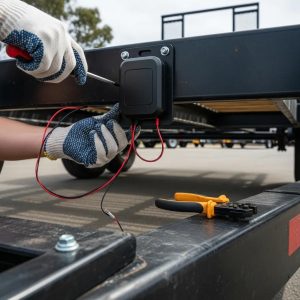
Installing GPS trailer tracking devices can be straightforward, especially with the right guidance. The installation process typically involves selecting an appropriate location for the device, connecting it to the trailer’s power source, and ensuring it has a clear view of the sky for optimal GPS signal reception.
Can You Install Trailer Tracking Devices Yourself? Installation Tips and Requirements
Yes, many GPS trailer tracking devices are designed for easy installation, allowing users to set them up without professional assistance. Here are some tips for a successful DIY installation:
- Tools Needed: Basic tools such as screwdrivers and wire strippers may be required, depending on the device.
- Common Mistakes: Ensure that the device is securely mounted and that all connections are properly insulated to prevent water damage.
- Time Required for Installation: Most installations can be completed within 30 minutes to an hour, depending on the complexity of the device.
What Are the Best Practices for Wireless Trailer Tracking Device Setup?
When setting up wireless trailer tracking devices, consider the following best practices:
- Location for Installation: Choose a location that is not easily accessible to thieves but allows for a clear signal to satellites.
- Signal Strength Considerations: Ensure that the device is positioned to avoid obstructions that could interfere with GPS signals.
- Battery Maintenance Tips: Regularly check the battery status and replace it as needed to ensure continuous operation.
Battery Life of Trailer Tracking Device and How to Maintain Them
Battery life is a critical factor in the performance of GPS trailer tracking devices. Most devices are designed to last several weeks to several months on a single charge, depending on usage, reporting frequency, and features.
Comparing Battery Life Across Different GPS Trailer Tracking Models
This comparison highlights the importance of selecting a model that meets your operational needs while ensuring longevity.
Maintenance Tips to Extend Wireless Trailer Tracking Device Performance
To maintain optimal performance of GPS trailer tracking devices, follow these maintenance tips:
- Regular Checks: Periodically inspect the device for any signs of wear or damage.
- Environmental Considerations: Protect the device from extreme weather conditions that could affect its functionality.
- Firmware Updates: Keep the device’s software updated to benefit from the latest features and security enhancements.
How Do GPS Trailer Tracking Devices Integrate with Fleet Management Solutions?
Integrating GPS trailer tracking devices with fleet management solutions can streamline operations and enhance data utilization. This integration allows for a comprehensive view of fleet performance, enabling better decision-making.
Benefits of Integrating Trailer Tracking Data with Fleet Tracking Software
Integrating trailer tracking data with fleet management software offers several advantages:
- Enhanced Visibility: Fleet managers gain a holistic view of their assets, improving oversight and control.
- Improved Operational Efficiency: Data-driven insights lead to better route planning and resource allocation.
- Data-Driven Decision Making: Access to real-time data allows for informed decisions that can enhance overall fleet performance.
What Connectivity Technologies Enable Seamless Integration?
Several connectivity technologies facilitate the integration of GPS trailer tracking devices with fleet management systems:
- Open API Integration: This allows for easy data exchange between different software platforms.
- Camera Management Suite: Integrating camera systems can enhance security and provide visual evidence in case of incidents.
- Network Certifications: Ensuring devices are certified for specific networks can improve reliability and performance.
What Are the Cost Benefits and ROI of Using Affordable GPS Trailer Tracking Devices?
The cost benefits of using affordable GPS tracking accessories are significant, particularly in terms of operational savings and improved asset management.
Analyzing Cost Savings from Improved Fleet Visibility and Route Optimization
Implementing GPS trailer tracking can lead to substantial cost savings through:
- Key Metrics to Track: Monitoring fuel consumption, maintenance costs, and driver behavior can reveal areas for improvement.
- Software Utilization: Leveraging tracking data to optimize routes can reduce fuel expenses and improve delivery times.
- Driver Behavior Impact: Encouraging safe driving practices can lower insurance premiums and reduce accident-related costs.
Case Studies Demonstrating Measurable Results with Safety Track Devices
Several case studies illustrate the effectiveness of Safety Track devices in achieving measurable results:
- Case Study 1: A logistics company reported a 25% reduction in fuel costs after implementing GPS tracking.
- Case Study 2: A fleet manager noted a 30% decrease in theft incidents due to enhanced tracking capabilities.
- Case Study 3: Another company improved delivery times by 15% through optimized route planning enabled by real-time tracking data.
What Are the Latest Industry Trends and Compliance Updates in Trailer Tracking?
The trailer tracking industry is continuously evolving, with new technologies and regulations shaping its future.
How Are Wireless Trailer Tracking Devices Shaping Fleet Management in 2025-2026?
Wireless trailer tracking devices are expected to play a pivotal role in fleet management by:
- Operational Efficiency Improvements: Enhanced tracking capabilities will lead to better resource management and reduced operational costs.
- Data Utilization: The integration of AI and machine learning will allow for predictive analytics, improving decision-making processes.
- Accountability Enhancements: Increased transparency in operations will foster accountability among drivers and fleet managers.
What Regulatory Compliance Should Fleet Managers Know About GPS Tracking?
Fleet managers must stay informed about regulatory compliance related to GPS tracking, including:
- Hours of Service Compliance: Ensuring drivers adhere to regulations regarding driving hours to prevent fatigue.
- Vehicle Inspection Requirements: Regular inspections are necessary to maintain compliance and ensure safety.
- Documentation for Audits: Keeping accurate records of tracking data is essential for compliance during audits.
What Common Questions Do Fleet Managers Ask About GPS Trailer Tracking Devices?
Fleet managers often have specific inquiries regarding the functionality and effectiveness of GPS truck tracking devices.
How Accurate Is Real-Time Trailer Tracking Technology?
Real-time trailer tracking technology is highly accurate, typically providing location data within a few meters. Factors affecting accuracy include satellite visibility and environmental conditions.
What Features Should I Look for in an Affordable Trailer Tracking Device?
When selecting an affordable trailer tracking device, consider the following essential features:
- Real-Time Tracking: Ensure the device provides live updates on location.
- Battery Life Considerations: Look for devices with extended battery life to minimize maintenance.
- Weatherproof Design: A durable, weather-resistant design is crucial for outdoor use.
How to Choose the Right Affordable GPS Trailer Tracking Device for Your Fleet?
Choosing the right GPS trailer tracking device involves evaluating several key factors to ensure it meets your fleet’s needs.
Evaluating Device Specifications: Tracking Accuracy, Battery Life, and Installation Type
When assessing devices, consider:
- Tracking Accuracy: Look for devices that offer precise location tracking to enhance operational efficiency.
- Battery Life Comparisons: Compare battery life across models to find one that suits your operational demands.
- Installation Types: Determine whether a wired or wireless installation is more appropriate for your fleet.
Comparing Wireless vs. Wired Trailer Tracking Solutions
Both wireless and wired trailer tracking solutions have their pros and cons:
- Installation Ease: Wireless devices are generally easier to install, while wired devices may offer more reliable power sources.
- Power Source Stability: Wired solutions provide consistent power, whereas wireless devices rely on battery life.
- Durability Considerations: Wired devices may be more durable in harsh environments, while wireless options offer flexibility in installation.
Jeff Stoker is the CEO and founder of Safety Track, a company he established in 2002. With over two decades of leadership in fleet management solutions, Jeff has guided Safety Track from a pioneering vision to a trusted industry leader. His innovative mindset and commitment to excellence continue to drive the company’s growth and impact.