
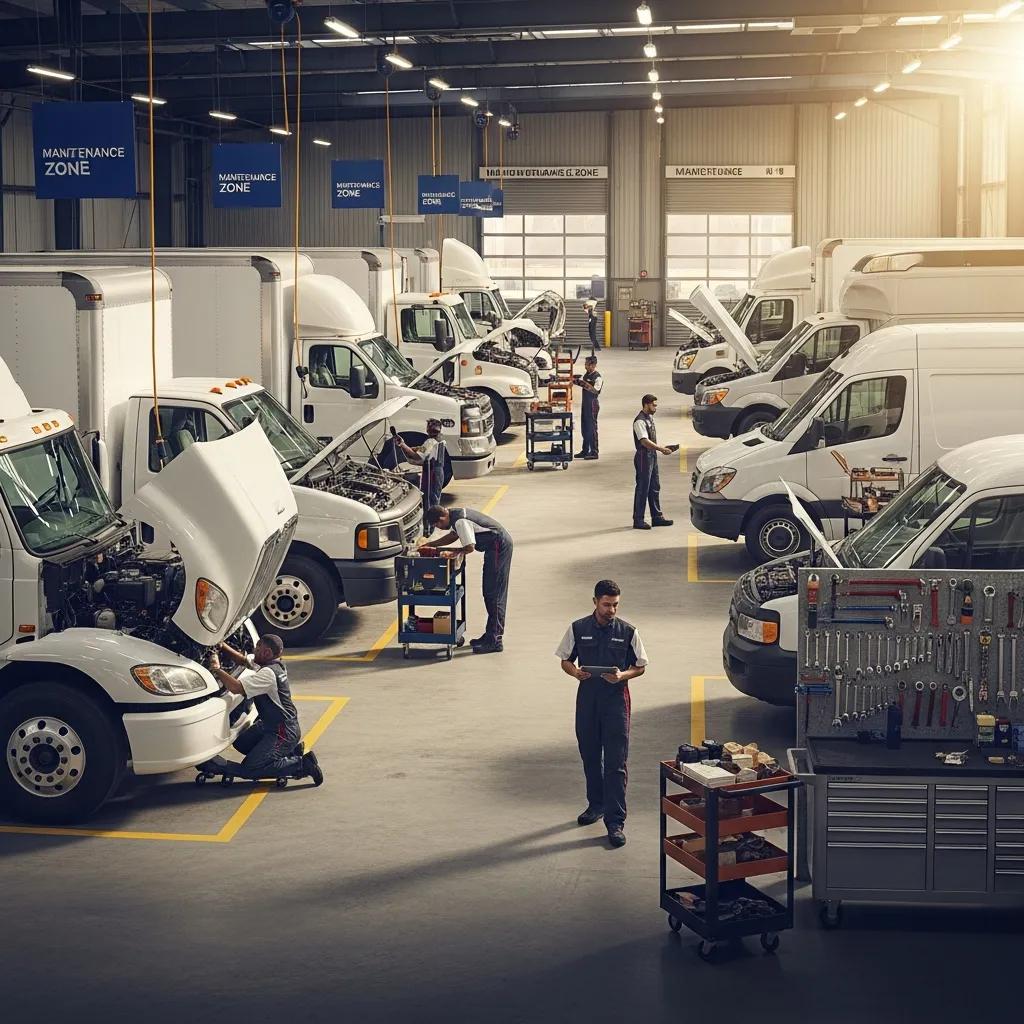
Top Common Fleet Maintenance Challenges You Need to Know
Top Fleet Maintenance Challenges and Proven Best Practices
Fleet maintenance is a critical aspect of managing vehicle operations, ensuring safety, and optimizing performance. However, many fleet managers face common challenges that can hinder efficiency and increase costs. This article delves into the most prevalent fleet maintenance challenges, offering insights into preventive maintenance strategies, technology solutions, and best practices to enhance operational efficiency. By understanding these challenges and implementing effective solutions, fleet managers can significantly reduce downtime and maintenance costs while improving overall fleet performance. We will explore key areas such as best practices for maintaining frequent repair issues, scheduling maintenance, and leveraging technology for better management.
What Are the Most Common Fleet Maintenance Challenges?
Fleet maintenance encompasses various challenges that can impact operational efficiency and safety. Understanding these challenges is essential for fleet managers to develop effective strategies for overcoming them.
Identifying Frequent Vehicle Fleet Repair Issues
Common repair issues in vehicle fleets can significantly disrupt operations. These issues often include engine problems, brake failures, and tire wear, which can lead to unexpected downtime. Regular inspections and monitoring can help identify these frequent repair issues early, allowing for timely interventions. For instance, engine diagnostics can reveal underlying problems before they escalate, ensuring that vehicles remain operational and safe. By addressing these common repairs proactively, fleet managers can minimize disruptions and maintain a reliable fleet.
Understanding Fleet Maintenance Scheduling Challenges
Scheduling maintenance effectively is crucial for minimizing downtime and ensuring that vehicles are always ready for use. However, fleet managers often face challenges such as conflicting schedules, resource availability, and unexpected repairs. The importance of a well-structured maintenance schedule cannot be overstated, as it directly impacts fleet performance. Common scheduling pitfalls include last-minute repairs that disrupt planned maintenance and inadequate time allocated for routine checks. Implementing a robust scheduling system can help fleet managers overcome these challenges, ensuring that maintenance tasks are completed efficiently and on time.
How Can Preventive Fleet Maintenance Tips Reduce Downtime?
Preventive maintenance is a proactive approach that can significantly reduce downtime and enhance fleet performance. By implementing effective preventive maintenance strategies, fleet managers can identify potential issues before they lead to costly repairs.
Implementing Predictive Maintenance Alerts for Early Issue Detection
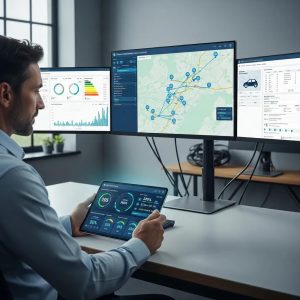
Predictive maintenance utilizes technology to monitor vehicle performance and predict potential failures. By implementing predictive maintenance alerts, fleet managers can detect issues early, allowing for timely repairs. This approach not only reduces downtime but also extends the lifespan of vehicles. For example, using telematics systems can provide real-time data on vehicle health, enabling proactive maintenance decisions. Fleet managers who adopt predictive maintenance strategies can significantly improve operational efficiency and reduce unexpected breakdowns.
Scheduling Preventive Maintenance to Optimize Fleet Performance
Optimizing fleet performance through preventive maintenance scheduling involves establishing a routine that includes regular inspections and servicing. Best practices for scheduling preventive maintenance include setting up a calendar for routine checks, utilizing maintenance management software, and training staff on the importance of adherence to schedules. Tools such as automated reminders can help ensure that maintenance tasks are not overlooked. By prioritizing preventive maintenance, fleet managers can enhance vehicle reliability and performance, ultimately leading to reduced operational costs.
What Technology Solutions Improve Fleet Maintenance Management?
Technology plays a vital role in enhancing fleet management. By leveraging advanced tools and software, fleet managers can streamline operations and improve decision-making processes.
Using Fleet Management Software for Real-Time Monitoring
Fleet management software provides real-time monitoring capabilities that are essential for effective maintenance management. These systems allow fleet managers to track vehicle performance, schedule maintenance, and analyze data to make informed decisions. Features such as GPS tracking and diagnostic tools enable managers to monitor vehicle health continuously. The impact of real-time monitoring on decision-making is significant, as it allows for immediate responses to potential issues, thereby reducing downtime and enhancing overall fleet efficiency.
Integrating IoT and Vehicle Telematics for Predictive Maintenance
The integration of IoT (Internet of Things) and vehicle telematics is revolutionizing fleet maintenance. IoT devices can collect and transmit data on vehicle performance, while telematics systems analyze this data to provide insights into maintenance needs. This combination allows fleet managers to implement predictive maintenance strategies effectively. For instance, telematics can alert managers to unusual patterns in vehicle behavior, indicating potential issues that require attention. By embracing these technologies, fleet managers can enhance their maintenance strategies and improve fleet reliability.
While the integration of IoT and telematics offers significant advantages, fleet operators must also be aware of potential challenges in seamlessly implementing these advanced systems.
Predictive Maintenance Integration Challenges in Telematics Fleets
while predictive maintenance promises efficiency gains, fleet operators often face challenges in integrating it seamlessly into their existing telematics
Leveraging Edge AI for Real-Time Predictive Maintenance in Telematics-Enabled Fleets, 2025
How to Effectively Reduce Fleet Maintenance Costs?
Reducing maintenance costs is a primary concern for fleet managers. By implementing specific strategies, it is possible to achieve significant savings while maintaining high operational standards.
Cost Reduction Techniques in Fleet Maintenance Operations
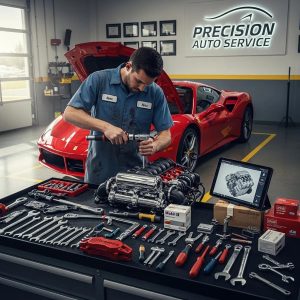
Several techniques can be employed to reduce costs in fleet maintenance operations. These include optimizing maintenance schedules, investing in quality parts, and training staff on best practices. For example, regular training can help technicians perform repairs more efficiently, reducing labor costs. Additionally, using high-quality parts can prevent frequent replacements, leading to long-term savings. By focusing on these cost reduction techniques, fleet managers can enhance their budget management and improve overall profitability.
Analyzing Maintenance Cost Estimates to Identify Savings
Analyzing maintenance cost estimates is crucial for identifying areas where savings can be achieved. Fleet managers should regularly review their maintenance expenses, comparing them against industry benchmarks to identify discrepancies. Tools such as cost analysis software can assist in this process, providing insights into spending patterns and highlighting areas for improvement. By understanding their maintenance costs better, fleet managers can make informed decisions that lead to significant savings over time.
What Are Best Practices for Fleet Maintenance Scheduling?
Establishing best practices for fleet maintenance scheduling is essential for ensuring that vehicles remain operational and safe. Effective scheduling can help mitigate common challenges faced by fleet managers.
Overcoming Common Scheduling Challenges in Fleet Maintenance
Common scheduling challenges in fleet maintenance include resource allocation, unexpected repairs, and conflicting priorities. To overcome these challenges, fleet managers should implement a flexible scheduling system that can adapt to changing circumstances. This may involve prioritizing critical maintenance tasks and ensuring that resources are available when needed. By addressing these scheduling challenges proactively, fleet managers can maintain a more efficient and reliable fleet.
Tools and Strategies for Efficient Maintenance Scheduling
Utilizing tools and strategies for efficient maintenance scheduling can significantly enhance fleet operations. Software solutions that offer automated scheduling, reminders, and reporting features can streamline the maintenance process. Additionally, employing a centralized maintenance management system can help track all maintenance activities, ensuring that nothing is overlooked. By leveraging these tools, fleet managers can improve scheduling efficiency and reduce the likelihood of unexpected downtime.
How Does Compliance and Safety Impact Fleet Maintenance?
Compliance and safety are paramount in fleet maintenance, as they directly affect operational efficiency and risk management. Ensuring that vehicles meet regulatory standards is essential for maintaining a safe fleet.
Ensuring Compliance Status in Fleet Maintenance Processes
Maintaining compliance with industry regulations is a critical aspect of fleet management. Fleet managers must ensure that all vehicles adhere to safety standards and undergo regular inspections. This involves keeping detailed records of maintenance activities and compliance checks. By prioritizing compliance, fleet managers can avoid costly fines and enhance the safety of their operations.
Safety Protocols to Minimize Vehicle Downtime and Risks
Implementing safety protocols is essential for minimizing vehicle downtime and reducing risks associated with fleet operations. Safety measures such as regular training for drivers and maintenance staff can help prevent accidents and ensure that vehicles are in optimal condition. Additionally, establishing clear safety guidelines can foster a culture of safety within the organization. By focusing on safety, fleet managers can protect their assets and maintain operational efficiency.
What Are Actionable Case Studies Demonstrating Maintenance Success?
Examining case studies can provide valuable insights into successful fleet maintenance strategies. These examples highlight the effectiveness of various approaches in real-world scenarios.
Recent Industry Statistics on Predictive Maintenance Benefits
Recent studies indicate that predictive maintenance can reduce maintenance costs by approximately 25-30% and increase equipment uptime by around 20%. These statistics underscore the importance of adopting predictive maintenance strategies in fleet management. By leveraging data analytics and real-time monitoring, fleet managers can achieve significant improvements in operational efficiency.
Examples of Downtime Reduction Through Fleet Maintenance Solutions
Several organizations have successfully implemented fleet maintenance solutions that resulted in substantial downtime reduction. For instance, a logistics company that adopted a comprehensive fleet management software saw a 20-25% decrease in vehicle downtime within the first year. These examples demonstrate the tangible benefits of investing in effective maintenance strategies and technologies.
Which FAQs Address Common Fleet Maintenance Concerns?
Addressing frequently asked questions about fleet maintenance can help clarify common concerns and provide valuable insights for fleet managers.
How to Reduce Fleet Downtime Effectively?
To reduce fleet downtime effectively, fleet managers should implement a combination of preventive maintenance, real-time monitoring, and efficient scheduling. By proactively addressing potential issues and ensuring that maintenance tasks are completed on time, organizations can minimize disruptions and maintain a reliable fleet.
What Are the Best Practices for Fleet Maintenance Scheduling?
Best practices for fleet maintenance scheduling include establishing a routine for regular inspections, utilizing maintenance management software, and training staff on the importance of adherence to schedules. By prioritizing these practices, fleet managers can enhance operational efficiency and reduce the likelihood of unexpected downtime.

Hannah Lang is a Social Media Marketing Specialist at Safety Track. She has her bachelor’s degree in Advertising and Public Relations from Grand Valley State University. With her passion for research, Hannah possesses a wealth of knowledge expanding across multiple industries and disciplines. Her efforts won her a Scholastic Art and Writing regional Gold Key award.