
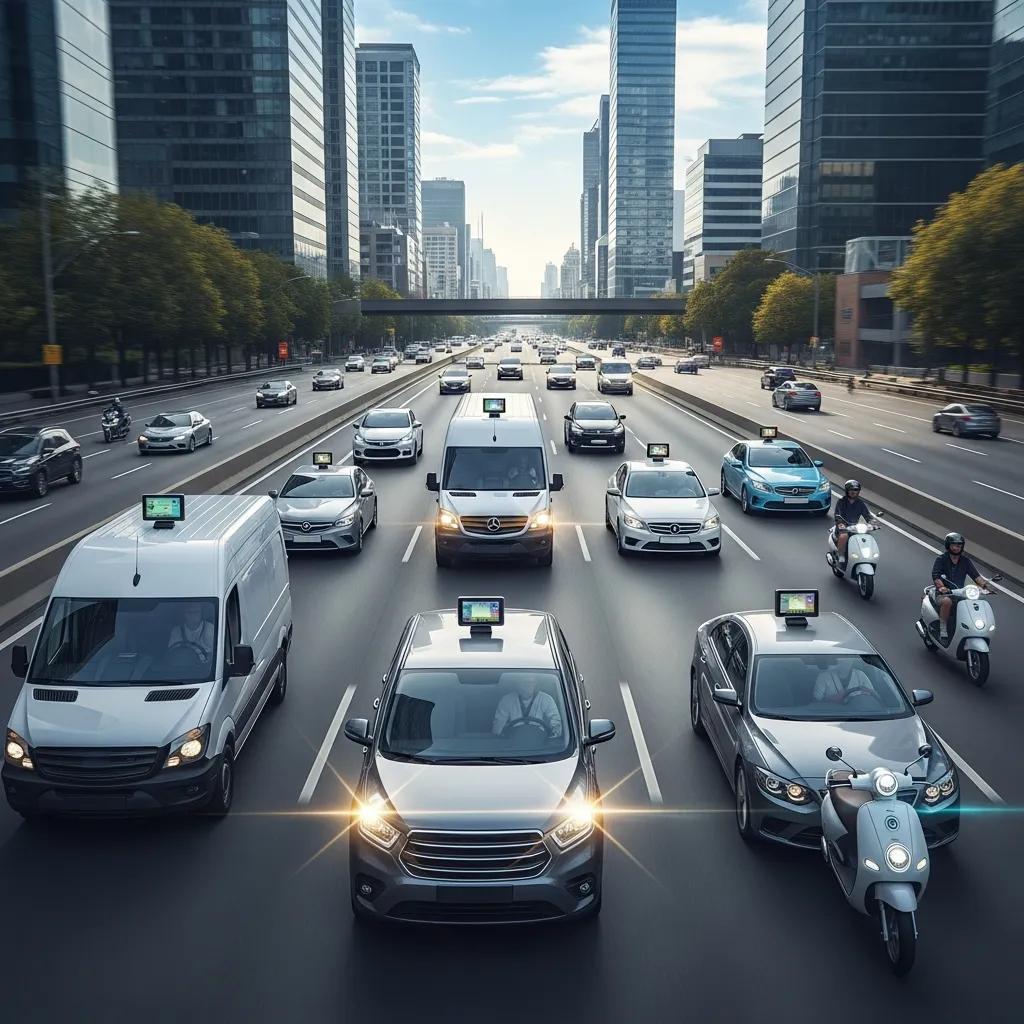
Transform Your Operations Using Fleet Vehicle Monitoring
Fleet Tracking Solutions That Boost Efficiency with Real-Time GPS and Driver Analytics
In the fast-paced world of logistics and transportation, fleet tracking solutions have emerged as essential tools for enhancing operational efficiency. These systems leverage real-time GPS tracking and driver behavior analytics to optimize fleet management, reduce costs, and improve safety. This article delves into how these technologies work, their benefits, and how businesses can implement them effectively. Fleet managers often face challenges such as high operational costs, inefficient routing, and safety concerns. By adopting advanced fleet tracking solutions, companies can address these issues head-on, leading to significant improvements in performance and profitability. We will explore key aspects such as real-time GPS vehicle tracking, driver behavior analytics, route optimization, and the integration of fleet management software with telematics solutions.
How Does Real-Time GPS Vehicle Tracking Improve Fleet Efficiency?
Real-time GPS vehicle tracking significantly enhances fleet efficiency by providing immediate visibility into fleet operations. This technology allows fleet managers to monitor vehicle locations, optimize routes, and respond swiftly to incidents. The result is a reduction in operational costs and improved service delivery. By utilizing GPS tracking, businesses can ensure that their vehicles are utilized effectively, leading to better resource management and increased productivity.
What Are the Key Features of Vehicle GPS Tracking Systems?
Vehicle GPS tracking systems come equipped with several key features that enhance fleet management. These include:
- Real-Time Tracking Capabilities: Fleet managers can monitor vehicle locations in real-time, allowing for immediate decision-making.
- Geofencing Features: Alerts can be set up for when vehicles enter or exit designated areas, enhancing security and compliance.
- Historical Data Analysis: Access to historical data helps in analyzing trends and improving future operational strategies.
These features collectively contribute to a more efficient and responsive fleet management system.
How Does Real-Time Fleet Monitoring Enhance Operational Control?
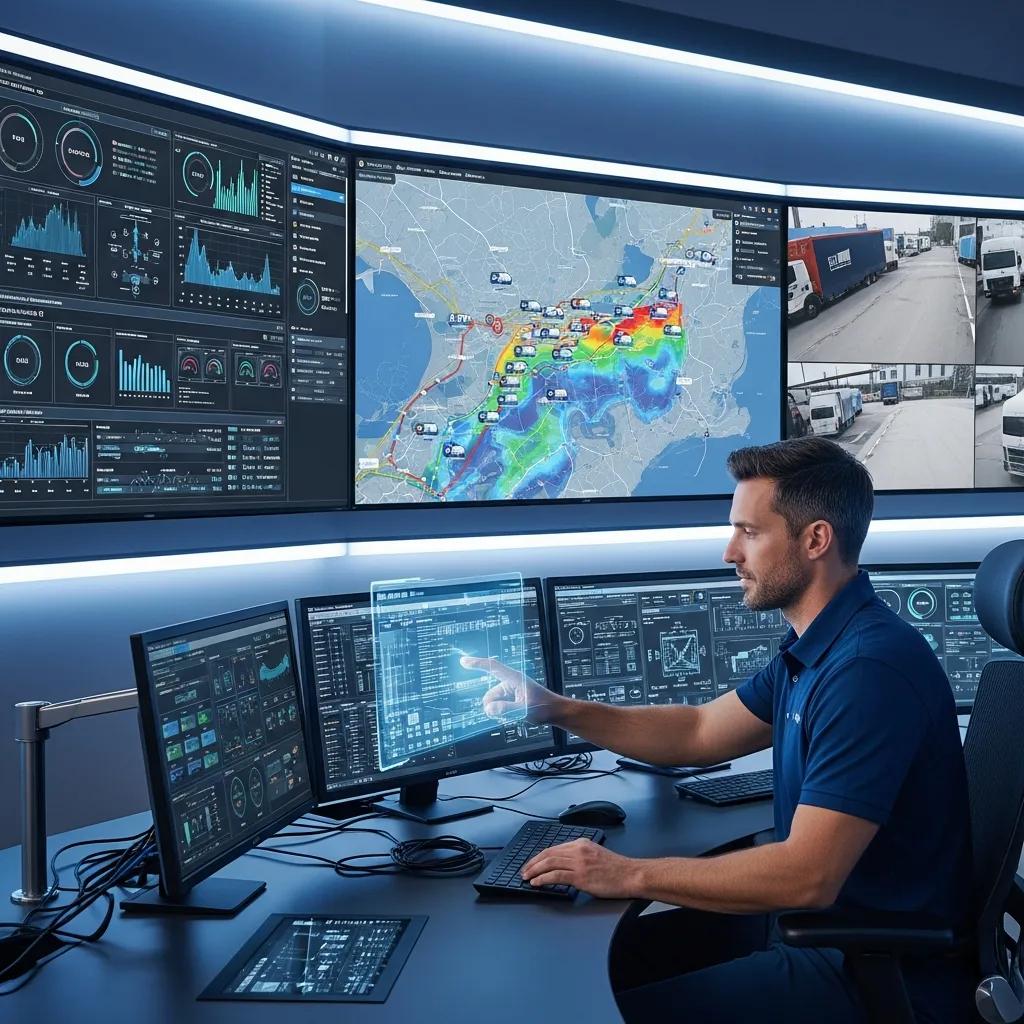
Real-time fleet monitoring enhances operational control by enabling immediate responses to incidents and improving decision-making processes. With access to live data, fleet managers can quickly address issues such as delays or vehicle malfunctions. This capability fosters increased accountability among drivers and ensures that operations run smoothly. For instance, if a vehicle deviates from its planned route, managers can intervene promptly, minimizing potential disruptions.
Fleet Tracking Solutions That Boost Efficiency with Driver Analytics
Driver behavior analytics plays a crucial role in enhancing fleet safety and reducing costs. By analyzing driving patterns, fleet managers can identify risky behaviors such as harsh braking, rapid acceleration, and excessive speeding. Addressing these behaviors not only improves safety but also leads to significant cost savings through reduced accident rates and lower insurance premiums.
How Can Driver Behavior Analytics Reduce Accident Risks?
Driver behavior analytics can effectively reduce accident risks by providing insights into driving habits. By identifying and addressing risky behaviors, fleet managers can implement targeted training programs for drivers. For example, feedback mechanisms can be established to inform drivers about their performance, encouraging safer driving practices. Studies have shown that fleets utilizing driver behavior analytics experience a notable decrease in accident rates, leading to safer roads and lower operational costs. To learn more about safer driving practices, check out our blog.
Which Driver Safety Features Are Essential in Fleet Telematics Solutions?
Essential driver safety features in fleet telematics solutions include:
- Collision Avoidance Systems: These systems alert drivers to potential collisions, allowing for timely corrective actions.
- Driver Fatigue Monitoring: Monitoring systems can detect signs of driver fatigue and provide alerts to prevent accidents.
- Real-Time Alerts: Immediate notifications about unsafe driving behaviors help in reinforcing safe practices.
Incorporating these features into fleet management systems enhances overall safety and efficiency.
How Does Route Optimization Contribute to Fuel Management and Cost Savings?
Route optimization is a critical component of effective fleet management, contributing significantly to fuel management and cost savings. By analyzing traffic patterns and road conditions, fleet management systems can determine the most efficient routes for vehicles. This not only reduces fuel consumption but also improves delivery times, leading to enhanced customer satisfaction.
What Techniques Are Used in Route Optimization for Fleet Management?
Several techniques are employed in route optimization for fleet management, including:
- Dynamic Routing: Adjusting routes in real-time based on current traffic conditions ensures timely deliveries.
- Predictive Analytics: Utilizing historical data to forecast traffic patterns helps in planning efficient routes.
- Historical Data Utilization: Analyzing past routes and performance metrics aids in refining future routing strategies.
These techniques collectively enhance the efficiency of fleet operations.
How Does Route Optimization Impact Fuel Efficiency and Delivery Times?
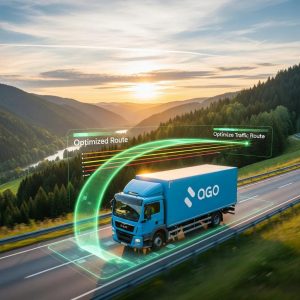
Route optimization has a profound impact on fuel efficiency and delivery times. By minimizing unnecessary mileage and avoiding congested areas, fleets can achieve significant fuel savings. For instance, companies that implement advanced route optimization strategies often report reductions in fuel consumption by up to 15-20%. Additionally, faster delivery times lead to improved customer satisfaction and loyalty, further enhancing business performance.
What Are the Benefits of Integrating Fleet Management Software with Telematics Solutions?
Integrating fleet management software with telematics solutions offers numerous benefits, including streamlined operations and enhanced data analysis. This integration allows for a comprehensive view of fleet performance, enabling better decision-making and resource allocation.
How Does Fleet Management Software Streamline Logistics Operations?
Fleet management software streamlines logistics operations by automating various tasks, such as scheduling and reporting. This automation reduces manual errors and saves time, allowing fleet managers to focus on strategic planning. Real-time data access also facilitates better communication among team members, ensuring that everyone is aligned with operational goals.
Which Features Should You Look for in Fleet Telematics Solutions?
When selecting fleet telematics solutions, consider the following essential features:
- User-Friendly Interface: A straightforward interface enhances usability for fleet managers and drivers alike.
- Integration Capabilities: The ability to integrate with existing systems ensures seamless operations.
- Scalability: Solutions should be scalable to accommodate future growth and changing business needs.
These features are vital for maximizing the effectiveness of fleet management systems.
How Can Compliance and Regulatory Tracking Improve Fleet Operations?
Compliance and regulatory tracking are essential for improving fleet operations. By ensuring adherence to industry regulations, fleet managers can avoid penalties and enhance safety standards. This proactive approach not only protects the company from legal issues but also fosters a culture of safety and compliance within the organization.
What Are the Key Compliance Requirements for Fleet Managers?
Key compliance requirements for fleet managers include:
- Driver Qualifications: Ensuring that all drivers meet necessary licensing and training standards.
- Vehicle Maintenance Standards: Regular inspections and maintenance to keep vehicles in safe operating condition.
- Record-Keeping Requirements: Maintaining accurate records of driver hours, vehicle maintenance, and compliance checks.
Adhering to these requirements is crucial for maintaining operational integrity.
How Do Fleet Tracking Solutions Help Meet Regulatory Standards?
Fleet tracking solutions assist in meeting regulatory standards by providing automated reporting and real-time compliance monitoring. These systems can generate reports that demonstrate adherence to safety regulations, making it easier for fleet managers to stay compliant. Additionally, alerts for non-compliance issues enable timely corrective actions, further ensuring that operations remain within legal boundaries.
What Recent Case Studies Demonstrate Efficiency Gains from Fleet Tracking Solutions?
Recent case studies highlight the efficiency gains achieved through the implementation of fleet tracking solutions. Companies across various industries have reported significant improvements in operational performance, cost savings, and safety metrics.
Which Industries Benefit Most from Advanced Fleet Tracking Technologies?
Industries that benefit most from advanced fleet tracking technologies include:
- Trucking Industry: Enhanced route planning and fuel management lead to substantial cost reductions.
- Construction Sector: Improved equipment tracking and resource allocation enhance project efficiency.
- Public Transportation: Real-time monitoring improves service reliability and customer satisfaction.
These industries leverage fleet tracking technologies to optimize their operations and achieve competitive advantages.
What Are the Measurable ROI Improvements from Using Safety Track Solutions?
Using Safety Track solutions, companies have reported measurable ROI improvements, including:
- Cost Savings: Reduction in fuel expenses and maintenance costs through optimized operations.
- Efficiency Metrics: Increased delivery speed and reduced downtime contribute to overall productivity.
- Customer Satisfaction Improvements: Enhanced service reliability leads to higher customer retention rates.
These metrics underscore the value of investing in advanced fleet tracking solutions.
How to Choose the Best Fleet Tracking Solution for Your Business Needs?
Choosing the best fleet tracking solution requires careful consideration of various factors. Fleet managers must assess their specific needs and evaluate potential solutions accordingly.
What Factors Should Fleet Managers Consider When Selecting GPS Tracking Systems?
When selecting GPS tracking systems, fleet managers should consider:
- Scalability: The solution should be able to grow with the business.
- User Support: Reliable customer support is essential for addressing issues promptly.
- Integration with Existing Systems: Compatibility with current software and hardware ensures seamless operations.
These factors are critical for ensuring that the chosen solution meets the organization’s long-term needs.
How Do Emerging Technologies Like AI Enhance Fleet Tracking?
Emerging technologies, particularly artificial intelligence (AI), enhance fleet tracking by providing advanced analytics and predictive capabilities. AI can analyze vast amounts of data to identify patterns and trends, enabling more informed decision-making. For instance, predictive maintenance powered by AI can forecast vehicle issues before they occur, reducing downtime and maintenance costs. As these technologies continue to evolve, they will play an increasingly vital role in optimizing fleet operations.
Further emphasizing the transformative power of AI, recent research highlights its comprehensive impact on various aspects of fleet management.
AI-Powered Real-Time Fleet Tracking & Telematics
This paper discusses the various changes AI has occasioned in the under-listed fields of fleet management: Real-time vehicle tracking, Telematics and compliance tracking. Real-time vehicle tracking systems using Artificial intelligence means that the fleet owner gains more control over the operations, enhancing planning on the right routes, fuel consumption, and possible theft cases. However, given that telematics has been incorporated into the usage of AI, the following advantages are offered: vehicle maintenance prediction, driver performance, and handling of fleets.
MAXIMIZE FLEET VALUE AND SAFETY WITH AI: REAL-TIME VEHICLE TRACKING, TELEMATICS AND COMPLIANCE SOLUTIONS: 10.55434/CBI. 2024.10103, VPK Kaluvakuri, 2024
What Structured Data and Visual Content Enhance Fleet Tracking Solution Pages?
Structured data and visual content are essential for enhancing fleet tracking solution pages. They improve SEO performance and user engagement, making it easier for potential customers to find relevant information.
How to Implement Schema.org Markup for Fleet Tracking Products and Services?
Implementing Schema.org markup for fleet tracking products and services involves:
- Identifying Relevant Schema Types: Choose appropriate schema types that align with the content.
- Adding Markup to HTML: Incorporate the markup into the website’s HTML code.
- Testing and Validation: Use testing tools to ensure the markup is correctly implemented.
This structured data helps search engines understand the content better, improving visibility in search results.
Which Visuals Best Illustrate Fleet Efficiency Gains?
Effective visuals that illustrate fleet efficiency gains include:
- Infographics: These can summarize key data points and benefits in an engaging format.
- Interactive Dashboards: Real-time data visualizations provide insights into fleet performance.
- Video Content: Demonstrations of fleet tracking solutions can effectively showcase their benefits.
Utilizing these visuals enhances user experience and engagement, making the information more accessible.
Jeff Stoker is the CEO and founder of Safety Track, a company he established in 2002. With over two decades of leadership in fleet management solutions, Jeff has guided Safety Track from a pioneering vision to a trusted industry leader. His innovative mindset and commitment to excellence continue to drive the company’s growth and impact.