

How to Cut Your Insurance Costs Effectively
How to Cut Your Insurance Costs Effectively
Reducing insurance costs is a critical concern for fleet managers looking to optimize their operational budgets. This article explores effective strategies to cut insurance costs while maintaining safety and compliance. By understanding the factors that influence fleet insurance premiums, fleet managers can implement targeted actions to achieve significant savings. The focus will be on practical methods, including the use of telematics technology, driver safety programs, and policy optimization strategies. Additionally, we will discuss how proactive risk management can lead to lower claims and insurance costs. Key sections will cover the impact of driver behavior, the role of telematics in monitoring safety, and best practices for managing insurance costs.
Effective strategies to reduce fleet insurance premiums
Implementing effective strategies to reduce fleet insurance premiums is essential for any fleet manager. Here are several approaches that can lead to significant savings: reduce fleet insurance costs.
- Utilizing Telematics: Telematics systems provide real-time data on vehicle usage and driver behavior, allowing for better risk assessment and management.
- Driver Training Programs: Comprehensive training for drivers can reduce accidents and improve safety records, which in turn can lower insurance premiums.
- Fleet Camera Systems: Installing camera systems in vehicles can provide evidence in case of accidents, helping to resolve claims more efficiently and potentially reducing costs.
These strategies not only help in cutting costs but also enhance overall fleet safety and efficiency.
What Key Factors Determine Fleet Insurance Premiums?
Understanding the factors that influence fleet safety premiums is crucial for effective cost management. Several key elements play a role in determining these costs:
- Risk Reduction Measures: Implementing safety measures can significantly lower premiums. Insurers often reward fleets that demonstrate proactive risk management.
- Telematics Data Impact: The data collected from telematics can provide insights into driving patterns and vehicle usage, which insurers consider when calculating premiums.
- Driver Behavior Monitoring: Monitoring driver behavior helps identify risky practices that could lead to accidents, allowing for targeted interventions.
By comprehensively understanding these factors, fleet managers can make informed decisions that lead to lower insurance costs.
Which Elements Determine Commercial Vehicle Insurance Costs?
Several elements determine the costs associated with commercial vehicle insurance. Key factors include:
- Implementation of Safety Tracking Solutions: Utilizing technology to track safety metrics can lead to lower premiums.
- Use of GPS Tracking: GPS tracking helps in monitoring vehicle locations and usage patterns, which can influence insurance rates.
- Driver Behavior Monitoring: Insurers assess driver behavior to determine risk levels, impacting the overall cost of insurance.
These elements highlight the importance of integrating technology and safety measures into fleet management practices.
How Does Driver Behavior Impact Insurance Premiums?
Driver behavior is a significant factor influencing insurance premiums. Insurers evaluate the risk associated with each driver, which can lead to varying premium rates. Key points include: driver behavior monitoring.
- Lower Risk to Insurers: Drivers with a clean driving record pose less risk, resulting in lower premiums.
- Fewer Accidents Lead to Discounts: Fleets that maintain a low accident rate can benefit from discounts on their insurance policies.
- Technologies that Provide Evidence: Utilizing technologies such as dash cameras can provide evidence in the event of an accident, helping to mitigate claims.
Understanding the impact of driver behavior allows fleet managers to implement strategies that promote safe driving practices.
How Can Telematics Technology Drive Significant Insurance Cost Savings?
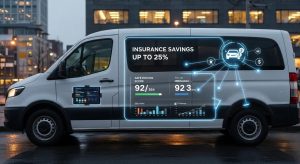
Telematics technology can lead to substantial savings on insurance costs through various mechanisms:
- Direct Insurance Savings: Many insurers offer discounts for fleets that utilize telematics, recognizing the reduced risk associated with monitored driving.
- Avoided Accident Costs: By providing real-time feedback to drivers, telematics can help prevent accidents, thereby reducing potential claims.
- Data-Driven Risk Management: The insights gained from telematics data allow for better risk management strategies, which can further lower insurance costs.
Telematics not only enhances safety but also serves as a valuable tool for cost reduction.
What Role Does Telematics Play in Monitoring and Improving Fleet Safety?
Telematics plays a crucial role in enhancing fleet safety through various functions:
- Real-Time Insights: Telematics systems provide real-time data on vehicle performance and driver behavior, enabling immediate corrective actions.
- Driver Accountability: By monitoring driving habits, telematics fosters accountability among drivers, encouraging safer practices.
- Proactive Maintenance: Telematics can alert fleet managers to maintenance needs, preventing breakdowns and accidents.
These features contribute to a safer fleet environment, which is essential for reducing insurance costs.
How Do Telematics Data Translate into Lower Insurance Premiums?
Telematics data can directly influence insurance premiums by demonstrating a commitment to safety. Key aspects include: insurance costs.
- Demonstrating Commitment to Safety: Insurers are more likely to offer lower premiums to fleets that can provide data showing safe driving practices.
- Usage-Based Insurance Models: Some insurers offer usage-based insurance, where premiums are based on actual driving behavior rather than estimates.
- Discounts for Safe Operations: Fleets that consistently demonstrate safe operations through telematics data can qualify for additional discounts.
By leveraging telematics data, fleet managers can negotiate better insurance rates.
Further research highlights how the integration of AI and telematics is fundamentally transforming the insurance industry, enabling more personalized and usage-based premium models.
AI & Telematics for Usage-Based Fleet Insurance
1. The insurance industry is undergoing a fundamental transformation driven by artificial intelligence (AI) and telematics technologies, enabling the shift from traditional risk pooling models to usage-based insurance (UBI) and personalized coverage frameworks. This paper examines how AI algorithms, including machine learning (ML) and deep learning (DL), combined with telematics data collection systems, are revolutionizing insurance pricing, risk assessment, and customer engagement. The integration of Internet of Things (IoT) devices, connected vehicles, and wearable sensors provides insurers with granular, real-time behavioral data that enables dynamic premium adjustment and individualized policy customization. Through comprehensive analysis of current implementations and emerging applications, this study explores the technical architecture of AI-enabled UBI systems, examines the transformation of actuarial practices through predictive analytics, and evaluates the implicat
From Usage-Based and Personalized Insurance Enabled by AI and Telematics, T Sun, 2025
What Are the Best Driver Safety Programs to Reduce Insurance Expenses?
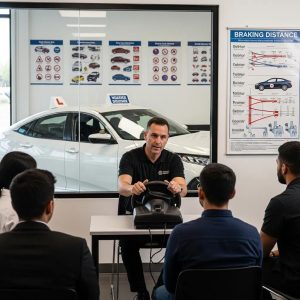
Implementing effective driver safety programs is essential for reducing insurance expenses. Some of the best programs include: cutting insurance costs.
- Comprehensive Training Programs: Regular training sessions can help drivers understand safe driving practices and the importance of compliance.
- Real-Time Monitoring Tools: Utilizing tools that provide real-time feedback on driving behavior can help correct unsafe practices immediately.
- Performance Analytics: Analyzing driver performance data allows for targeted interventions and improvements.
These programs not only enhance safety but also contribute to lower insurance costs.
How Do Driver Training and Behavior Monitoring Improve Fleet Risk Profiles?
Driver training and behavior monitoring are critical components of improving fleet risk profiles. Key benefits include:
- Promoting Accountability: Training programs instill a sense of responsibility among drivers, leading to safer driving habits.
- Reducing Accident Likelihood: Continuous monitoring helps identify and mitigate risky behaviors before they result in accidents.
- Improving Driving Habits: Regular feedback and training can lead to long-term improvements in driver behavior.
By focusing on driver training and monitoring, fleets can significantly enhance their risk profiles.
Which Safety Incentives Encourage Better Driving and Lower Claims?
Safety incentives can effectively encourage better driving practices and reduce claims. Some effective incentives include:
- Reward Safe Driving Habits: Implementing reward systems for safe driving can motivate drivers to maintain high safety standards.
- Driver Scorecards: Providing drivers with scorecards that track their performance can foster healthy competition and improvement.
- Real-Time Alerts: Sending alerts for unsafe driving behaviors can prompt immediate corrective actions.
These incentives create a culture of safety within the fleet, leading to lower insurance claims.
How Can You Optimize Insurance Policies to Maximize Cost Savings?
Optimizing insurance policies is essential for maximizing cost savings. Strategies include:
- Driver Behavior Monitoring: Regularly reviewing driver behavior can help identify areas for improvement and potential savings.
- Predictive Maintenance: Implementing predictive maintenance strategies can prevent costly repairs and accidents.
- Collaboration with Insurance Providers: Engaging with insurers to discuss policy options can lead to tailored solutions that meet specific fleet needs.
By optimizing policies, fleet managers can achieve significant cost reductions.
What Strategies Exist for Adjusting Insurance Deductibles Effectively?
Adjusting insurance deductibles can be a strategic move for fleet managers. Key strategies include:
- Understanding Deductible Impacts: Knowing how different deductible levels affect premiums can help in making informed decisions.
- Balancing Risk and Cost: Finding the right balance between deductible amounts and premium costs is crucial for financial planning.
- Adjusting Based on Claims History: Regularly reviewing claims history can inform decisions on deductible adjustments.
These strategies can lead to more effective insurance management.
How Does Insurance Bundling and Policy Selection Affect Premiums?
Insurance bundling and policy selection can significantly impact premiums. Important considerations include:
- Discounts for Bundled Policies: Many insurers offer discounts for bundling multiple policies, which can lead to overall savings.
- Choosing the Right Coverage: Selecting appropriate coverage levels ensures that fleets are adequately protected without overpaying.
- Impact of Policy Limits: Understanding how policy limits affect premiums can help in making strategic decisions.
By carefully selecting policies, fleet managers can optimize their insurance costs.
What Risk Management Practices Help Minimize Insurance Claims and Costs?
Implementing effective risk management practices is essential for minimizing claims and costs. Key practices include: risk management.
- Regular Maintenance Scheduling: Keeping vehicles well-maintained reduces the likelihood of accidents and breakdowns.
- Driver Coaching Programs: Providing ongoing coaching can help reinforce safe driving practices.
- Clear Safety Policies: Establishing and communicating clear safety policies ensures that all drivers understand expectations.
These practices contribute to a safer fleet and lower insurance costs.
How Does Proactive Fleet Risk Assessment Reduce Claim Frequency?
Proactive fleet risk assessment is vital for reducing claim frequency. Key benefits include:
- Real-Time Monitoring: Continuous monitoring allows for the early identification of potential risks.
- Identifying Risks Early: Addressing risks before they lead to incidents can significantly reduce claims.
- Minimizing Costs Associated with Claims: By preventing accidents, fleets can avoid the costs associated with claims and repairs.
Proactive assessments are a critical component of effective risk management.
What Are Best Practices for Insurance Claim Management?
Effective insurance claim management is essential for minimizing costs. Best practices include: fleet dash cam evidence
- Utilizing Fleet Camera Systems: Cameras can provide crucial evidence in the event of an accident, streamlining the claims process.
- Streamlining Claims Process: Establishing clear procedures for filing and managing claims can reduce delays and costs.
- Maintaining Compliance and Accountability: Ensuring compliance with safety regulations can prevent claims and enhance overall fleet safety.
These practices help in managing claims efficiently and effectively.
Which Industry Statistics and Case Studies Demonstrate Effective Insurance Cost Reduction?
Industry statistics and case studies provide valuable insights into effective insurance cost reduction strategies. Key findings include:
- AI Dash Cameras Impact: Studies show that fleets using AI dash cameras experience a significant reduction in accident rates.
- Case Studies of Successful Implementations: Many fleets have reported substantial savings after implementing comprehensive safety programs.
- Insurance Premium Adjustments: Data indicates that fleets that actively manage risk see lower premium adjustments over time.
These insights highlight the effectiveness of proactive strategies in reducing insurance costs.
A recent study further supports the significant impact of AI-driven interventions on reducing fleet accidents and associated insurance claims.
AI Nudges Reduce Fleet Accidents & Insurance Claims
ABSTRACT: AbstractFleet accidents cost the transportation industry billions of dollars each year. Traditional safety programs focus on analyzing crashes after they happen and retraining drivers. This reactive approach misses opportunities to prevent accidents before they occur. We examined whether real-time AI systems can reduce fleet accident rates by providing immediate feedback to drivers during risky situations. Our study tracked 340 commercial vehicles across six months, comparing accident rates between drivers who received AI-generated safety nudges and a control group using standard telematics. The intervention group showed a 31% reduction in preventable accidents and a 44% decrease in near-miss incidents. We also found that driver acceptance of the system improved significantly after the first two weeks of use. The economic analysis suggests potential savings of $8,400 per vehicle annually when accounting for reduced insurance claims, vehicle downtime, and liability costs. However
From Detect and Repair to Predict and Prevent: Assessing the Viability of Real-Time AI Nudges in Reducing Fleet Accident Rates, A Ubale, 2024
What Recent Data Support Telematics Impact on Insurance Savings?
Recent data supports the impact of telematics on insurance savings. Key points include:
- Insurance Discounts for Telematics: Many insurers offer discounts for fleets that utilize telematics, recognizing the reduced risk.
- Accident Reduction Rates: Fleets using telematics report lower accident rates, leading to fewer claims.
- Premium Incentives for Safety Programs: Insurers are increasingly offering incentives for fleets that implement safety programs supported by telematics data.
This data underscores the financial benefits of adopting telematics technology.
How Have Fleets Achieved 15-20% Insurance Premium Reductions?
Fleets have successfully achieved significant insurance premium reductions through various strategies. Key methods include:
- Installation of Fleet Camera Systems: Many fleets report reductions in premiums after installing camera systems that provide evidence in case of accidents.
- Driver Training Programs: Comprehensive training has led to improved safety records and lower premiums.
- Telematics Integration: Utilizing telematics has allowed fleets to demonstrate safe driving practices, resulting in premium discounts.
These strategies illustrate how proactive measures can lead to substantial savings.
How Can Fleet Managers Implement These Strategies for Sustainable Insurance Savings?
Fleet managers can implement several strategies for sustainable insurance savings. Key actions include:
- Prioritize Preventive Maintenance: Regular maintenance helps prevent accidents and costly repairs.
- Utilize AI Fleet Cameras: Implementing advanced camera systems can enhance safety and reduce claims.
- Establish Comprehensive Safety Policies: Clear policies ensure that all drivers understand safety expectations and practices.
By focusing on these strategies, fleet managers can achieve long-term savings.
What Are the Step-by-Step Actions to Integrate Telematics and Safety Programs?
Integrating telematics and safety programs involves several key steps:
- Implementing Telematics Systems: Choose a telematics provider that meets your fleet’s needs and install the necessary hardware.
- Training Staff on New Technologies: Ensure that all staff are trained on how to use telematics systems effectively.
- Monitoring and Adjusting Strategies: Regularly review telematics data to identify areas for improvement and adjust strategies accordingly.
These steps facilitate a smooth integration process and enhance overall fleet safety.
How Should Fleets Monitor and Adjust Insurance Strategies Over Time?
Monitoring and adjusting insurance strategies is essential for maintaining cost-effectiveness. Key practices include:
- Regularly Review Insurance Policies: Conduct periodic reviews of insurance policies to ensure they meet current needs.
- Engage in Driver Coaching: Ongoing coaching helps reinforce safe driving practices and reduce claims.
- Document and Analyze Claims: Keeping detailed records of claims can help identify trends and areas for improvement.
These practices ensure that fleets remain proactive in managing their insurance strategies.
What Resources and Tools Support Continuous Improvement in Insurance Cost Management?
Several resources and tools can support continuous improvement in insurance cost management. Key tools include:
- Real-Time GPS Tracking: GPS tracking systems provide valuable data for monitoring vehicle usage and driver behavior.
- Fleet Maintenance Alerts: Alerts for maintenance needs help prevent breakdowns and accidents.
- Data Analytics Tools: Utilizing analytics tools can help identify trends and inform decision-making.
These resources enhance the ability to manage insurance costs effectively.
Which Structured Data and Analytics Tools Enhance Insurance Savings Tracking?
Structured data and analytics tools play a crucial role in enhancing insurance savings tracking. Key tools include:
- Predictive Analytics Tools: These tools help forecast potential risks and costs, allowing for proactive management.
- Real-Time Monitoring Systems: Systems that provide real-time data on fleet performance can inform insurance strategies.
- Driver Behavior Analytics: Analyzing driver behavior data helps identify areas for improvement and potential savings.
These tools support effective tracking and management of insurance costs.
Where Can Fleet Managers Find Authoritative Industry Updates and Best Practices?
Fleet managers can find authoritative industry updates and best practices through various sources. Key resources include:
- Industry Reports and Case Studies: These provide insights into successful strategies and emerging trends.
- Ongoing Education Programs: Participating in educational programs can help fleet managers stay informed about best practices.
- Feedback from Fleet Personnel: Engaging with drivers and staff can provide valuable insights into operational challenges and solutions.
These resources are essential for staying current and implementing effective strategies in fleet management.
Jeff Stoker is the CEO and founder of Safety Track, a company he established in 2002. With over two decades of leadership in fleet management solutions, Jeff has guided Safety Track from a pioneering vision to a trusted industry leader. His innovative mindset and commitment to excellence continue to drive the company’s growth and impact.