

Benefits of GPS Asset Tracking Technology
Benefits of GPS Asset Tracking Systems for Fleet Management
GPS asset tracking technology has revolutionized the way businesses manage their fleets, providing real-time insights that enhance operational efficiency and reduce costs. This article delves into the myriad benefits of GPS asset tracking systems, particularly for fleet management, highlighting how these solutions can optimize operations, improve asset utilization, and enhance security. As companies face increasing pressure to streamline operations and reduce expenses, GPS tracking emerges as a vital tool in achieving these goals. We will explore how GPS tracking technology works, its key features, and the financial advantages it offers, along with insights into compliance and risk management.
How Does GPS Asset Tracking Technology Improve Fleet Operational Efficiency?
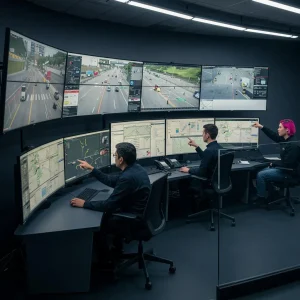
GPS asset tracking technology significantly enhances fleet operational efficiency by providing real-time monitoring of vehicle locations, optimizing routes, and reducing idle time. This technology allows fleet managers to track their vehicles’ movements, ensuring that they are utilized effectively and that resources are allocated efficiently. By analyzing data from GPS tracking systems, businesses can identify patterns in vehicle usage, leading to better scheduling and route planning. This not only minimizes fuel consumption but also improves delivery times, ultimately enhancing customer satisfaction.
For fleet managers, the integration of GPS tracking technology can lead to substantial operational improvements. Safety Track, a leader in GPS asset tracking solutions, offers tailored systems that help fleet managers monitor their vehicles in real-time, ensuring that they can respond quickly to any issues that arise. This proactive approach to fleet management not only enhances operational efficiency but also contributes to overall cost savings.
Further emphasizing the comprehensive benefits, research highlights how GPS-enabled systems enhance both operational efficiency and safety through real-time monitoring and asset management.
GPS Fleet Management: Enhancing Efficiency & Safety
The telepod is a real-time dispatch, tracking and vehicle management system developed by offers increased efficiency, asset tracking and more accurate maintenance. Productivity
Utilizing a GPS-enabled fleet management system to improve safety through real-time personnel monitoring and asset management, 2005
What Are the Key Features of Real-Time Asset Tracking Solutions?
Real-time asset tracking solutions come equipped with several key features that enhance their effectiveness in fleet management. These features include:
- Advanced Tracking Devices: High-quality GPS devices that provide accurate location data.
- Real-Time Monitoring Capabilities: Continuous updates on vehicle locations and status.
- Data Security Measures: Robust security protocols to protect sensitive information.
These features work together to provide fleet managers with comprehensive visibility into their operations, allowing for informed decision-making and improved asset management. The ability to monitor assets in real-time ensures that businesses can respond swiftly to any operational challenges, further enhancing efficiency.
The importance of real-time monitoring for mobile assets is further underscored by recent research, which highlights how GPS and IoT technologies are crucial for optimizing operations and ensuring safety.
Real-Time GPS & IoT for Mobile Asset Tracking
Moving assets, such as buses, trucks, and trains, are important productive assets, especially in the transport industry. Effective tracking of these assets is essential to optimize operations, ensure safety, and minimize costs. However, traditional tracking methods often lack real-time monitoring, which leads to inefficiencies and potential risks. This research proposes a mobile asset tracking system with a special focus on railway assets and leverages GPS technology for real-time positioning and IoT for data transmission to a cloud-based data center. A prototype of the system was successfully developed using hardware connected to a GPS device that continuously transmits location data.
Moving asset tracking using gps sensor and internet of things, S Suakanto, 2024
How Does Enhanced Asset Utilization Reduce Fleet Downtime?
Enhanced asset utilization is crucial for minimizing fleet downtime, which can significantly impact a company’s bottom line. By leveraging GPS tracking technology, fleet managers can ensure that vehicles are used optimally, reducing the likelihood of underutilization. Real-time tracking allows for better maintenance scheduling, as managers can monitor vehicle performance and identify when maintenance is due. This proactive approach helps prevent unexpected breakdowns and extends the lifespan of the fleet. To learn more, visit benefits of asset and trailer tracking.
Additionally, GPS tracking facilitates proactive resource allocation, ensuring that vehicles are dispatched efficiently based on demand. This not only reduces idle time but also maximizes the productivity of each vehicle in the fleet, leading to improved operational efficiency.
Boost Fleet Efficiency with GPS Asset Tracking Technology
The financial benefits of GPS fleet tracking technology are substantial, with many businesses reporting significant cost savings. Key areas where savings can be realized include:
- Fuel Savings: Optimized routes and reduced idle time lead to lower fuel consumption.
- Maintenance Cost Reductions: Proactive maintenance scheduling minimizes repair costs and extends vehicle life.
- Increased Productivity: Enhanced asset utilization translates to more deliveries and improved service levels.
To illustrate these savings, consider the following table comparing different aspects of cost savings associated with GPS fleet tracking technology:
These figures demonstrate the potential return on investment (ROI) that businesses can achieve by implementing GPS tracking solutions.
How Does GPS Tracking Lower Operational and Maintenance Costs?
GPS tracking lowers operational and maintenance costs through several mechanisms. By providing real-time data on vehicle performance, fleet managers can identify inefficiencies and address them promptly. For instance, monitoring driving behavior can lead to safer driving practices, reducing the risk of accidents and associated costs. Additionally, GPS tracking enables optimized routing, which minimizes fuel consumption and wear and tear on vehicles.
Predictive maintenance is another significant advantage of GPS tracking. By analyzing data from vehicles, fleet managers can anticipate maintenance needs before they become critical, thereby avoiding costly repairs and downtime. This proactive approach not only saves money but also enhances the overall reliability of the fleet.
What Metrics Demonstrate ROI in Asset Tracking Software Features?
To measure the return on investment from GPS asset tracking software, several key metrics can be utilized:
- Cost Savings from Theft Recovery: The ability to recover stolen vehicles quickly can save businesses thousands of dollars.
- Operational Improvements: Metrics such as reduced fuel consumption and increased delivery efficiency provide clear indicators of performance enhancements.
- Key Performance Indicators (KPIs): Tracking metrics like average delivery time and vehicle utilization rates can help assess the effectiveness of GPS tracking solutions.
By focusing on these metrics, businesses can gain a clearer understanding of the financial impact of their GPS tracking investments.
How Does GPS Asset Tracking Enhance Security and Theft Prevention for Vehicle Fleets?
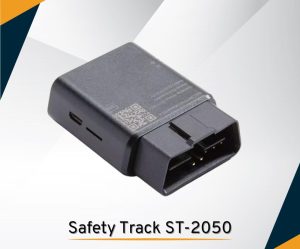
GPS asset tracking significantly enhances security and theft prevention for vehicle fleets. With real-time monitoring capabilities, fleet managers can receive immediate alerts if a vehicle deviates from its expected route or enters a restricted area. This geofencing feature allows for proactive measures to be taken in the event of potential theft prevention.
Moreover, the ability to track vehicles in real-time means that stolen assets can be recovered more quickly. Many businesses have reported successful recoveries of stolen vehicles due to the timely alerts provided by GPS tracking systems. This added layer of security not only protects valuable assets but also provides peace of mind for fleet managers.
What Technologies Enable Real-Time Theft Alerts and Recovery?
Several technologies enable real-time theft alerts and recovery in GPS asset tracking systems:
- GPS Tracking Devices: These devices provide accurate location data and can be hidden within vehicles to prevent tampering.
- Fleet Dash Cameras: Integrated cameras can capture video evidence in the event of theft or accidents, aiding in recovery efforts.
- Real-Time Notifications: Alerts sent to fleet managers when unauthorized movements are detected allow for immediate action.
These technologies work together to create a comprehensive security solution that enhances the safety of vehicle fleets.
How Does GPS Tracking Support Compliance and Risk Management?
GPS tracking supports compliance and risk management by providing fleet managers with the data needed to adhere to regulatory requirements. Real-time data on vehicle locations and driver behavior can be used to ensure compliance with transportation regulations, such as hours of service rules. This documentation is crucial for audits and can help avoid costly fines.
Additionally, GPS tracking enhances accountability within the fleet. By monitoring driver behavior, fleet managers can identify risky practices and implement training programs to improve safety. This proactive approach not only reduces the risk of accidents but also fosters a culture of safety within the organization.
How Does Integration with Fleet Management Software Maximize GPS Tracking Benefits?
Integrating GPS tracking with fleet management software maximizes the benefits of both systems. This integration allows for real-time visibility into fleet operations, enabling data-driven decision-making. Fleet managers can access comprehensive reports that analyze vehicle performance, driver behavior, and operational efficiency. Fleet management
Moreover, the integration facilitates cost reductions by streamlining processes. For instance, automated reporting can save time and reduce administrative burdens, allowing fleet managers to focus on strategic initiatives. This synergy between GPS tracking and fleet management software ultimately leads to improved operational outcomes.
What Are the Advantages of Seamless Software Compatibility?
Seamless software compatibility offers several advantages for businesses utilizing GPS asset tracking systems:
- Customization: Businesses can tailor their tracking solutions to meet specific operational needs.
- Integration Capabilities: Compatibility with existing systems ensures a smooth transition and minimizes disruptions.
- Efficiency: Streamlined processes reduce the time spent on data entry and reporting.
These advantages contribute to a more effective and efficient fleet management strategy, allowing businesses to leverage their GPS tracking systems fully.
How Do Advanced Analytics Improve Fleet Decision-Making?
Advanced analytics play a crucial role in improving fleet management decision-making. By analyzing data collected from GPS tracking systems, fleet managers can gain insights into vehicle performance, driver behavior, and operational efficiency. This data-driven approach enables informed decision-making that can lead to significant improvements in fleet operations.
For example, analytics can identify trends in fuel consumption, allowing managers to implement strategies to reduce costs. Additionally, understanding driver behavior through analytics can inform training programs aimed at enhancing safety and efficiency. This proactive approach to fleet safety ultimately leads to better outcomes for the fleet.
What Are the Latest Industry Trends and Statistics on GPS Asset Tracking Adoption?
The adoption of GPS asset tracking technology continues to grow, driven by advancements in technology and increasing demand for operational efficiency. Recent statistics indicate that the global GPS tracking market is expected to reach $2.4 billion by 2028, reflecting a compound annual growth rate (CAGR) of approximately 14%. This growth is fueled by the need for businesses to enhance visibility into their operations and improve asset management.
Moreover, industries such as logistics, transportation, and construction are leading the way in adopting GPS tracking solutions. As businesses recognize the benefits of real-time monitoring and data analytics, the trend towards GPS asset tracking is likely to continue.
How Has GPS Tracking Technology Evolved from 2024 to 2026?
From 2024 to 2026, GPS tracking technology has evolved significantly, with advancements in accuracy and integration capabilities. New features, such as enhanced geofencing and improved data analytics, have made GPS tracking systems more effective than ever. Additionally, the integration of artificial intelligence (AI) into tracking solutions has enabled predictive analytics, allowing fleet managers to anticipate issues before they arise.
Reflecting these advancements, recent research highlights how the integration of IoT and AI is transforming fleet management, enabling real-time optimization through predictive analytics and automation.
Smart Fleet Management: IoT & AI for Real-Time Optimization
The Internet of Things (IoT) and Artificial Intelligence (AI) have driven a paradigm shift in fleet management providing organizations to monitor, manage and even optimize their vehicle operations. This article presents an IoT and AI enabled framework for Smart Fleet Management, wherein real-time data, predictive analytics and automation are used for efficient, safe and green fleets. The IoT devices based in automobiles sense and collect data on the consumption of (fuel), engine diagnostics, environmental conditions, and driving behavior, sending this to a central virtual platform for analysis. Such AI systems analyze data for predictive maintenance, minimizing vehicle downtime and reducing maintenance costs by identifying potential faults. AI also routes better, ensuring vehicles travel efficient roads, have lower emissions and use less fuel, while ensuring timely deliveries.
Internet of things (IoT) and artificial intelligence (AI) enabled framework for smart fleet management, PR Potdar, 2025
These technological advancements have made GPS tracking an indispensable tool for fleet management, providing businesses with the insights needed to optimize operations and reduce costs.
What Case Studies Demonstrate Measurable Fleet Performance Improvements?
Several case studies illustrate the measurable performance improvements achieved through GPS asset tracking technology. For instance, a logistics company that implemented GPS tracking reported a 20% reduction in fuel costs within the first year. Another case study highlighted a construction firm that improved asset utilization by 25% through real-time monitoring and proactive maintenance scheduling.
These examples demonstrate the tangible benefits that GPS tracking can provide, reinforcing its value as a critical component of modern fleet management strategies.
What Are Common Questions About GPS Asset Tracking Systems?
Common inquiries about GPS asset tracking systems often revolve around their functionality and benefits. Key questions include:
- How accurate is GPS tracking?: GPS tracking systems typically offer accuracy within a few meters, ensuring reliable location data.
- Can GPS tracking help reduce costs?: Yes, by optimizing routes and improving asset utilization, GPS tracking can lead to significant cost savings.
- Is GPS tracking suitable for all industries?: GPS tracking is versatile and can be adapted for various industries, including logistics, construction, and transportation.
These questions reflect the growing interest in GPS asset tracking technology and its potential to transform fleet management.
How Does GPS Tracking Improve Fleet Efficiency?
GPS tracking improves fleet efficiency by providing real-time visibility into vehicle locations and performance. This visibility allows fleet managers to make informed decisions regarding routing, scheduling, and resource allocation. By optimizing these aspects of fleet management, businesses can reduce fuel consumption, minimize idle time, and enhance overall productivity.
Furthermore, GPS tracking enables better communication between drivers and fleet managers, ensuring that any issues can be addressed promptly. This collaborative approach to fleet management ultimately leads to improved operational efficiency and customer satisfaction.
What Are the Vehicle Tracking GPS Advantages for Different Industries?
Vehicle tracking GPS offers distinct advantages across various industries, including:
- Logistics: Enhanced route optimization and real-time tracking improve delivery efficiency.
- Construction: Improved asset utilization and maintenance scheduling reduce downtime.
- Transportation: Increased safety and compliance through real-time monitoring of driver behavior.
Jeff Stoker is the CEO and founder of Safety Track, a company he established in 2002. With over two decades of leadership in fleet management solutions, Jeff has guided Safety Track from a pioneering vision to a trusted industry leader. His innovative mindset and commitment to excellence continue to drive the company’s growth and impact.