

Transform Your Fleet Efficiency W/Real Time Tracking Systems
Transform Your Fleet Efficiency With Real-Time GPS Tracking Solutions
In the fast-paced world of logistics and transportation, optimizing fleet efficiency is crucial for businesses aiming to reduce costs and enhance service delivery. Real-time vehicle tracking systems have emerged as a transformative solution, enabling fleet managers to monitor their vehicles’ locations, performance, and driver behavior in real-time. This article delves into the core features, benefits, and best practices of implementing real-time tracking systems, providing insights into how they can significantly improve operational efficiency and return on investment (ROI). As businesses face challenges such as rising fuel costs and the need for improved accountability, real-time tracking offers a robust solution. We will explore various aspects, including customizable alerts, analytics, and the impact of GPS tracking on operational costs.
What Are the Core Features of Real-Time Vehicle Tracking Systems?
Real-time vehicle tracking systems are equipped with several core features that enhance fleet management. These features include:
- Real-time GPS Tracking: Provides live location updates, allowing fleet managers to monitor vehicle movements continuously.
- Driver Behavior Monitoring: Tracks driving patterns, including speed, braking, and acceleration, to promote safer driving habits.
- Engine Diagnostics: Monitors vehicle health and performance, alerting managers to potential issues before they escalate.
These features collectively contribute to improved fleet visibility and operational efficiency, making real-time tracking an essential tool for modern fleet management. Safety Track specializes in providing advanced real-time vehicle tracking systems designed to enhance fleet efficiency for businesses managing vehicle fleets such as trucking, construction, and automotive services.
How Does Real-Time GPS Tracking Enhance Fleet Visibility?

Real-time GPS tracking significantly enhances fleet visibility by providing accurate and timely information about vehicle locations and statuses. This technology allows fleet managers to:
- Enhance Operational Efficiency: By knowing the exact location of each vehicle, managers can make informed decisions about routing and scheduling.
- Improve Accountability: Real-time tracking holds drivers accountable for their actions, reducing instances of unauthorized vehicle use.
- Facilitate Dynamic Route Adjustments: In case of traffic delays or emergencies, managers can quickly reroute vehicles to ensure timely deliveries.
The ability to monitor fleet operations in real-time leads to better decision-making and improved service delivery.
Indeed, the choice of a robust fleet management system, efficient for real-time tracking, is paramount for achieving optimal operational efficiency.
Real-Time Fleet Tracking for Operational Efficiency
A view from an information technology perspective by the Head of IT concluded that the choice between FMS and TMS depends on current needs and future strategic direction, with FMS being efficient for real-time tracking and
Comparative Efficiency of Fleet Manangement System Versus Transportation Manangement System on Transportation Vehicle Tracking System Efficiency, 2023
What Customizable Alerts and Analytics Improve Fleet Management?
Customizable alerts and analytics are vital components of effective fleet management. These features allow fleet managers to receive notifications and insights that can drive operational improvements. Key aspects include:
- Real-time Alerts: Notifications for events such as speeding, harsh braking, or unauthorized vehicle use help managers address issues promptly.
- In-depth Performance Analytics: Detailed reports on vehicle performance and driver behavior provide insights into areas for improvement.
- Automated Maintenance Notifications: Alerts for scheduled maintenance help prevent breakdowns and extend vehicle lifespan.
By leveraging these tools, fleet managers can optimize operations and enhance overall fleet performance.
How Do Real-Time Tracking Systems Improve Fleet Efficiency and ROI?
Real-time tracking systems play a crucial role in improving fleet tracking systems efficiency and ROI. They achieve this through several mechanisms:
- Cost Reduction: By optimizing routes and reducing idle time, businesses can lower fuel expenses significantly.
- Increased Productivity: Real-time data allows for better scheduling and resource allocation, leading to higher productivity levels.
- Enhanced Safety: Monitoring driver behavior helps reduce accidents, which can lead to lower insurance premiums and liability costs.
The integration of real-time tracking systems can lead to substantial financial benefits, making them a worthwhile investment for fleet operators.
As various studies confirm, the effective management of GPS tracking systems is vital for optimizing transportation and achieving these benefits, including reduced costs and enhanced safety.
GPS Tracking for Fleet Efficiency & Cost Reduction
The management of GPS tracking systems plays a vital role in optimizing transportation systems and enhancing operational efficiency. GPS technology has revolutionized the way vehicles are tracked, monitored, and managed, enabling real-time visibility and effective decision-making. Effective management ensures accurate positioning and tracking of vehicles, efficient route planning, timely dispatching, and effective resource allocation. By adopting effective management practices, transportation systems can benefit from improved operational efficiency, reduced costs, enhanced safety, and better customer satisfaction.
Management of GPS tracking systems in transportation, R Verma, 2024
In What Ways Does GPS Tracking Reduce Operational Costs?
GPS tracking contributes to reducing operational costs in various ways:
- Optimizing Routes: By analyzing traffic patterns and road conditions, GPS tracking helps identify the most efficient routes, saving time and fuel.
- Minimizing Idle Time: Real-time tracking allows managers to monitor vehicle usage and reduce unnecessary idling, which can waste fuel.
- Improving Fuel Efficiency: By promoting better driving habits through monitoring, GPS tracking can lead to significant fuel savings.
These cost-saving measures are essential for businesses looking to enhance their bottom line.
How Does Route Optimization Boost Delivery Times and Fuel Management?
Route optimization is a critical benefit of GPS tracking that directly impacts delivery times and fuel management. Key advantages include:
- Reduced Travel Time: By selecting the most efficient routes, businesses can ensure timely deliveries, enhancing customer satisfaction.
- Lower Fuel Costs: Efficient routing minimizes fuel consumption, contributing to overall cost savings.
- Dynamic Adjustments: Real-time data allows for quick adjustments to routes based on traffic conditions or other unforeseen circumstances.
These factors collectively enhance operational efficiency and customer service.
Which Factors Should You Consider When Choosing a Fleet Tracking Solution?
When selecting a fleet tracking solution, several key factors should be considered:
- Scalability: Ensure the system can grow with your business needs.
- Integration Capabilities: Look for solutions that can integrate with existing fleet management software for seamless operations.
- User-friendly Operation: The system should be easy to use for all team members, minimizing training time.
Choosing the right solution is crucial for maximizing the benefits of fleet tracking technology.
What Features Differentiate Leading Vehicle GPS Tracking Technologies?
Leading vehicle GPS tracking technologies offer distinct features that set them apart from competitors. These include:
- Real-time Vehicle Monitoring: Continuous tracking provides up-to-the-minute information on vehicle locations.
- Advanced Analytics: In-depth data analysis helps identify trends and areas for improvement.
- User-friendly Management Interfaces: Intuitive dashboards make it easy for fleet managers to access critical information.
These features enhance the overall effectiveness of fleet management systems.
How Important Is Integration With Existing Fleet Management Software?
Integrating tracking systems with existing fleet management software is essential for maximizing operational efficiency. Key benefits include:
- Enhanced Operational Efficiency: Integration allows for a comprehensive view of fleet operations, streamlining processes.
- Comprehensive Data Analysis: Combining data from multiple sources provides deeper insights into fleet performance.
- Better Decision-Making: Access to integrated data enables fleet managers to make informed decisions quickly.
Seamless integration is a critical factor in the successful implementation of tracking systems.
How Can Real-Time Tracking Systems Enhance Driver Safety and Compliance?
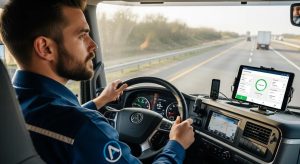
Real-time tracking systems significantly enhance driver safety and compliance through various mechanisms:
- Real-time Monitoring: Continuous tracking allows for immediate intervention in case of unsafe driving behaviors.
- Proactive Management: Fleet managers can address issues before they lead to accidents or violations.
- Improved Safety Protocols: Data from tracking systems can inform the development of better safety training programs.
These measures contribute to a safer driving environment and compliance with regulations.
What Role Does Driver Behavior Monitoring Play in Fleet Safety?
Monitoring driver behavior is crucial for enhancing fleet safety. Key aspects include: driver monitoring systems regulations.
- Identifying Risky Behaviors: Tracking systems can highlight unsafe driving patterns, allowing for targeted training.
- Promoting Safer Driving Habits: Feedback from monitoring can encourage drivers to adopt safer practices.
- Reducing Accident Rates: By addressing risky behaviors, businesses can lower the likelihood of accidents and associated costs.
Effective driver behavior monitoring is essential for maintaining a safe fleet.
How Do Tracking Systems Support Regulatory Compliance?
Tracking systems play a vital role in supporting regulatory compliance by:
- Real-time Monitoring: Continuous tracking ensures adherence to safety regulations and operational standards.
- Detailed Reports for Audits: Comprehensive data logs facilitate easier compliance audits and reporting.
- Ensuring Adherence to Safety Regulations: Tracking systems help maintain compliance with industry regulations, reducing the risk of penalties.
These features are essential for businesses operating in regulated industries.
What Are the Best Practices for Implementing Real-Time Fleet Tracking?
Implementing real-time fleet tracking requires careful planning and execution. Best practices include: best practices.
- Choose the Right Device: Select tracking devices that meet your specific operational needs.
- Proper Installation: Ensure devices are installed correctly to maximize functionality.
- Staff Training: Provide comprehensive training for staff to ensure effective use of the tracking system.
Following these best practices can lead to a successful implementation of tracking technology.
How Should Fleet Managers Integrate Tracking Systems Seamlessly?
Seamless integration of tracking systems involves several strategic steps:
- Choose the Right Device: Select devices that align with your fleet’s needs and existing systems.
- Proper Installation: Ensure that all devices are installed correctly to function optimally.
- Data Utilization: Train staff on how to effectively use the data generated by tracking systems for decision-making.
These steps are crucial for maximizing the benefits of real-time tracking.
What Are the Key Steps for Monitoring and Measuring Fleet Performance?
Monitoring and measuring fleet performance involves several key steps:
- Real-time Data Collection: Utilize tracking systems to gather data on vehicle performance and driver behavior.
- Driver Behavior Monitoring: Analyze driving patterns to identify areas for improvement.
- KPI Implementation: Establish key performance indicators to measure success and drive improvements.
These steps help ensure that fleet operations are continuously optimized.
What Do Case Studies Reveal About Real-Time Tracking Impact on Fleet Efficiency?
Case studies demonstrate the significant impact of real-time tracking on fleet efficiency. Key insights include: real-time tracking.
- Operational Visibility: Companies that implemented tracking systems reported improved visibility into fleet operations.
- Cost Reduction: Many businesses experienced substantial cost savings through optimized routing and reduced fuel consumption.
- Improved Decision-Making: Access to real-time data enabled better strategic decisions regarding fleet management.
These findings underscore the value of real-time tracking systems in enhancing fleet efficiency.
Which Industries Have Achieved Measurable Efficiency Gains?
Several industries have reported measurable efficiency gains through the use of real-time tracking systems, including:
- HVAC: Improved scheduling and routing have led to enhanced service delivery.
- Energy and Utility Companies: Real-time tracking has optimized resource allocation and reduced operational costs.
- Rail Transportation: Enhanced visibility into operations has improved safety and compliance.
These examples illustrate the broad applicability of tracking technology across various sectors.
What Testimonials Highlight the Benefits of Safety Track Solutions?
Testimonials from users of Safety Track solutions highlight significant benefits, including:
- 30% Reduction in Accidents: Users report a substantial decrease in accidents due to improved driver behavior monitoring.
- 30% Reduction in Fuel Costs: Businesses have achieved significant fuel savings through optimized routing.
- Improvements in Productivity: Enhanced visibility and data analysis have led to increased operational efficiency.
These testimonials reflect the positive impact of Safety Track’s solutions on fleet management.
What Are Common Questions About Real-Time Vehicle Tracking Systems?
Common questions regarding real-time vehicle tracking systems include:
- What are the features of basic tracking systems? Basic systems typically offer location tracking and basic reporting features.
- What are the benefits of real-time tracking? Real-time tracking provides enhanced visibility, improved safety, and cost savings.
- How accurate are tracking systems? Most modern tracking systems offer high accuracy, often within a few meters.
These questions highlight the importance of understanding the capabilities and benefits of tracking technology.
How Much Does Fleet Tracking Technology Typically Cost?
The cost of fleet tracking technology can vary based on several factors:
- Monthly Subscription Fees: Many providers charge a monthly fee for access to tracking services.
- Hardware Costs: Initial costs for tracking devices can vary depending on the technology used.
- Value for Investment: While costs can be significant, the potential savings and efficiency gains often justify the investment.
Understanding these costs is essential for businesses considering fleet tracking solutions.
Can Real-Time Tracking Reduce Fuel Consumption and Environmental Impact?
Real-time tracking can significantly reduce fuel consumption and environmental impact through:
- Route Optimization: Efficient routing minimizes fuel usage and emissions.
- Monitoring Driver Behavior: Encouraging safer driving habits can lead to lower fuel consumption.
- Sustainability Goals: Many businesses are adopting tracking technology as part of their commitment to sustainability.
These factors contribute to a more environmentally friendly approach to fleet management.
Further research underscores how advanced real-time tracking systems can even predict fuel consumption, leading to significant reductions in both costs and environmental impact. fuel efficiency.
Real-Time Fuel Prediction & GPS Tracking for Fleet Management
This article presents a novel approach for predicting fuel consumption in vehicles through a recurrent neural network (RNN) that uses only speed, acceleration, and road slope as input data. The model has been developed for real-time vehicle monitoring, route planning optimization, cost and emissions reduction and it is suitable for fleet-management purposes. Data have been acquired during typical daily missions, making use of an advanced connectivity platform, which features CANbus vehicle connection, GPS tracking, 4G/LTE – 5G connectivity, along with on-board data processing.
Real-time prediction of fuel consumption via recurrent neural network (rnn) for monitoring, route planning optimization and co2 reduction of heavy-duty vehicles, A Pandolfi, 2023
Conclusion
Implementing real-time GPS tracking solutions can dramatically enhance fleet efficiency by optimizing routes, reducing operational costs, and improving driver safety. These systems provide invaluable insights that empower fleet managers to make informed decisions, ultimately leading to increased productivity and customer satisfaction. By choosing the right tracking technology, businesses can unlock significant long-term benefits and a strong return on investment. Discover how our advanced tracking solutions can transform your fleet management today.
Jeff Stoker is the CEO and founder of Safety Track, a company he established in 2002. With over two decades of leadership in fleet management solutions, Jeff has guided Safety Track from a pioneering vision to a trusted industry leader. His innovative mindset and commitment to excellence continue to drive the company’s growth and impact.