
Fleet Camera Systems Deliver Significant Cost Savings
Fleet Camera Systems Deliver Significant Cost Savings
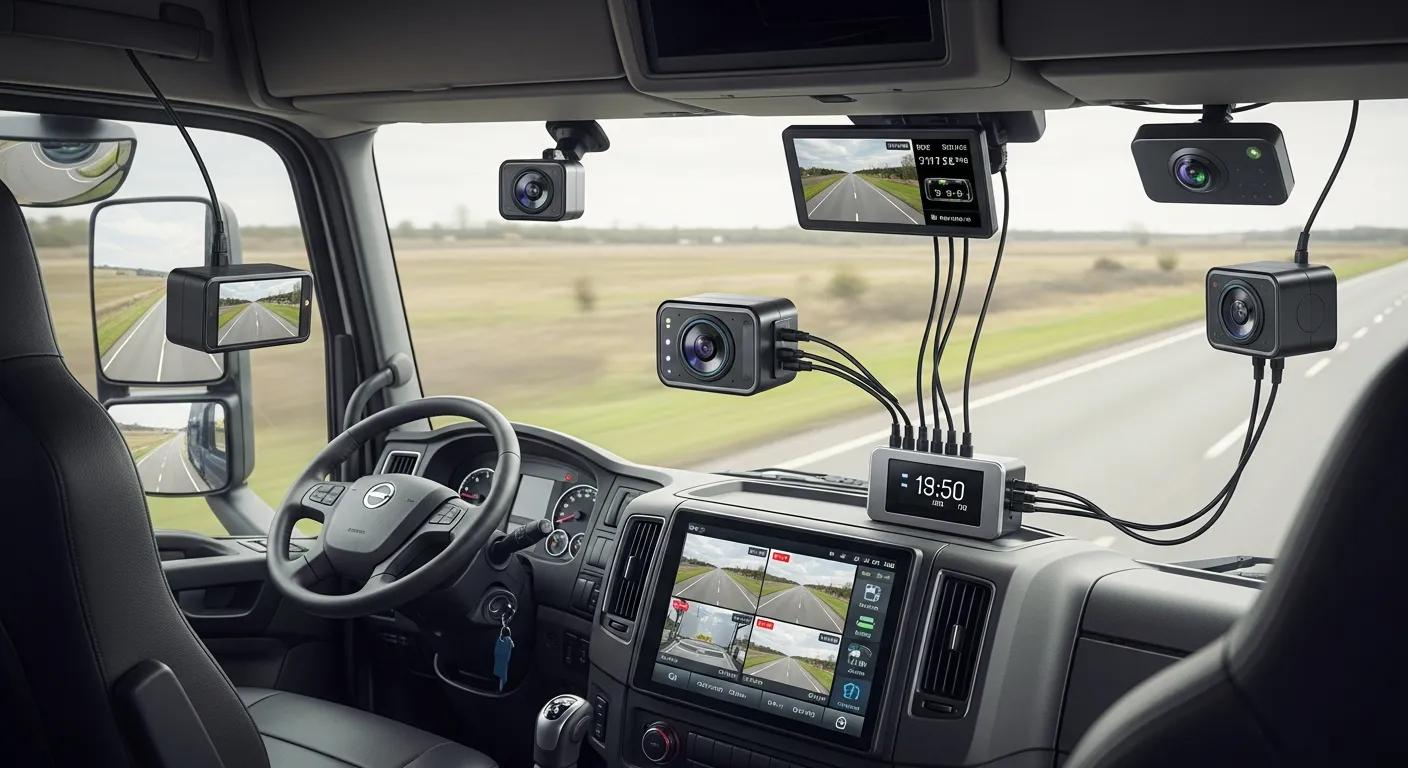
Fleet camera systems have emerged as a transformative technology for commercial fleets, significantly reducing operational costs while enhancing safety and efficiency. These systems utilize advanced video telematics to monitor driver behavior, optimize routes, and provide real-time insights into fleet operations. As businesses face increasing pressure to cut costs and improve safety, fleet camera systems offer a compelling solution that addresses both challenges. This article will explore how these systems contribute to cost savings, the features that enable these reductions, and the broader implications for fleet management.
How Do Fleet Camera Systems Reduce Operational Costs?
Fleet camera systems reduce operational costs through several mechanisms that enhance safety and efficiency. By providing real-time monitoring, these systems help prevent accidents, which can lead to costly repairs and insurance claims. Improved driver behavior, facilitated by continuous feedback from the cameras, also contributes to lower fuel consumption and maintenance costs. Furthermore, the integration of video telematics allows fleet managers to make data-driven decisions that optimize routes and reduce idle time, ultimately leading to significant savings.
For instance, studies have shown that fleets utilizing camera systems can reduce accident rates by up to 30%, translating into lower repair costs and insurance premiums. Additionally, the ability to monitor driver behavior in real-time encourages safer driving practices, which further decreases the likelihood of accidents and associated costs.
What Features Enable Cost Reduction in Fleet Surveillance?
Fleet camera systems come equipped with various features that directly contribute to cost savings. These features include: Fleet camera systems reducing insurance claims and premiums.
- GPS Tracking: Enables route optimization, reducing fuel consumption and travel time.
- Driver Behavior Analytics: Monitors and analyzes driving patterns to identify risky behaviors, allowing for targeted training.
- Maintenance Monitoring: Alerts fleet managers to potential vehicle issues before they become costly repairs.
These features work together to create a comprehensive surveillance system that not only enhances safety but also drives down operational costs.
The integration of these features into fleet operations allows businesses to maximize their savings while ensuring the safety of their drivers and vehicles.
How Does Real-Time Video Monitoring Improve Fleet Efficiency?
Real-time video monitoring significantly enhances fleet efficiency by providing immediate access to live video feeds from vehicles. This capability allows fleet managers to oversee operations closely, ensuring accountability among drivers and reducing disputes over incidents. The ability to review footage in real-time also facilitates quicker decision-making, enabling managers to respond to issues as they arise.
Moreover, real-time monitoring enhances operational oversight by allowing for the identification of inefficiencies in routes and driving behaviors. By addressing these inefficiencies promptly, fleets can improve their overall productivity and reduce costs associated with delays and accidents.
What Are the Insurance Savings from Implementing Fleet Safety Cameras?

Implementing fleet safety cameras can lead to substantial insurance savings for businesses. Insurance companies often reward fleets that demonstrate a commitment to safety with lower premiums. The presence of video evidence from safety cameras can also expedite claims processing, reducing the time and resources spent on resolving insurance claims.
Research indicates that fleets can achieve insurance premium reductions of 10-25% by integrating safety cameras into their operations. This financial incentive underscores the importance of adopting advanced safety technologies in fleet management.
How Do Fleet Cameras Lower Insurance Premiums?
Fleet cameras lower insurance premiums through several mechanisms. First, they provide objective records of incidents, which can help in the claims process and reduce the likelihood of fraudulent claims. Second, the data collected from these cameras can demonstrate improved safety records to insurance providers, leading to lower risk assessments and, consequently, lower premiums.
Additionally, safer driving practices encouraged by the use of fleet cameras contribute to a reduced risk profile for the fleet. This proactive approach to safety not only protects drivers but also enhances the overall financial health of the business.
What Statistics Support Insurance Discounts with Video Telematics?
Statistics support the financial benefits of video telematics in fleet management. Fleets that utilize these systems report premium reductions ranging from 10-25%. Furthermore, studies have shown that 54% of insured fleets receive discounts for implementing video telematics, highlighting the growing recognition of these technologies by insurance providers.
The financial implications of these statistics are significant, as they demonstrate the potential for fleets to save money while enhancing safety and operational efficiency.
How Does Driver Behavior Monitoring Enhance Fleet Safety and Savings?
Driver behavior monitoring is a critical component of fleet camera systems that enhances safety and contributes to cost savings. By providing real-time insights into driving patterns, fleet managers can identify high-risk behaviors such as speeding, harsh braking, and distracted driving. This information allows for targeted training and intervention, ultimately leading to safer driving practices.
The reduction in accident rates resulting from improved driver behavior translates directly into cost savings for businesses. Fewer accidents mean lower repair costs, reduced insurance premiums, and less downtime for vehicles, all of which contribute to a healthier bottom line.
Research further emphasizes the importance of proactive driver monitoring in preventing accidents and promoting safer driving habits.
Driver Monitoring for Accident Prevention & Safe Driving
One way to reduce these kinds of accidents would be through monitoring driver and driving behavior and alerting the driver when they are drowsy or in a distracted state. In addition, if it were possible to predict unsafe driving behavior in advance, this would also contribute to safe driving.
Various approaches for driver and driving behavior monitoring: A review, HB Kang, 2013
Which Driver Behaviors Are Tracked to Reduce Accident Rates?
- Speeding: Excessive speed increases the likelihood of accidents and severity of injuries.
- Harsh Braking: Sudden stops can indicate aggressive driving, which is often linked to accidents.
- Distracted Driving: Monitoring for distractions helps identify drivers who may be at risk of accidents.
By addressing these behaviors, fleet managers can implement training programs that focus on safe driving practices, further reducing the risk of accidents.
How Does Improved Driver Safety Translate to Cost Savings?
Improved driver safety translates to cost savings in multiple ways. First, a reduction in accidents leads to lower repair costs and less vehicle downtime. Second, safer driving practices often result in lower fuel consumption, as efficient driving reduces wear and tear on vehicles. Finally, enhanced safety can lead to lower insurance premiums, as insurers recognize the reduced risk associated with safer fleets.
The cumulative effect of these factors can result in significant financial benefits for businesses, making the investment in driver behavior monitoring a wise decision.
How to Install and Maintain Fleet Camera Systems Efficiently
When implementing fleet camera systems, businesses must consider both installation and maintenance aspects to ensure long-term cost efficiency. Professional installation is recommended to guarantee optimal camera placement and functionality. Additionally, regular maintenance is crucial for maintaining system performance and reliability.
What Are the Typical Installation Processes for Fleet Cameras?
- Planning Camera Placements: Strategically positioning cameras for optimal coverage of the vehicle’s surroundings.
- Testing Functionality: Ensuring that all cameras are operational before full deployment.
- Ongoing Support and Monitoring: Providing continuous support to address any issues that may arise post-installation.
These steps are essential for maximizing the effectiveness of fleet camera systems and ensuring that they deliver the expected cost savings.
How Does Maintenance Impact Long-Term Cost Efficiency?
Regular maintenance of fleet camera systems is vital for long-term cost efficiency. Proactive maintenance helps prevent costly breakdowns and ensures that the systems function optimally. Scheduling routine checks and updates can enhance overall productivity and profitability by minimizing downtime and maximizing the effectiveness of the surveillance systems.
Which Case Studies Demonstrate ROI from Fleet Camera Systems?
Several case studies illustrate the return on investment (ROI) from fleet camera systems. For example:
- A logistics provider reported a 30% decrease in claims after implementing a fleet camera system.
- A delivery company secured a 20% premium rebate from their insurance provider due to improved safety records.
- A service fleet reduced legal settlements by 25% through the use of video evidence in accident claims.
These examples highlight the tangible benefits that businesses can achieve by investing in fleet camera technology.
What Recent 2026 Data Shows Cost Reductions of 30-40%?
Recent studies from 2022 indicate that businesses utilizing fleet camera systems can achieve cost reductions of 30-40%. This data underscores the effectiveness of these systems in enhancing safety and operational efficiency. The correlation between improved safety records and reduced costs is clear, making a strong case for the adoption of fleet camera technology.
How Have Businesses Benefited from Safety Track Solutions?
Businesses that have implemented Safety Track solutions have experienced numerous benefits, including:
- Enhanced Employee Safety: Improved safety measures lead to a safer working environment for drivers.
- Improved Compliance with Regulations: Fleet camera systems help ensure adherence to safety regulations.
- Increased Operational Efficiency: Real-time monitoring and analytics contribute to more efficient fleet operations.
These benefits demonstrate the value of investing in advanced fleet management technologies.
What Are the Key Benefits of Logistics Fleet Video Monitoring?
Logistics fleet video monitoring offers several key benefits, including:
- Promotes Safe Driving Practices: Continuous monitoring encourages drivers to adhere to safe driving standards.
- Provides Real-Time Insights into Driver Behavior: Fleet managers can make informed decisions based on live data.
- Enhances Accountability and Reduces Disputes: Video evidence helps resolve conflicts and protects against false claims.
These advantages make video monitoring an essential component of modern fleet management.
How Does Video Monitoring Improve Fleet Risk Management?
Video monitoring improves fleet risk management by enabling real-time oversight of driver behavior and vehicle performance. This capability allows for immediate intervention in the event of unsafe driving practices, reducing the likelihood of accidents. Additionally, incident documentation provided by video footage protects against false claims, further enhancing risk management strategies.
What Operational Efficiencies Are Gained in Logistics Fleets?
Operational efficiencies gained through fleet management technologies include:
- Optimizing Vehicle Utilization: Ensuring that vehicles are used effectively to maximize productivity.
- Reducing Fuel Consumption: Implementing route optimization strategies to minimize fuel costs.
- Enhancing Maintenance Management: Proactively addressing maintenance needs to prevent breakdowns.
These efficiencies contribute to a more streamlined and cost-effective fleet operation.
How Can Businesses Maximize Savings with Integrated Fleet Surveillance?
To maximize savings with integrated fleet surveillance, businesses should consider the following strategies:
- Utilize GPS Tracking for Route Optimization: This reduces fuel costs and improves delivery times.
- Implement Preventive Maintenance Strategies: Regular checks can prevent costly repairs and downtime.
- Leverage Data Analytics for Decision Making: Analyzing data from fleet operations can identify areas for improvement.
By adopting these strategies, businesses can enhance their operational efficiency and achieve greater cost savings.
What Role Does Integration with Fleet Management Software Play?
Integration with fleet management software plays a crucial role in enhancing the effectiveness of fleet camera systems. Centralized data management improves efficiency by streamlining workflows and automating processes. This integration allows for better monitoring of safety-related aspects, ensuring that fleet operations remain compliant with regulations and best practices.
How Do Data Analytics Enhance Cost-Saving Decisions?
Data analytics enhance cost-saving decisions by providing actionable insights that improve operational efficiency. Predictive analytics can help prevent costly breakdowns by identifying potential issues before they escalate. Real-time data allows for better route optimization, further contributing to cost savings.
What Frequently Asked Questions Address Fleet Camera System Cost Benefits?
Several common questions arise regarding the cost benefits of fleet camera systems:
- Can fleet dash cams reduce insurance costs? Yes, many insurance providers offer discounts for fleets that implement safety cameras.
- What costs are associated with fleet camera installation? Installation costs can vary, but investing in professional installation ensures optimal performance.
- Do fleet cameras aid in accident investigations? Yes, video evidence from fleet cameras can provide crucial documentation during accident investigations.
These FAQs highlight the financial advantages of adopting fleet camera systems.
How Quickly Can Fleet Cameras Deliver Return on Investment?
Fleet cameras typically deliver a return on investment within 6 to 18 months. While some benefits may be realized within the first few months, full ROI is often achieved within 12 to 18 months. This timeframe underscores the long-term value of investing in fleet camera technology.
Are There Warranty and Support Options for Fleet Camera Systems?
Warranty and support options for fleet camera systems vary by product. Many manufacturers offer warranties that cover defects and provide support services for installation. Regular updates and maintenance are also typically included to ensure optimal system performance.
Jeff Stoker is the CEO and founder of Safety Track, a company he established in 2002. With over two decades of leadership in fleet management solutions, Jeff has guided Safety Track from a pioneering vision to a trusted industry leader. His innovative mindset and commitment to excellence continue to drive the company’s growth and impact.