

How to Cut Fleet Operational Costs Effectively
How to Cut Fleet Operational Costs Effectively
Reducing operational costs is a critical concern for fleet managers aiming to enhance profitability and efficiency. This article explores effective strategies to cut fleet operational costs, focusing on fuel management, driver behavior, maintenance scheduling, route optimization, and insurance management. By implementing these strategies, fleet operators can achieve significant savings while maintaining high service levels. The challenge lies in identifying the most effective methods tailored to specific fleet needs. This guide will provide actionable insights into each area, helping you make informed decisions that lead to cost reductions.
Fuel Management Strategies

Fuel management is a vital aspect of fleet operations, as fuel costs often represent a significant portion of overall expenses. Effective fuel management strategies can lead to substantial savings and improved operational efficiency. Implementing fuel-efficient driving practices, investing in fuel management systems, and monitoring fuel consumption are key components of a successful fuel management strategy.
Fuel-Efficient Driving Practices
Encouraging drivers to adopt fuel-efficient driving habits can lead to a noticeable reduction in fuel consumption. Techniques such as smooth acceleration, maintaining steady speeds, and minimizing idling can significantly enhance fuel efficiency. Training programs focused on these practices can empower drivers to contribute to cost savings.
Studies confirm the substantial impact of eco-driving practices on fuel consumption and the importance of driver education.
Eco-Driving Practices: Fuel Savings & Driver Behavior
reductions of 10–20% of fuel are possible without increasing trip times significantly. This study was conducted to understand whether people knew how to drive efficiently, whether they actually ever drove in an efficient manner and what ways there could be to influence people to drive more efficiently.
The road code: encouraging more efficient driving practices in New Zealand, MG Scott, 2018
Investing in Fuel Management Systems
Investing in advanced fuel management systems can provide real-time data on fuel usage, helping fleet managers identify inefficiencies. These systems can track fuel consumption patterns, detect fuel theft, and optimize refueling processes. By leveraging technology, fleets can make data-driven decisions that lead to reduced fuel costs.
Monitoring Fuel Consumption Effectively
Regular monitoring of fuel consumption is essential for identifying trends and anomalies. By analyzing fuel usage data, fleet managers can pinpoint areas for improvement and implement corrective measures. This proactive approach not only reduces costs but also enhances overall fleet performance.
Implementing these fuel management strategies can lead to significant cost reductions, making it a crucial area for fleet operators to focus on.
Driver Behavior Monitoring and Impact
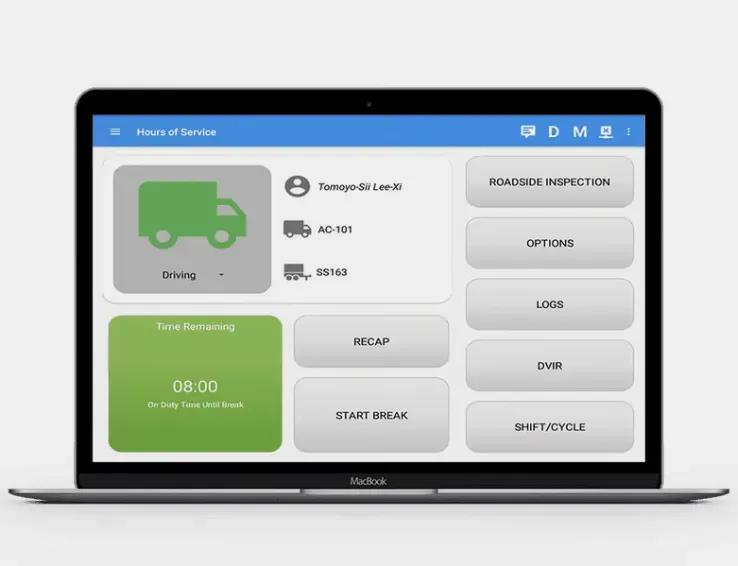
Monitoring driver behavior is another effective strategy for reducing fleet operational costs. Understanding how driver habits impact fuel consumption and overall efficiency can lead to targeted interventions that promote safer and more economical driving practices.
Impact of Driver Behavior on Fuel Consumption
Driver behavior has a direct correlation with fuel efficiency. Aggressive driving, frequent acceleration, and hard braking can lead to increased fuel consumption. By analyzing driving patterns, fleet managers can identify high-risk drivers and implement training programs to improve their habits.
Techniques for Monitoring and Improving Driver Habits
Utilizing telematics and driver behavior monitoring tools allows fleet managers to gather data on driving patterns. This information can be used to provide feedback to drivers, helping them understand how their actions affect fuel consumption and safety. Regular performance reviews and incentives for safe driving can further encourage positive behavior changes.
Benefits of Training Drivers in Efficient Driving
Training drivers in efficient driving techniques not only reduces fuel costs but also enhances safety and reduces wear and tear on vehicles. Programs that focus on eco-driving can lead to a more responsible driving culture within the fleet, ultimately contributing to lower operational costs.
For fleets looking to enhance their driver monitoring capabilities, Safety Track offers advanced telematics systems that provide real-time insights into driver behavior, helping to promote safer and more efficient driving practices.
Maintenance Scheduling and Downtime Reduction
Effective maintenance scheduling is crucial for minimizing vehicle downtime and ensuring operational efficiency. Preventive maintenance strategies can help fleets avoid costly repairs and extend the lifespan of their vehicles.
Importance of Preventive Maintenance
Preventive maintenance involves regular inspections and servicing of vehicles to identify potential issues before they escalate. This proactive approach can prevent breakdowns and reduce the likelihood of costly repairs, ultimately leading to lower operational costs.
Indeed, modern approaches like predictive maintenance offer even greater benefits in minimizing vehicle downtime and enhancing overall fleet performance.
Predictive Maintenance: Reduce Fleet Downtime & Operational Losses
Key findings indicate that predictive maintenance reduces fleet downtime by 50%, lowers operational losses, and enhances overall fleet performance and cost efficiency.
How predictive maintenance in logistics fleets is reducing equipment downtime and operational losses, M Celestin, 2023
Scheduling Techniques to Reduce Downtime
Implementing a structured maintenance schedule can help fleet managers plan for vehicle servicing without disrupting operations. Utilizing maintenance management software can streamline scheduling and ensure that vehicles are serviced at optimal intervals, reducing the risk of unexpected downtime.
Cost Benefits of Regular Maintenance
Regular maintenance not only extends the life of vehicles but also enhances their performance and fuel efficiency. By investing in preventive maintenance, fleets can achieve significant cost savings over time, making it a worthwhile investment.
Route Optimization Techniques
Optimizing routes is essential for improving fleet efficiency and reducing operational costs. By utilizing advanced routing techniques, fleet managers can minimize travel distances and enhance delivery times.
Dynamic Routing Based on Real-Time Data
Dynamic routing leverages real-time data to adjust routes based on traffic conditions, weather, and other factors. This approach allows fleets to avoid delays and reduce fuel consumption, leading to significant cost savings.
Further emphasizing the power of data, research highlights how advanced models can predict fuel consumption in real-time to optimize routes and reduce costs.
Real-Time Fuel Prediction for Fleet Route Optimization & Cost Reduction
ABSTRACT: This article presents a novel approach for predicting fuel consumption in vehicles through a recurrent neural network (RNN) that uses only speed, acceleration, and road slope as input data. The model has been developed for real-time vehicle monitoring, route planning optimization, cost and emissions reduction and it is suitable for fleet-management purposes.
Real-time prediction of fuel consumption via recurrent neural network (rnn) for monitoring, route planning optimization and co2 reduction of heavy-duty vehicles, A Pandolfi, 2023
Utilizing Telematics for Route Planning
Telematics systems can provide valuable insights into route performance, helping fleet managers identify inefficiencies and optimize routes accordingly. By analyzing historical data, fleets can develop more efficient routing strategies that enhance overall operational efficiency, as detailed in truck fleet data for optimal route planning.
Benefits of Efficient Route Management
Efficient route management not only reduces fuel costs but also improves customer satisfaction by ensuring timely deliveries. By focusing on route optimization, fleets can achieve a competitive advantage while minimizing operational expenses.
Insurance and Compliance Cost Management
Managing insurance and compliance costs is essential for maintaining a profitable fleet operation. By implementing effective strategies, fleet managers can reduce these expenses while ensuring compliance with regulations.
Strategies for Reducing Insurance Premiums
Fleets can lower insurance premiums by implementing safety programs, maintaining a clean driving record, and investing in driver training. These measures demonstrate a commitment to safety, which can lead to reduced insurance costs.
Compliance Measures to Avoid Fines
Staying compliant with regulations is crucial for avoiding fines and penalties. Regular audits and training can help ensure that all fleet operations adhere to legal requirements, ultimately reducing the risk of costly violations.
Cost Management Through Effective Budgeting
Effective budgeting is essential for managing operational costs. By analyzing expenses and identifying areas for improvement, fleet managers can develop strategies that lead to significant cost reductions.
By focusing on these key areas, fleet managers can implement effective strategies to cut operational costs and enhance overall efficiency. Safety Track provides fleet management solutions designed to improve operational efficiency and reduce costs for vehicle fleets, including advanced fleet tracking and telematics systems that offer real-time data on vehicle location, driver behavior, fuel consumption, and maintenance needs.
Frequently Asked Questions
What are the key benefits of implementing fuel management systems?
Fuel management systems offer numerous advantages for fleet operations. They provide real-time data on fuel consumption, enabling fleet managers to identify inefficiencies and optimize refueling processes. These systems can also detect fuel theft, which is crucial for minimizing losses. By leveraging technology, fleets can make informed, data-driven decisions that lead to significant cost reductions. Additionally, improved fuel management can enhance overall operational efficiency, contributing to a more sustainable and profitable fleet.
How can telematics improve driver behavior and safety?
Telematics systems play a vital role in enhancing driver behavior and safety by providing real-time data on driving patterns. Fleet managers can analyze this data to identify risky behaviors, such as aggressive driving or hard braking. By offering feedback and targeted training, fleets can encourage safer driving practices. Furthermore, telematics can facilitate performance reviews and reward systems, motivating drivers to adopt more responsible habits, ultimately leading to reduced accidents and lower operational costs.
What is predictive maintenance, and how does it benefit fleets?
Predictive maintenance is a proactive approach that uses data analytics to predict when vehicle maintenance should occur. By analyzing patterns and trends, fleet managers can schedule maintenance before issues escalate, significantly reducing vehicle downtime. This strategy not only extends the lifespan of vehicles but also enhances their performance and fuel efficiency. Research indicates that predictive maintenance can reduce fleet downtime by up to 50%, leading to substantial cost savings and improved operational efficiency.
How does route optimization contribute to cost savings?
Route optimization is essential for minimizing travel distances and improving delivery times, which directly contributes to cost savings. By utilizing advanced routing techniques and real-time data, fleet managers can adjust routes based on traffic conditions and other factors, avoiding delays and reducing fuel consumption. Efficient route management not only lowers operational expenses but also enhances customer satisfaction by ensuring timely deliveries, giving fleets a competitive edge in the market.
What strategies can fleets use to reduce insurance costs?
Fleets can implement several strategies to lower insurance premiums effectively. Establishing comprehensive safety programs, maintaining a clean driving record, and investing in driver training are crucial steps. These measures demonstrate a commitment to safety, which insurers often reward with lower premiums. Additionally, regular audits and compliance checks can help fleets avoid fines and penalties, further contributing to overall cost management and financial efficiency.
Why is monitoring driver behavior important for fleet management?
Monitoring driver behavior is critical for fleet management as it directly impacts fuel efficiency, safety, and overall operational costs. By analyzing driving patterns, fleet managers can identify high-risk behaviors that lead to increased fuel consumption and accidents. Implementing training programs based on this data can improve driver habits, resulting in safer driving and reduced wear and tear on vehicles. Ultimately, this proactive approach fosters a culture of responsibility and efficiency within the fleet.
What role does effective budgeting play in fleet cost management?
Effective budgeting is essential for managing operational costs in fleet management. By analyzing expenses and identifying areas for improvement, fleet managers can develop targeted strategies that lead to significant cost reductions. A well-structured budget allows for better allocation of resources, ensuring that funds are directed towards high-impact areas such as maintenance, fuel management, and driver training. This strategic approach not only enhances financial performance but also supports long-term sustainability and growth for the fleet.
Putting Fleet Cost Reduction Strategies into Action
Implementing effective strategies to cut fleet operational costs can lead to significant savings and enhanced efficiency for fleet managers. By focusing on fuel management, driver behavior, maintenance scheduling, route optimization, and insurance management, fleets can achieve a more profitable operation. The insights provided in this guide empower you to make informed decisions that drive cost reductions. Explore our fleet management solutions today to start optimizing your operations.
Jeff Stoker is the CEO and founder of Safety Track, a company he established in 2002. With over two decades of leadership in fleet management solutions, Jeff has guided Safety Track from a pioneering vision to a trusted industry leader. His innovative mindset and commitment to excellence continue to drive the company’s growth and impact.