
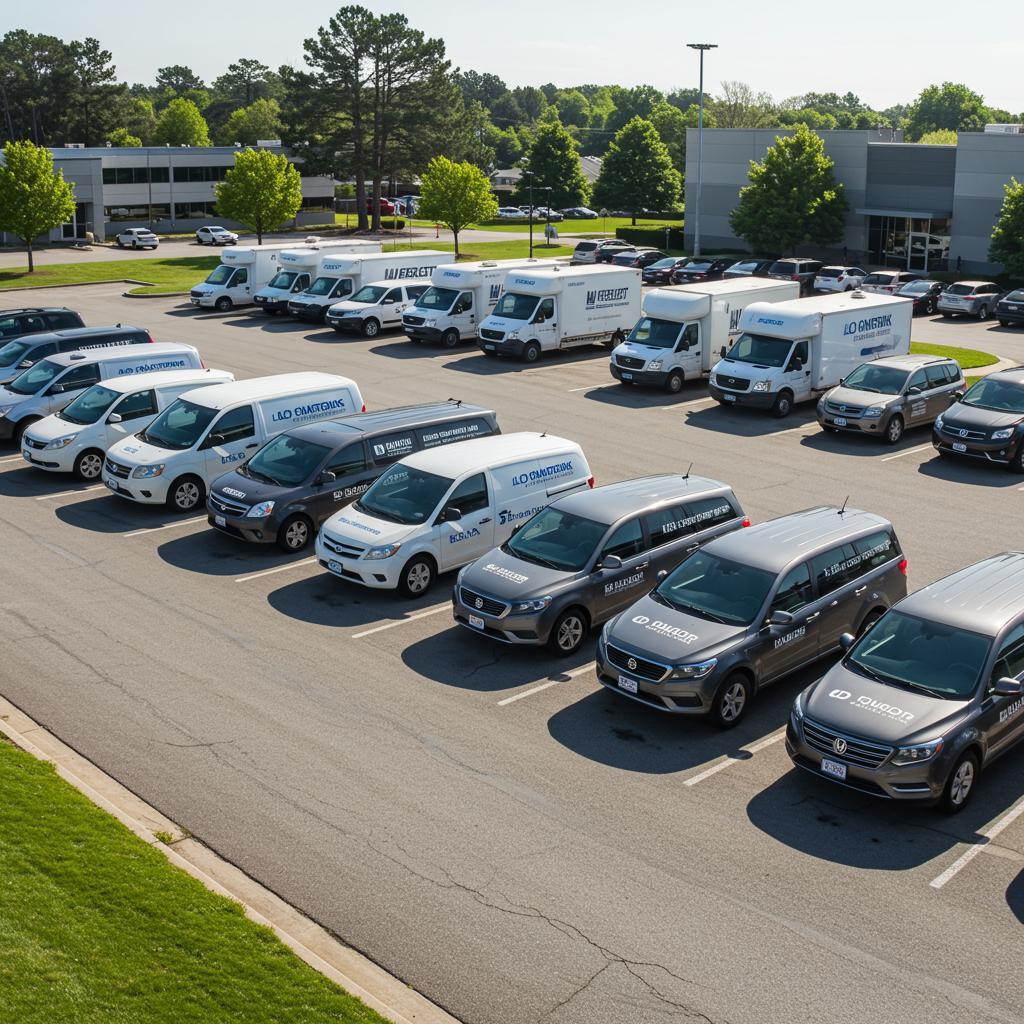
Discover the Top Advantages of AI Fleet Monitoring
Discover the Top Advantages of AI Fleet Monitoring
AI fleet monitoring is revolutionizing the way businesses manage their vehicle operations, offering a range of benefits that enhance efficiency, safety, and cost-effectiveness. This article delves into the top advantages of AI-powered fleet monitoring, highlighting how these technologies can transform fleet management for industries such as trucking, construction, and automotive services. Readers will learn about the mechanisms behind real-time tracking, predictive maintenance, and driver behavior analytics, as well as the measurable outcomes that can be achieved through these innovations. As companies face increasing pressure to optimize operations and reduce costs, AI fleet monitoring emerges as a critical solution. We will explore the comprehensive benefits of AI in fleet management, the technologies that enable these advancements, and how they can be integrated into existing systems.
The top advantages and comprehensive benefits of AI-powered fleet monitoring and management include:
AI-powered fleet monitoring systems provide numerous advantages that significantly enhance operational efficiency and safety. The primary benefits include: fleet management solutions.
- Higher Operational Efficiency: AI technologies streamline processes, reduce downtime, and optimize resource allocation, leading to improved productivity.
- Enhanced Driver Safety: By analyzing driver behavior and providing real-time feedback, AI systems help reduce accidents and promote safer driving practices.
- Predictive Maintenance: AI-driven predictive maintenance tools forecast potential vehicle issues before they become critical, minimizing unexpected breakdowns and repair costs.
These advantages illustrate how AI fleet monitoring not only improves day-to-day operations but also contributes to long-term strategic goals.
Indeed, comprehensive frameworks integrating AI and IoT further underscore how these technologies drive efficiency, safety, and sustainability in fleet operations.
AI & IoT for Smart Fleet Management: Predictive Maintenance & Safety
The Internet of Things (IoT) and Artificial Intelligence (AI) have driven a paradigm shift in fleet management providing organizations to monitor, manage and even optimize their vehicle operations. This article presents an IoT and AI enabled framework for Smart Fleet Management, wherein real-time data, predictive analytics and automation are used for efficient, safe and green fleets. Such AI systems analyze data and pick up the pattern which helps for predictive maintenance, which is a core part of this architecture that helps minimize vehicle downtime and reduces maintenance costs. The AI also routes better, ensuring vehicles travel down the most efficient roads, have lower emissions and use less fuel, while still ensuring timely deliveries. The proposed architecture also gives the safety of its Advanced Driver Assistance Systems (ADAS) by detecting dangerous driving actions and reactions.
Internet of things (IoT) and artificial intelligence (AI) enabled framework for smart fleet management, PR Potdar, 2025
How Does AI Fleet Monitoring Enhance Real-Time Vehicle Tracking and Location Accuracy?

AI fleet monitoring enhances real-time vehicle tracking through advanced data analytics and machine learning algorithms. By continuously analyzing telemetry data from GPS tracking systems, AI can provide precise location updates and movement patterns. This capability allows fleet managers to monitor vehicle status in real-time, ensuring timely responses to any issues that may arise. The integration of predictive algorithms further enhances location accuracy, enabling proactive management of fleet resources.
What Technologies Enable Precise AI Vehicle Tracking Systems?
Several key technologies underpin AI vehicle tracking systems, including:
- Advanced AI Capabilities: Machine learning algorithms analyze vast amounts of data to improve tracking accuracy and operational insights.
- GPS Tracking: Global Positioning System technology provides real-time location data, essential for effective fleet management.
- AI-Powered Dashcams: These devices capture video footage and analyze driver behavior, contributing to safety and compliance efforts.
These technologies work together to create a comprehensive tracking solution that enhances operational visibility.
How Does Real-Time Tracking Improve Operational Visibility and Decision-Making?
Real-time tracking significantly improves operational visibility by providing continuous data on asset status. Fleet managers can make informed decisions based on up-to-date information, allowing for proactive responses to issues such as delays or vehicle malfunctions. This enhanced visibility also facilitates optimized resource allocation, ensuring that vehicles are utilized efficiently and effectively.
In What Ways Does AI-Driven Driver Behavior Analytics Improve Fleet Safety?

AI-driven driver behavior analytics play a crucial role in enhancing fleet safety by monitoring and analyzing various driving metrics. These systems provide real-time feedback to drivers, helping them adjust their behavior to reduce risks. By identifying patterns of unsafe driving, fleet managers can implement targeted training programs to improve overall safety.
Advanced AI-powered driver monitoring systems are specifically designed to continuously assess driver behavior, fatigue, and distractions, providing real-time alerts for enhanced road safety.
AI Driver Monitoring for Enhanced Fleet Safety & Efficiency
This paper presents an advanced AI-powered Driver Monitoring System designed to continuously assess driver behavior, fatigue, distractions, and emotional state across various driving conditions. By providing real-time alerts and insights to vehicle owners, fleet operators, and safety personnel, the system significantly enhances road safety. The system integrates lightweight AI/ML algorithms, image processing techniques, perception models, and rule-based engines to deliver a comprehensive monitoring solution for multiple transportation modes, including automotive, rail, aerospace, and off-highway vehicles.
AI-Powered Intelligent Cognitive Lens for Driver Monitoring for Safe Transportation and Increased Fleet Efficiency Abstract, 2026
Which Driver Behavior Metrics Are Monitored by AI Systems?
AI systems monitor several key driver behavior metrics, including:
- Drowsy or Distracted Driving: Identifying signs of fatigue or inattention to prevent accidents.
- Unsafe Following Distances: Monitoring distance between vehicles to promote safe driving practices.
- Aggressive Acceleration: Analyzing acceleration patterns to reduce wear and tear on vehicles.
These metrics are essential for creating a safer driving environment and reducing accident rates.
How Does AI Reduce Accidents and Enhance Compliance Through Behavior Analysis?
AI reduces accidents by providing real-time monitoring and predictive analytics that identify risky behaviors. By alerting drivers to unsafe practices, AI systems encourage compliance with safety regulations. This proactive approach not only enhances safety but also helps fleets maintain compliance with industry standards.
How Does Predictive Maintenance Powered by AI Reduce Fleet Downtime and Costs?
Predictive maintenance powered by AI significantly reduces fleet downtime by forecasting maintenance needs before they become critical. By analyzing historical data and real-time telemetry, AI systems can schedule maintenance proactively, minimizing unexpected breakdowns and associated costs. This approach leads to more efficient fleet management and lower overall maintenance expenses.
This proactive approach is further supported by research demonstrating how AI-driven predictive maintenance fundamentally transforms fleet management from a reactive cost center into a strategic advantage.
AI-Driven Predictive Maintenance for Proactive Fleet Management
This data-centric framework fundamentally transforms fleet management operations by converting maintenance from a reactive cost center to a proactive strategic advantage.
Integrating AI-Driven Predictive Maintenance with Telematics: A Data-Centric Approach, PD Gawande, 2025
What Predictive Analytics Techniques Forecast Maintenance Needs?
Several predictive analytics techniques are employed to forecast maintenance needs, including:
- Real-Time Vehicle Data Collection: Continuous monitoring of vehicle performance metrics to identify potential issues.
- Data Analysis Through Telematics Software: Utilizing advanced software to analyze data trends and predict maintenance requirements.
- Automated Alerts: Generating alerts for fleet managers when maintenance is due or when anomalies are detected.
These techniques ensure that maintenance is performed at optimal times, enhancing vehicle reliability.
How Do AI Alerts Optimize Maintenance Scheduling and Cost Savings?
AI alerts optimize maintenance scheduling by predicting when maintenance is needed and allowing repairs to be scheduled during off-peak times. This proactive approach not only reduces costs associated with emergency repairs but also extends the lifespan of vehicles. By minimizing downtime, fleets can operate more efficiently and save on overall maintenance expenses.
What Are the Fuel Efficiency and Cost Reduction Benefits of AI Fleet Monitoring?
AI fleet monitoring contributes to fuel efficiency and cost reduction through various mechanisms. By analyzing fuel consumption patterns, AI systems can identify opportunities for savings, such as optimizing routes and improving driver behavior. These insights lead to significant reductions in fuel expenses and overall operational costs. For more information on this topic, visit AI Fleet Monitoring Solutions.
How Does AI Analyze Fuel Consumption to Identify Savings Opportunities?
AI analyzes fuel consumption by monitoring various factors, including:
- Idle Time Monitoring: Identifying periods when vehicles are idling unnecessarily, leading to fuel waste.
- Route Optimization: Suggesting the most efficient routes to minimize fuel consumption.
- Fuel Consumption Reports: Providing detailed reports on fuel usage to identify trends and areas for improvement.
These analyses enable fleet managers to implement strategies that enhance fuel efficiency.
What Impact Does AI Fleet Optimization Have on Overall Operational Costs?
AI fleet optimization has a profound impact on overall operational costs by reducing fuel expenses, enhancing maintenance scheduling, and improving resource allocation. By leveraging AI technologies, fleets can operate more efficiently, leading to lower costs and increased profitability. For more details, visit AI fleet monitoring solutions.
How Can AI Fleet Monitoring Integrate with Existing Fleet Management Systems?
AI fleet monitoring can seamlessly integrate with existing fleet management systems through telematics and IoT technologies. This integration allows for real-time monitoring and automated decision-making, enhancing the overall effectiveness of fleet operations. By leveraging existing infrastructure, companies can adopt AI solutions without significant disruptions.
What Are the Compatibility Considerations for AI and Telematics Integration?
When integrating AI with telematics, several compatibility considerations must be addressed:
- Integration Capabilities: Ensuring that existing systems can support AI technologies.
- Open APIs: Utilizing open application programming interfaces to facilitate data exchange between systems.
- Data Management: Implementing robust data management practices to handle the increased volume of data generated by AI systems.
These considerations are crucial for successful integration and maximizing the benefits of AI fleet monitoring.
How Does Integration Enhance Scalability and Reporting Capabilities?
Integration of AI fleet monitoring with existing systems enhances scalability and reporting capabilities by providing comprehensive data insights. Open APIs and customizable telematics platforms allow for tailored fleet management solutions that can grow with the business. This flexibility enables companies to adapt to changing operational needs and improve reporting accuracy.
What Are the Key Features of Smart AI-Powered Fleet Monitoring Solutions?
Smart AI-powered fleet monitoring solutions offer several key features that enhance fleet management, including:
- Real-Time Tracking: Continuous monitoring of vehicle locations and statuses.
- AI Analytics: Advanced analytics capabilities that provide insights into fleet performance.
- Driver Behavior Monitoring: Tools to assess and improve driver safety and compliance.
These features are essential for effective fleet management and operational efficiency.
Which AI Analytics and Reporting Dashboards Support Fleet Managers?
AI analytics and reporting dashboards provide fleet managers with essential tools for decision-making. Key features include:
- Real-Time Video and GPS Tracking: Visualizing vehicle locations and behaviors in real-time.
- AI-Enhanced Dash Cams: Offering insights into driver behavior and safety incidents.
- Trend Analysis and Driver Scorecards: Evaluating driver performance over time to identify areas for improvement.
These dashboards empower fleet managers to make data-driven decisions that enhance operational efficiency.
How Do Customizable Alerts and Data Visualizations Improve Fleet Oversight?
Customizable alerts and data visualizations improve fleet oversight by providing tailored notifications and interactive dashboards. Fleet managers can set specific parameters for alerts, ensuring they receive timely information about critical issues. This proactive approach enables better management of fleet resources and enhances overall operational effectiveness.
How Do AI Fleet Monitoring Solutions Support Compliance and Regulatory Requirements?
AI fleet monitoring solutions support compliance and regulatory requirements by providing real-time alerts and automated reporting capabilities. These systems monitor driver behavior and vehicle performance to ensure adherence to industry regulations. By facilitating documentation and reporting for regulatory audits, AI technologies help fleets maintain compliance and avoid penalties.
What Compliance Metrics Are Tracked Using AI Technologies?
AI technologies track several compliance metrics, including:
- Hours of Service Regulations: Monitoring driver hours to ensure compliance with legal limits.
- Vehicle Maintenance Schedules: Ensuring that vehicles are maintained according to regulatory requirements.
- Driver Certification Compliance: Tracking driver certifications to maintain compliance with industry standards.
These metrics are essential for ensuring that fleets operate within legal parameters.
How Does AI Facilitate Documentation and Reporting for Regulatory Audits?
AI facilitates documentation and reporting for regulatory audits by automating data collection and monitoring regulatory updates. This automation streamlines the reporting process, ensuring that all necessary documentation is readily available for audits. By generating comprehensive reports, AI technologies help fleets maintain compliance and reduce the risk of penalties.
What Are the Measurable Business Outcomes from Implementing AI Fleet Monitoring?
Implementing AI fleet monitoring leads to several measurable business outcomes, including:
- Reduction in Accidents: Enhanced safety measures lead to fewer accidents and associated costs.
- Lower Insurance Claims: Improved safety records result in reduced insurance premiums.
- Improved Customer Satisfaction: Efficient operations and timely deliveries enhance customer experiences.
These outcomes demonstrate the significant impact of AI technologies on fleet management.
What Recent Industry Statistics Demonstrate AI’s Impact on Safety and Efficiency?
Recent industry statistics highlight the positive impact of AI on safety and efficiency, including:
- Fuel Consumption Reduction: AI technologies have been shown to reduce fuel consumption by an average of 10-15%.
- Improved Driver Safety Scores: Fleets utilizing AI report improvements in driver safety scores, although specific percentages can vary.
- Lower Maintenance Costs: Predictive maintenance strategies can reduce maintenance costs significantly, with estimates generally around 20-25%.
These statistics underscore the effectiveness of AI in enhancing fleet operations.
How Do Case Studies Illustrate ROI and Operational Improvements?
Case studies demonstrate the return on investment (ROI) and operational improvements achieved through AI fleet monitoring. For example, companies that have implemented AI solutions report significant reductions in accidents and maintenance costs, leading to improved profitability. These real-world examples illustrate the tangible benefits of adopting AI technologies in fleet management.
Jeff Stoker is the CEO and founder of Safety Track, a company he established in 2002. With over two decades of leadership in fleet management solutions, Jeff has guided Safety Track from a pioneering vision to a trusted industry leader. His innovative mindset and commitment to excellence continue to drive the company’s growth and impact.