
Unlocking Telematics Benefits for Fleet Managers
Unlocking Fleet Telematics Solutions Benefits for Fleet Managers
Fleet management is evolving rapidly, and telematics technology is at the forefront of this transformation. Telematics benefits for fleet managers include enhanced operational efficiency, cost savings, and improved vehicle management. This article will explore how telematics solutions can optimize fleet operations, reduce expenses, and ensure compliance with regulations. Fleet managers often face challenges such as rising fuel costs, inefficient routing, and safety concerns. By leveraging telematics, these challenges can be addressed effectively, leading to significant improvements in fleet performance. We will delve into key areas such as cost savings, operational efficiency, and improved vehicle management, providing insights into how telematics can revolutionize fleet management.
Cost Savings
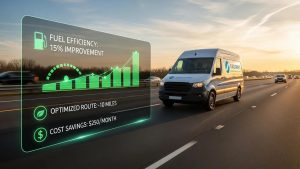
Implementing telematics in fleet management can lead to substantial cost savings through various mechanisms. By utilizing GPS fleet tracking, fleet managers can monitor vehicle locations in real-time, which helps in optimizing routes and reducing fuel consumption. Additionally, telematics systems provide insights into vehicle maintenance needs, allowing for timely interventions that prevent costly repairs. This proactive approach not only saves money but also extends the lifespan of vehicles.
Research further supports how telematics systems provide valuable insights for optimizing fuel consumption and overall fleet management.
Telematics for Fleet Management & Fuel Consumption Analysis
Within the European research project SimpleFleet, a telematics system for fleet management business intelligence was developed, delivering live or near-realtime statistics about individual vehicles or the entire fleet. This supports the fleet manager in ad-hoc decisions and in medium and long term improvements. The fleet vehicles (e.g. taxis, delivery vans) are equipped with an On-Board-Unit (OBU) for GPS tracking and data collection from other sensors, e.g., an engine on/off detector. Beside other route-related information, consulted fleet operators expressed their interest especially in fuel consumption calculation.
Telematics for the Analysis of Vehicle Fleet Fuel Consumption, 2014
For instance, companies that adopt telematics solutions often report a reduction in fuel costs by up to 15%. Furthermore, maintenance cost reductions can be significant, with some fleets experiencing savings of 25% or more. Insurance premiums can also decrease as telematics data demonstrates improved driver behavior and reduced accident rates.
Further studies confirm that real-time monitoring through telematics systems significantly contributes to reducing operating costs and improving fuel efficiency by analyzing driver actions.
Telematics for Fleet Cost Reduction & Fuel Savings
The main purpose of this paper is to investigate the extent to which real-time monitoring of vehicles and the collection of operational data about them through telematic systems can contribute to the reduction of operating costs in a transport company. The study focuses on specific factors such as the driver’s actions, which can affect the vehicle’s technical condition and diesel consumption levels.
Analysis of the use of logistics-telematics systems for cost reduction in a transport company, P Gorzelańczyk, 2024
These financial benefits highlight the importance of integrating telematics into fleet management strategies.
Operational Efficiency

Telematics enhances operational efficiency by providing fleet managers with real-time data and analytics. This technology enables automated reporting, which streamlines administrative tasks and allows managers to focus on strategic decision-making. Real-time tracking of vehicles ensures that fleet managers can respond quickly to any issues that arise, such as delays or route changes.
Indeed, the effective management of GPS tracking systems is crucial for optimizing transportation and significantly enhancing overall operational efficiency.
GPS Tracking for Fleet Optimization & Efficiency
The management of GPS tracking systems plays a vital role in optimizing transportation systems and enhancing operational efficiency. GPS technology has revolutionized the way vehicles are tracked, monitored, and managed, enabling real-time visibility and effective decision-making. Effective management ensures accurate positioning and tracking of vehicles, efficient route planning, timely dispatching, and effective resource allocation. By adopting effective management practices, transportation systems can benefit from improved operational efficiency, reduced costs, enhanced safety, and better customer satisfaction.
Management of GPS tracking systems in transportation, R Verma, 2024
Moreover, telematics systems can improve productivity metrics by monitoring driver performance and vehicle utilization. For example, data on driver behavior can identify areas for improvement, leading to better training and ultimately safer driving practices. Enhanced productivity not only boosts operational efficiency but also contributes to overall fleet performance.
Driver Behavior Monitoring
Monitoring driver behavior is crucial for improving fleet safety and efficiency. Telematics systems track metrics such as speed, braking patterns, and idling time. By analyzing this data, fleet managers can identify risky driving behaviors and implement targeted training programs.
Asset Utilization
Telematics also aids in optimizing asset utilization by providing insights into vehicle usage patterns. Fleet managers can identify underused vehicles and make informed decisions about resource allocation. This optimization can lead to significant cost savings and improved operational efficiency.
Compliance Tracking
Compliance tracking is another critical aspect of telematics. Fleet managers must adhere to various regulations, including hours of service and vehicle maintenance standards. Telematics systems can automate compliance tracking, reducing the risk of violations and associated penalties.
What Are the Key Advantages of Real-Time Vehicle Tracking Systems?
Real-time vehicle tracking systems offer several key advantages for fleet managers. Firstly, they provide immediate visibility into vehicle locations, enabling better route planning and timely responses to customer needs. Secondly, these systems enhance safety by allowing for quick intervention in case of accidents or emergencies. Lastly, real-time data helps in optimizing fuel consumption and reducing operational costs.
How Does Real-Time Fleet Monitoring Improve Operational Efficiency?
Real-time fleet monitoring improves operational efficiency by providing fleet managers with instant access to critical data. This data allows for quick decision-making regarding route adjustments, vehicle maintenance, and driver performance. The result is a more agile fleet that can adapt to changing conditions and customer demands, ultimately leading to increased productivity and reduced costs.
What Role Does GPS Tracking Play in Enhancing Fleet Visibility?
GPS tracking plays a vital role in enhancing fleet visibility by providing accurate location data for each vehicle. This technology allows fleet managers to monitor vehicle movements in real-time, ensuring that deliveries are made on time and that resources are utilized effectively. Enhanced visibility also contributes to improved customer service, as fleet managers can provide accurate updates on delivery statuses.
How Can Driver Behavior Analytics Enhance Fleet Safety and Compliance?
Driver behavior analytics enhance fleet safety and compliance by providing insights into driving patterns. By analyzing data on speed, braking, and acceleration, fleet managers can identify risky behaviors and implement corrective measures. This proactive approach not only improves safety but also helps in meeting regulatory compliance requirements.
How Telematics Reduces Fleet Costs and Boosts ROI
Several driver behavior metrics are particularly impactful for safety improvements. Key metrics include:
- Speeding Incidents: Monitoring instances of speeding can help identify drivers who may require additional training.
- Harsh Braking: Frequent harsh braking can indicate aggressive driving, which increases the risk of accidents.
- Idling Time: Reducing idling time can improve fuel efficiency and reduce emissions.
By focusing on these metrics, fleet managers can implement targeted interventions that lead to safer driving practices.
How Does Analytics Integration Support Regulatory Compliance?
Analytics integration supports regulatory compliance by automating the tracking of essential metrics such as hours of service and vehicle maintenance schedules. Telematics systems can generate reports that demonstrate compliance with regulations, reducing the administrative burden on fleet managers. This automation not only saves time but also minimizes the risk of non-compliance penalties.
What Are the Cost Savings and ROI Benefits of Fleet Management Software?
Fleet management software provides significant cost savings and ROI benefits through improved efficiency and reduced operational costs. By leveraging telematics data, fleet managers can make informed decisions that lead to better resource allocation and lower expenses. The return on investment for telematics solutions is often realized within months of implementation, making it a valuable investment for fleet managers.
How Does Telematics Reduce Fuel Consumption and Maintenance Costs?
Telematics reduces fuel consumption and maintenance costs by providing insights into vehicle performance and driver behavior. By optimizing routes and monitoring vehicle health, fleet managers can ensure that vehicles operate at peak efficiency. This proactive approach not only saves money but also contributes to a more sustainable fleet operation.
What Industry Data Supports the ROI of Fleet Telematics Solutions?
Industry data consistently supports the ROI of fleet telematics solutions. Studies show that fleets utilizing telematics can achieve fuel savings of up to 15%, maintenance cost reductions of 25%, and improved driver safety metrics. These statistics underscore the value of investing in telematics technology for fleet management.
How to Choose the Right Fleet Telematics Solution for Your Business?
Choosing the right fleet telematics solution involves evaluating several key factors. Fleet managers should consider the specific needs of their operations, such as the size of the fleet, types of vehicles, and regulatory requirements. Additionally, it is essential to assess the features offered by different telematics providers, including real-time tracking, analytics capabilities, and customer support.
What Features Should Fleet Managers Prioritize in Telematics Software?
When selecting telematics software, fleet managers should prioritize features that enhance operational efficiency and safety. Key features to look for include:
- Real-Time Tracking: Essential for monitoring vehicle locations and optimizing routes.
- Driver Behavior Analytics: Helps in identifying and addressing risky driving behaviors.
- Maintenance Alerts: Proactive notifications for vehicle maintenance needs.
These features contribute to a more efficient and safer fleet operation.
How Do Integration Capabilities Enhance Fleet Management Efficiency?
Integration capabilities enhance fleet management efficiency by allowing telematics systems to work seamlessly with other business applications. This integration enables fleet managers to access comprehensive data that informs decision-making and improves overall operational performance. By leveraging integrated systems, fleet managers can streamline processes and enhance productivity across their operations.
For more information on optimizing fleet operations, fleet management software offers comprehensive tools to support these efforts.
Jeff Stoker is the CEO and founder of Safety Track, a company he established in 2002. With over two decades of leadership in fleet management solutions, Jeff has guided Safety Track from a pioneering vision to a trusted industry leader. His innovative mindset and commitment to excellence continue to drive the company’s growth and impact.