
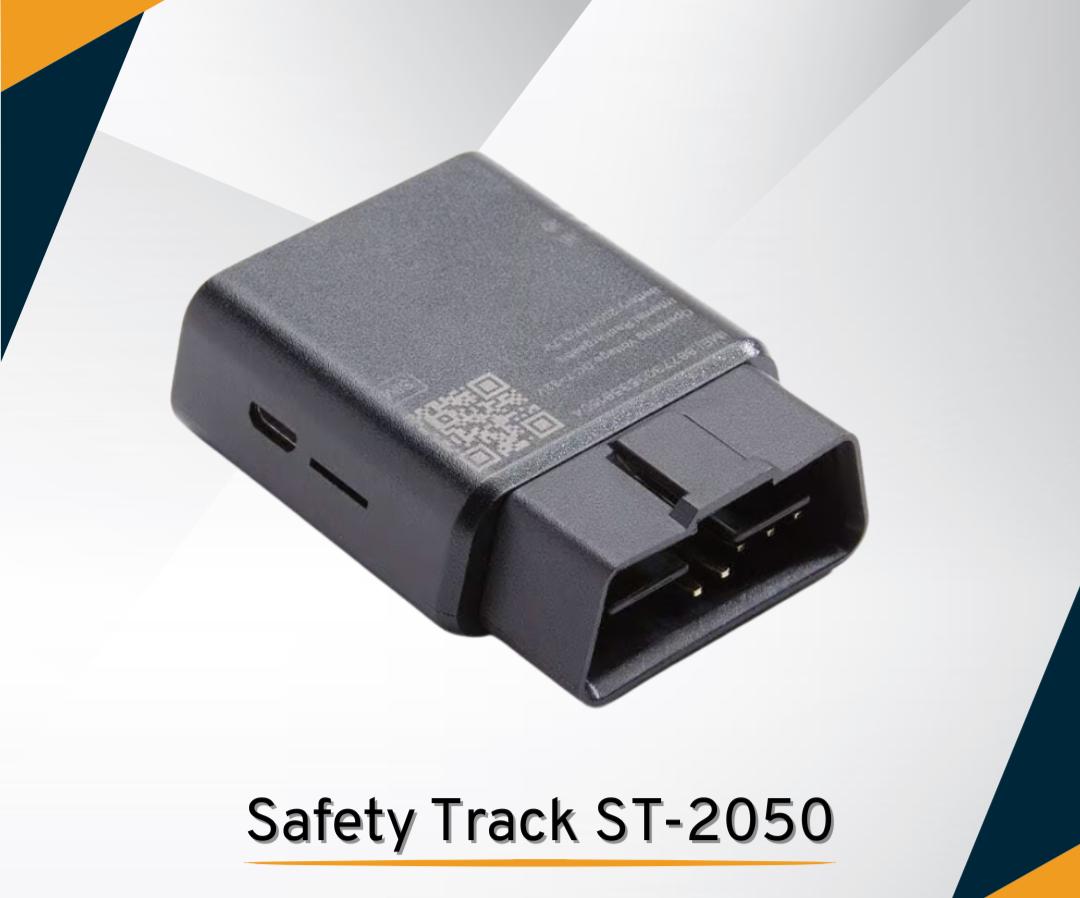
Choosing the Best Vehicle Tracking Device for Your Fleet
How to Choose the Best GPS Tracking Device for Your Fleet
Selecting the right vehicle tracking device for your fleet is crucial for optimizing operations and enhancing efficiency. With a variety of options available, understanding the key features, benefits, and installation considerations can significantly impact your decision-making process. This article will guide you through the essential aspects of vehicle tracking technology, focusing on GPS tracking systems tailored for fleet management. Many fleet managers face challenges such as high operational costs and inefficient routing, which can be alleviated through effective tracking solutions. We will explore the main types of vehicle tracking devices, their benefits, and how to ensure a successful installation, providing you with a comprehensive overview to make an informed choice.
Indeed, effective management of GPS tracking systems is paramount for optimizing transportation operations and achieving significant cost reductions, as highlighted by recent research.
GPS Tracking Systems for Fleet Management: Optimize Efficiency & Reduce Costs
The management of GPS tracking systems plays a vital role in optimizing transportation systems and enhancing operational efficiency. This paper focuses on the management aspects associated with GPS tracking systems in transportation. GPS technology has revolutionized the way vehicles are tracked, monitored, and managed, enabling real-time visibility and effective decision-making. By adopting effective management practices, transportation systems can benefit from improved operational efficiency, reduced costs, enhanced safety, and better customer satisfaction.
Management of GPS tracking systems in transportation, R Verma, 2024
Key Features
When evaluating vehicle tracking devices, several key features should be considered to ensure they meet your fleet’s needs. These features enhance the functionality and effectiveness of tracking systems, providing valuable insights into fleet operations.
- Real-time Tracking Capabilities: This feature allows fleet managers to monitor vehicle locations in real-time, enabling quick responses to any issues that may arise.
- Geofencing Alerts: Geofencing technology sends notifications when vehicles enter or exit predefined areas, helping to manage routes and improve security.
- Driver Behavior Monitoring: Tracking devices can analyze driving patterns, providing insights into driver performance and safety, which can lead to reduced accidents and lower insurance costs.
These features collectively contribute to improved fleet management and operational efficiency.
Further emphasizing the importance of advanced monitoring, research demonstrates how integrating IoT and GPS technologies can significantly enhance driver safety and reduce accidents by tracking behavioral patterns. For more information on the topic, visit driver monitoring.
IoT & GPS for Smart Fleet Management: Driver Monitoring & Safety
In our research, we have proposed the Internet of Things (IoT) scalability framework and its’ emerging technologies to monitor and alert driver’s behavioral and driving patterns to reduce road accidents. To prove this work, we have implemented a lane tracking, and iris detection algorithm, to monitor and alert the driver’s behavior when the vehicle sways away from the lane, and to detect if the driver is feeling drowsy. We implemented electronic devices such as cameras, a global positioning system module, a global system
IoT-based vehicle monitoring and driver assistance system framework for safety and smart fleet management, B Rudrusamy, 2023
Benefits
Implementing vehicle tracking devices offers numerous advantages that can transform fleet operations. Understanding these benefits can help you appreciate the value of investing in such technology.
- Improved Fleet Management: With real-time data, fleet managers can make informed decisions, optimizing routes and reducing idle time.
- Cost Reduction: By monitoring fuel consumption and vehicle usage, companies can identify areas for cost savings, leading to significant reductions in operational expenses.
- Enhanced Safety: Tracking devices can improve driver safety by monitoring behavior and providing feedback, which can lead to fewer accidents and lower liability.
For those looking to enhance their fleet management capabilities, Safety Track offers advanced GPS tracking devices designed to optimize operations for various industries, including trucking and construction.
Installation Considerations
Installing vehicle tracking devices requires careful planning to ensure seamless integration with existing systems. Here are some factors to consider:
devices requires careful planning to ensure seamless integration with existing systems. Here are some factors to consider:
- Ease of Installation: Choose devices that offer straightforward installation processes, minimizing downtime and disruption to fleet operations.
- Integration with Existing Systems: Ensure that the tracking devices can easily integrate with your current fleet management software for streamlined operations.
By addressing these considerations, you can facilitate a smoother installation process and maximize the benefits of your tracking system.
Cost Factors
Understanding the costs associated with vehicle tracking devices is essential for budgeting and financial planning. Key cost factors include:
- Initial Investment: The upfront cost of purchasing tracking devices can vary significantly based on features and technology.
- Total Cost of Ownership: Consider ongoing expenses such as subscription fees for data services and maintenance costs.
- Scalability: Evaluate whether the tracking solution can grow with your fleet, allowing for future expansion without significant additional costs.
By analyzing these cost factors, fleet managers can make informed decisions that align with their budgetary constraints.
What Are the Main Types of Vehicle Tracking Devices for Fleet Management?
There are several types of vehicle tracking devices available, each suited for different applications and fleet sizes. Understanding these types can help you choose the right solution for your needs.
- Plug-and-Play Trackers: These devices are easy to install and can be connected to the vehicle’s OBD-II port, making them ideal for small fleets.
- Hardwired Trackers: These devices are permanently installed in the vehicle, providing more robust features and reliability, suitable for larger fleets.
- Solar-Powered Asset Trackers: Designed for tracking non-powered assets, these devices utilize solar energy, making them ideal for construction sites and remote locations.
Each type of device offers unique advantages, allowing fleet managers to select the best option based on their specific requirements.
How Do GPS, Cellular, and Satellite Tracking Technologies Compare?
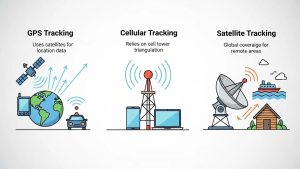
When choosing a vehicle tracking device, understanding the different tracking technologies is crucial. Here’s a comparison of the three main types:
- GPS Tracking: Utilizes satellite signals to determine vehicle location, providing accurate real-time tracking capabilities.
- Cellular Tracking: Relies on cellular networks to transmit data, making it effective in urban areas with good coverage but less reliable in remote locations.
- Satellite Tracking: Offers global coverage, making it ideal for tracking vehicles in remote areas where cellular signals may be weak.
Each technology has its advantages and limitations, and the choice depends on the specific needs of your fleet.
Which Tracking Device Types Suit Different Fleet Sizes and Industries?
Selecting the right tracking device type is essential for maximizing efficiency across various fleet sizes and industries. Here’s a breakdown:
- Light-Duty Vehicles: Plug-and-play trackers are often sufficient for small fleets, providing essential tracking features without complex installation.
- Heavy-Duty Trucks: Hardwired trackers are recommended for larger vehicles, offering advanced features and durability.
- Construction Fleets: Solar-powered asset trackers are ideal for tracking equipment and vehicles on job sites, where power sources may be limited.
By matching the device type to the fleet’s specific needs, managers can enhance operational efficiency.
What Key Features Should You Compare in Fleet Management Tracking Devices?
When comparing fleet tracking systems, consider the following key features:
- Accuracy: Ensure the device provides precise location data to facilitate effective route planning.
- Real-time Tracking Capabilities: Look for devices that offer live tracking to monitor vehicle movements continuously.
- Ease of Use: The user interface should be intuitive, allowing fleet managers to access data and insights easily.
These features are critical for ensuring that the tracking solution meets your operational needs.
How Does GPS Accuracy Impact Real-Time Vehicle Tracking Solutions?
GPS accuracy is vital for effective vehicle tracking. High accuracy ensures that fleet managers receive reliable location data, which is essential for:
- Route Optimization: Accurate data allows for better planning of routes, reducing travel time and fuel consumption.
- Real-time Monitoring: High accuracy enhances the ability to monitor vehicle movements, improving response times to incidents.
Investing in high-accuracy GPS tracking devices can significantly enhance fleet management capabilities.
Why Are Battery Life and Data Security Critical for Fleet GPS Trackers?
Battery life and data security are two critical factors to consider when selecting GPS trackers. Here’s why they matter:
- Impact of Battery Life on Tracking Reliability: Devices with longer battery life ensure continuous tracking without the need for frequent recharging, which is essential for long-haul vehicles.
- Importance of Data Security: Protecting sensitive data from unauthorized access is crucial for maintaining fleet integrity and compliance with regulations.
Choosing devices that excel in these areas can enhance the overall effectiveness of your tracking system.
How Can You Ensure Effective Installation and Integration of Vehicle Tracking Devices?
To ensure successful installation and integration of vehicle tracking devices, consider the following best practices:
- Choosing the Right Device: Select devices that align with your fleet’s specific needs and operational goals.
- Proper Installation: Follow manufacturer guidelines for installation to avoid technical issues and ensure optimal performance.
By adhering to these practices, fleet managers can maximize the benefits of their tracking systems.
What Are Best Practices for Installing Fleet GPS Tracking Systems?
Implementing best practices during the installation of GPS tracking systems can lead to better outcomes. Here are some recommendations:
- Identify Your Goals: Clearly define what you want to achieve with the tracking system to guide your selection and installation process.
- Choose the Right Device: Ensure the device selected meets your operational requirements and is compatible with your fleet.
These practices can help streamline the installation process and enhance the effectiveness of the tracking system.
How Does Integration with Fleet Management Software Enhance Tracking Benefits?

Integrating vehicle tracking devices with fleet management software can significantly enhance operational efficiency. Here’s how:
- Real-time Data Access: Integration allows for immediate access to tracking data, enabling quick decision-making.
- Improved Operational Efficiency: By combining tracking data with management software, fleet managers can optimize routes and reduce costs.
This integration is essential for maximizing the benefits of vehicle tracking technology.
Studies further underscore that the effectiveness of such integrated fleet management systems heavily relies on their usability and perceived usefulness, directly impacting operational performance.
Fleet Management Systems: Impact on Operational Performance & Usability
This study examines the impact of Fleet Management Systems (FMS) on operational performance, with emphasis on the Transport Management Information System (FMS) implemented at the Tanzania Electric Supply Company Limited (TANESCO). Guided by the Technology Acceptance Model (TAM) and the Resource-Based View (RBV), the research analyzed perceived usefulness, perceived ease of use, and personnel proficiency as determinants of operational performance. Findings revealed that perceived usefulness and perceived ease of use had significant positive effects, with ease of use being the strongest predictor. The study concludes that FMS effectiveness depends more on usability
Assessment of the Effect of Fleet Management Software on Operational Performance: A of Case of Tanzania Electric Supply Company Limited, 2025
What Are the Cost Considerations and ROI Benefits of Vehicle Tracking Technology?
Understanding the cost considerations and potential ROI from vehicle tracking technology is crucial for fleet managers. Key points include:
- Initial Investment: Assess the upfront costs of purchasing and installing tracking devices.
- Potential Savings: Evaluate how tracking technology can lead to reduced fuel consumption and improved efficiency.
By analyzing these factors, fleet managers can make informed decisions about investing in tracking technology.
How Do Fleet Managers Evaluate the Cost of GPS Tracking Devices?
Fleet managers typically evaluate the cost of GPS tracking devices by considering several factors:
- Cost Factors: Analyze the initial purchase price, installation costs, and ongoing subscription fees.
- Methods for Comparison: Use cost-benefit analysis to compare different devices and their features.
This evaluation process helps ensure that the selected tracking solution provides the best value for the investment.
What ROI Improvements Can Be Expected from Real-Time Vehicle Tracking Solutions?
Implementing real-time vehicle tracking solutions can lead to significant ROI improvements. Key benefits include:
- Cost Savings: Enhanced route planning and reduced fuel consumption can lead to substantial savings.
- Improved Efficiency: Real-time data allows for better resource allocation and operational efficiency.
By understanding these potential improvements, fleet managers can justify the investment in tracking technology.
Conclusion
Investing in a reliable vehicle tracking device can significantly enhance fleet management by improving operational efficiency, reducing costs, and ensuring driver safety. Understanding the key features and benefits of various tracking technologies empowers fleet managers to make informed decisions tailored to their specific needs. To explore our comprehensive range of advanced tracking solutions, visit our website today. Take the next step towards optimizing your fleet operations and experience the transformative impact of effective vehicle tracking.
Jeff Stoker is the CEO and founder of Safety Track, a company he established in 2002. With over two decades of leadership in fleet management solutions, Jeff has guided Safety Track from a pioneering vision to a trusted industry leader. His innovative mindset and commitment to excellence continue to drive the company’s growth and impact.