

Cost-Effective Fleet Tracking Solutions for Your Business
Cost-Effective GPS Fleet Tracking: Improve Efficiency and Cut Costs
In today’s competitive business landscape, effective fleet management is crucial for optimizing operational efficiency and controlling costs. Cost-effective fleet tracking solutions leverage advanced GPS technology to provide real-time insights into vehicle locations, driver behavior, and overall fleet performance. This article will explore the key features, implementation strategies, potential savings, and benefits of GPS fleet tracking systems. Many businesses struggle with high operational costs and inefficient resource management, but by adopting these innovative solutions, they can significantly enhance their logistics operations. We will delve into the essential aspects of fleet tracking, including its impact on efficiency, safety, and compliance, as well as the various hardware and software options available.
Indeed, the strategic management of these systems is paramount for achieving significant improvements in transportation and logistics.
GPS Tracking Systems for Fleet Optimization & Cost Reduction
The management of GPS tracking systems plays a vital role in optimizing transportation systems and enhancing operational efficiency. GPS technology has revolutionized the way vehicles are tracked, monitored, and managed, enabling real-time visibility and effective decision-making. Effective management ensures accurate positioning and tracking of vehicles, efficient route planning, timely dispatching, and effective resource allocation. By adopting effective management practices, transportation systems can benefit from improved operational efficiency, reduced costs, enhanced safety, and better customer satisfaction.
Management of GPS tracking systems in transportation, R Verma, 2024
Key Features
Cost-effective fleet tracking solutions come equipped with several essential features that enhance operational efficiency. These features include:
- Real-Time GPS Tracking: Provides live updates on vehicle locations, enabling better route planning and timely deliveries.
- Route Optimization: Analyzes traffic patterns and suggests the most efficient routes, reducing fuel consumption and travel time.
- Telematics Integration: Combines GPS data with vehicle diagnostics to monitor performance and maintenance needs.
- Automated Reporting: Generates reports on various metrics, such as fuel usage and driver behavior, to facilitate data-driven decision-making.
- Driver Behavior Monitoring: Tracks driving patterns to promote safe driving practices and reduce accident rates.
These features collectively contribute to a more streamlined and efficient fleet management process.
Implementation Strategies

Implementing fleet tracking solutions effectively requires careful planning and execution. Here are some strategies to consider:
- Choose the Right Software: Select a fleet management software that aligns with your business needs and offers the necessary features.
- Train Staff: Ensure that all employees are trained on how to use the tracking system effectively to maximize its benefits.
- Regular Data Analysis: Continuously analyze the data collected from the tracking system to identify areas for improvement.
- Set Clear Policies: Establish clear guidelines for vehicle usage and monitoring to ensure compliance and accountability.
By following these strategies, businesses can successfully integrate fleet tracking solutions into their operations.
Safety Track specializes in providing cost-effective GPS tracking and fleet management services tailored for businesses with vehicle fleets. Their solutions are designed to enhance operational efficiency while controlling costs.
Potential Savings
Implementing fleet tracking solutions can lead to significant financial benefits for businesses. The potential savings include:
- Fuel Cost Reduction: By optimizing routes and monitoring fuel consumption, businesses can reduce fuel expenses significantly.
- Maintenance Cost Savings: Regular monitoring of vehicle performance helps identify maintenance needs before they become costly repairs.
- Increased Productivity: Real-time tracking allows for better resource allocation and improved delivery times, enhancing overall productivity.
- Administrative Cost Reduction: Automated reporting and data analysis reduce the time spent on administrative tasks, allowing staff to focus on core business activities.
The financial impact of these savings can be substantial, making fleet tracking a worthwhile investment.
Further emphasizing the financial advantages, studies show impressive returns on investment from fleet digital transformation.
Fleet Digital Transformation: Cost Savings & ROI
Cost-benefit analysis yields an average net present value of $1.42 million per fleet (100-vehicle average) over three years, payback period of 8.4 months, and return on investment of 201%.
Exploring digital transformation in transport—fleet management software, GPS tracking, predictive analytics, and automation to reduce costs and improve …
This table illustrates the potential savings businesses can achieve through effective fleet tracking solutions.
What Are the Key Benefits of GPS Fleet Tracking Systems?
GPS fleet tracking systems offer several key benefits that enhance operational efficiency and cost control:
- Efficiency Improvements: Real-time data allows for quick decision-making and efficient resource allocation.
- Cost Savings: Reduced fuel and maintenance costs contribute to overall financial health.
- Enhanced Operational Control: Businesses gain better visibility into their fleet operations, enabling proactive management.
These benefits make GPS fleet tracking an essential tool for modern businesses looking to optimize their fleet management.
How Does Real-Time Fleet Monitoring Improve Operational Efficiency?
Real-time fleet monitoring significantly enhances operational efficiency by providing immediate visibility into vehicle locations and performance. This capability allows fleet managers to: revolutionize fleet management.
- Respond Quickly to Issues: Immediate alerts for vehicle breakdowns or delays enable swift action to minimize disruptions.
- Optimize Routes: Continuous monitoring allows for dynamic route adjustments based on traffic conditions, ensuring timely deliveries.
- Enhance Driver Accountability: Monitoring driver behavior promotes safer driving practices and reduces the risk of accidents.
By leveraging real-time data, businesses can streamline their operations and improve overall efficiency.
In What Ways Does Fleet Tracking Enhance Driver Safety and Compliance?
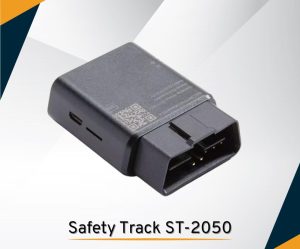
Fleet tracking systems play a crucial role in enhancing driver safety and ensuring compliance with regulations. Key aspects include: fleet tracking systems.
- Monitoring Driver Behavior: Tracking speed, braking patterns, and other behaviors helps identify risky driving practices.
- Emergency Response Capabilities: In the event of an accident, real-time tracking allows for quick response and assistance.
- Regulatory Compliance: Automated reporting ensures that businesses meet compliance requirements, reducing the risk of fines.
These features contribute to a safer working environment for drivers and help businesses maintain compliance with industry regulations.
Which Affordable Fleet Management Hardware Options Are Available?
When considering fleet management solutions, various hardware options are available to suit different business needs. Some affordable options include:
- Real-Time Tracking Devices: These devices provide continuous location updates and are essential for effective fleet management.
- Geofencing Alerts: Set up virtual boundaries to receive alerts when vehicles enter or exit designated areas.
- Driver Behavior Monitors: Devices that track driving patterns and provide feedback to improve safety.
These hardware options can be integrated into existing fleet tracking systems to enhance functionality.
What Features Should You Look for in Vehicle GPS Tracking Devices?
When selecting GPS tracking devices for your fleet, consider the following essential features:
- Real-Time Tracking: Ensure the device provides live updates on vehicle locations.
- Telematics Integration: Look for devices that can integrate with telematics systems for comprehensive data analysis.
- Video Monitoring Systems: Some devices offer video capabilities to enhance safety and accountability.
Choosing devices with these features will ensure effective fleet management and improved operational efficiency.
How Do Customizable Tracking Solutions Cater to Different Business Needs?
Customizable tracking solutions are designed to meet the diverse needs of various businesses. These solutions can be tailored to:
- Small Businesses: Simple tracking systems that provide essential features without overwhelming complexity.
- Construction Companies: Solutions that offer rugged hardware and specialized reporting for project management.
- Logistics Providers: Advanced systems that integrate with existing logistics software for seamless operations.
By offering customizable options, fleet tracking solutions can cater to the unique requirements of different industries.
What Software Features Optimize Fleet Tracking and Management?
Effective fleet management software should include several key features to optimize tracking and management:
- Real-Time Tracking: Essential for monitoring vehicle locations and performance.
- Automated Reporting: Generates reports on various metrics to facilitate data-driven decision-making.
- Driver Behavior Monitoring: Tracks driving patterns to promote safe driving practices.
These software features enhance the overall effectiveness of fleet management systems.
How Does Fleet Tracking Software Support Maintenance Scheduling and Reporting?
Fleet tracking software plays a vital role in supporting maintenance scheduling and reporting. Key functionalities include:
- Automated Maintenance Scheduling: Alerts for upcoming maintenance tasks based on vehicle usage and performance data.
- Centralized Vehicle Records: Keeps all maintenance records in one place for easy access and analysis.
- Predictive Maintenance Capabilities: Uses data analytics to predict potential issues before they arise.
These features help businesses maintain their vehicles effectively, reducing downtime and repair costs.
What Role Do User-Friendly Interfaces Play in Fleet Management Efficiency?
A user-friendly interface is crucial for maximizing the efficiency of fleet management systems. Key benefits include:
- Intuitive Navigation: Simplifies the process of accessing important data and features.
- Real-Time Tracking: Easy access to live updates on vehicle locations enhances decision-making.
- Automated Reporting: Streamlined reporting processes save time and reduce errors.
By prioritizing user-friendly design, businesses can ensure that their fleet management systems are utilized to their full potential.
How Can Businesses Evaluate the Cost-Effectiveness of Fleet Tracking Solutions?
Evaluating the cost-effectiveness of fleet management solutions involves several key metrics:
- Key Metrics for Evaluation: Analyze fuel savings, maintenance costs, and productivity gains.
- Comparison Criteria: Compare different solutions based on features, pricing, and customer support.
- Potential ROI Analysis: Calculate the return on investment by assessing the financial benefits against implementation costs.
By using these evaluation methods, businesses can make informed decisions about their fleet tracking investments.
What Are the Typical Cost Components of Fleet Tracking Systems?
Understanding the cost components of fleet tracking systems is essential for budgeting. Typical costs include:
- Hardware Costs: Initial investment in tracking devices and installation.
- Monthly Subscription Fees: Ongoing costs for software access and data services.
- Installation Costs: Expenses related to setting up the tracking system in vehicles.
By being aware of these costs, businesses can better plan their fleet management budgets.
How Do Case Studies Demonstrate ROI and Operational Savings?
Case studies provide valuable insights into the real-world impact of fleet tracking solutions. Key aspects include:
- ROI Calculation Methods: Analyzing financial data to determine the return on investment from fleet tracking.
- Case Study Examples: Real-life examples of businesses that have successfully implemented tracking solutions and achieved significant savings.
- Key Performance Indicators: Metrics used to measure the success of fleet tracking implementations.
These case studies illustrate the tangible benefits of adopting fleet tracking solutions, reinforcing their value for businesses.
Conclusion
Implementing cost-effective fleet tracking solutions can significantly enhance operational efficiency and reduce expenses for businesses. By leveraging real-time GPS technology, companies can optimize routes, monitor driver behavior, and improve overall fleet management. The financial benefits, including fuel savings and increased productivity, make these systems a valuable investment. Discover how our tailored fleet tracking solutions can transform your operations today.
Jeff Stoker is the CEO and founder of Safety Track, a company he established in 2002. With over two decades of leadership in fleet management solutions, Jeff has guided Safety Track from a pioneering vision to a trusted industry leader. His innovative mindset and commitment to excellence continue to drive the company’s growth and impact.